Teether Gloves
CN → US| HS Code | Tariff Rate | Origin | Destination | Doc |
|---|---|---|---|---|
| 6216002600 | 24.5% | CN | US | Official Doc |
| 4015191110 | 38.0% | CN | US | Official Doc |
| 4015195100 | 49.0% | CN | US | Official Doc |
| 3926201020 | 10.0% | CN | US | Official Doc |
| 3926204010 | 16.5% | CN | US | Official Doc |
Product Images


AI Analysis
🧤 Teether Gloves (磨牙手套/护齿手套)
🌐 HS Code Reference & Customs Clearance Guide | 2026 Latest Tariff Analysis | Professional Clearance Strategy
📌 I. Product Definition & Classification: Do You Really Understand "Teether Gloves"?
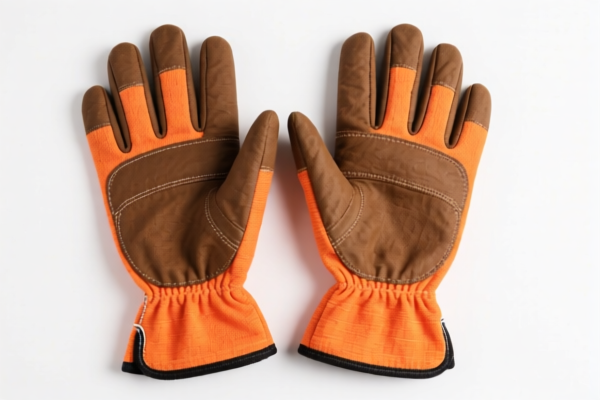
Teether Gloves are specialized baby care products designed to soothe teething discomfort while protecting hands from biting or scratching. In international trade, they fall under the broad category of "Gloves" but are distinguished by their specific material composition and intended use.
The classification hinges on two critical factors: 1. Material: Is it plastic (polymer) or rubber (synthetic/natural)? 2. Form: Is it a simple coating on fabric (Chapter 62) or a solid rubber/plastic molded glove (Chapter 40/39)?
⚠️ Key Distinction:
- If the glove has a fabric base with plastic/rubber coating → Likely Chapter 62 (Apparel).
- If it is a solid plastic item without fabric base → Likely Chapter 39 (Plastics).
- If it is made of vulcanized rubber → Likely Chapter 40 (Rubber).
📦 II. HS Code Classification Details (2026 Latest Tariff Authority Comparison)
Based on the provided data, here are the 5 potential HS Codes and their logical matching rationale.
| HS Code | Product Description & Logic | Material Match | Form Match | Total Tax Rate (US/CN) |
|---|---|---|---|---|
6216.00.26.00 |
Gloves, Other (Coated) Matches "Teether Gloves" as a protective glove. Inferred rubber/plastic coating on fabric. |
✅ Logical Inference (Rubber/Plastic coating) | ✅ Matches Glove Usage | 24.5% |
4015.19.11.10 |
Surgical or Medical Gloves (Vulcanized Rubber) Inferred "Plastic" as Vulcanized Rubber. Matches glove form. |
✅ Reasonable Inference | ✅ Matches Glove Form | 38.0% |
4015.19.51.00 |
Other Medical Gloves (Vulcanized Rubber) Matches material (Rubber) and use (Glove). |
✅ Reasonable Inference | ✅ Matches Glove Use | 49.0% |
3926.20.10.20 |
Other Articles of Plastic, Gloves Direct match: "Plastic" material + "Glove" form. Uses "Catch-all" principle due to unspecified use. |
✅ Direct Match (Plastic) | ✅ Direct Match (Glove) | 10.0% |
3926.20.40.10 |
Plastic Gloves Explicit name match: Contains "Plastic" and "Glove". Fits plastic product characteristics. |
✅ Direct Match | ✅ Direct Match | 16.5% |
🔍 重点提醒 (Key Reminders):
- Chapter 62 (6216...) is often used for textile-based gloves with coatings. If your teether glove is made of fabric with silicone/plastic tips, this is a strong candidate.
- Chapter 39 (3926...) is best for pure plastic/silicone molded gloves. If the product is 100% plastic/silicone with no fabric, this is the most accurate category.
- Chapter 40 (4015...) applies if the material is strictly vulcanized rubber. "Plastic" and "Rubber" are chemically different; misclassifying plastic as rubber can lead to audits.
💰 III. 2026 Latest Tariff Rate Breakdown (Including Surtaxes & Policy Additions)
✅ Applicable Country: United States (US)
✅ Origin: China (CN)
✅ Effective Time: Post-November 10, 2025 (Including subsequent imports)
🎯 1. 6216.00.26.00 – Other Gloves, Other (Coated)
| Item | Content |
|---|---|
| Base Duty | 7.0% |
| Surtax (Section 301) | 7.5% |
| 122 Clause Surtax | 10.0% |
| Total Tax Rate | 24.5% |
| Tax Calculation | CIF Value × 24.5% |
| De Minimis Eligibility | ❌ No (Deny de_minimis) |
| Legal Basis Path | Base 7% → Section 301 (7.5%) → IEEPA 122 (10%) |
📌 Explanation:
- This code is typically for coated textile gloves.
- The total tax is moderate but significant. The 122 Clause (10%) is a specific trade remedy tariff.
🎯 2. 4015.19.11.10 – Vulcanized Rubber Gloves (Other)
| Item | Content |
|---|---|
| Base Duty | 3.0% |
| Surtax (Section 301) | 25.0% |
| 122 Clause Surtax | 10.0% |
| Total Tax Rate | 38.0% |
| Tax Calculation | CIF Value × 38.0% |
| De Minimis Eligibility | ❌ No |
| Legal Basis Path | IEEPA → USITC 301 Clause → 122 Clause |
📌 Note:
- If Customs determines your "plastic" glove is actually vulcanized rubber, this code applies.
- High Surcharge: The 25% Section 301 surcharge is standard for rubber products from China.
🎯 3. 4015.19.51.00 – Other Medical Rubber Gloves
| Item | Content |
|---|---|
| Base Duty | 14.0% |
| Surtax (Section 301) | 25.0% |
| 122 Clause Surtax | 10.0% |
| Total Tax Rate | 49.0% |
| Tax Calculation | CIF Value × 49.0% |
| De Minimis Eligibility | ❌ No |
| Legal Basis Path | High Base + 301 + 122 |
📌 Warning:
- This is the most expensive option.
- Only use if the product is explicitly medical-grade rubber gloves. For baby teether gloves, this is likely an over-classification unless used in a medical setting.
🎯 4. 3926.20.10.20 – Plastic Gloves (Other Articles of Plastic)
| Item | Content |
|---|---|
| Base Duty | 0.0% |
| Surtax (Section 301) | 0.0% |
| 122 Clause Surtax | 10.0% |
| Total Tax Rate | 10.0% |
| Tax Calculation | CIF Value × 10.0% |
| De Minimis Eligibility | ❌ No |
| Legal Basis Path | Low Base + 122 Clause |
📌 Advantage:
- Lowest Tax Rate among high-compliance codes.
- The 10% 122 Clause is the only surcharge.
- Recommended if the product is pure plastic/silicone without fabric.
🎯 5. 3926.20.40.10 – Plastic Gloves (Explicitly Listed)
| Item | Content |
|---|---|
| Base Duty | 6.5% |
| Surtax (Section 301) | 0.0% |
| 122 Clause Surtax | 10.0% |
| Total Tax Rate | 16.5% |
| Tax Calculation | CIF Value × 16.5% |
| De Minimis Eligibility | ❌ No |
| Legal Basis Path | Base 6.5% + 122 Clause |
📌 Comparison:
- Slightly higher than3926.20.10.20due to the 6.5% base duty.
- However, the summary states this code is a "Success Match" because the name explicitly includes "Plastic" and "Glove". It is a very safe classification for clear plastic products.
🛠️ IV. Customs Clearance Practical Advice (Avoiding Pitfalls)
✅ 1. Preparation Checklist (Must-Have Documents)
| Document | Required? | Purpose |
|---|---|---|
| ✅ Product Spec Sheet | ✔️ | Define material: Is it Silicone, TPE, PVC, or Fabric-backed? |
| ✅ Material Composition | ✔️ | Crucial for distinguishing Ch 39 (Plastic) vs. Ch 62 (Textile) vs. Ch 40 (Rubber). |
| ✅ Product Photos | ✔️ | Show texture, flexibility, and any fabric backing. |
| ✅ Commercial Invoice | ✔️ | Clearly state "Teether Gloves" and material. |
| ✅ CPSIA Compliance | ✔️ | Since it's a baby product, US CBP may ask for CPSIA test reports. |
| ✅ Packing List | ✔️ | Ensure weight and dimensions match. |
✅ 2. Classification Strategy (Key Mantra)
🔥 "Material First, Use Second, Fabric vs. Solid Matters!"
| Scenario | Recommended HS Code | Reason | Tax Rate |
|---|---|---|---|
| Pure Silicone/Plastic Molded | 3926.20.10.20 or 3926.20.40.10 |
No fabric base. Direct plastic match. | 10.0% - 16.5% |
| Fabric with Silicone/Rubber Coating | 6216.00.26.00 |
Base is textile (Chapter 62). Coated gloves. | 24.5% |
| Medical-Grade Rubber | 4015.19.51.00 |
Only if explicitly medical/rubber. | 49.0% |
| Ambiguous "Plastic" Material | 4015.19.11.10 |
If Customs argues "Plastic" = "Vulcanized Rubber". | 38.0% |
⚠️ Critical Warning:
- Do NOT misdeclare as "Baby Toys" (Chapter 95) if it is technically a glove. CBP is strict on glove classification.
- Do NOT mix Chapter 62 and Chapter 39. If it has fabric, it’s Ch 62. If it’s all plastic/silicone, it’s Ch 39.
✅ 3. Special Handling for Baby Products
| Situation | Clearance Tip |
|---|---|
| Silicone Material | Ensure you specify "Food-Grade Silicone" or "Medical-Grade Plastic". Avoid vague terms like "TPR" unless certified. |
| Packaging | Ensure packaging is sealed and marked "Baby Product" to trigger CPSIA compliance checks early. |
| De Minimis Risk | ❌ No De Minimis: These goods are not eligible for the $800 de minimis exemption due to Section 301/122 tariffs. Full duty payment required. |
🌍 V. Global Market Comparison (2026 Latest)
| Country/Region | Recommended HS Code | Est. Tax Rate | Key Certification | Note |
|---|---|---|---|---|
| 🇺🇸 USA | 3926.20.10.20 |
10.0% | CPSIA + ASTM F963 | Lowest duty for plastic gloves. |
| 🇺🇸 USA | 6216.00.26.00 |
24.5% | CPSIA + ASTM F963 | Higher if fabric-backed. |
| 🇨🇳 China | 6116.93.00 |
~5-7% | CE + RoHS | Lower base duty, no 301 tax. |
| 🇪🇺 EU | 6116.93 or 3926.20 |
0-4% | CE + REACH | No Section 301/122 surcharges. |
📌 Conclusion:
- US Market: High tariffs due to Section 301 and 122 Clauses.
- Strategy: If possible, choose3926.20.10.20(10% total) for pure plastic goods to minimize cost. Avoid4015codes unless you are a medical supplier.
📌 VI. Common Mistakes & Pitfalls (Blood & Tears Lessons)
❌ Mistake 1: Declaring as "Baby Toy" (HS 9503)
👉 Consequence: CBP reclassifies as "Glove" → Back taxes + Penalties.
✅ Fix: Use Glove HS codes (Ch 39/62/40).
❌ Mistake 2: Confusing "Silicone" with "Rubber"
👉 Consequence: Classified under Ch 40 (38-49% tax) instead of Ch 39 (10-16.5% tax).
✅ Fix: Provide material safety data sheet (MSDS) proving it is Thermoplastic Silicone/Elastomer (Ch 39), not Vulcanized Rubber (Ch 40).
❌ Mistake 3: Ignoring the 122 Clause
👉 Consequence: Underpayment of duties.
✅ Fix: Always add 10% for the 122 Clause in cost calculations for US imports from China.
❌ Mistake 4: Assuming De Minimis Applies
👉 Consequence: Package held by CBP for duty payment.
✅ Fix: Prepare for full duty payment. These goods are excluded from de minimis.
🎯 VII. Conclusion: Professional Classification Saves Money!
🎯 Remember the Mantra:
🔹 "Silicone/Plastic? Go Ch 39. Fabric? Go Ch 62. Rubber? Go Ch 40."
🔹 "Ch 39 is King: 10% Total Tax. Ch 40 is Killer: 49% Total Tax."
🔹 "No De Minimis! Pay the Tax Early to Avoid Delays!"
📌 Pro Tip:
If your teether gloves are made of 100% Silicone or TPE, insist on classification under 3926.20.10.20 or 3926.20.40.10. This saves you 14.5% - 24.5% in taxes compared to rubber or coated textile classifications.
📣 Immediate Action:
📞 Contact your Freight Forwarder
📄 Provide Material Spec Sheet (Confirm Plastic vs. Rubber)
🚀 Apply for Advance Ruling if shipping large volumes to ensure HTSUS alignment.
✨ Professional Clearance Starts with Accurate Classification!
💼 Every Percent of Tax Saved is Pure Profit!
Customer Reviews
About HS Code Classification
The Harmonized System (HS) is an internationally standardized nomenclature developed by the World Customs Organization (WCO) to classify traded products. Over 200 countries use the HS system as the basis for customs tariffs, trade statistics, and import/export regulations.
Each HS code follows a hierarchical structure:
- Chapter (2 digits) — Broad category of goods (e.g., Chapter 84: Machinery and Mechanical Appliances)
- Heading (4 digits) — More specific grouping within the chapter
- Subheading (6 digits) — Internationally standardized breakdown, used by all WCO member countries
- National subdivisions (8-10 digits) — Country-specific extensions for further classification, such as US HTSUS 10-digit codes
Correct HS code classification is essential for smooth customs clearance, accurate duty payment, and compliance with trade regulations. Misclassification can lead to customs delays, overpayment of duties, or penalties.
When importing from CN to US, the applicable tariff rates may include:
- Most-Favored-Nation (MFN) rate — The standard duty rate applied to WTO members
- General rate — Applied to countries without trade agreements
- Trade remedy duties — Additional tariffs such as Section 301 (anti-dumping), Section 232 (national security), or countervailing duties
The information provided on this page is for reference purposes only. For official classification, please consult with your local customs authority or a licensed customs broker.