Telescopic Drawing Tube
CN → US| HS Code | Tariff Rate | Origin | Destination | Doc |
|---|---|---|---|---|
| 3926909987 | 22.8% | CN | US | Official Doc |
| 3926909989 | 22.8% | CN | US | Official Doc |
| 7326908610 | 87.9% | CN | US | Official Doc |
| 7326908630 | 87.9% | CN | US | Official Doc |
Product Images

AI Analysis
🔭 Telescopic Drawing Tube (Art Supplies & Industrial Tools)
🌐 HS Code Reference & Customs Clearance Guide | 2026 Latest Tariff Analysis | Professional Clearance Strategy
📌 I. Product Definition & Classification: Do You Really Know What a "Telescopic Drawing Tube" Is?
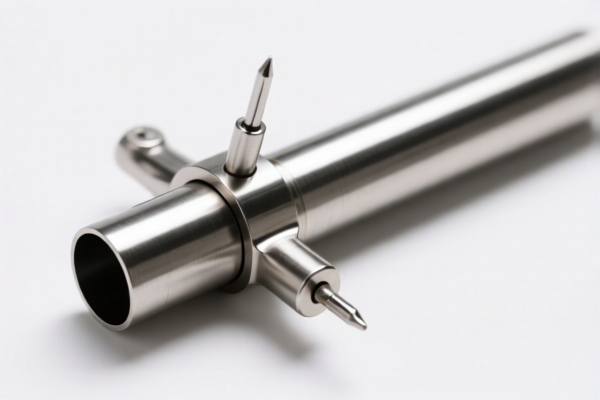
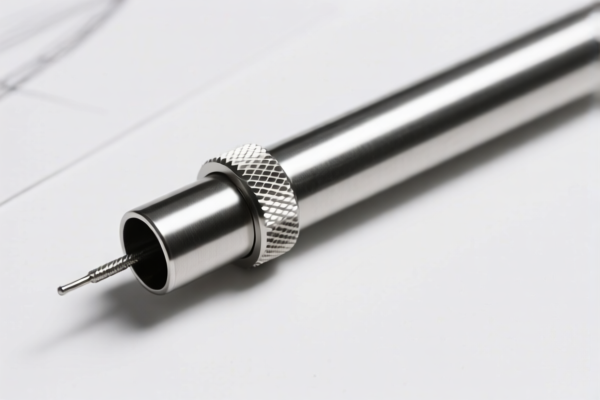
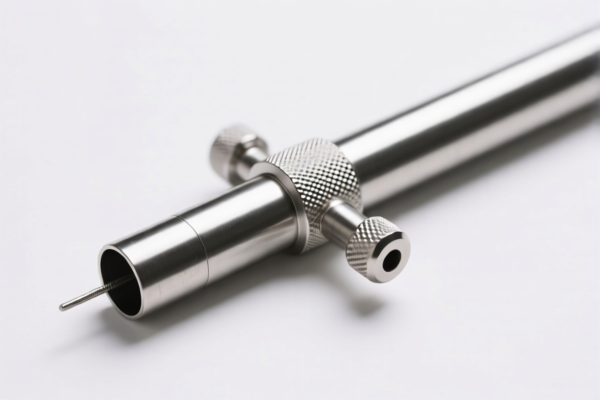
A Telescopic Drawing Tube is a specialized cylindrical tool, typically made of iron, steel, or plastic, designed to hold and organize drawing materials (such as charcoal, pastel sticks, or pencils) while allowing them to expand and contract in length. It is commonly used by artists to prevent breakage of fragile media during transport and storage.
In international trade, its classification depends strictly on the primary material and the specific structural design:
- Metal Tubes (Iron/Steel): If the tube is made of ferrous metals (iron/steel) and used for holding tubes/pipes (even if repurposed for art supplies, the structural definition often leans towards supports or general articles of metal), or if it is considered a "support for tubes."
- Plastic Tubes: If the tube is rigid and used as a conduit (e.g., for electrical or mechanical purposes, even if labeled for art), it may fall under plastic articles.
⚠️ Key Distinction Point:
- If the product is primarily metallic and functions as a holder/support →归入 Chapter 73 (Articles of Iron or Steel).
- If the product is primarily plastic and acts as a rigid conduit/container →归入 Chapter 39 (Plastics).
- Note: The term "Drawing Tube" can sometimes be confused with "Oil Pastel Tubes" (Paper/Cardboard, Ch 48) or "Paint Tubes" (Plastic/Aluminum, Ch 39/76). However, a "Telescopic Drawing Tube" implies a rigid, extendable structure, often metal or hard plastic.
📦 II. HS Code Classification Details (2026 Latest Tariff Authority Comparison)
Based on the provided data, here are the applicable HS Codes for "Telescopic Drawing Tubes" depending on material and specific sub-category:
| HS Code | Product Description | Material | Specific Application/Feature | Tax Rate (China to US) |
|---|---|---|---|---|
7326.90.86.10 |
Other articles of iron or steel: Other: Laminated goods | Iron/Steel | Consisting of two or more flat-rolled sheets held together with adhesive or having a non-metallic core. | 77.9% |
7326.90.86.30 |
Other articles of iron or steel: Other: Hangers and similar supports for tubes and pipes | Iron/Steel | Supports, holders, or hangers for tubes/pipes (includes artistic supply holders made of metal). | 77.9% |
3926.90.99.87 |
Other articles of plastics: Other Rigid tubes or pipes suitable for use as electrical conduit | Plastic | Rigid plastic tubes/pipes. Note: If the telescopic tube is plastic and rigid, it may fall here, though "art supply" intent might be challenged. | 0.0% |
3926.90.99.89 |
Other articles of plastics and articles of other materials: Other | Plastic | Other plastic articles not specified elsewhere (generic plastic goods). | 12.8% |
🔍 Key Insight:
- Metal telescopic tubes are heavily taxed due to Section 301 and Aluminum/Steel tariffs.
- Plastic telescopic tubes have significantly lower duties if classified correctly under general plastic articles or specific rigid tube provisions.
- "Drawing Tube" ambiguity: If the tube is merely a paper/cardboard container for pastels, it does not appear in the provided<DATA>. This analysis strictly uses the provided metal/plastic HS codes. If your product is paper-based, the provided data does not cover it, and you must consult Chapter 48 or 49. Assuming the product matches the provided data, it is metal or plastic.
💰 III. 2026 Latest Tariff Rate Details (Including Additional Taxes)
✅ Applicable Country: United States (US)
✅ Origin: China (CN)
✅ Effective Date: 2025/2026 (Current Trade War Tariffs Applied)
🎯 1. 7326.90.86.10 & 7326.90.86.30 —— Metal Telescopic Drawing Tubes
| Item | Details |
|---|---|
| Base Tariff | 2.9% (Basic duty for articles of iron/steel) |
| Section 301 Additional Tariff | +25% (USITC Footnote 9903.88.01) |
| Steel/Aluminum/Copper Additional Tariff | +50% (Specific "Steel, Aluminum, Copper Products" tariff) |
| Total Tariff Rate | 77.9% |
| Calculation | CIF Value × 77.9% |
| De Minimis Exemption | ❌ Not Eligible (High tariff rates usually disqualify from Section 321 de minimis) |
| Legal Path | Base: 7326 → Sec 301: 25% → Steel/Al: 50% → Total: 77.9% |
📌 Explanation:
- The 77.9% rate is extremely high, driven by the 50% surcharge on steel/iron products combined with the standard 25% Section 301 tariff and the 2.9% base duty.
- Critical Warning: If your telescopic drawing tube is made of steel or iron, expect nearly 80% tariff. This makes Chinese-origin metal art supplies very costly for US importers.
🎯 2. 3926.90.99.87 —— Plastic Rigid Tubes (Electrical Conduit Type)
| Item | Details |
|---|---|
| Base Tariff | 0.0% |
| Additional Tariffs | 0.0% |
| Total Tariff Rate | 0.0% |
| Calculation | CIF Value × 0.0% |
| De Minimis Exemption | ✅ Eligible (Potentially, if under $800 and not otherwise restricted) |
| Legal Path | Base: 3926.90.99.87 → No additional Section 301/Steel tariffs apply to this specific plastic sub-heading in the provided data |
📌 Explanation:
- This code has a 0% total tax rate in the provided data.
- Risk: Customs may argue that an "art supply drawing tube" is not a "rigid tube suitable for electrical conduit." If challenged, it may be reclassified under3926.90.99.89.
🎯 3. 3926.90.99.89 —— Other Plastic Articles
| Item | Details |
|---|---|
| Base Tariff | 5.3% |
| Additional Tariffs | 7.5% |
| Total Tariff Rate | 12.8% |
| Calculation | CIF Value × 12.8% |
| De Minimis Exemption | ✅ Potentially Eligible (Subject to $800 threshold and specific restrictions) |
| Legal Path | Base: 3926.90.99.89 → Sec 301/Other: 7.5% → Total: 12.8% |
📌 Explanation:
- This is the "catch-all" for plastic articles not specified elsewhere.
- If Customs rejects the "electrical conduit" classification for3926.90.99.87, they will likely fall back to this code.
- 12.8% is significantly better than 77.9%, making plastic tubes a more tariff-efficient option.
🛠️ IV. Customs Clearance Practical Advice (Avoid Pitfalls)
✅ 1. Document Checklist (Essential)
| Document | Required | Notes |
|---|---|---|
| ✅ Product Specification Sheet | ✔️ | Must clearly state: Material (Plastic vs. Steel), Dimensions, Telescopic Mechanism Type. |
| ✅ Product Photos | ✔️ | Clear images showing the telescopic extension, end caps, and internal structure. |
| ✅ Commercial Invoice | ✔️ | Description must be precise: e.g., "Plastic Telescopic Art Supply Holder, Model X" or "Steel Drawing Tube, Model Y." |
| ✅ Material Declaration | ✔️ | Explicitly state: "100% Recycled Plastic" or "Stainless Steel." Misdeclaring material is a major red flag. |
| ✅ Intended Use Statement | ✔️ | Explain use: "For storage of art pastels/charcoal." Helps support plastic classification if functional. |
| ✅ Packing List | ✔️ | Weight and dimensions per package. |
✅ 2. Declaration Strategy (Key Tips)
🔥 Rule of Thumb:
"Material Defines Code, Function Defines Risk."
| Scenario | Correct Declaration | Wrong Declaration | Risk |
|---|---|---|---|
| Plastic Tube | 3926.90.99.87 (If rigid/conduit-like) or 89 (Generic) |
"Metal Tube" | If declared as plastic but found to be metal → 77.9% Tariff + Penalties |
| Steel Tube | 7326.90.86.30 (Support) or 10 (Laminated) |
"Plastic Holder" | Customs will weigh/sample → 77.9% Tariff + Fraud Investigation |
| Mixed Materials | Declare by primary material | Vague "Art Tool" | High chance of misclassification → Delay + Audit |
| "Drawing Tube" Ambiguity | Specify: "Telescopic Art Storage Tube" | "Pipe Fitting" | If plastic, avoid "electrical conduit" if not true; use "Other Plastic Article" (89) to stay safe at 12.8%. |
✅ 3. Special Case Handling
| Situation | Advice |
|---|---|
| Steel Tubes | Consider shifting supply chain to Vietnam/Mexico to avoid 50% steel tariff. 77.9% is prohibitive. |
| Plastic Tubes | Use 3926.90.99.89 (12.8%) if "electrical conduit" description is inaccurate. It’s a safer, moderate rate. |
| De Minimis (Section 321) | If using plastic tubes (3926.90.99.89) and value <$800, you may avoid duties, but ensure no prohibited materials. Steel tubes are generally not eligible for de minimis relief due to high rates and trade war restrictions. |
| Labeling | Ensure product labeling matches the HS code description. If labeled "Steel," but declared as "Plastic," expect immediate seizure. |
🌍 V. Global Market Comparison (2026)
| Country | Recommended HS Code | Tariff (China Origin) | Notes |
|---|---|---|---|
| 🇺🇸 USA | 7326.90.86.30 (Metal) |
77.9% | Extremely high due to Steel/Al tariffs. |
| 🇺🇸 USA | 3926.90.99.89 (Plastic) |
12.8% | Much better for plastic products. |
| 🇨🇳 China | 7326.90.86.30 |
~5-10% (Export Duty may apply) | Export dynamics differ. |
| 🇪🇺 EU | 7326.90 |
~5-10% + VAT | No 50% steel surcharge, but anti-dumping may apply. |
| 🇯🇵 Japan | 7326.90 |
~5-10% + Consumption Tax | Stable rates. |
📌 Conclusion:
- USA is the most challenging market for steel drawing tubes due to the 50% additional tariff.
- Plastic alternatives offer significant savings (12.8% vs 77.9%).
- Consider material substitution (Plastic instead of Steel) if targeting the US market.
📌 VI. Common Errors & Pitfalls (Lessons Learned)
❌ Error 1: Declaring a Steel Tube as "Plastic Art Supply" to avoid tariffs.
👉 Result: Customs sampling reveals metal → 77.9% Tariff + Penalty + Potential Fraud Case.
❌ Error 2: Declaring a Plastic Tube as "Electrical Conduit" (3926.90.99.87) when it’s clearly an art holder.
👉 Result: Customs rejects the specific description → Reclassifies to 3926.90.99.89 (12.8%). While not a penalty, it wastes time and may delay clearance. Recommendation: Use 89 for safety if "conduit" use is not primary.
❌ Error 3: Ignoring the 50% Steel Surcharge.
👉 Result: Profit margins wiped out. 77.9% is a deal-breaker for many art supply imports.
✅ Correct Approach:
"Plastic Telescopic Drawing Tube, 30cm Length, Used for Art Supply Storage, Model XYZ" → HS: 3926.90.99.89 (12.8%)
OR
"Steel Telescopic Drawing Tube, Industrial Support, Model XYZ" → HS: 7326.90.86.30 (77.9%) – Only if justified by heavy industrial use.
🎯 VII. Conclusion: Professional Clearance, Cost Optimization
🎯 Key Takeaways:
🔹 Material is Destiny: Plastic = 12.8% (or 0% if misclassified as conduit, but risky). Steel = 77.9%.
🔹 Avoid Steel for US Export: The 50% steel tariff makes metal art supplies uncompetitive in the US market.
🔹 Be Honest in Declaration: Misdeclaring material leads to severe penalties.
🔹 Consider Plastic Alternative: Shifting to plastic telescopic tubes can save 65%+ in tariffs.
📌 Pro Tip:
If you are importing Plastic Telescopic Tubes, consider using 3926.90.99.89 (12.8%) for a safe, compliant declaration. Avoid the "electrical conduit" (0%) route unless you can prove electrical use, as it invites audit.
📣 Immediate Action:
📞 Audit your current HS Code: Is it 7326 (Steel) or 3926 (Plastic)?
🚀 Evaluate Material Change: Can you switch to Plastic to save 65% in duties?
📝 Update Documentation: Ensure invoices and specs match the HS Code exactly.
✨ Precise Classification Saves Money!
💼 Don’t let 77.9% tariffs eat your profits!
Customer Reviews
About HS Code Classification
The Harmonized System (HS) is an internationally standardized nomenclature developed by the World Customs Organization (WCO) to classify traded products. Over 200 countries use the HS system as the basis for customs tariffs, trade statistics, and import/export regulations.
Each HS code follows a hierarchical structure:
- Chapter (2 digits) — Broad category of goods (e.g., Chapter 84: Machinery and Mechanical Appliances)
- Heading (4 digits) — More specific grouping within the chapter
- Subheading (6 digits) — Internationally standardized breakdown, used by all WCO member countries
- National subdivisions (8-10 digits) — Country-specific extensions for further classification, such as US HTSUS 10-digit codes
Correct HS code classification is essential for smooth customs clearance, accurate duty payment, and compliance with trade regulations. Misclassification can lead to customs delays, overpayment of duties, or penalties.
When importing from CN to US, the applicable tariff rates may include:
- Most-Favored-Nation (MFN) rate — The standard duty rate applied to WTO members
- General rate — Applied to countries without trade agreements
- Trade remedy duties — Additional tariffs such as Section 301 (anti-dumping), Section 232 (national security), or countervailing duties
The information provided on this page is for reference purposes only. For official classification, please consult with your local customs authority or a licensed customs broker.