Telescopic Stool
CN → US| HS Code | Tariff Rate | Origin | Destination | Doc |
|---|---|---|---|---|
| 9403708002 | 35.0% | CN | US | Official Doc |
| 9403200050 | 85.0% | CN | US | Official Doc |
| 3926909930 | 22.8% | CN | US | Official Doc |
| 3926909989 | 22.8% | CN | US | Official Doc |
| 9401804046 | 35.0% | CN | US | Official Doc |
| 9401806030 | 35.0% | CN | US | Official Doc |
Product Images
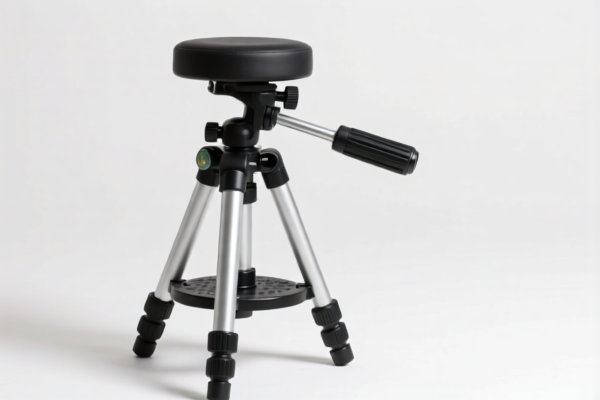
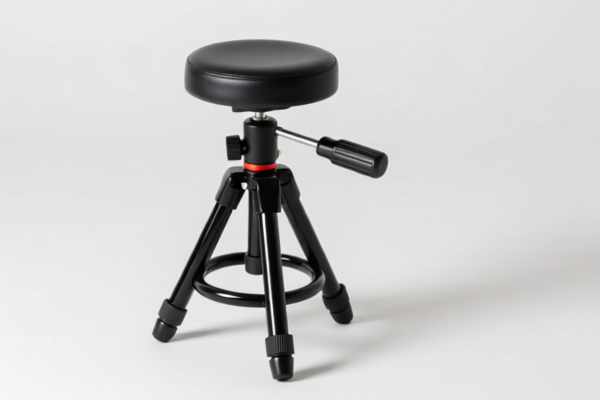
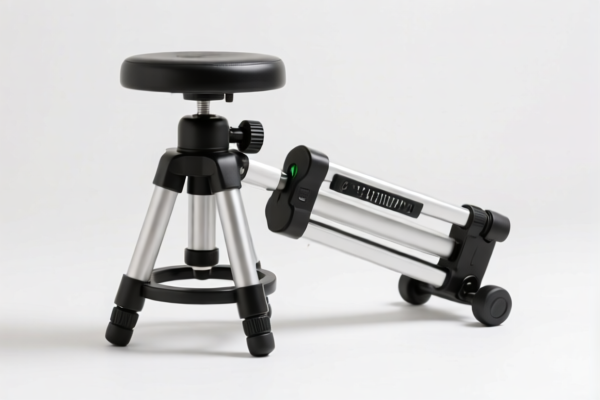
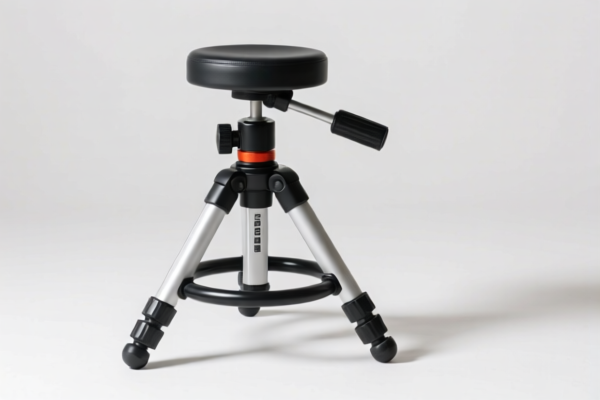
AI Analysis
🪑 Telescopic Stool (Telescoping Seat/Folding Stool)
🌐 HS Code Reference & Customs Clearance Guide | 2024-2026 Latest Tariff Analysis | Professional Clearance Strategy
📌 I. Product Definition & Classification: Do You Really Understand "Telescopic Stools"?
A telescopic stool is a portable seating solution characterized by adjustable height or folding legs, commonly used in camping, fishing, stage performances, or as portable household seating. In international trade, classification depends strictly on the primary material and design structure.
⚠️ Key Distinction Point:
- If made of Rubber or Plastics → Falls under Heading 9401 (Seats).
- If made of Metal → Falls under Heading 9403 (Other Furniture).
- If made of Plastics but used as a Ladder/Step stool → Might fall under Chapter 39 (Plastics Articles).🛑 Critical Note for This Data: The provided
<DATA>contains specific HS codes for Plastic Seats and Metal Furniture, but also includes Plastic Ladders. A "Telescopic Stool" is often ambiguous. We must distinguish between a seat and a ladder/step.
📦 II. HS Code Classification Details (Based on Provided Data)
| HS Code | Product Description | Applicable Scenario | Material |
|---|---|---|---|
9401.80.40.46 |
Seats of rubber or plastics: Other | Plastic Telescopic Stool (Seat): Portable, adjustable height, plastic body/legs. | Rubber/Plastic |
9401.80.60.30 |
Other seats: Other | Plastic/Mixed Telescopic Stool (Seat): If not strictly rubber/plastic body, or generic "other" seat. | Mixed/Plastic |
9403.20.00.50 |
Other metal furniture: Household: Other | Metal Telescopic Stool: Aluminum/Metal frame with plastic seat. | Metal/Aluminum/Copper |
3926.90.99.30 |
Other articles of plastics: Other Ladders | Plastic Telescopic Step/Ladder: If the "stool" is primarily used as a step-up or has ladder-like rungs. | Plastic |
3926.90.99.89 |
Other articles of plastics: Other | Plastic Stool (Non-Specific): If it doesn't fit "Seat" or "Ladder" perfectly. | Plastic |
9403.70.80.02 |
Other furniture: Furniture of plastics: Other | Plastic Furniture (Non-Seat): E.g., plastic storage stool or decorative plastic stand. | Plastic |
🔍 重点提醒 (Key Reminder):
- Metal vs. Plastic: If the frame is metal, it usually falls under9403. If the entire unit (including legs) is plastic, it falls under9401(if a seat) or3926(if a ladder/article).
- Seat vs. Ladder: If the product is marketed as a "Step Stool" with rungs, customs may classify it as a Ladder (3926.90.99.30) rather than a seat. This is a common classification trap.
💰 III. 2024-2026 Latest Tariff Rate Breakdown (Detailed Analysis)
✅ Applicable Country: United States (US)
✅ Country of Origin: China (CN)
✅ Validity: Current tariffs apply. Note: Additional tariffs (Section 301/IEEPA) are significant for these categories.
🎯 1. 9401.80.40.46 —— Plastic/Rubber Telescopic Stool (Seat)
| Item | Content |
|---|---|
| Basic Tariff | 0.0% (ad valorem) |
| Additional Tariff | +25.0% (Section 301) |
| Total Tax Rate | 25.0% |
| Tax Calculation | CIF Value × 25% |
| De Minimis Exemption | ❌ Not Eligible (Section 301 goods are generally excluded from de minimis if subject to high duties, though rules vary; assume NO for safety). |
| Legal Basis | USITC 9401.80.40.46 + Section 301 List. |
📌 Explanation:
- Plastic seats from China are subject to a 25% additional tariff.
- No base duty, so total is exactly 25%.
- Clearance Risk: Moderate. Ensure the description clearly states "Plastic Seat" to avoid misclassification as metal furniture.
🎯 2. 9401.80.60.30 —— Other Telescopic Stool (Seat)
| Item | Content |
|---|---|
| Basic Tariff | 0.0% |
| Additional Tariff | +25.0% |
| Total Tax Rate | 25.0% |
| Tax Calculation | CIF Value × 25% |
| De Minimis Exemption | ❌ Not Eligible |
| Legal Basis | USITC 9401.80.60.30 + Section 301 List. |
📌 Note: Same tariff structure as above. Used for plastic/mixed material stools that don't fall under the specific "rubber/plastic" sub-heading or are generic "other seats".
🎯 3. 9403.20.00.50 —— Metal Telescopic Stool (Household)
| Item | Content |
|---|---|
| Basic Tariff | 0.0% |
| Additional Tariff | +25.0% (Section 301) |
| Metal/Aluminum/Copper Surcharge | +50.0% (Specific surcharge for metal products) |
| Total Tax Rate | 75.0% |
| Tax Calculation | CIF Value × 75% |
| De Minimis Exemption | ❌ Not Eligible |
| Legal Basis | USITC 9403.20.00.50 + Section 301 + Metal Surcharge. |
🚨 CRITICAL WARNING:
- If your telescopic stool has any significant metal parts (frame, legs), it may be classified here.
- 75% Total Tariff! This is extremely high.
- Strategy: If possible, design the stool to be 100% plastic (no metal legs/frames) to avoid the 75% rate.
🎯 4. 3926.90.99.30 —— Plastic Telescopic Ladder/Step Stool
| Item | Content |
|---|---|
| Basic Tariff | 5.3% |
| Additional Tariff | +7.5% |
| Total Tax Rate | 12.8% |
| Tax Calculation | CIF Value × 12.8% |
| De Minimis Exemption | ❌ Not Eligible (Usually subject to additional duties if from China). |
| Legal Basis | USITC 3926.90.99.30 + Section 301. |
📌 Explanation:
- If classified as a "Ladder" or "Step" rather than a "Seat", the tariff is lower (12.8%).
- Strategy: If the product is ambiguous, arguing for "Ladder/Step" classification might reduce taxes, but requires strong product marketing (e.g., "Step Stool," "Accessories for Reaching High Places") and structural justification.
🎯 5. 3926.90.99.89 & 9403.70.80.02 —— Other Plastic Articles/Furniture
| Item | Content |
|---|---|
| Basic Tariff | 5.3% (for 3926) / 0.0% (for 9403.70) |
| Additional Tariff | 7.5% (for 3926) / 25.0% (for 9403.70) |
| Total Tax Rate | 12.8% (for 3926) / 25.0% (for 9403.70) |
| De Minimis Exemption | ❌ Not Eligible |
📌 Note:
-3926.90.99.89is a catch-all for plastic articles. Tax: 12.8%.
-9403.70.80.02is for other plastic furniture. Tax: 25.0%.
🛠️ IV. Customs Clearance Practical Advice (Avoid Pitfalls)
✅ 1. Documentation Checklist
| Document | Required? | Notes |
|---|---|---|
| ✅ Product Spec Sheet | ✔️ | Detail materials (100% Plastic? Metal Frame?). |
| ✅ Product Photos | ✔️ | Show the telescopic mechanism and seat structure. |
| ✅ Commercial Invoice | ✔️ | Clearly state "Telescopic Plastic Stool" or "Aluminum Telescopic Stool". |
| ✅ Packing List | ✔️ | Weight and dimensions. |
| ✅ Material Declaration | ✔️ | Explicitly state % of Plastic vs. Metal to justify HS Code. |
✅ 2. Classification Strategy (Key Trick)
🔥 "Metal Frame = 75% Tax. 100% Plastic Seat = 25% Tax. Plastic Step/Ladder = 12.8% Tax."
| Scenario | Recommended HS Code | Estimated Tax | Action |
|---|---|---|---|
| 100% Plastic Stool | 9401.80.40.46 |
25% | Best for general seating. |
| Plastic Step/Stair | 3926.90.99.30 |
12.8% | Lower tax. Market as "Step Stool" or "Camping Step". Ensure it has rungs or a ladder-like feature. |
| Metal Frame Stool | 9403.20.00.50 |
75% | Avoid if possible. High cost. Consider redesigning with all-plastic legs. |
✅ 3. Special Handling Tips
- De Minimis (Section 321): Products under $800 may still face inspection if classified under high-duty codes (like 75% or 25%). Ensure all paperwork is perfect.
- Material Breakdown: Customs may break down the product. If it's 90% plastic but has 10% metal screws, it might still be classified as metal furniture (
9403). Aim for 100% plastic construction to stay in Chapter 39 or 9401. - Marketing Name: Avoid just "Stool." Use "Telescoping Camping Seat" (for 9401) or "Telescoping Step Ladder" (for 3926) depending on your target classification.
🌍 V. Global Market Comparison (2024-2026)
| Market | Recommended HS Code | Tariff (China Origin) | Notes |
|---|---|---|---|
| 🇺🇸 USA | 9401.80.40.46 / 3926.90.99.30 |
25% / 12.8% | High duties due to Section 301. |
| 🇨🇳 China | 9401.80.40.46 |
5-8% | Low import duty for domestic market. |
| 🇪🇺 EU | 9401.80.40 / 3926.90.99 |
~3-5% | No major retaliatory tariffs on these goods. |
| 🇬🇧 UK | 9401.80.40 |
~3-5% | Post-Brexit tariffs are generally moderate. |
📌 Conclusion:
- The US market is the most challenging due to high additional tariffs.
- Cost Optimization: Redesigning the stool to be 100% plastic or marketing it as a step/ladder can significantly reduce duty rates (from 75% to 12.8%-25%).
📌 VI. Common Errors & Pitfalls (Lessons Learned)
❌ Error 1: Using a metal frame for a "plastic stool"
👉 Consequence: Classified as 9403.20.00.50 → 75% Tax.
👉 Fix: Use plastic telescopic legs.
❌ Error 2: Misclassifying a "Step Stool" as a "Ladder" incorrectly
👉 Consequence: Customs rejects the claim if it doesn't look like a ladder.
👉 Fix: Ensure the product has clear steps/rungs and market it accordingly.
❌ Error 3: Ignoring the "Metal Surcharge"
👉 Consequence: Underpaying 50% on metal furniture.
👉 Fix: Verify if any metal components trigger the 50% surcharge.
🎯 VII. Conclusion: Smart Design, Smart Clearance
🎯 Recap:
🔹 100% Plastic Seat → 25% Tax (
9401.80.40.46)
🔹 Plastic Step/Ladder → 12.8% Tax (3926.90.99.30)
🔹 Metal Frame → 75% Tax (9403.20.00.50)🔹 "Design for Duty: Plastic is your friend. Metal is your enemy."
📌 Pro Tip:
If you are exporting to the US, consider redesigning telescopic stools to be fully plastic or using the Step/Ladder classification to save up to 62% in tariffs. Always consult a customs broker for a Pre-Ruling before shipping high-value batches.
✨ Professional clearance starts with precise classification!
💼 Save costs, ensure compliance, and ship with confidence!
Customer Reviews
About HS Code Classification
The Harmonized System (HS) is an internationally standardized nomenclature developed by the World Customs Organization (WCO) to classify traded products. Over 200 countries use the HS system as the basis for customs tariffs, trade statistics, and import/export regulations.
Each HS code follows a hierarchical structure:
- Chapter (2 digits) — Broad category of goods (e.g., Chapter 84: Machinery and Mechanical Appliances)
- Heading (4 digits) — More specific grouping within the chapter
- Subheading (6 digits) — Internationally standardized breakdown, used by all WCO member countries
- National subdivisions (8-10 digits) — Country-specific extensions for further classification, such as US HTSUS 10-digit codes
Correct HS code classification is essential for smooth customs clearance, accurate duty payment, and compliance with trade regulations. Misclassification can lead to customs delays, overpayment of duties, or penalties.
When importing from CN to US, the applicable tariff rates may include:
- Most-Favored-Nation (MFN) rate — The standard duty rate applied to WTO members
- General rate — Applied to countries without trade agreements
- Trade remedy duties — Additional tariffs such as Section 301 (anti-dumping), Section 232 (national security), or countervailing duties
The information provided on this page is for reference purposes only. For official classification, please consult with your local customs authority or a licensed customs broker.