Tempered Glass vs Plastic Screen Protector
CN → US| HS Code | Tariff Rate | Origin | Destination | Doc |
|---|---|---|---|---|
| 7020004000 | 41.6% | CN | US | Official Doc |
| 7020006000 | 40.0% | CN | US | Official Doc |
| 8517790000 | 67.5% | CN | US | Official Doc |
Product Images
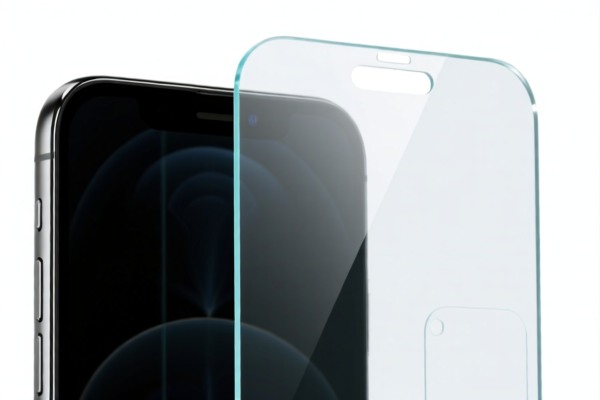
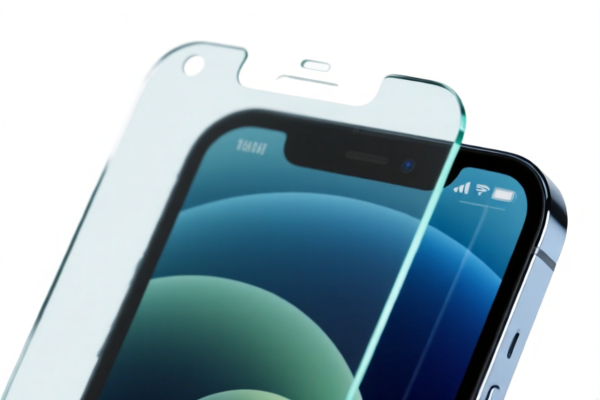
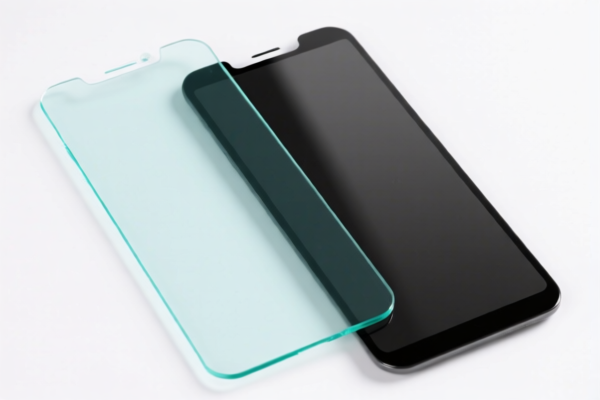
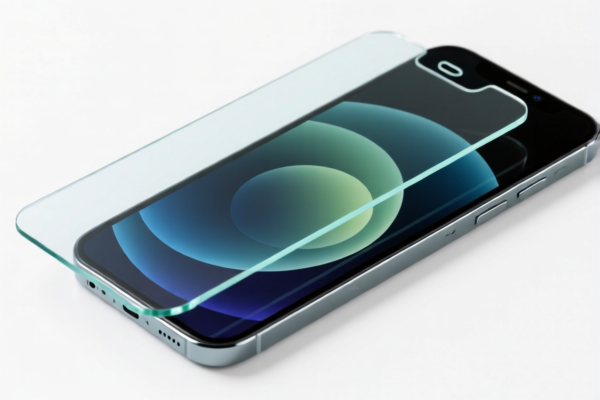
AI Analysis
🛡️ Tempered Glass vs. Plastic Screen Protector: The Ultimate Battle for Your Phone’s Soul
🌐 HS Code Reference & Customs Clearance Guide | 2026 Latest Tariff Analysis | Professional Clearance Strategies
📌 1. Product Definition and Classification: Do You Really Understand "Tempered Glass"?
Tempered glass screen protectors are the gold standard in smartphone protection, offering superior scratch resistance and optical clarity. However, when importing or classifying these products, the material composition and intended use determine the HS Code, which directly impacts your tariff burden. In international trade, these items are often disputed between "Other Glass Articles" and "Parts of Communication Equipment."
⚠️ Key Classification Distinction:
- If the protector is defined strictly as a glass article (material-centric) → Classified under Chapter 70 (Glass and Glassware).
- If the protector is defined as a functional component for mobile phones (use-centric) → Classified under Chapter 85 (Machinery, Electrical Equipment).
📦 2. HS Code Classification Details (Based on Provided Data)
| HS Code | Product Description | Classification Logic | Total Tax Rate |
|---|---|---|---|
7020.00.40.00 |
Tempered Glass Screen Protector (Glass Material) | Classified as "Other Glass Articles" based on material composition. | 41.6% |
7020.00.60.00 |
Tempered Glass Screen Protector (Glass Material) | Another sub-category under "Other Glass Articles." | 40.0% |
8517.79.00.00 |
Tempered Glass Screen Protector (Phone Accessory) | Classified as "Other Parts of Telephone Sets" based on intended use. | 67.5% |
🔍 Critical Insight:
- The Material-Based Classification (Chapter 70) results in significantly lower tariffs (40–41.6%).
- The Use-Based Classification (Chapter 85) triggers massive additional duties, reaching 67.5%.
- Why the difference? Customs authorities may view a screen protector not just as "glass," but as a specialized component of a communication device, triggering higher strategic tariffs.
💰 3. 2026 Latest Tariff Rate Breakdown (Including Additional Duties & Policy Surcharges)
✅ Applicable Country: USA (US)
✅ Origin: China (CN)
✅ Effective Time: Includes imports post-2025
🎯 1. 7020.00.40.00 —— Other Glass Articles (Glass Material)
| Item | Content |
|---|---|
| Base Rate | 6.6% |
| Section 301 Surcharge | +25.0% |
| Section 122 Tariff | +10.0% |
| Total Tax Rate | 41.6% |
| Tax Calculation | CIF Value × 41.6% |
| De Minimis Eligibility | ❌ No (Subject to high tariffs) |
| Legal Basis Path | Base Tariff → Section 301: 25% → Section 122: 10% |
📌 Explanation:
- This classification leverages the "Other Glass Articles" category to minimize the base rate to 6.6%.
- Even with 35% total additional duties (25% + 10%), it remains the more cost-effective option compared to Chapter 85.
🎯 2. 7020.00.60.00 —— Other Glass Articles (Glass Material)
| Item | Content |
|---|---|
| Base Rate | 5.0% |
| Section 301 Surcharge | +25.0% |
| Section 122 Tariff | +10.0% |
| Total Tax Rate | 40.0% |
| Tax Calculation | CIF Value × 40.0% |
| De Minimis Eligibility | ❌ No |
| Legal Basis Path | Base Tariff → Section 301: 25% → Section 122: 10% |
📌 Note:
- Slightly lower base rate (5.0%) makes this the most economical classification among the three.
- Still subject to the full 35% additional surcharge, but total liability is minimized.
🎯 3. 8517.79.00.00 —— Other Parts of Telephone Sets
| Item | Content |
|---|---|
| Base Rate | 0.0% |
| Section 301 Surcharge | +7.5% |
| Section 122 Tariff | +10.0% |
| Steel/Aluminum/Copper Surcharge | +50.0% |
| Total Tax Rate | 67.5% |
| Tax Calculation | CIF Value × 67.5% |
| De Minimis Eligibility | ❌ No |
| Legal Basis Path | Base Tariff → Section 301: 7.5% → Section 122: 10% → Steel/Alloy: 50% |
📌 Warning:
- Although the base rate is 0%, the 50% surcharge on steel/aluminum/copper products (or related classification triggers) drives the total to 67.5%.
- This is a punitive classification for phone accessories, making it extremely costly.
🛠️ 4. Customs Clearance Practical Advice (Real-World Pitfall Guide)
✅ 1. Documentation Checklist (Non-Negotiable)
| Document | Required | Purpose |
|---|---|---|
| ✅ Product Specification Sheet | ✔️ | Must explicitly state Material: Tempered Glass. Avoid words like "Phone Part" in primary description. |
| ✅ Material Composition Report | ✔️ | Prove it is 99% glass with minimal coating. Do not emphasize adhesive or electronic functions. |
| ✅ Product Photos | ✔️ | Show transparent, fragile nature. Avoid packaging that looks like "electronics accessories." |
| ✅ Commercial Invoice | ✔️ | Use description: "Tempered Glass Film for Smartphone, Pure Glass Material" |
| ✅ HS Code Pre-Ruling | ✔️ | Highly Recommended. Seek advance ruling to lock in Chapter 70 classification. |
✅ 2. Declaration Strategy (Key Mantras)
🔥 “Declare by Material, Not by Use! Glass is Glass, Not a Part!”
| Scenario | Correct Declaration | Wrong Declaration |
|---|---|---|
| Pure Glass Protector | 7020.00.40.00 / 7020.00.60.00 |
8517.79.00.00 → Save 25.9% Tax! |
| Glass + Plastic Adhesive | Still Glass if glass is main component | If plastic is emphasized → Risk of higher scrutiny |
| Screen Protector + Installation Kit | Declare glass separately if possible | If bundled, argue glass is the principal value |
| Electronic Touch-Sensitive Glass | Avoid 8517.79.00.00 if possible |
If it has sensors, customs may force Chapter 85 |
📌 Key Tip:
- Use "Glass Film" or "Glass Protector" in the name.
- Avoid "Part of Phone" or "Communication Device Accessory" in the primary description.
- Emphasize Materiality: "Made of Silica Glass, 9H Hardness, Transparent."
✅ 3. Special Cases & Risk Mitigation
| Situation | Handling Advice |
|---|---|
| Hybrid Protectors (Glass + Plastic) | If glass >50% by value/weight, argue for Chapter 70. Provide cost breakdown. |
| Packaging Looks Like Electronics | Use plain packaging. Avoid boxes with "For iPhone" in large font on the front. |
| Customs Challenges Classification | Submit a GRI 3(b) Argument: "Glass is the essential character, not the adhesive." |
Steel/Aluminum Claim under 8517.79.00.00 |
Ensure your product does not contain steel/aluminum frames or components to avoid the 50% surcharge. |
🌍 5. Global Market Comparison (2026 Latest)
| Country/Region | Recommended HS Code | Tax Rate | Certification | Notes |
|---|---|---|---|---|
| 🇺🇸 USA | 7020.00.40.00 |
41.6% | None | Cheapest option. Avoid 8517.79.00.00 (67.5%). |
| 🇨🇳 China | 7020.00.40.00 |
~5–7% | CCC | No additional surcharges. |
| 🇪🇺 EU | 7020.00.40.00 |
0–3% | CE/REACH | Low tariffs if classified as glass. |
| 🇬🇧 UK | 7020.00.40.00 |
0–3% | UKCA | Similar to EU. |
| 🇦🇺 Australia | 7020.00.40.00 |
5% | RCM | No major surcharges. |
📌 Conclusion:
- USA is the ONLY market with punitive tariffs on phone accessories.
- Classification as "Glass Article" saves ~25.9% in taxes vs. "Phone Part."
- China/EU/Australia: Classification matters less due to low base rates, but consistency is key.
📌 6. Common Mistakes & Pitfalls (Blood Lessons)
❌ Mistake 1: Declaring as "Phone Accessory"
👉 Consequence: Customs may reclassify under 8517.79.00.00 → Tax jumps from 41.6% to 67.5%.
❌ Mistake 2: Emphasizing "Electronic Function" in Description
👉 Consequence: Triggers Chapter 85 classification. Keep it passive (just a screen cover).
❌ Mistake 3: Ignoring Section 122 Tariff
👉 Consequence: Even with low base rate, 10% surcharge applies to China-origin glass. Factor this into pricing.
❌ Mistake 4: Bundling with Electronic Cables
👉 Consequence: Mixed shipment may lead to entire consignment being audited for electronics classification.
✅ Correct Practice:
"Tempered Glass Screen Protector, Pure Glass, 0.3mm, Clear, for Smartphone, Not Integrated with Circuitry"
🎯 7. Conclusion: Precision Classification Saves Money!
🎯 Remember the Mantra:
🔹 "Glass is Glass, Not a Part! Chapter 70, Not 85!"
🔹 "41.6% vs. 67.5% – A 25.9% Difference!"
🔹 "Declare Material, Not Use! Save Thousands!"
📌 Pro Tip:
- If you import large volumes, consider Customs Ruling Requests to lock in
7020.00.40.00.- For small shipments, ensure commercial invoices clearly state "Glass Material" and avoid "Electronic Part" language.
- Never declare as "Phone Part" if you can avoid it. The 50% steel/aluminum surcharge trap is real.
📣 Immediate Action:
📞 Consult a Customs Broker to review your product description.
📄 Update Invoice Templates to emphasize Glass Composition.
🚀 Optimize Your Supply Chain to avoid punitive tariffs and Boost Margins!
✨ Professional Clearance Starts with Accurate Classification!
💼 Your Every Dollar of Tax Savings is Worth the Extra 10 Minutes of Classification Review!
Customer Reviews
About HS Code Classification
The Harmonized System (HS) is an internationally standardized nomenclature developed by the World Customs Organization (WCO) to classify traded products. Over 200 countries use the HS system as the basis for customs tariffs, trade statistics, and import/export regulations.
Each HS code follows a hierarchical structure:
- Chapter (2 digits) — Broad category of goods (e.g., Chapter 84: Machinery and Mechanical Appliances)
- Heading (4 digits) — More specific grouping within the chapter
- Subheading (6 digits) — Internationally standardized breakdown, used by all WCO member countries
- National subdivisions (8-10 digits) — Country-specific extensions for further classification, such as US HTSUS 10-digit codes
Correct HS code classification is essential for smooth customs clearance, accurate duty payment, and compliance with trade regulations. Misclassification can lead to customs delays, overpayment of duties, or penalties.
When importing from CN to US, the applicable tariff rates may include:
- Most-Favored-Nation (MFN) rate — The standard duty rate applied to WTO members
- General rate — Applied to countries without trade agreements
- Trade remedy duties — Additional tariffs such as Section 301 (anti-dumping), Section 232 (national security), or countervailing duties
The information provided on this page is for reference purposes only. For official classification, please consult with your local customs authority or a licensed customs broker.