Tempered Shower Door
CN → US| HS Code | Tariff Rate | Origin | Destination | Doc |
|---|---|---|---|---|
| 7009915095 | 41.5% | CN | US | Official Doc |
| 7009925095 | 41.5% | CN | US | Official Doc |
| 7007110090 | 40.5% | CN | US | Official Doc |
| 7007190000 | 40.0% | CN | US | Official Doc |
Product Images
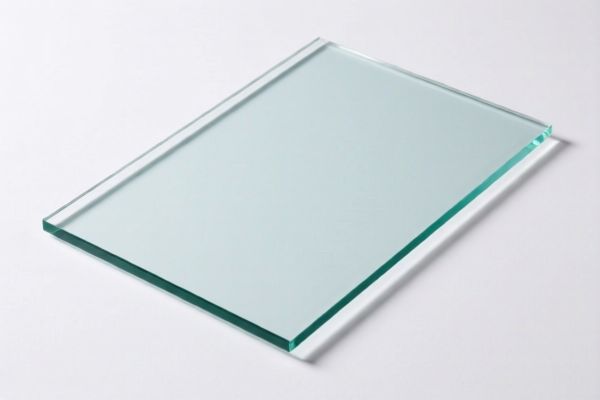
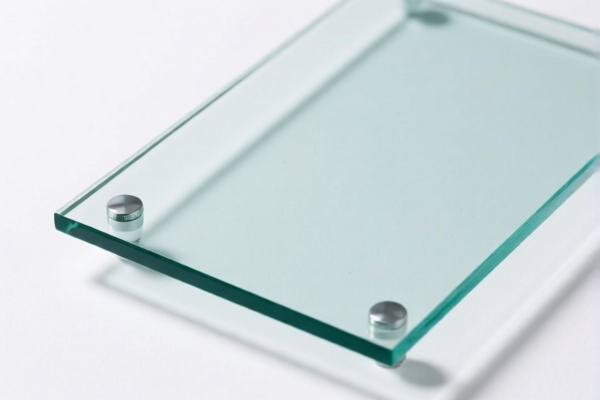
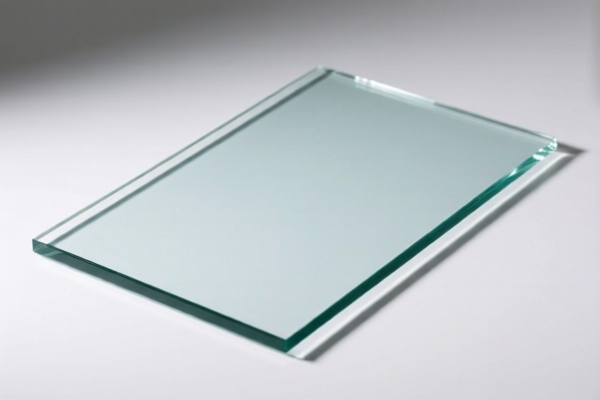
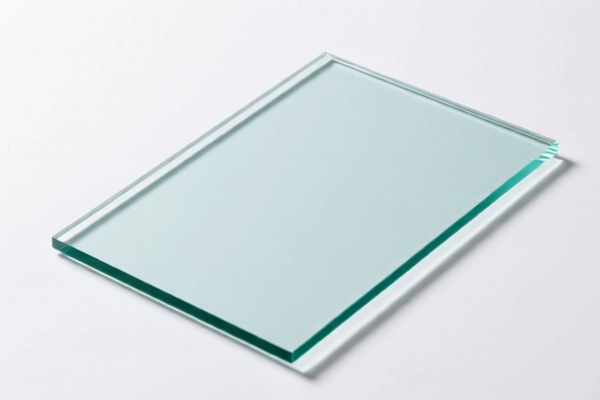
AI Analysis
🚿 Tempered Shower Door: HS Code Classification & US Customs Clearance Guide (2026)
🌐 HS Code Reference & Customs Strategy | 2026 Latest Tariff Analysis | Professional Clearance Tactics
📌 I. Product Definition & Classification: Do You Really Understand "Tempered Shower Door"?
Tempered shower doors are essential components of modern bathroom fixtures, providing safety and aesthetic appeal. In international trade, they are not a single monolithic category. The classification depends heavily on the material composition, structural form, and specific application.
Key Distinctions: 1. Mirrors vs. General Glass: If the glass has a reflective coating (silver/aluminum layer) on the back, it is classified as a mirror. 2. Safety Glass (Tempered): Shower doors must be tempered for safety. This places them under Chapter 70 (Glass and Glassware), specifically subheadings for safety glass or framed glass articles. 3. Framed vs. Unframed: Framed doors may fall under specific "framed glass" categories, while unframed or simple panels might fall under general safety glass categories.
⚠️ Critical Classification Point:
- If the glass acts as a mirror (reflective surface intended for looking at oneself) → 7009.91
- If the glass is a safety panel with a frame or structural purpose → 7009.92
- If the glass is a building material/safety glass (often unframed or simple panels) → 7007.11 / 7007.19
📦 II. HS Code Classification Details (2026 Latest Tariff Authority)
Based on the provided data, here are the four potential HS Codes for Tempered Shower Doors and their corresponding tax implications.
| HS Code | Product Description & Logic | Tax Rate | Tax Breakdown |
|---|---|---|---|
7009.91.50.95 |
Tempered Shower Door, Mirrored. Material is glass, classified under the mirror category. No conflicting categories found. | 41.5% | Base: 6.5% Add-on: 25.0% Section 122: 10% |
7009.92.50.95 |
Tempered Shower Door, Framed. Material is tempered glass, form is a framed glass article. Falls under the residual/catch-all category for framed glass. | 41.5% | Base: 6.5% Add-on: 25.0% Section 122: 10% |
7007.11.00.90 |
Tempered Shower Door, Building Glass. Material is tempered glass, belongs to building-use glass components. Falls under the "other" category. | 40.5% | Base: 5.5% Add-on: 25.0% Section 122: 10% |
7007.19.00.00 |
Tempered Shower Door, Safety Glass. Material is tempered glass, falls within the scope of safety glass. | 40.0% | Base: 5.0% Add-on: 25.0% Section 122: 10% |
🔍 Key Insight:
- The highest tax rate is 41.5% for mirrored or framed shower doors (7009.x).
- The lowest tax rate is 40.0% for generic safety glass panels (7007.19).
- The difference is 1.5%, which can be significant for high-volume shipments.
- Section 122 Tariff (10%) applies to all these categories for Chinese-origin goods, significantly increasing the total burden.
💰 III. 2026 Latest Tariff Rate Details (Including Surcharges)
✅ Applicable Country: United States (US)
✅ Country of Origin: China (CN)
✅ Effective Date: Current tariffs apply as per the 2026 tariff schedule.
🎯 1. 7009.91.50.95 & 7009.92.50.95 – Mirrored/Framed Shower Doors
| Item | Content |
|---|---|
| Base Duty | 6.5% (ad valorem) |
| USITC Surcharge | +25% (Section 301 tariffs) |
| Section 122 Surcharge | +10% (Specific to certain Chinese imports, often linked to anti-dumping/countervailing duties or specific trade actions) |
| Total Effective Rate | 41.5% |
| Tax Calculation | CIF Value × 41.5% |
| De Minimis Exemption | ❌ Not Applicable (High-value structural items are excluded) |
| Legal Basis | HTSUS 7009.91/92 + USITC Footnote 9903.88.01 + Section 122 Regulations |
📌 Explanation:
- These codes are often used when the shower door is framed or has a reflective/mirrored finish.
- The 10% Section 122 tariff is a critical cost driver. Ensure your supplier can provide proof of origin if any exemption applies (though rare for Chinese glassware).
🎯 2. 7007.11.00.90 – Building Glass Category
| Item | Content |
|---|---|
| Base Duty | 5.5% (ad valorem) |
| USITC Surcharge | +25% |
| Section 122 Surcharge | +10% |
| Total Effective Rate | 40.5% |
| Tax Calculation | CIF Value × 40.5% |
| De Minimis Exemption | ❌ Not Applicable |
| Legal Basis | HTSUS 7007.11 + USITC Footnote 9903.88.01 + Section 122 |
📌 Explanation:
- This code applies if the door is treated as a building component rather than a finished "door" or "mirror".
- It saves 0.5% compared to the 7009 codes.
🎯 3. 7007.19.00.00 – Safety Glass (Optimal Choice)
| Item | Content |
|---|---|
| Base Duty | 5.0% (ad valorem) |
| USITC Surcharge | +25% |
| Section 122 Surcharge | +10% |
| Total Effective Rate | 40.0% |
| Tax Calculation | CIF Value × 40.0% |
| De Minimis Exemption | ❌ Not Applicable |
| Legal Basis | HTSUS 7007.19 + USITC Footnote 9903.88.01 + Section 122 |
📌 Explanation:
- This is the most cost-effective classification (40.0%).
- It applies to tempered safety glass that does not strictly fit the "mirror" or "framed article" definitions.
- Strategy: If your shower door is unframed or has a minimal frame, argue for this classification as "Safety Glass" to save 1.5%.
🛠️ IV. Customs Clearance Practical Advice (Real-World Pitfall Avoidance)
✅ 1. Documentation Checklist (Non-Negotiable)
| Document | Required | Notes |
|---|---|---|
| ✅ Product Specification Sheet | ✔️ | Must state: "Tempered Glass," "Safety Glass," "Building Use." |
| ✅ Material Safety Data Sheet (MSDS) | ✔️ | Confirms chemical composition of the glass. |
| ✅ Product Photos | ✔️ | Clear images showing tempering marks (e.g., "Temp" or manufacturer logo on corners). |
| ✅ Commercial Invoice | ✔️ | Must match the HS Code description exactly. Avoid vague terms like "Glass Panel." |
| ✅ Packing List | ✔️ | Detail packaging to prevent damage claims. |
| ✅ Certificate of Origin | ✔️ | Essential for verifying Section 122 applicability. |
✅ 2. Declaration Tips (Key Mantras)
🔥 "Frame Defines Code, Tempering Saves Duty, Mirrors Cost More!"
| Scenario | Correct Declaration | Incorrect Declaration | Consequence |
|---|---|---|---|
| Unframed Tempered Door | 7007.19.00.00 (Safety Glass) |
7009.92.50.95 (Framed) |
Overpay by 1.5% |
| Mirrored Shower Door | 7009.91.50.95 (Mirror) |
7007.19.00.00 (Glass) |
Customs may reclassify, leading to penalties + back taxes |
| Framed Door | 7009.92.50.95 (Framed Article) |
7007.11.00.90 (Building Glass) |
Dispute over "framed" vs. "panel" status |
| Glass with Aluminum Frame | 7009.92.50.95 |
9403.20.00.00 (Furniture) |
Major Error: Glass doors are not furniture. |
✅ 3. Special Circumstances Handling
| Situation | Handling Advice |
|---|---|
| OEM Custom Doors | Provide design drawings to prove if it's a "panel" or "framed article." |
| Combined Shipping | If shipped with hinges/handles, declare as a single unit under the glass HS code. Do not split. |
| Damage in Transit | Tempered glass is fragile. Ensure packaging meets ISTA standards. Customs may inspect for tampering. |
| Pre-Ruling Request | Highly Recommended. File an Advance Ruling with CBP to lock in 7007.19.00.00 if applicable. |
🌍 V. Global Market Comparison (2026)
| Country/Region | Recommended HS Code | Estimated Duty | Certification | Notes |
|---|---|---|---|---|
| 🇺🇸 USA | 7007.19.00.00 |
40.0% | N/A | Highest due to Section 122 + 301. |
| 🇨🇳 China | 7007.19.00.00 |
~6.0-10% | CCC (if applicable) | Lower base duty, no Section 122. |
| 🇪🇺 EU | 7007.21.00.00 |
~5.0% | CE | No Section 122 equivalent. |
| 🇨🇦 Canada | 7007.21.00.00 |
~5.0% | N/A | Favorable under CUSMA if origin meets rules. |
| 🇲🇽 Mexico | 7007.21.00.00 |
~5.0% | NOM | Favorable under USMCA. |
📌 Conclusion:
- The US market is the most expensive for tempered glass products due to Section 122 (10%) and Section 301 (25%) surcharges.
- European and North American (non-US) markets offer significantly lower duty burdens.
📌 VI. Common Errors & Pitfalls (Lessons Learned)
❌ Error 1: Declaring a mirrored door as safety glass (7007.19) to save tax.
👉 Consequence: Customs will detect the reflective layer, reclassify to 7009.91, and charge the higher rate + penalties.
❌ Error 2: Ignoring Section 122.
👉 Consequence: If the 10% surcharge is missed, the shipment will be held for additional assessment and delay.
❌ Error 3: Vague Description: "Glass Door."
👉 Consequence: CBP may assign a default higher-duty code or request excessive documentation, causing delays.
❌ Error 4: Not proving Tempering.
👉 Consequence: Tempered glass is required for safety regulations. If it’s not tempered, it may be rejected or fined for safety non-compliance.
✅ Correct Approach:
"Tempered Safety Glass Shower Panel, Unframed, 8mm Thick, ANSI Z97.1 Compliant, Model XYZ, HS 7007.19.00.00"
🎯 VII. Conclusion: Professional Declaration, Cost Efficiency
🎯 Remember the Mantra:
🔹 "Unframed = 40%, Framed = 41.5%, Mirrored = 41.5%.
🔹 "Section 122 is the Silent Killer, Always Account for the 10%."
🔹 "Tempered Glass is a Safety Product, Declare with Precision."**
📌 Pro Tip:
If your supply chain allows, consider exporting to non-US markets first (e.g., Europe, Canada) to avoid the 40%+ US duty burden. For US imports, apply for a Pre-Ruling to secure the 7007.19.00.00 code if your product qualifies as unframed safety glass.
📣 Immediate Action:
📞 Contact a US Customs Broker
📄 Provide Product Specs & Photos
🚀 Secure Your HS Code, Protect Your Margin!
✨ Professional Clearance, Starting from Accurate Classification!
💼 Every Percent Saved is Pure Profit!
Customer Reviews
About HS Code Classification
The Harmonized System (HS) is an internationally standardized nomenclature developed by the World Customs Organization (WCO) to classify traded products. Over 200 countries use the HS system as the basis for customs tariffs, trade statistics, and import/export regulations.
Each HS code follows a hierarchical structure:
- Chapter (2 digits) — Broad category of goods (e.g., Chapter 84: Machinery and Mechanical Appliances)
- Heading (4 digits) — More specific grouping within the chapter
- Subheading (6 digits) — Internationally standardized breakdown, used by all WCO member countries
- National subdivisions (8-10 digits) — Country-specific extensions for further classification, such as US HTSUS 10-digit codes
Correct HS code classification is essential for smooth customs clearance, accurate duty payment, and compliance with trade regulations. Misclassification can lead to customs delays, overpayment of duties, or penalties.
When importing from CN to US, the applicable tariff rates may include:
- Most-Favored-Nation (MFN) rate — The standard duty rate applied to WTO members
- General rate — Applied to countries without trade agreements
- Trade remedy duties — Additional tariffs such as Section 301 (anti-dumping), Section 232 (national security), or countervailing duties
The information provided on this page is for reference purposes only. For official classification, please consult with your local customs authority or a licensed customs broker.