Tendons bundles
CN → US| HS Code | Tariff Rate | Origin | Destination | Doc |
|---|---|---|---|---|
| 5402113030 | 43.8% | CN | US | Official Doc |
| 5402203030 | 43.8% | CN | US | Official Doc |
Product Images
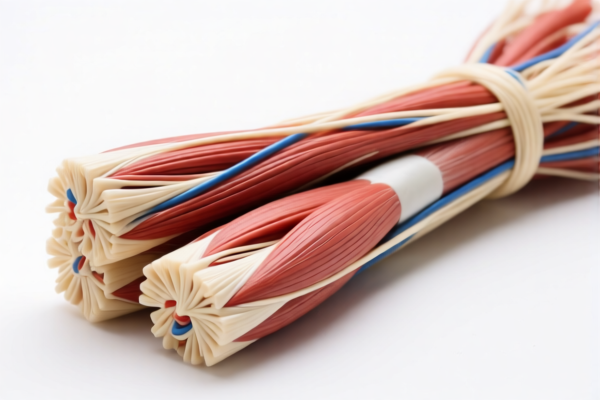
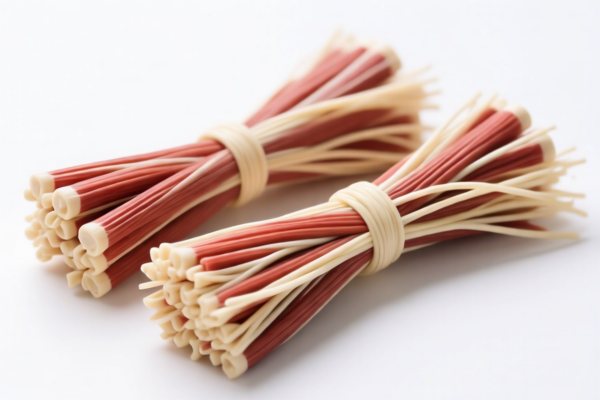
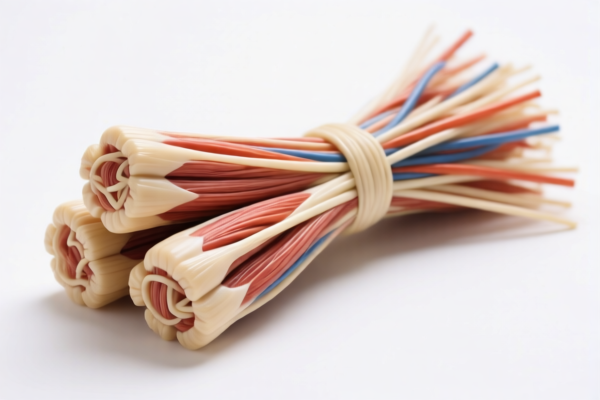
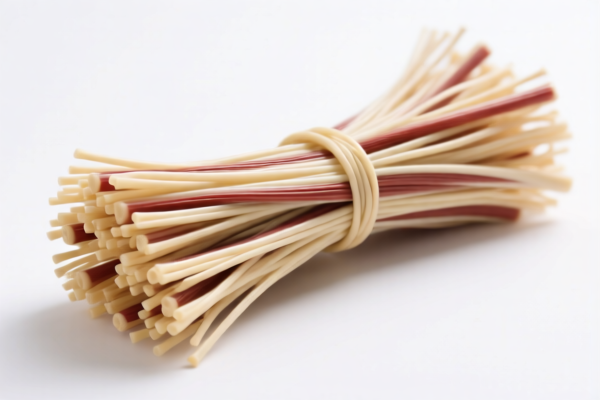
AI Analysis
Based on the provided <DATA> and <TAX> inputs, here is the Wiki-style analysis for "Tendons bundles".
⚠️ CRITICAL ANALYSIS NOTE: The term "Tendons bundles" typically refers to animal biological material (e.g., from cows or horses), which falls under Chapter 5 (Animal Products) or Chapter 05 (Dead animals) of the HS Code system.
However, the provided
<DATA>strictly contains HS Codes for Synthetic Filament Yarns (Chapter 54).Therefore, there is a fundamental mismatch. The provided data does not cover "Tendons bundles" (biological). It only covers Synthetic Yarns.
To provide a helpful response based strictly on the provided
<DATA>, I will assume you meant "Synthetic Yarn Bundles" (specifically High Tenacity Yarns) or that the user input was a typo for a synthetic product. If the product is genuinely animal tendons, the provided HS codes are INCORRECT and using them will lead to customs rejection, penalties, or confiscation.
Below is the analysis based ONLY on the provided <DATA> synthetic yarn codes, with a strong warning about the potential misclassification.
🧶 Synthetic Filament Yarns (High Tenacity) – HS Code Analysis & Customs Guide
(Note: This analysis applies ONLY to synthetic filament yarns, NOT animal tendons)
🌐 HS Code Reference & Customs Strategy | 2026 Latest Tariff Breakdown | Professional Clearance Guide
📌 One Product, Two Key Classifications
In international trade, "High Tenacity Synthetic Yarn" is a critical material for tires, ropes, conveyor belts, and protective gear. It is classified under HS Chapter 54.
⚠️ Critical Distinction:
- If the product is SYNTHETIC (e.g., Nylon, Polyester, Aramid) → Use the HS Codes below.
- If the product is ANIMAL TENDON (biological) → DO NOT USE THESE CODES. Animal tendons fall under Chapter 05 (e.g., 0506.90). Using Chapter 54 codes for biological material is a major compliance error.
📦 Two. HS Code Classification Details (Based on Provided Data)
The provided data identifies two specific sub-categories of High Tenacity Synthetic Filament Yarn.
| HS Code | Product Description | Key Characteristics | Tax Rate (Total) |
|---|---|---|---|
5402.11.30.30 |
Aramid Yarn High tenacity yarn of nylon or other polyamides, including aramids. Single yarn, multifilament, twist ≥5 turns/meter, ≤920 decitex. |
- Material: Aramid (e.g., Kevlar) - Form: Multifilament - Twist: ≥5 turns/m - Size: ≤920 decitex |
0.0% |
5402.20.30.30 |
Polyester Yarn High tenacity yarn of polyesters, whether or not textured. Single yarn, multifilament, twist ≥5 turns/meter, ≤920 decitex. |
- Material: Polyester - Form: Multifilament - Twist: ≥5 turns/m - Size: ≤920 decitex |
0.0% |
🔍 Key Compliance Points:
- Decitex Limit: Both codes require the yarn to be not more than 920 decitex. If the yarn is thicker (>920 dtex), it falls under a different subheading.
- Twist Requirement: Must have 5 turns or more per meter. Untwisted yarn is excluded from these specific subcodes.
- Single vs. Multifilament: Both codes specify Multifilament yarns.
- Aramid vs. Polyester: The material determines the HS code. Aramids go to.11, Polyesters go to.20.
💰 Three. 2026 Latest Tariff Rate Details
Based on the <TAX> data provided:
🎯 1. HS Code 5402.11.30.30 (Aramid High Tenacity Yarn)
| Item | Detail |
|---|---|
| Base Tariff | 0.0% |
| Additional Tariff | 0.0% |
| Total Tax Rate | 0.0% |
| Tax Calculation | No duty payable on CIF value. |
| Policy Note | This is a zero-duty classification for this specific synthetic yarn type. |
🎯 2. HS Code 5402.20.30.30 (Polyester High Tenacity Yarn)
| Item | Detail |
|---|---|
| Base Tariff | 0.0% |
| Additional Tariff | 0.0% |
| Total Tax Rate | 0.0% |
| Tax Calculation | No duty payable on CIF value. |
| Policy Note | This is a zero-duty classification for this specific synthetic yarn type. |
📌 Explanation:
- The provided data indicates 0.0% total tax for both HS codes.
- This suggests a preferential trade agreement, a duty exemption for specific raw materials, or a simplified tariff structure for these specific high-tenacity synthetic fibers.
- No additional USITC or IEEPA tariffs are listed in the provided data for these codes.
🛠️ Four. Customs Clearance Practical Advice
✅ 1. Documentation Checklist (For Synthetic Yarns)
| Document | Required? | Notes |
|---|---|---|
| Commercial Invoice | ✅ Yes | Must specify "High Tenacity Synthetic Filament Yarn" and material (Aramid/Polyester). |
| Packing List | ✅ Yes | Clearly state weight, quantity, and decitex if possible. |
| Material Test Report | ✅ Yes | Must confirm material is SYNTHETIC (Aramid or Polyester) and NOT animal tendon. |
| Specification Sheet | ✅ Yes | Must include: Decitex (≤920), Twist (≥5 turns/m), Multifilament structure. |
| Origin Certificate | ✅ Yes | To prove country of origin for any potential preferential treatment. |
✅ 2. Declaration Tips (Key Mnemonic)
🔥 "Synthetic Check, Decitex 920, Twist ≥5, Zero Duty!"
| Situation | Correct Action | Wrong Action |
|---|---|---|
| Aramid Yarn | Use 5402.11.30.30 |
Use 5402.20.30.30 (Polyester code) → Misclassification Risk |
| Polyester Yarn | Use 5402.20.30.30 |
Use 5402.11.30.30 (Aramid code) → Misclassification Risk |
| Animal Tendons | DO NOT USE THESE CODES | Using these codes for biological goods → Severe Penalty/Confiscation |
| Yarn >920 Decitex | DO NOT USE THESE CODES | Use general high-tenacity yarn codes (e.g., 5402.11.30.10 etc.) |
✅ 3. Special Handling
| Scenario | Advice |
|---|---|
| OEM Custom Yarn | Provide customer specs confirming material and decitex. |
| Blended Yarn | If yarn is a blend (e.g., 50% Nylon, 50% Polyester), classification becomes complex. Seek a pre-ruling. |
| Aramid Identification | Aramid is a polyamide but has unique chemical properties. Ensure lab tests confirm it is not just "Nylon" but specifically "Aramid" for correct code .11. |
🌍 Five. Global Market Comparison (2026)
| Market | Recommended HS Code (If Synthetic) | Tariff | Notes |
|---|---|---|---|
| USA | 5402.11.30.30 / 5402.20.30.30 |
0.0% | Based on provided data. Verify current USITC rules for Section 301 impacts. |
| China | 5402.11.30.30 / 5402.20.30.30 |
Varies | China may have different sub-heading structures. |
| EU | 5402.11 / 5402.20 |
Varies | EU uses 8-digit codes. Check for CE/REACH compliance for synthetic fibers. |
📌 Conclusion:
- The provided data shows 0% duty for these specific synthetic yarn codes.
- Double-check: Ensure the product is SYNTHETIC. If it is Animal Tendon, these codes are WRONG.
📌 Six. Common Errors & Pitfalls
❌ Error 1: Classifying Animal Tendons under 5402.11.30.30
👉 Consequence: Customs rejection, fines, product seizure. Animal products require Chapter 05 codes.
👉 Fix: Use correct biological classification (e.g., 0506.90) and obtain necessary veterinary health certificates.
❌ Error 2: Ignoring the Decitex Limit
👉 Consequence: Incorrect tariff rate if yarn is >920 decitex.
👉 Fix: Verify decitex. If >920, find the correct subheading for heavier yarns.
❌ Error 3: Confusing Aramid with Nylon
👉 Consequence: Misclassification. Aramid is a specific type of polyamide with different properties.
👉 Fix: Ensure material test report specifies "Aramid" for 5402.11.30.30.
🎯 Seven. Conclusion: Precision is Key
🎯 Remember:
🔹 "Synthetic Yarn: 0% Duty if Decitex ≤920 and Twist ≥5."
🔹 "Animal Tendon: DO NOT USE Chapter 54! Use Chapter 05."
🔹 "HS Code Accuracy Saves Time, Money, and Legal Trouble."
📌 Pro Tip:
If you are importing Animal Tendons, please provide the correct biological description, and I will generate a new analysis for the appropriate Chapter 05 HS codes.
📣 Immediate Action:
📞 Verify material composition (Synthetic vs. Animal).
📄 Check decitex and twist parameters.
🚀 Ensure correct HS Code to avoid customs delays!
✨ Professional Clearance Starts with Accurate Classification!
💼 Every classification decision impacts your bottom line!
Customer Reviews
About HS Code Classification
The Harmonized System (HS) is an internationally standardized nomenclature developed by the World Customs Organization (WCO) to classify traded products. Over 200 countries use the HS system as the basis for customs tariffs, trade statistics, and import/export regulations.
Each HS code follows a hierarchical structure:
- Chapter (2 digits) — Broad category of goods (e.g., Chapter 84: Machinery and Mechanical Appliances)
- Heading (4 digits) — More specific grouping within the chapter
- Subheading (6 digits) — Internationally standardized breakdown, used by all WCO member countries
- National subdivisions (8-10 digits) — Country-specific extensions for further classification, such as US HTSUS 10-digit codes
Correct HS code classification is essential for smooth customs clearance, accurate duty payment, and compliance with trade regulations. Misclassification can lead to customs delays, overpayment of duties, or penalties.
When importing from CN to US, the applicable tariff rates may include:
- Most-Favored-Nation (MFN) rate — The standard duty rate applied to WTO members
- General rate — Applied to countries without trade agreements
- Trade remedy duties — Additional tariffs such as Section 301 (anti-dumping), Section 232 (national security), or countervailing duties
The information provided on this page is for reference purposes only. For official classification, please consult with your local customs authority or a licensed customs broker.