Tennis Ball
CN → US| HS Code | Tariff Rate | Origin | Destination | Doc |
|---|---|---|---|---|
| 9503000090 | 10.0% | CN | US | Official Doc |
| 9503000013 | 10.0% | CN | US | Official Doc |
| 9506610000 | 17.5% | CN | US | Official Doc |
| 9506598060 | 21.5% | CN | US | Official Doc |
Product Images
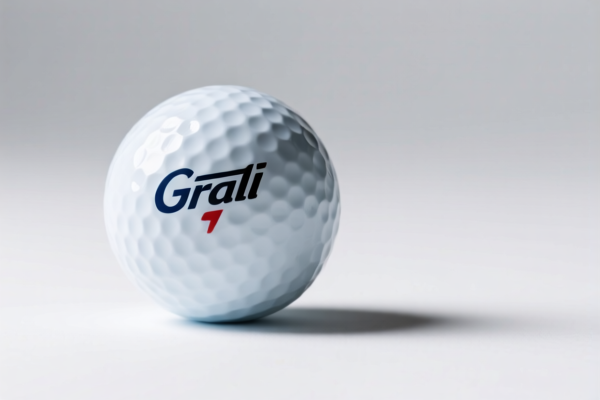
AI Analysis
🎾 Tennis Balls (Tennis Rackets, Balls & Accessories)
🌐 HS Code Reference & Customs Clearance Guide | 2024-2025 Latest Tariff Analysis | Strategic Clearance Strategy
📌 I. Product Definition & Classification: Do You Really Know "Tennis Balls"?
A Tennis Ball is a rubber sphere covered in felt, used in the game of tennis. In international trade, the classification depends heavily on material composition, intended use, and specific subheading definitions. Misclassification can lead to significant tax discrepancies and customs delays.
⚠️ Key Classification Distinction:
- Sporting Goods (Chapter 95): If the ball is specifically designed for tennis, it typically falls under 9506.61.
- General Sports Accessories (Chapter 95): If not specifically listed as "Tennis Balls," it may fall under 9506.59.
- Toys/Novelties (Chapter 95): If marketed as a toy, rubber ball, or non-standard sports item, it may fall under 9503.00.
📦 II. HS Code Classification Details (Latest Tariff Schedule)
The following HS Codes are derived from the provided data. Each entry includes the rationale for classification and the associated tax structure.
| HS Code | Product Description | Rationale for Classification | Total Tax Rate | Tax Breakdown |
|---|---|---|---|---|
9506.61.00.00 |
Tennis Balls (Specific) | Tennis balls are classified under "Balls for general playground, sports or outdoor games." This is the most accurate match for standard tennis balls. | 17.5% | • Base Tariff: 0.0% • Section 301 (Add-on): 7.5% • Section 122 Tariff: 10% |
9506.59.80.60 |
Other Sports Articles | Classified as "Other sports goods and equipment." This is a fallback category if the item does not strictly meet the "Tennis Ball" definition or is grouped with other general sports accessories. | 21.5% | • Base Tariff: 4.0% • Section 301 (Add-on): 7.5% • Section 122 Tariff: 10% |
9503.00.00.90 |
Other Toys/Sports Items | Classified under "Other toys, reduced-size (scale) models and similar recreational models, working models; puzzles of all kinds." Fits the category of unlisted sports/recreational equipment. | 10.0% | • Base Tariff: 0.0% • Section 301 (Add-on): 0.0% • Section 122 Tariff: 10% |
9503.00.00.13 |
Rubber/Inflatable Toy Balls | Classified as "Rubber or synthetic rubber inflatable toys/balls." Applicable if the ball is made of rubber/synthetic material and marketed as a toy or generic hit-ball rather than professional sports gear. | 10.0% | • Base Tariff: 0.0% • Section 301 (Add-on): 0.0% • Section 122 Tariff: 10% |
🔍 Critical Insight:
-9506.61.00.00is the standard professional classification for tennis balls.
-9503codes may attract lower base tariffs (0%) but still incur the 122 Tariff (10%).
-9506.59.80.60is the highest tax liability due to the 4% base tariff.
💰 III. Tariff Rate Detailed Explanation (US Import Context)
✅ Applicable Market: United States (US)
✅ Origin: Likely China (CN) - Assumed based on "Section 122" and "Section 301" references in data
✅ Key Tariff Components:
1. Base Tariff (MFN): Standard Most Favored Nation rate (0% or 4% depending on subheading).
2. Section 301 Tariff: Additional duties imposed on Chinese goods (7.5% in this dataset).
3. Section 122 Tariff: Additional duties under 19 U.S.C. § 1677j (10% in this dataset).
🎯 1. 9506.61.00.00 – Tennis Balls (Best Match)
| Component | Rate | Notes |
|---|---|---|
| Base Tariff | 0.0% | Free under MFN |
| Section 301 | +7.5% | Additional duty on Chinese goods |
| Section 122 | +10.0% | Additional duty under 19 U.S.C. § 1677j |
| Total Effective Rate | 17.5% | Most common classification for standard tennis balls |
📌 Explanation:
- This code is specifically for balls used in sports like tennis, basketball, etc.
- Despite a 0% base rate, the 17.5% total is significant. Importers must account for this in pricing.
- No de minimis exemption for Section 301/122 duties in most cases for commercial shipments.
🎯 2. 9506.59.80.60 – Other Sports Goods
| Component | Rate | Notes |
|---|---|---|
| Base Tariff | 4.0% | Standard duty for other sports articles |
| Section 301 | +7.5% | Additional duty on Chinese goods |
| Section 122 | +10.0% | Additional duty under 19 U.S.C. § 1677j |
| Total Effective Rate | 21.5% | Highest tax burden |
📌 Explanation:
- This code is broader and includes sports items not specifically listed elsewhere.
- The 4% base tariff makes this option more expensive than9506.61.
- Avoid this code unless the product does not fit the "ball" definition.
🎯 3. 9503.00.00.90 & 9503.00.00.13 – Toys / Rubber Balls
| Component | Rate | Notes |
|---|---|---|
| Base Tariff | 0.0% | Free under MFN |
| Section 301 | 0.0% | Exempt from Section 301 in this dataset |
| Section 122 | +10.0% | Additional duty under 19 U.S.C. § 1677j |
| Total Effective Rate | 10.0% | Lowest tax rate |
📌 Explanation:
- These codes classify the item as a toy or rubber ball.
- Risk: If CBP determines the item is a sports article (not a toy), this classification is incorrect and may result in penalties.
- Opportunity: If the tennis ball is marketed as a children's toy or non-professional play item, this code may be applicable, saving 7.5% compared to9506.61.
🛠️ IV. Customs Clearance Practical Advice (Pitfall Avoidance Guide)
✅ 1. Documentation Checklist
| Document | Required? | Purpose |
|---|---|---|
| Commercial Invoice | ✔️ | Must clearly state "Tennis Balls" and HS Code. |
| Packing List | ✔️ | Details quantity, weight, and packaging type. |
| Product Description | ✔️ | Specify material (rubber/felt), size, and intended use (professional vs. toy). |
| Certificate of Origin | ✔️ | Confirms country of origin for Section 301/122 application. |
| Labeling | ✔️ | Must include "Made in [Country]" and safety warnings if marketed as a toy. |
✅ 2. Classification Strategy
🔥 "Match Intent, Not Just Material"
| Scenario | Recommended HS Code | Reason |
|---|---|---|
| Professional Tennis Balls | 9506.61.00.00 |
Specifically designed for tennis matches/training. |
| Tennis Balls for Kids/Training | 9503.00.00.13 |
If marketed as toys or non-regulation balls, may qualify for 10% rate. |
| Unspecified Sports Balls | 9506.59.80.60 |
If not clearly tennis balls, fallback to general sports goods. |
| Rubber Play Balls (Not Tennis) | 9503.00.00.13 |
Generic rubber balls, not for tennis. |
✅ 3. Special Considerations
| Issue | Solution |
|---|---|
| Section 122 Tariff | Applies to most goods from China. Budget for 10% regardless of HS Code. |
| Section 301 Exclusion | Check if your product has a specific exclusion number. In this data, Section 301 is 7.5% for sports goods. |
| Toy vs. Sport | If using 9503, ensure marketing materials reflect "Toy" status to avoid CBP reclassification. |
| De Minimis | Small shipments (< $800) may be exempt from duties, but Section 122 may still apply. Verify current rules. |
🌍 V. Global Market Comparison (2024-2025)
| Market | Recommended HS Code | Total Tariff (Est.) | Notes |
|---|---|---|---|
| 🇺🇸 USA | 9506.61.00.00 |
17.5% | Includes Section 301 & 122. |
| 🇨🇳 China | 9506.61.00.00 |
~0-5% | Import duties may vary; check current FTA rates. |
| 🇪🇺 EU | 9506.61.00.00 |
~0% | Most EU countries have 0% duty on sports goods. |
| 🇬🇧 UK | 9506.61.00.00 |
~0% | Post-Brexit, duties remain low for sports goods. |
📌 Conclusion:
- USA is the most complex market due to additional tariffs.
- EU/UK offer more favorable tariff structures.
- China may offer lower import duties but higher export complexity.
📌 VI. Common Mistakes & Pitfalls
❌ Mistake 1: Classifying professional tennis balls as Toys (9503) without justification.
👉 Result: CBP reclassification, penalties, and back-taxes.
✅ Fix: Clearly mark as "Sports Equipment" for professional use.
❌ Mistake 2: Using 9506.59 for standard tennis balls.
👉 Result: Overpayment of 4% base tariff.
✅ Fix: Use 9506.61 for standard tennis balls.
❌ Mistake 3: Ignoring Section 122 Tariff.
👉 Result: Underestimating landed cost.
✅ Fix: Include 10% in cost calculations for all Chinese-origin goods.
🎯 VII. Conclusion: Smart Classification Saves Money
🎯 Key Takeaway:
🔹 Professional Tennis Balls: Use
9506.61.00.00(17.5% total).
🔹 Toy/Non-Standard Balls: Use9503.00.00.13(10% total) if justified.
🔹 Avoid9506.59unless necessary (21.5% total).
📌 Pro Tip:
- Always verify the Section 301 Exclusion List for your specific product.
- Consult a licensed customs broker for Advance Rulings if uncertain.
- Keep product samples and marketing materials handy to justify classification.
📣 Action Item:
📞 Engage a customs broker to confirm HS Code.
📄 Prepare detailed product descriptions.
💰 Calculate landed cost including 17.5% (USA) or 10% (Toy).
✨ Precision in Classification, Profit in Clearance!
💼 Your Supply Chain, Optimized.
Customer Reviews
About HS Code Classification
The Harmonized System (HS) is an internationally standardized nomenclature developed by the World Customs Organization (WCO) to classify traded products. Over 200 countries use the HS system as the basis for customs tariffs, trade statistics, and import/export regulations.
Each HS code follows a hierarchical structure:
- Chapter (2 digits) — Broad category of goods (e.g., Chapter 84: Machinery and Mechanical Appliances)
- Heading (4 digits) — More specific grouping within the chapter
- Subheading (6 digits) — Internationally standardized breakdown, used by all WCO member countries
- National subdivisions (8-10 digits) — Country-specific extensions for further classification, such as US HTSUS 10-digit codes
Correct HS code classification is essential for smooth customs clearance, accurate duty payment, and compliance with trade regulations. Misclassification can lead to customs delays, overpayment of duties, or penalties.
When importing from CN to US, the applicable tariff rates may include:
- Most-Favored-Nation (MFN) rate — The standard duty rate applied to WTO members
- General rate — Applied to countries without trade agreements
- Trade remedy duties — Additional tariffs such as Section 301 (anti-dumping), Section 232 (national security), or countervailing duties
The information provided on this page is for reference purposes only. For official classification, please consult with your local customs authority or a licensed customs broker.