Terpene Oil Mixture
CN → US| HS Code | Tariff Rate | Origin | Destination | Doc |
|---|---|---|---|---|
| 2905225050 | 39.8% | CN | US | Official Doc |
| 2905225010 | 39.8% | CN | US | Official Doc |
| 3824999330 | 40.0% | CN | US | Official Doc |
| 3824999310 | 40.0% | CN | US | Official Doc |
| 2902190050 | 35.0% | CN | US | Official Doc |
Product Images
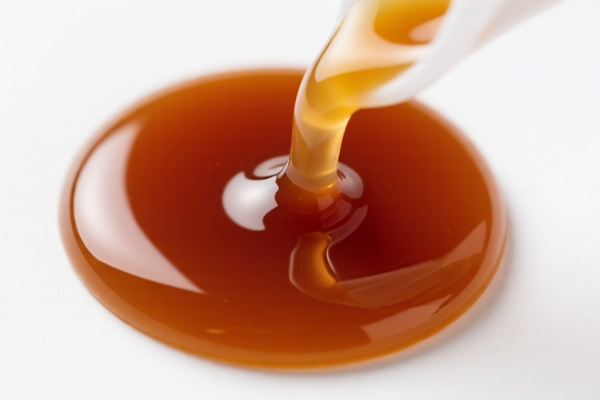
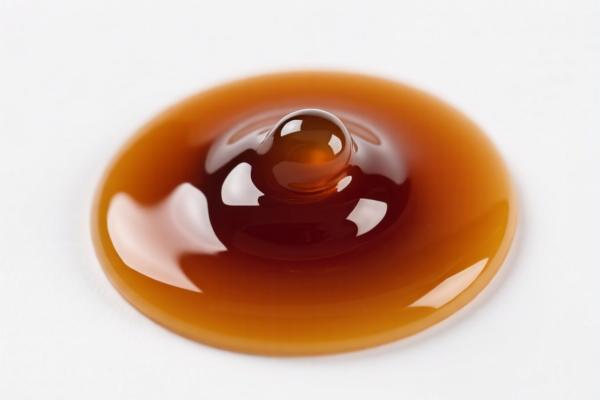
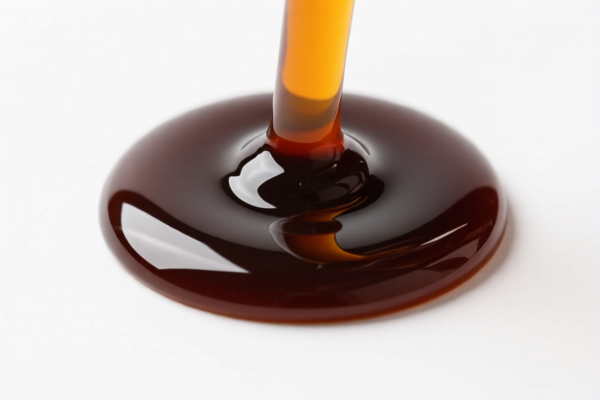
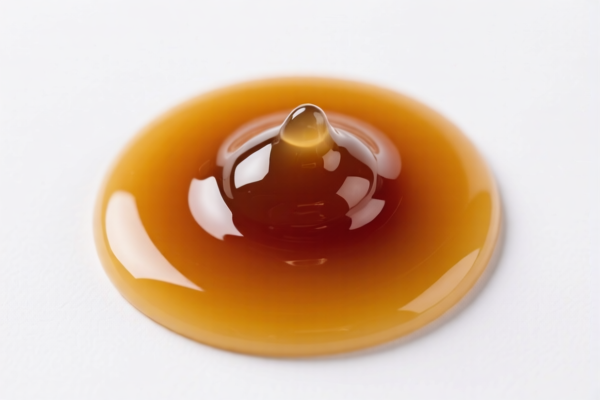
AI Analysis
🧪 Terpene Oil Mixture (Terpene Alcohol/Oil Complexes)
🌐 HS Code Reference & Customs Clearance Guide | 2026 Latest Tariff Analysis | Professional Clearance Strategy
📌 I. Product Definition & Classification: What Exactly is a "Terpene Oil Mixture"?
Terpene Oil Mixtures are complex chemical compounds derived from natural sources (such as pine, citrus, or cannabis) or synthesized industrially. They are primarily used in fragrances, flavorings, solvents, and as intermediates for other chemical syntheses.
In international trade, they are often misunderstood. They are not simple essential oils (Chapter 33) nor simple hydrocarbons (Chapter 27/29). Their classification depends heavily on their chemical structure (acyclic vs. cyclic), functional groups (alcohol vs. hydrocarbon), and purity.
⚠️ Key Distinction Point:
- If the mixture contains terpene alcohols (hydroxyl group -OH), it generally falls under Chapter 29 (Organic Chemicals).
- If it is a complex mixture of cyclic terpenes used primarily as solvents, it may fall under Chapter 29 or Chapter 38 (Miscellaneous Chemical Products).
- If it is a non-alcohol, non-purified hydrocarbon mixture, it might be classified under Chapter 38 as a miscellaneous chemical product.
📦 II. HS Code Classification Details (2026 Latest Tariff Authority Comparison)
| HS Code | Product Description | Applicable Scenario | Chemical Nature |
|---|---|---|---|
2905.22.50.50 |
Terpene alcohol mixture, matching chain-like terpene alcohol materials, fitting the "other" category fallback attribute | Complex mixtures of linear terpene alcohols not specified elsewhere | ✅ Terpene Alcohols (Acyclic/Linear) |
2905.22.50.10 |
Terpene alcohol mixture, matching acyclic terpene alcohol materials, belonging to the category of similar chemical substances | Mixtures dominated by acyclic structures (e.g., linalool, geraniol blends) | ✅ Terpene Alcohols (Acyclic) |
3824.99.93.30 |
Terpene alcohol mixture, matching non-cyclic, mono-hydroxy, unsubstituted alcohol mixture material characteristics | Complex mixtures of non-cyclic mono-alcohols used as industrial chemicals | ⚠️ Classified as Miscellaneous Chemical (Chapter 38 fallback) |
3824.99.93.10 |
Terpene alcohol mixture, matching non-cyclic, mono-hydroxy, unsubstituted alcohols, with carbon chains of C11 or lower | Smaller chain non-cyclic terpene alcohols (e.g., certain monoterpenes) | ⚠️ Classified as Miscellaneous Chemical (Chapter 38 fallback) |
2902.19.00.50 |
Terpene oil reaction solvent, matching cyclic terpene materials, fitting the "other cyclic hydrocarbon" fallback attribute as a reaction solvent | Cyclic terpenes (e.g., limonene, pinene) used primarily as solvents | ✅ Cyclic Hydrocarbons/Terpenes |
🔍 Key Reminder:
- Alcohol Content Matters: If the product is primarily a terpene alcohol, look to HS 2905.
- Solvent Use: If it is a cyclic terpene used as a solvent, it may fall under HS 2902.
- Miscellaneous Fallback: If the mixture is complex, non-purified, or does not fit specific chemical subheadings, it may fall under HS 3824 (Miscellaneous chemical products), which often carries different tax implications.
💰 III. 2026 Latest Tariff Rate Breakdown (Including Additional Taxes, Policy Add-ons)
✅ Applicable Country: United States (US)
✅ Origin: China (CN)
✅ Effective Date: From November 10, 2025 (and subsequent imports)
🎯 1. 2905.22.50.50 & 2905.22.50.10 —— Terpene Alcohol Mixtures (Acyclic/Chain-like)
| Item | Content |
|---|---|
| Base Duty Rate | 4.8% (ad valorem) |
| Section 301 Additional Duty | +25.0% (From USITC Footnote) |
| Section 122 IEEPA Additional Duty | +10.0% (Targeting China/HK products, from Nov 10, 2025) |
| Total Rate | 39.8% |
| Tax Calculation | CIF Value × 39.8% |
| De Minimis Eligibility | ❌ No (deny_de_minimis) |
| Legal Basis Path | IEEPA:9903.01.25 → USITC:2905.22.50.50 → FOOTNOTE:301 |
📌 Explanation:
- 4.8% Base Duty: Standard Most Favored Nation (MFN) rate for organic chemicals.
- 25% Section 301 Duty: The standard US-China trade war tariff on many chemical products.
- 10% IEEPA Duty: A new or updated additional tariff under the International Emergency Economic Powers Act targeting specific Chinese chemical imports.
- Total 39.8%: This is a very high tariff rate. Cost planning must account for this significant increase.
🎯 2. 3824.99.93.30 & 3824.99.93.10 —— Miscellaneous Terpene Alcohol Mixtures (Non-cyclic, Mono-hydroxy)
| Item | Content |
|---|---|
| Base Duty Rate | 5.0% (ad valorem) |
| Section 301 Additional Duty | +25.0% (From USITC Footnote) |
| Section 122 IEEPA Additional Duty | +10.0% (Targeting China/HK products, from Nov 10, 2025) |
| Total Rate | 40.0% |
| Tax Calculation | CIF Value × 40.0% |
| De Minimis Eligibility | ❌ No (deny_de_minimis) |
| Legal Basis Path | IEEPA:9903.01.25 → USITC:3824.99.93.30 → FOOTNOTE:301 |
📌 Note:
- These codes are in Chapter 38 (Miscellaneous Chemical Products).
- Although the base duty is slightly higher (5.0% vs 4.8%), the total rate is effectively the same due to the fixed add-on taxes.
- Misclassification here from Chapter 29 could lead to audits if the product clearly fits the chemical definition of terpenoid alcohols.
🎯 3. 2902.19.00.50 —— Terpene Oil Reaction Solvent (Cyclic Terpenes)
| Item | Content |
|---|---|
| Base Duty Rate | 0.0% (ad valorem) |
| Section 301 Additional Duty | +25.0% (From USITC Footnote) |
| Section 122 IEEPA Additional Duty | +10.0% (Targeting China/HK products, from Nov 10, 2025) |
| Total Rate | 35.0% |
| Tax Calculation | CIF Value × 35.0% |
| De Minimis Eligibility | ❌ No (deny_de_minimis) |
| Legal Basis Path | IEEPA:9903.01.25 → USITC:2902.19.00.50 → FOOTNOTE:301 |
📌 Advantage:
- This code has a 0% base duty, making it 5.0% cheaper than the terpene alcohol codes.
- However, strict criteria apply: The product must be primarily cyclic terpenes (like limonene, pinene) and used primarily as a solvent or reaction medium.
- If the product contains significant alcohol groups, misclassifying it here could be considered fraud.
🛠️ IV. Customs Clearance Practical Advice (Practical Pitfall Avoidance Guide)
✅ 1. Required Documentation Checklist (None can be omitted)
| Material | Must Provide | Explanation |
|---|---|---|
| ✅ Product Specification Sheet | ✔️ | Must detail chemical composition, % of active ingredients, CAS numbers if applicable. |
| ✅ Structure Diagram/Chemical Formula | ✔️ | Critical for distinguishing between Acyclic Alcohols (2905) vs. Cyclic Hydrocarbons (2902). |
| ✅ Product Photos (Labeling) | ✔️ | Clear view of the container, label, and any hazard symbols. |
| ✅ Third-Party Test Report | ✔️ | GC-MS (Gas Chromatography-Mass Spectrometry) report proving chemical composition. |
| ✅ Commercial Invoice | ✔️ | Must explicitly state "Terpene Alcohol Mixture" or "Terpene Solvent" – do not use vague terms like "Essential Oil". |
| ✅ Certificate of Origin (CO) | ✔️ | If not from China, may qualify for lower tariffs. |
| ✅ Packing List | ✔️ | Detail net/gross weight, volume, and packaging type. |
✅ 2. Declaration Tips (Key Mantra)
🔥 “Know your structure: Alcohol goes to 2905, Solvent to 2902, Mixture to 3824. Be precise, avoid audits!”
| Situation | Correct Declaration Method | Wrong Action |
|---|---|---|
| Primary component is Terpene Alcohol (e.g., Linalool) | 2905.22.50.10 or 2905.22.50.50 |
Declare as "Essential Oil" (Ch33) → High risk of rejection |
| Primary component is Cyclic Terpene (e.g., Limonene) used as Solvent | 2902.19.00.50 |
Declare as "Alcohol Mixture" → Higher tax (39.8% vs 35.0%) |
| Complex, Non-purified Mixture with unclear dominant structure | 3824.99.93.30 or 3824.99.93.10 |
Vague declaration "Chemical Mixture" → Delays and penalties |
| Pure Terpene Hydrocarbon (No Oxygen) | Not in this dataset (Likely 2902 or 2710) | Forcing it into Alcohol codes → Legal risk |
✅ 3. Special Case Handling
| Situation | Handling Advice |
|---|---|
| OEM/Private Label | Provide the original supplier’s spec sheet. Do not rely solely on your brand name. |
| "Natural" vs. "Synthetic" | Customs cares about chemical structure, not origin (natural/synthetic). Both can be HS 2905. |
| Mixed Packaging | If shipped in drums, ensure the label matches the invoice description exactly. |
| High Purity (>99%) | Ensure the HS code reflects the specific chemical nature, not just "high purity." |
🌍 V. Global Main Market Customs Comparison (2026 Latest)
| Country/Region | Recommended HS Code | Tariff (China Origin) | Certification Requirements | Notes |
|---|---|---|---|---|
| 🇺🇸 USA | 2905.22.50.10 / 2902.19.00.50 |
35.0% - 40.0% | SDS (Safety Data Sheet) | High tariffs due to 301 & IEEPA. |
| 🇨🇳 China | 2905.22.50 |
~4.8% | N/A | Lower base duty. |
| 🇪🇺 EU | 2905.22 |
~6.5% | REACH Registration | No Section 301, but REACH is strict. |
| 🇬🇧 UK | 2905.22 |
~6.5% | UK REACH | Post-Brexit regulations apply. |
| 🇯🇵 Japan | 2905.22 |
~5.0% | JIS Standards | Generally lower tariffs. |
📌 Conclusion:
- USA is the most expensive market for Terpene Oil Mixtures due to the 35-40% total tariff.
- EU and Japan offer significantly lower base tariffs but have strict environmental/chemical regulations (REACH, JIS).
- Cost Optimization: If possible, consider sourcing from countries with Free Trade Agreements (FTAs) with the US, or re-evaluate the supply chain.
📌 VI. Common Mistakes & Pitfall Guide (Blood & Tears Lessons)
❌ Mistake 1: Declaring as "Essential Oil" (Chapter 33)
👉 Consequence: Customs will reclassify to Chapter 29/38. Back taxes + penalty.
👉 Why: Essential oils are generally for aromatherapy/fragrance. Industrial chemical mixtures are chemicals.
❌ Mistake 2: Confusing "Terpene Alcohol" with "Terpene Hydrocarbon"
👉 Consequence: Misclassification. Alcohols (2905) and Hydrocarbons (2902) have different chemical definitions.
👉 Fix: Use GC-MS reports to prove the functional group.
❌ Mistake 3: Ignoring the "Cyclic" vs. "Acyclic" distinction
👉 Consequence: Wrong subheading within 2905. 2905.22.50.10 (Acyclic) vs 2905.22.50.50 (Other).
👉 Fix: Check the molecular structure. Acyclic = straight chain (e.g., Linalool). Cyclic = ring structure (e.g., Terpineol).
✅ Correct Practice:
"Terpene Alcohol Mixture, Acyclic, Chemical Grade, CAS: XXXX-XX-X, For Industrial Solvent Use, Made in China"
🎯 VII. Conclusion: Professional Declaration, Save Time and Money!
🎯 Remember the Mantra:
🔹 "Alcohol is 2905, Solvent is 2902, Mixture is 3824."
🔹 "35% to 40% is the US reality, plan your cost accordingly!"
🔹 "GC-MS Report is your best friend, don't guess, measure!"
📌 Pro Tip:
- If your product is a solvent and is cyclic, 2902.19.00.50 is your best deal (35.0% total).
- If it is an alcohol, you are stuck with 39.8% - 40.0%.
- Always provide a detailed chemical composition report to support your HS Code selection.
📣 Immediate Action:
📞 Contact your customs broker with the GC-MS Report.
📄 Apply for a Pre-Ruling (Advance Ruling) if possible to lock in the HS Code.
🚀 Optimize your supply chain to mitigate the high US tariff burden.
✨ Professional Customs Clearance Starts with Precise Classification!
💼 Every percent of tariff is profit lost. Get it right!
Customer Reviews
About HS Code Classification
The Harmonized System (HS) is an internationally standardized nomenclature developed by the World Customs Organization (WCO) to classify traded products. Over 200 countries use the HS system as the basis for customs tariffs, trade statistics, and import/export regulations.
Each HS code follows a hierarchical structure:
- Chapter (2 digits) — Broad category of goods (e.g., Chapter 84: Machinery and Mechanical Appliances)
- Heading (4 digits) — More specific grouping within the chapter
- Subheading (6 digits) — Internationally standardized breakdown, used by all WCO member countries
- National subdivisions (8-10 digits) — Country-specific extensions for further classification, such as US HTSUS 10-digit codes
Correct HS code classification is essential for smooth customs clearance, accurate duty payment, and compliance with trade regulations. Misclassification can lead to customs delays, overpayment of duties, or penalties.
When importing from CN to US, the applicable tariff rates may include:
- Most-Favored-Nation (MFN) rate — The standard duty rate applied to WTO members
- General rate — Applied to countries without trade agreements
- Trade remedy duties — Additional tariffs such as Section 301 (anti-dumping), Section 232 (national security), or countervailing duties
The information provided on this page is for reference purposes only. For official classification, please consult with your local customs authority or a licensed customs broker.