Test Hook
CN → US| HS Code | Tariff Rate | Origin | Destination | Doc |
|---|---|---|---|---|
| 7326190080 | 87.9% | CN | US | Official Doc |
| 7326908688 | 87.9% | CN | US | Official Doc |
| 9031905900 | 35.0% | CN | US | Official Doc |
| 9031909195 | 85.0% | CN | US | Official Doc |
| 8308100000 | 0.0% | CN | US | Official Doc |
| 3926902500 | 24.0% | CN | US | Official Doc |
Product Images
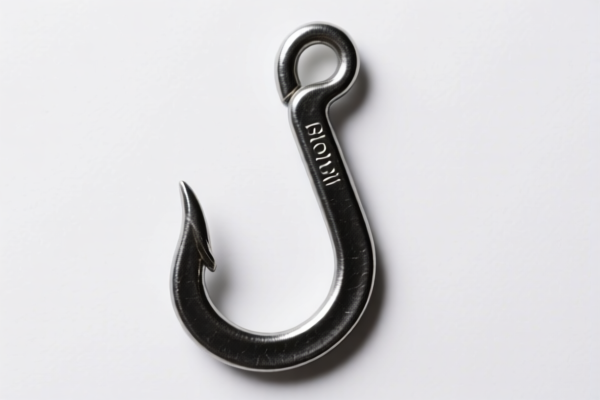
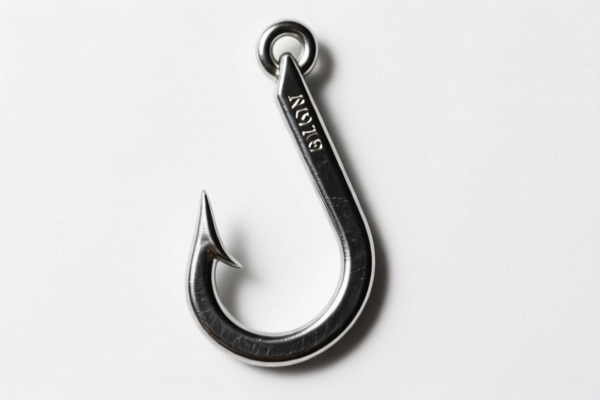
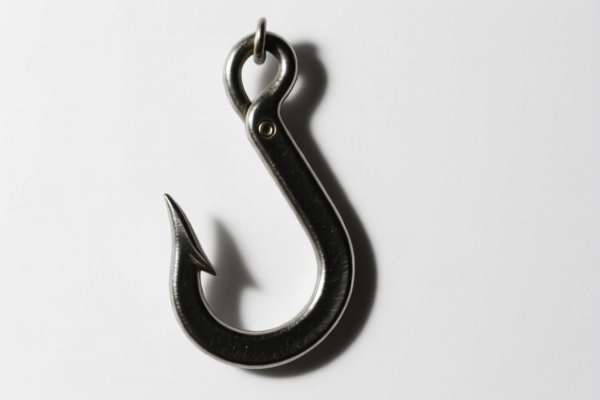

AI Analysis
🖥️ Test Hook (Test Leads & Probes)
🌐 HS Code Reference & Customs Clearance Guide | 2026 Latest Tariff Analysis | Professional Clearance Strategy
📌 I. Product Definition & Classification: Do You Really Know a "Test Hook"?
A Test Hook (also known as a test lead, probe, or grabber) is a critical accessory used in electronics testing, specifically for connecting oscilloscopes, multimeters, and other measurement instruments to circuit boards or components. In international trade, it is rarely classified as a standalone electronic device but rather as an attachment or component depending on its material and primary function.
Key Distinction Logic: * Plastic Components: If the item is primarily a small plastic connector or housing, it may fall under Chapter 39. * Steel/Steel-Alloy Hooks: If the functional part is a metal hook (often stainless steel or brass-plated steel) used for gripping, it falls under Chapter 73 (Articles of Iron or Steel). * Attachment to Instruments: If classified strictly as an accessory for a measuring instrument (like an oscilloscope probe tip), it may fall under Chapter 90.
⚠️ Critical Classification Points:
- Metal Hooks/Clips: Strongly linked to 7326 (Other articles of iron or steel).
- Purely Plastic Parts: Linked to 3926 (Other articles of plastic).
- Instrument Accessories: Linked to 9031 (Parts and accessories for measuring/checking instruments).
📦 II. HS Code Classification Details (2026 Latest Tariff Authority Comparison)
Based on the provided data, the following HS Codes apply depending on the specific material composition and functional classification of the "Test Hook":
| HS Code | Product Description | Applicable Scenario | Material/Function |
|---|---|---|---|
7326.19.00.80 |
Articles of iron or steel, other (Metal-based classification) | Steel hooks, alligator clips, or metal grips on test leads. | ✅ Metal (Steel/Iron) |
7326.90.86.88 |
Other articles of iron or steel | General steel test accessories, brackets, or non-specific metal test parts. | ✅ Metal (Steel/Iron) |
9031.90.59.00 |
Parts and accessories of instruments (Non-specific) | Attachments for testing rigs or measurement platforms, not strictly for handheld multimeters. | ✅ Instrument Accessory |
9031.90.91.95 |
Other parts and accessories for measuring/checking instruments | Specialized probe tips or accessories for precision measurement devices. | ✅ Instrument Accessory |
8308.10.00.00 |
Clasps, frames with clasps, buckles, buckle-clasps, hooks... (Base metal) | Metal hooks used as fasteners or simple gripping tools (less precise than instrument probes). | ✅ Hardware/Fastener |
3926.90.25.00 |
Other articles of plastic (Small attachments) | Plastic insulators, caps, or handles for test hooks, or entirely plastic test clips. | ✅ Plastic |
🔍 Key Reminder:
- Metal Test Hooks (the actual gripping part) are often classified under 7326 because they are "articles of iron or steel." This triggers high Section 232 or Section 301 tariffs if imported from China. - Plastic Components alone fall under 3926, which may have lower tariff rates but must be separated from the metal parts for accurate declaration. - Instrument Accessories (9031) are complex; if the hook is a specialized tip for an oscilloscope, it might be 9031, but many customs officers default to 7326 for simple metal hooks.
💰 III. 2026 Latest Tariff Rate Breakdown (Including Surcharges & Policy Add-ons)
✅ Applicable Country: United States (US)
✅ Country of Origin: China (CN)
✅ Effective Date: November 10, 2025 (for subsequent imports)
🎯 1. 7326.19.00.80 & 7326.90.86.88 —— Steel/Iron Test Hooks
| Item | Content |
|---|---|
| Base Tariff | 2.9% (ad valorem) |
| Section 301 Surcharge | +25.0% (Trade Act of 1974, Section 301) |
| Section 232 / 122 Surcharge | +10% (Steel, Aluminum, Copper Articles) OR +50% (Specific Steel/Aluminum/Copper products) |
| Total Effective Rate | 87.9% |
| Tax Calculation | CIF Value × 87.9% |
| De Minimis Eligibility | ❌ Not Eligible (deny_de_minimis) |
| Legal Path | USITC:7326.xxxx → Section 301: 25% → Section 232/122: 10-50% |
📌 Explanation:
- These HS codes are for metal test hooks.
- Steel products from China are subject to a 25% Section 301 tariff AND additional duties under Section 232 or specific 122 provisions (10% or up to 50% for certain steel/aluminum/copper items).
- Combined Rate: 87.9%. This is a prohibitive tariff.
- Warning: If the hook is made of steel, expect the 50% steel surcharge in some interpretations, leading to even higher costs.
🎯 2. 9031.90.59.00 —— Accessory for Testing Rigs
| Item | Content |
|---|---|
| Base Tariff | 0.0% |
| Section 301 Surcharge | +25.0% |
| Section 122 Surcharge | +10% (Steel/Aluminum/Copper articles) |
| Total Effective Rate | 35.0% |
| Tax Calculation | CIF Value × 35.0% |
| De Minimis Eligibility | ❌ Not Eligible |
| Legal Path | USITC:9031.90.59.00 → Section 301: 25% → Section 122: 10% |
📌 Explanation:
- If the test hook is classified as a general accessory for a testing table/rig (not a precision instrument), it may avoid the higher steel-specific surcharges, but still faces 35% total tariffs.
🎯 3. 9031.90.91.95 —— Accessory for Measuring Instruments
| Item | Content |
|---|---|
| Base Tariff | 0.0% |
| Section 301 Surcharge | +25.0% |
| Section 122 Surcharge | +50% (Steel/Aluminum/Copper articles) |
| Total Effective Rate | 85.0% |
| Tax Calculation | CIF Value × 85.0% |
| De Minimis Eligibility | ❌ Not Eligible |
| Legal Path | USITC:9031.90.91.95 → Section 301: 25% → Section 122: 50% |
📌 Explanation:
- If classified as a precision instrument accessory and deemed to contain steel/aluminum/copper components, it may be hit with the 50% steel surcharge on top of the 25% Section 301.
- Total: 85.0%.
🎯 4. 8308.10.00.00 —— Metal Hooks (Hardware Classification)
| Item | Content |
|---|---|
| Base Tariff | 1.1¢/kg + 2.9% |
| Section 301 Surcharge | +25.0% |
| Section 122 Surcharge | +10% |
| Total Effective Rate | 2.9% + 25% + 10% + 1.1¢/kg |
| De Minimis Eligibility | ❌ Not Eligible |
📌 Explanation:
- This code is for hooks, buckles, and clasps made of base metal.
- If the test hook is seen as a fastener/hardware rather than an instrument part, it uses this code.
- Total Rate: Approx 37.9% (plus weight-based fee). This might be cheaper than 7326 if the 50% steel surcharge doesn't apply here.
🎯 5. 3926.90.25.00 —— Plastic Test Hook Parts
| Item | Content |
|---|---|
| Base Tariff | 6.5% |
| Section 301 Surcharge | +7.5% |
| Section 122 Surcharge | +10% |
| Total Effective Rate | 24.0% |
| De Minimis Eligibility | ❌ Not Eligible |
| Legal Path | USITC:3926.90.25.00 → Section 301: 7.5% → Section 122: 10% |
📌 Explanation:
- Plastic test hooks or insulators.
- Total Rate: 24.0%.
- This is the most favorable tariff among the options if the product is purely plastic or if you can separate plastic parts for declaration.
🛠️ IV. Customs Clearance Practical Advice (Real-World Pitfall Guide)
✅ 1. Preparation Checklist (No Exceptions)
| Document | Must Provide | Notes |
|---|---|---|
| ✅ Product Specification Sheet | ✔️ | Detail: Material (Steel/Plastic), Dimensions, Load Capacity. |
| ✅ Material Composition Statement | ✔️ | Crucial! Must specify % of Steel vs. Plastic vs. Copper. |
| ✅ High-Res Photos | ✔️ | Show the metal hook, plastic handle, and any connectors clearly. |
| ✅ Function Description | ✔️ | Is it for an oscilloscope? A multimeter? Or a general fastener? |
| ✅ Commercial Invoice | ✔️ | Clearly state "Test Hook for Electronic Testing" or "Metal Hook". |
| ✅ Packing List | ✔️ | Separate steel and plastic items if possible for better classification. |
✅ 2. Declaration Strategy (Key Mantra)
🔥 “Material Matters: Steel = 87%, Plastic = 24%, Hardware = 38%!”
| Scenario | Correct HS Code | Wrong Approach | Consequence |
|---|---|---|---|
| All-Steel Hook | 7326.19.00.80 or 7326.90.86.88 |
Declare as "Plastic Accessory" | High Risk of Audit & Penalty |
| Plastic Handle Only | 3926.90.25.00 |
Mixed with steel in one line | Higher Tax on Plastic Part |
| Precision Probe Tip | 9031.90.91.95 |
Declare as "General Hardware" | 85% Tax vs. Potentially Lower if Misclassified |
| Simple Metal Clip | 8308.10.00.00 |
Declare as "Instrument Part" | 38% Tax (Savings!) |
✅ 3. Special Handling Cases
| Situation | Recommendation |
|---|---|
| Hybrid Hooks (Metal + Plastic) | Declare as composite goods. If steel is essential, use 7326. If plastic is the main body, argue for 3926. Consult a broker. |
| OEM Custom Test Hooks | Provide design files. If custom-made for a specific machine, argue for 9031 (Instrument Accessory). |
| Low-Value Shipments | ❌ No De Minimis Exemption. All these codes are deny_de_minimis. Even $1 items are taxed. |
| Steel vs. Stainless Steel | Clarify if it is "Stainless Steel." Some stainless steel items have different duty rates under Section 232. |
🌍 V. Global Market Comparison (2026 Update)
| Country/Region | Recommended HS Code | Tariff (China Origin) | Certification | Notes |
|---|---|---|---|---|
| 🇺🇸 USA | 7326.19.00.80 / 3926.90.25.00 |
87.9% (Steel) / 24% (Plastic) | None | Highest tariffs globally. |
| 🇨🇳 China | 7326.19.00.80 |
~5-7% | CCC (if electronic) | Low import duty. |
| 🇪🇺 EU | 7326.90.98 |
~4-6% | CE, RoHS | No Section 301 equivalent. |
| 🇬🇧 UK | 7326.90.98 |
~4-6% | UKCA | Similar to EU. |
📌 Conclusion:
- USA is the most expensive market for test hooks due to Section 301 and Section 232 tariffs.
- Plastic hooks (3926) are significantly cheaper to import into the US than steel hooks (7326).
- Hardware hooks (8308) may offer a tax loophole if they can be classified as general fasteners rather than instrument parts.
📌 VI. Common Mistakes & Pitfalls (Lessons Learned)
❌ Mistake 1: Declaring a steel test hook as a "plastic accessory" to avoid tariffs.
👉 Result: Customs inspection reveals metal content → 87.9% tax + penalties + seizure risk.
❌ Mistake 2: Using "Electronic Component" as the product name.
👉 Result: Customs may classify under Chapter 85 (Electrical) with unknown rates, leading to delays.
❌ Mistake 3: Assuming De Minimis ($800 threshold) applies.
👉 Result: Denial. All listed HS codes are deny_de_minimis. Every shipment is taxed.
✅ Best Practice:
"Test Hook, 50mm Length, Stainless Steel Tip, Plastic Insulator, for Oscilloscope Use, Model XYZ"
🎯 VII. Conclusion: Precision in Classification Saves Money!
🎯 Key Takeaway:
🔹 Steel Test Hooks: Expect 87.9% tariffs in the US.
🔹 Plastic Test Hooks: Expect 24% tariffs.
🔹 Hardware-Style Hooks: Can drop to ~38% if classified as8308.
🔹 No De Minimis! Even small shipments are taxed.
📌 Pro Tip:
If you are importing large volumes, consider:
1. Sourcing plastic components separately if the steel hook is only a small part.
2. Applying for an Advance Ruling with US Customs to confirm if your specific test hook qualifies for 8308 (Hardware) instead of 7326 (Steel Articles).
3. Supplier Diversification: Look for suppliers in Vietnam, Mexico, or Thailand for plastic components to leverage lower tariffs.
📣 Immediate Action:
📞 Engage a licensed US customs broker.
📄 Provide material specs and photos.
🚀 Optimize your HS Code to save 50-60% in tariffs!
✨ Professional Customs Clearance Starts with Accurate Classification!
💼 Your Cost Savings Are Directly Proportional to Your Declaration Accuracy!
Customer Reviews
About HS Code Classification
The Harmonized System (HS) is an internationally standardized nomenclature developed by the World Customs Organization (WCO) to classify traded products. Over 200 countries use the HS system as the basis for customs tariffs, trade statistics, and import/export regulations.
Each HS code follows a hierarchical structure:
- Chapter (2 digits) — Broad category of goods (e.g., Chapter 84: Machinery and Mechanical Appliances)
- Heading (4 digits) — More specific grouping within the chapter
- Subheading (6 digits) — Internationally standardized breakdown, used by all WCO member countries
- National subdivisions (8-10 digits) — Country-specific extensions for further classification, such as US HTSUS 10-digit codes
Correct HS code classification is essential for smooth customs clearance, accurate duty payment, and compliance with trade regulations. Misclassification can lead to customs delays, overpayment of duties, or penalties.
When importing from CN to US, the applicable tariff rates may include:
- Most-Favored-Nation (MFN) rate — The standard duty rate applied to WTO members
- General rate — Applied to countries without trade agreements
- Trade remedy duties — Additional tariffs such as Section 301 (anti-dumping), Section 232 (national security), or countervailing duties
The information provided on this page is for reference purposes only. For official classification, please consult with your local customs authority or a licensed customs broker.