Testing machines for hardness, tensile strength, compressibility, elasticity
CN → US| HS Code | Tariff Rate | Origin | Destination | Doc |
|---|---|---|---|---|
| 9031200000 | 36.7% | CN | US | Official Doc |
| 9024100000 | 35.0% | CN | US | Official Doc |
| 9024800000 | 35.0% | CN | US | Official Doc |
| 8479899595 | 37.5% | CN | US | Official Doc |
| 9031808085 | 35.0% | CN | US | Official Doc |
Product Images
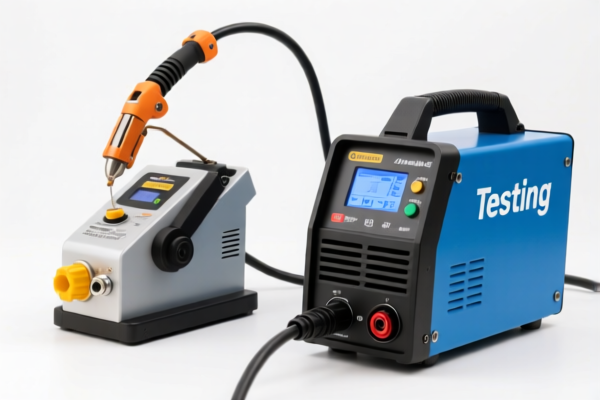
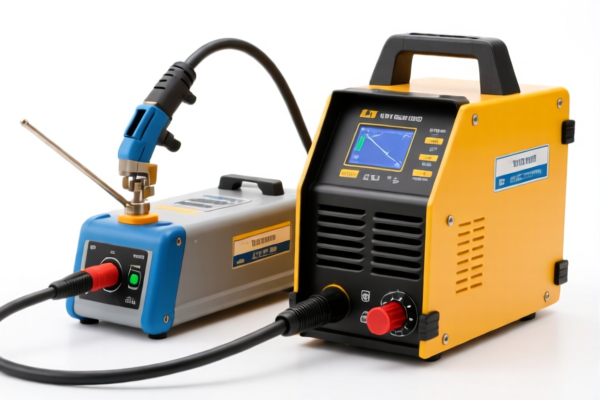
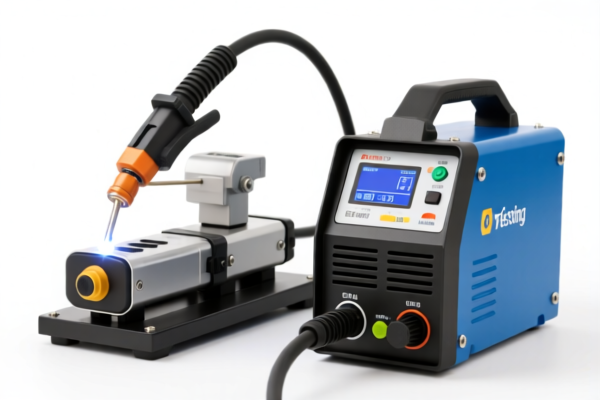
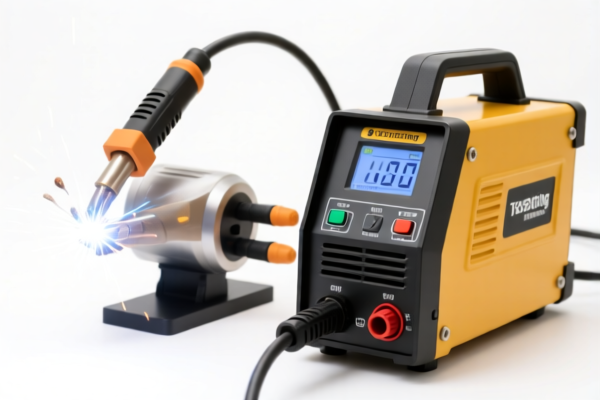
AI Analysis
🏗️ Testing Machines: Hardness, Tensile, Compressibility & Elasticity
🌐 HS Code Classification & Customs Clearance Guide | 2026 Latest Tariff Analysis | Professional Strategy
📌 I. Product Definition: What Are We Testing?
Testing machines designed to measure hardness, tensile strength, compressibility, and elasticity are critical instruments in material science, quality control, and R&D. These devices fall under the broader category of Mechanical Property Testers.
In international trade, the precise HS Code depends on: 1. The Primary Function: Is it a general-purpose testing frame or a specific hardness tester? 2. The Mechanism: Does it use mechanical force, hydraulic pressure, or electronic sensors? 3. Specific Standards: Does it meet specific "Testing Bench" (9031.20) or "Metal Testing Machine" (9024) definitions?
⚠️ Key Distinction:
- General Mechanical Testing (Tensile/Compression): Often falls under 9024 (Metal Testing) or 9031.80 (Other Measuring/Testing Instruments).
- Hardness Specific: Can fall under 9031.20 if it fits the "Testing Bench" definition or 9031.80.
- Industrial Machinery: If the machine is deemed an independent mechanical apparatus with limited measurement precision, it may fall under 8479.89.
📦 II. HS Code Classification Matrix (2026 Latest Tariff Alignment)
| HS Code | Product Description | Applicability & Logic | Tax Rate (CN Origin to US) |
|---|---|---|---|
| 9031.20.00.00 | Hardness, Tensile Strength, Compressibility, Elasticity Testing Machines; Defined as Testing Bench | Applies to machines explicitly categorized as "Testing Benches" or specific hardness testers that fit the GRI 1 definition of 9031.20. | 36.7% |
| 9024.10.00.00 | Metal Testing Machines & Apparatus; Covers Hardness, Tensile, Compressibility, Elasticity | Specifically for metal testing applications. If the machine is designed primarily for metals, this is the most precise code. | 35.0% |
| 9024.80.00.00 | Other Metal Testing Machines & Apparatus | For metal testing machines not specified elsewhere (e.g., non-hardness specific). "No material conflict" with mechanical performance testing functions. | 35.0% |
| 8479.89.95.95 | Other Machines & Mechanical Appliances with Individual Functions | Used if the machine is considered an "independent mechanical apparatus" rather than a precision measuring instrument. Often a fallback for complex, custom-built rigs. | 37.5% |
| 9031.80.80.85 | Other Measuring or Checking Instruments; Non-Specified | For testing machines used for hardness, tensile, compression, and elasticity that do not fit 9024 or 9031.20. Covers "Other" measuring devices. | 35.0% |
🔍 Critical Analysis:
- 9024 Codes (35.0%) are often preferred for metal testing due to lower base tariffs (0% vs 1.7%/2.5%).
- 9031.20 (36.7%) carries a slightly higher base tariff (1.7%) but is specific to "Testing Benches."
- 8479.89 (37.5%) is the highest tax option and should only be used if the machine cannot be classified as a measuring instrument (i.e., it's more of a mechanical processor).
- 9031.80 (35.0%) is a safe, broad category for general testing machines, especially for non-metal materials (plastics, composites) where 9024 might be challenged.
💰 III. 2026 Tariff Rate Breakdown (Detailed Tax Components)
✅ Applicable Country: United States (US)
✅ Origin: China (CN)
✅ Effective Date: 2025/2026 (Post-Trade War Surcharges Apply)
All HS Codes above are subject to Section 301 (122 Clause) and Base Duties.
🎯 1. 9024.10.00.00 & 9024.80.00.00 & 9031.80.80.85
Common Tax Structure (35.0% Total)
| Component | Rate | Source | Notes |
|---|---|---|---|
| Base Duty | 0.0% | HTSUS | These codes have zero standard MFN duty. |
| Section 301 (122 Clause) | +25.0% | USITC Footnote 9903.88.01 | Additional tariff on Chinese goods. |
| IEEPA (Section 122) | +10.0% | International Emergency Economic Powers Act | Specific additional levy on Chinese-origin goods. |
| Total Effective Rate | 35.0% | Calculation: 0% + 25% + 10% = 35% |
📌 Explanation:
- These codes benefit from 0% base duty, making them tax-efficient compared to codes with base duties. - However, the 35% total is still significant. This is the most common rate for precision testing instruments.
🎯 2. 9031.20.00.00
Higher Base Duty Structure (36.7% Total)
| Component | Rate | Source | Notes |
|---|---|---|---|
| Base Duty | 1.7% | HTSUS | Higher base duty for "Testing Benches." |
| Section 301 (122 Clause) | +25.0% | USITC Footnote 9903.88.01 | Additional tariff. |
| IEEPA (Section 122) | +10.0% | International Emergency Economic Powers Act | Specific additional levy. |
| Total Effective Rate | 36.7% | Calculation: 1.7% + 25% + 10% = 36.7% |
📌 Explanation:
- The 1.7% base duty makes this code slightly more expensive than the 9024/9031.80 alternatives. - Use this only if the product strictly fits the "Testing Bench" definition in the HTSUS notes.
🎯 3. 8479.89.95.95
Highest Tax Structure (37.5% Total)
| Component | Rate | Source | Notes |
|---|---|---|---|
| Base Duty | 2.5% | HTSUS | Highest base duty among the options. |
| Section 301 (122 Clause) | +25.0% | USITC Footnote 9903.88.01 | Additional tariff. |
| IEEPA (Section 122) | +10.0% | International Emergency Economic Powers Act | Specific additional levy. |
| Total Effective Rate | 37.5% | Calculation: 2.5% + 25% + 10% = 37.5% |
📌 Explanation:
- Avoid this code if the machine can be classified as a measuring instrument (9024/9031). - This code is for machines that are not primarily for measurement but for mechanical processing/testing without high precision.
🛠️ IV. Customs Clearance Strategy & Compliance
✅ 1. Documentation Requirements (Mandatory)
| Document | Requirement | Purpose |
|---|---|---|
| Technical Specifications | ✔️ Detailed specs | Proves the machine's function (Hardness/Tensile/etc.) to justify HS Code. |
| Test Standards Compliance | ✔️ ISO, ASTM, GB Standards | Shows the machine is designed for specific testing protocols, supporting 9024/9031 classification. |
| Product Photos | ✔️ Front, Side, Control Panel | Visual proof of measurement instruments (gauges, sensors, displays). |
| Bill of Lading / Commercial Invoice | ✔️ Accurate Description | Must match HS Code description (e.g., "Metal Testing Machine" for 9024). |
| Certificate of Origin | ✔️ Form A or General CO | Essential for verifying Chinese origin to apply correct surcharges. |
✅ 2. Declaration Best Practices
🔥 "Precise Function, Correct Code, Lower Tax!"
| Scenario | Recommended HS Code | Why? |
|---|---|---|
| Metal Tensile/Hardness Tester | 9024.10.00.00 or 9024.80.00.00 |
Lowest base duty (0%), specific to metal testing. |
| General Material Tester (Plastic, Rubber, Metal) | 9031.80.80.85 |
Broad "Other Measuring Instrument" category. Safe for non-metals. |
| Specific "Testing Bench" for Hardness | 9031.20.00.00 |
Only if it strictly meets the legal definition of a "Testing Bench." |
| Complex Custom Mechanical Rig | 8479.89.95.95 |
Only if it cannot be proven as a precision measuring device. |
⚠️ Warning:
- Do not misclassify8479as9024to save taxes if the machine is a precision instrument. CBP (Customs and Border Protection) may audit and penalize. - Ensure the description on the invoice matches the HS Code. For9024, use "Metal Testing Machine." For9031.80, use "Other Testing Machine for Hardness/Tensile."
✅ 3. Mitigation Strategies
- Pre-Ruling (Advance Ruling):
- Apply to CBP for a binding ruling on the HS Code before shipment. This reduces uncertainty and potential penalties.
- Product Design Adjustment:
- If the machine is used for metals, ensure it is marketed and designed primarily for metal testing to justify
9024. - If used for general materials,
9031.80is often safer and has the same tax rate as9024(35%).
- If the machine is used for metals, ensure it is marketed and designed primarily for metal testing to justify
- Bundle Components:
- Include all sensors, grips, and software with the main unit to avoid separate classifications for accessories.
🌍 V. Global Market Comparison
| Country | Best HS Code | Total Tax (CN Origin) | Notes |
|---|---|---|---|
| 🇺🇸 USA | 9024.10.00.00 / 9031.80.80.85 |
35.0% | High Section 301 + IEEPA tariffs. |
| 🇨🇳 China | 9031.80.80.85 |
0% (Import) | Generally low/zero duty for testing equipment. |
| 🇪🇺 EU | 9031.80 |
0% (if CE certified) | No Section 301 equivalent. |
| 🇯🇵 Japan | 9031.80 |
0% - 5% | Varies by specific type. |
📌 Conclusion:
- The USA is the most expensive market due to叠加 (layered) tariffs. - EU and Japan are more favorable for Chinese testing equipment.
📌 VI. Common Mistakes & Pitfalls
❌ Mistake 1: Classifying a precision tensile tester as 8479.89 (37.5%).
👉 Result: Paying 2.5% extra unnecessarily.
👉 Fix: Use 9031.80 or 9024.
❌ Mistake 2: Using 9024 for non-metal testing (e.g., plastic elasticity).
👉 Result: CBP may reclassify to 9031.80 or 8479, causing delays.
👉 Fix: If testing non-metals, use 9031.80.
❌ Mistake 3: Incorrect Invoice Description.
👉 Result: "Testing Machine" is too vague.
👉 Fix: Use "Hardness Testing Machine for Metals, Model XYZ" for 9024.
✅ Correct Approach:
"Tensile and Hardness Testing Machine, Electric, for Metal Samples, Model ABC, Compliant with ASTM E8/E10, CBP Ruling Number: [If Applicable]"
🎯 VII. Final Recommendations
- Prioritize
9024.10.00.00or9024.80.00.00if the machine is used for metal testing. It has the lowest base duty (0%). - Use
9031.80.80.85for general-purpose testing machines (plastics, composites, rubber) where9024might not apply. It has the same 35% total tax but is more flexible. - Avoid
8479.89.95.95unless the machine is clearly a mechanical apparatus and not a precision measuring instrument. It has the highest tax (37.5%). - Always verify the exact definition of "Testing Bench" vs. "Testing Machine" in the HTSUS notes.
- Apply for Pre-Rulings to secure the lowest applicable rate and avoid audits.
📣 Action Item:
📞 Consult a customs broker with your technical datasheets.
📄 Request a CBP Pre-Ruling before shipping.
🚀 Optimize your HS Code to save up to 2.5% in duties!
✨ Precision in Classification = Profit in Clearance!
💼 Every percentage point matters in global trade.
Customer Reviews
About HS Code Classification
The Harmonized System (HS) is an internationally standardized nomenclature developed by the World Customs Organization (WCO) to classify traded products. Over 200 countries use the HS system as the basis for customs tariffs, trade statistics, and import/export regulations.
Each HS code follows a hierarchical structure:
- Chapter (2 digits) — Broad category of goods (e.g., Chapter 84: Machinery and Mechanical Appliances)
- Heading (4 digits) — More specific grouping within the chapter
- Subheading (6 digits) — Internationally standardized breakdown, used by all WCO member countries
- National subdivisions (8-10 digits) — Country-specific extensions for further classification, such as US HTSUS 10-digit codes
Correct HS code classification is essential for smooth customs clearance, accurate duty payment, and compliance with trade regulations. Misclassification can lead to customs delays, overpayment of duties, or penalties.
When importing from CN to US, the applicable tariff rates may include:
- Most-Favored-Nation (MFN) rate — The standard duty rate applied to WTO members
- General rate — Applied to countries without trade agreements
- Trade remedy duties — Additional tariffs such as Section 301 (anti-dumping), Section 232 (national security), or countervailing duties
The information provided on this page is for reference purposes only. For official classification, please consult with your local customs authority or a licensed customs broker.