Textile Backed PVC Wall Decoration Material
CN → US| HS Code | Tariff Rate | Origin | Destination | Doc |
|---|---|---|---|---|
| 5903102010 | 35.0% | CN | US | Official Doc |
| 5903102090 | 35.0% | CN | US | Official Doc |
| 3921121100 | 39.2% | CN | US | Official Doc |
| 3921121500 | 41.5% | CN | US | Official Doc |
| 3926905900 | 37.4% | CN | US | Official Doc |
| 3926909989 | 22.8% | CN | US | Official Doc |
Product Images
AI Analysis
🧱 Textile Backed PVC Wall Decoration Material
🌐 HS Code Reference & Customs Clearance Guide | 2026 Latest Tariff Analysis | Professional Import Strategy
📌 I. Product Definition & Classification: Do You Really Understand "Textile Backed PVC Wall Decor"?
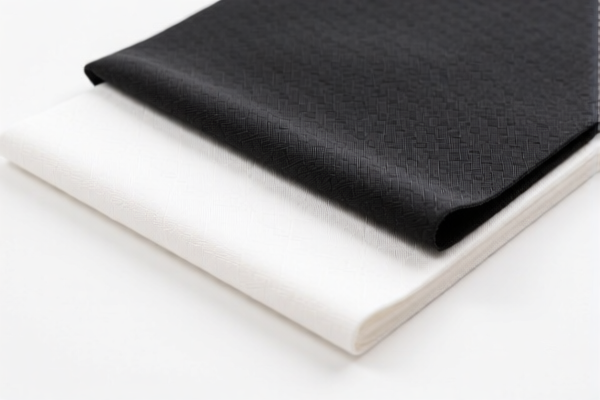
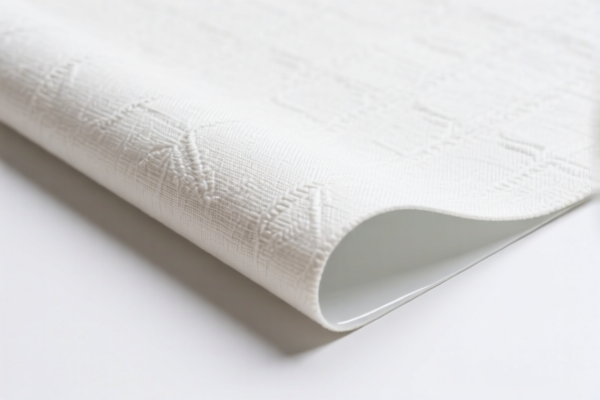
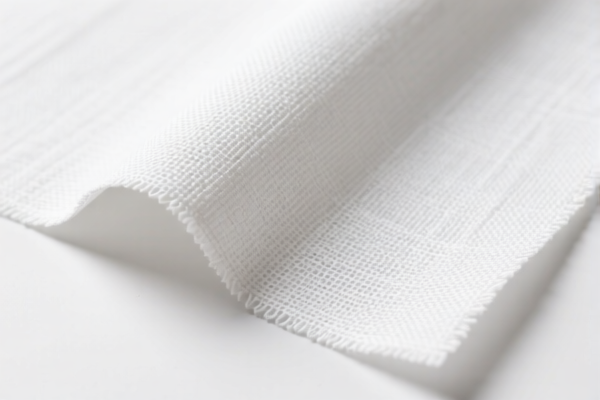
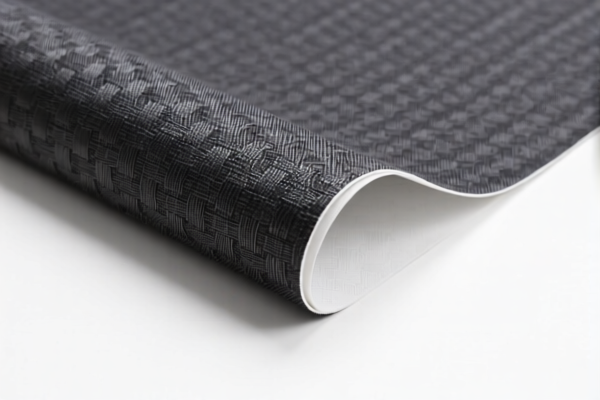
Textile Backed PVC Wall Decoration Materials are composite building products used for interior wall cladding, accent walls, and decorative paneling. In international trade, they are primarily classified based on their structure (fabric coated with plastic vs. plastic combined with fabric) and the predominance of materials.
There are two main technical pathways for classification: 1. Coated/Laminated Textile Fabrics (Heading 5903): The base is a textile fabric (man-made fibers) that is impregnated, coated, covered, or laminated with plastics (specifically Polyvinyl Chloride/PVC). This is the most common classification for flexible wall coverings, wallpapers, and decorative fabrics. 2. Plastics Combined with Textiles (Heading 3921): Plastic plates/sheets combined with textile materials. This applies if the product is rigid or semi-rigid panels where the plastic component is significant, or specific cellular PVC structures combined with textiles.
⚠️ Key Distinction Point:
- If the product is a flexible fabric (rolls/sheets) with PVC coating/lamination → Classify under 5903.10.
- If the product is a rigid or semi-rigid panel made of cellular PVC combined with textile layers → Classify under 3921.12.
- Crucial Threshold: For Heading 5903, the description often hinges on whether the rubber/plastic content is over 70% by weight.
📦 II. HS Code Classification Details (2026 Latest Tariff Authority Comparison)
| HS Code | Product Description | Application Scenario | Material Composition |
|---|---|---|---|
5903.10.20.10 |
Textile fabrics impregnated, coated, covered or laminated with plastics: With PVC: Of man-made fibers: Fabrics of yarns sheathed with PVC, not otherwise impregnated... | Decorative fabrics, PVC-coated wallpaper rolls, flexible wall coverings | ✅ PVC sheath/ coating > 70% weight |
5903.10.20.90 |
Textile fabrics impregnated, coated, covered or laminated with plastics: With PVC: Of man-made fibers: Other: Over 70% by weight of rubber or plastics (Other) | Standard PVC-coated textile wall panels, decorative laminates | ✅ PVC > 70% weight |
3921.12.11.00 |
Other plates, sheets, film, foil and strip, of plastics: Cellular: Of polymers of vinyl chloride: Combined with textile materials: Over 70% by weight of plastics | Rigid/Semi-rigid cellular PVC panels combined with textile backing | ✅ Plastics > 70% weight |
3921.12.15.00 |
Other plates, sheets, film, foil and strip, of plastics: Cellular: Of polymers of vinyl chloride: Combined with textile materials: Other | Cellular PVC panels combined with textiles (specific sub-category) | ✅ Combined structure |
3926.90.59.00 |
Other articles of plastics: Belting and belts, for machinery: Containing textile fibers: Other | Not Applicable for wall decor (Industrial belts only) | ❌ N/A |
3926.90.99.89 |
Other articles of plastics and articles of other materials: Other | Not Applicable (General plastic articles, not specific wall decor) | ❌ N/A |
🔍 Critical Reminder:
- Flexible Wall Coverings (rolls, sheets that bend easily) are almost always 5903.10.
- Rigid Wall Panels (stiff, like siding or decorative trim) may fall under 3921.12 if they are cellular PVC combined with textiles.
- Do NOT classify generic plastic wall items under3926.90unless they are simple plastic ornaments, not composite textile-backed materials.
💰 III. 2026 Latest Tariff Rate Breakdown (Including Additional Duties & Policy Surcharges)
✅ Applicable Country: United States (US)
✅ Country of Origin: China (CN)
✅ Effective Date: From November 10, 2025 (and subsequent imports)
🎯 1. 5903.10.20.10 & 5903.10.20.90 —— Textile Fabrics with PVC Coating
These are the most likely codes for "Wall Decoration Material" if it is a flexible textile product.
| Item | Content |
|---|---|
| Base Tariff Rate | 0.0% (Ad Valorem) |
| Section 301 Additional Duty (USITC) | +25.0% |
| IEEPA Additional Duty | +0.0% (Note: Data shows 0% for this specific 8-digit code in the provided list, but Section 301 dominates) |
| Total Effective Duty Rate | 25.0% |
| Tax Calculation | CIF Value × 25% |
| De Minimis Exemption Eligible? | ❌ No (Section 301 goods are typically excluded from de minimis relief) |
| Legal Basis Path | USITC:5903.10.20.10 → FOOTNOTE:301 (Section 301 List 4/3 depending on specific origin rules) |
📌 Explanation:
- While the base MFN tariff for coated textiles is 0%, the Section 301 tariffs add a significant 25% surcharge for Chinese-origin goods.
- This brings the total landed cost increase to 25%.
- Warning: If customs determines the product is not "man-made fibers" but natural fibers, the code changes, but the 25% surcharge generally applies to Section 301 List 4 items.
🎯 2. 3921.12.11.00 —— Cellular PVC Combined with Textiles (Plastic > 70%)
If the product is a rigid cellular PVC panel with a textile backing:
| Item | Content |
|---|---|
| Base Tariff Rate | 4.2% (Ad Valorem) |
| Section 301 Additional Duty (USITC) | +25.0% |
| Total Effective Duty Rate | 29.2% |
| Tax Calculation | CIF Value × 29.2% |
| De Minimis Exemption Eligible? | ❌ No (Section 301 applies) |
| Legal Basis Path | USITC:3921.12.11.00 → FOOTNOTE:301 |
📌 Note:
- This is more expensive than the textile-coated fabric option (25% vs 29.2%).
- Ensure you do not misclassify a flexible fabric as a "plate/sheet" to avoid higher duties.
🎯 3. 3921.12.15.00 —— Other Cellular PVC with Textiles
| Item | Content |
|---|---|
| Base Tariff Rate | 0.0% |
| Section 301 Additional Duty | 0.0% (As per provided data) |
| Total Effective Duty Rate | 0.0% |
| Tax Calculation | CIF Value × 0% |
| De Minimis Exemption Eligible? | ✅ Possibly (Check specific 8-digit HTSUS exclusions) |
| Legal Basis Path | USITC:3921.12.15.00 |
📌 Critical Check:
- This code shows 0% tax in the provided data. However, this is rare for Chinese goods under Section 301.
- Verify: Confirm if this specific subheading (3921.12.15.00) is exempt from Section 301. Usually, most PVC products from China are subject to 25%. If exempt, this is the optimal code.
- Risk: Misclassification risk is high. If deemed "Other" PVC plates not meeting the strict "Over 70% plastics" or "Cellular" criteria, it could be reclassified to3921.12.11.00(29.2%) or5903(25%).
🎯 4. 3926.90.59.00 & 3926.90.99.89 —— Other Plastic Articles
| Item | Content |
|---|---|
| Base Tariff Rate | 2.4% / 5.3% |
| Section 301 Additional Duty | +25.0% / +7.5% |
| Total Effective Duty Rate | 27.4% / 12.8% |
| De Minimis Exemption Eligible? | ❌ No (Section 301 applies to 27.4% item) |
📌 Note:
-3926.90.99.89has a lower total rate (12.8%) but only applies if the product is not a "plate/sheet" or "coated fabric" but a generic "other plastic article."
- Risk: High. Customs often rejects "Other" codes if a more specific description (like coated fabric) exists. Avoid unless the product is a simple plastic trim with no textile backing structure.
🛠️ IV. Customs Clearance Operational Advice (Practical Pitfall Avoidance)
✅ 1. Documentation Checklist (Essential)
| Document | Required | Description |
|---|---|---|
| ✅ Product Specification Sheet | ✔️ | Must clearly state: "Textile Backed," "PVC Coated," "Flexible/Rigid," "Composition % (PVC vs Fabric)" |
| ✅ Commercial Invoice | ✔️ | Use precise description: "PVC Coated Man-Made Fiber Textile for Wall Decoration" |
| ✅ Packing List | ✔️ | Detail dimensions, weight, and roll/panel count |
| ✅ Material Composition Proof | ✔️ | Lab test report showing PVC content > 70% (if claiming 5903.10.20.10/90) |
| ✅ Photos | ✔️ | Show cross-section (if rigid) or surface texture (if flexible fabric) |
✅ 2. Declaration Tips (Key Mnemonic)
🔥 "Flexible = 5903, Rigid = 3921, Check Weight % to Avoid Fines!"
| Scenario | Correct Declaration | Wrong Declaration | Consequence |
|---|---|---|---|
| Flexible Wall Covering (Rolls) | 5903.10.20.10 or 5903.10.20.90 |
3921.12.11.00 (Plastic Plates) |
Underpayment if PVC < 70%? No, but risk of misclassification. |
| Rigid Cellular PVC Panels | 3921.12.11.00 |
5903.10.20.90 (Textile Fabric) |
Overpayment (29.2% vs 25%) or Rejection if not fabric. |
| Generic Plastic Trim | 3926.90.99.89 (If truly no textile structure) |
5903.10 |
High Risk of being deemed "Coated Fabric" → 25% + penalties. |
✅ 3. Special Circumstances Handling
| Situation | Handling Advice |
|---|---|
| Mixed Material (Cotton + PVC) | If natural fibers predominate, code changes to 5903.10.10. Check tariff impact (often still 25% Section 301). |
| Custom Printed Wall Covering | Printing does not change HS Code. Still 5903.10 or 3921.12. |
| OEM Custom Sizes | Ensure dimensions are declared as "Rolls" or "Sheets" to avoid being classified as "Finished Wall Panels" (which might have different codes). |
🌍 V. Global Market Comparison (2026 Latest)
| Country/Region | Recommended HS Code | Total Duty (CN Origin) | Certification | Remarks |
|---|---|---|---|---|
| 🇺🇸 USA | 5903.10.20.10/90 |
25.0% | CPC (Consumer Product Safety) | Section 301 applies. High duty. |
| 🇨🇳 China | 5903.10.20.10 |
~2.0-4.0% (Import) | CCC (if applicable) | Lower duties for domestic consumption. |
| 🇪🇺 EU | 5903.10.90 |
0-6.5% (Depends) | REACH / RoHS | No Section 301. Check REACH compliance for PVC. |
| 🇬🇧 UK | 5903.10.90 |
0-6.5% | UKCA / CE | Post-Brexit rules apply. |
| 🇦🇺 Australia | 5903.10.90 |
5% | RCM / AS/NZS Standards | No Section 301. |
📌 Conclusion:
- USA is the most expensive market due to the 25% Section 301 surcharge.
- EU/UK/Australia are more favorable, focusing on chemical compliance (REACH/RoHS) rather than punitive tariffs.
- Strategy: For US imports, ensure accurate classification to avoid 25% vs 29.2% mistakes or 0% vs 25% risks.
📌 VI. Common Errors & Pitfall Guide (Lessons Learned)
❌ Error 1: Declaring PVC-coated fabric as "Plastic Sheets" (3921) when it is flexible textile.
👉 Consequence: Customs may reject as "not plates/sheets" and reclassify to 5903, potentially leading to delays or if 3921.12.15 was wrongly claimed as 0%.
❌ Error 2: Ignoring the "Over 70% PVC" rule.
👉 Consequence: If PVC is < 70%, the product is not "Over 70% by weight of rubber or plastics." It may fall under a different subheading with different duty rates or restrictions.
❌ Error 3: Using "Wall Decoration" as the only description.
👉 Consequence: Too vague. Must specify "Textile Backed," "PVC Coated," "Man-Made Fiber."
❌ Error 4: Assuming De Minimis applies to Section 301 goods.
👉 Consequence: 25% duty applies even to small packages. No $800 exemption for Section 301 goods from China.
✅ Correct Approach:
"PVC Coated Man-Made Fiber Textile Fabric for Wall Covering, 100% Polyester Base, PVC Coating >70% by Weight, Flexible Rolls, No Printing"
🎯 VII. Conclusion: Professional Declaration, Cost Efficiency!
🎯 Remember the Mnemonic:
🔹 "Flexible = 5903 (25%), Rigid = 3921 (29.2% or 0% if lucky), Check Weight %!"
🔹 "Section 301 = 25% on Chinese Goods, No De Minimis!"
🔹 "Specific Description Saves Money, Vague Description Causes Delays!"
📌 Tip:
If your product is Cellular PVC Combined with Textiles and fits 3921.12.15.00, verify its exemption from Section 301. If not, the 0% rate is likely incorrect for Chinese origin, and you should expect 25% + Base. Always consult a customs broker for Advance Ruling to confirm the exact 8-digit code.
📣 Immediate Action:
📞 Contact a Customs Broker + Provide Product Photos + Verify PVC Weight %
🚀 Ensure your wall decoration material, clears customs smoothly, avoids 25% surprises, and maximizes profit!
✨ Professional Customs Clearance Starts with Accurate Classification!
💼 Every percent of duty counts in your profit margin!
Customer Reviews
About HS Code Classification
The Harmonized System (HS) is an internationally standardized nomenclature developed by the World Customs Organization (WCO) to classify traded products. Over 200 countries use the HS system as the basis for customs tariffs, trade statistics, and import/export regulations.
Each HS code follows a hierarchical structure:
- Chapter (2 digits) — Broad category of goods (e.g., Chapter 84: Machinery and Mechanical Appliances)
- Heading (4 digits) — More specific grouping within the chapter
- Subheading (6 digits) — Internationally standardized breakdown, used by all WCO member countries
- National subdivisions (8-10 digits) — Country-specific extensions for further classification, such as US HTSUS 10-digit codes
Correct HS code classification is essential for smooth customs clearance, accurate duty payment, and compliance with trade regulations. Misclassification can lead to customs delays, overpayment of duties, or penalties.
When importing from CN to US, the applicable tariff rates may include:
- Most-Favored-Nation (MFN) rate — The standard duty rate applied to WTO members
- General rate — Applied to countries without trade agreements
- Trade remedy duties — Additional tariffs such as Section 301 (anti-dumping), Section 232 (national security), or countervailing duties
The information provided on this page is for reference purposes only. For official classification, please consult with your local customs authority or a licensed customs broker.