Textile Composite Plastic Film
CN → US| HS Code | Tariff Rate | Origin | Destination | Doc |
|---|---|---|---|---|
| 5903902000 | 35.0% | CN | US | Official Doc |
| 5903102090 | 35.0% | CN | US | Official Doc |
| 3921901500 | 41.5% | CN | US | Official Doc |
| 3920991000 | 41.0% | CN | US | Official Doc |
| 3920992000 | 39.2% | CN | US | Official Doc |
Product Images

AI Analysis
🧵 Textile Composite Plastic Film (Composite Fabric with Plastic)
🌐 HS Code Reference & Clearance Guide | 2026 Latest Tariff Full Analysis | Professional Clearance Strategy
📌 I. Product Definition & Classification: Do You Truly Understand "Textile Composite Plastic Film"?
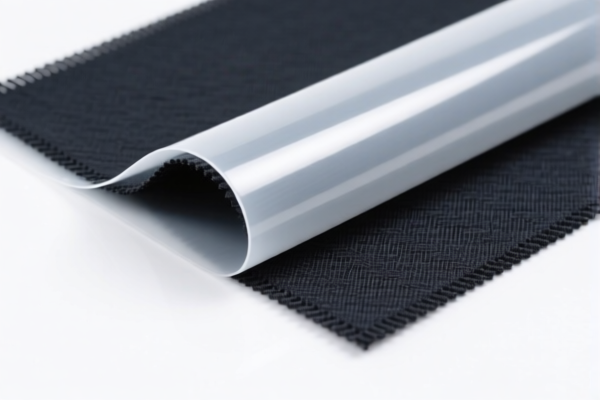
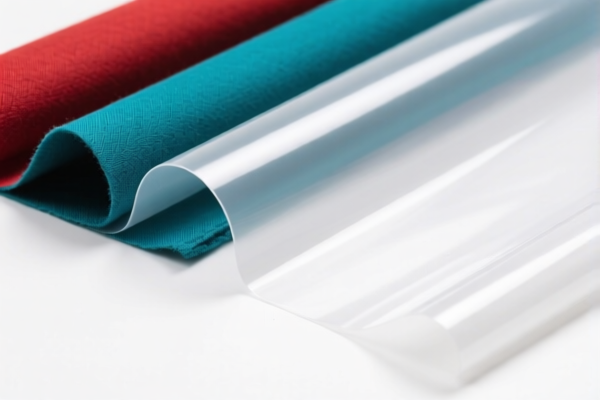
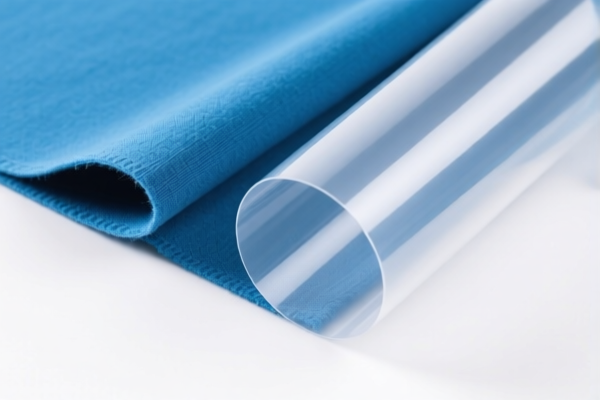
Textile Composite Plastic Film refers to fabric made of textile materials that has been impregnated, coated, covered, or laminated with plastic. In international trade, it is typically classified based on the dominant character (plastic vs. textile) and the physical form (sheet/film vs. fabric).
The key to correct classification lies in determining: 1. Is the plastic coating significant enough to change the character from "fabric" to "plastic sheet/film"? 2. Is it used for insulation, packaging, or industrial covering?
⚠️ Key Distinction Points:
- If the textile is merely backed or coated with a thin layer of plastic for reinforcement → Chapter 59 (Impregnated/Coated Textiles).
- If the plastic is the primary material and the textile acts as a supporting substrate (layering/laminating) → Chapter 39 (Plastic Articles).
📦 II. HS Code Classification Details (2026 Latest Tariff Authority Comparison)
Based on the provided data, here are the applicable HS Codes and their specific rationales:
| HS Code | Product Description | Applicable Scenario | Rationale from Data |
|---|---|---|---|
5903.90.20.00 |
Textile fabrics impregnated, coated, covered or laminated with plastics (Other) | General composite fabrics where textile remains the base | Matches textile fabric + plastic impregnation/coating/lamination rules. |
5903.10.20.90 |
Films of PVC | PVC-coated textile films | Matches film morphology and plastic coating attributes; no material/shape conflict. |
3921.90.15.00 |
Other plates, sheets, film, foil and strip, of plastics | Plastic-heavy composites | Matches plastic board/sheet/film combined with textile materials. |
3920.99.10.00 |
Other plates, sheets, film, foil and strip, of plastics (Non-cellular) | Plastic film with textile backing | Matches plastic material + film morphology; fits definition of composite with other materials. |
3920.99.20.00 |
Other plates, sheets, film, foil and strip, of plastics (Cellular/Laminated) | Laminated plastic/textile structures | Matches plastic material + film morphology; fits definition of laminated/supportive composite materials. |
🔍 Critical Reminder:
- Chapter 59 (5903.xx) is generally preferred if the textile provides the structural integrity and the plastic is a coating/impregnation.
- Chapter 39 (3920.xx/3921.xx) is applied when the plastic layer is substantial enough to define the article as a "plastic product" with textile as a mere support/lamina.
💰 III. 2026 Latest Tariff Rate Breakdown (Including Additional Taxes & Policy Surcharges)
✅ Applicable Country: United States (US)
✅ Country of Origin: China (CN)
✅ Effective Date: From November 10, 2025 (including subsequent imports)
🎯 1. 5903.90.20.00 —— Textile Fabrics Impregnated/Coated/Laminated with Plastics (Other)
| Item | Content |
|---|---|
| Basic Tariff | 0.0% (ad valorem) |
| USITC Surcharge (Section 301) | +25.0% |
| IEEPA Surcharge (Section 122) | +10.0% |
| Total Tax Rate | 35.0% |
| Tax Calculation | CIF Value × 35% |
| De Minimis Exemption | ❌ Not Eligible (deny_de_minimis) |
| Legal Basis Path | USITC:5903.90.20.00 → FOOTNOTE:301 → IEEPA:122 |
📌 Explanation:
- Although the base tariff is 0%, the 35% combined surcharge makes this costly. - This category applies when the textile character is preserved but the plastic treatment is significant.
🎯 2. 5903.10.20.90 —— Films of PVC (Plastic-Coated Textiles)
| Item | Content |
|---|---|
| Basic Tariff | 0.0% |
| USITC Surcharge (Section 301) | +25.0% |
| IEEPA Surcharge (Section 122) | +10.0% |
| Total Tax Rate | 35.0% |
| Tax Calculation | CIF Value × 35% |
| De Minimis Exemption | ❌ Not Eligible |
| Legal Basis Path | USITC:5903.10.20.90 → FOOTNOTE:301 → IEEPA:122 |
📌 Note:
- If your product is specifically PVC-coated, it falls here. - Same tax burden as5903.90.20.00(35%).
🎯 3. 3921.90.15.00 —— Other Plastic Plates/Sheets/Films with Textile Composite
| Item | Content |
|---|---|
| Basic Tariff | 6.5% |
| USITC Surcharge (Section 301) | +25.0% |
| IEEPA Surcharge (Section 122) | +10.0% |
| Total Tax Rate | 41.5% |
| Tax Calculation | CIF Value × 41.5% |
| De Minimis Exemption | ❌ Not Eligible |
| Legal Basis Path | USITC:3921.90.15.00 → FOOTNOTE:301 → IEEPA:122 |
📌 Highlight:
- Higher base tariff (6.5%) leads to a 41.5% total rate. - Applies when the product is viewed primarily as a plastic sheet with textile backing.
🎯 4. 3920.99.10.00 —— Other Non-Cellular Plastic Films (Composite)
| Item | Content |
|---|---|
| Basic Tariff | 6.0% |
| USITC Surcharge (Section 301) | +25.0% |
| IEEPA Surcharge (Section 122) | +10.0% |
| Total Tax Rate | 41.0% |
| Tax Calculation | CIF Value × 41.0% |
| De Minimis Exemption | ❌ Not Eligible |
| Legal Basis Path | USITC:3920.99.10.00 → FOOTNOTE:301 → IEEPA:122 |
📌 Note:
- Slightly lower than3921but still higher than Chapter 59. - Applies to plastic films with textile support/lamination.
🎯 5. 3920.99.20.00 —— Cellular/Laminated Plastic Films (Composite)
| Item | Content |
|---|---|
| Basic Tariff | 4.2% |
| USITC Surcharge (Section 301) | +25.0% |
| IEEPA Surcharge (Section 122) | +10.0% |
| Total Tax Rate | 39.2% |
| Tax Calculation | CIF Value × 39.2% |
| De Minimis Exemption | ❌ Not Eligible |
| Legal Basis Path | USITC:3920.99.20.00 → FOOTNOTE:301 → IEEPA:122 |
📌 Best Option Among Chapter 39:
- This has the lowest total rate (39.2%) among the plastic-centric codes. - Suitable if the plastic film is cellular (foamed) or specifically laminated.
🛠️ IV. Practical Clearance Suggestions (Combat Pitfalls Guide)
✅ 1. Documentation Checklist (Missing Items Will Cause Delays)
| Document | Required | Explanation |
|---|---|---|
| ✅ Product Specification Sheet | ✔️ | Must detail: % of plastic vs. textile, coating method (impregnation vs. lamination), plastic type (PVC, PE, etc.). |
| ✅ Technical Data Sheet (TDS) | ✔️ | To prove "Composite" nature and physical form. |
| ✅ Photos (Close-up of Cross-section) | ✔️ | Critical for CBP to distinguish between "Coated Fabric" (Ch 59) and "Laminated Plastic" (Ch 39). |
| ✅ Commercial Invoice | ✔️ | Clearly state "Textile Composite Plastic Film" or specific plastic type. Avoid vague terms like "Covering Material." |
| ✅ Packing List | ✔️ | List dimensions, weight, and layer structure. |
| ✅ Origin Certificate | ✔️ | Required to verify China origin (triggering surcharges). |
✅ 2. Declaration Strategy (Key Mantra)
🔥 "Structure Defines Code: Fabric Base → Ch59, Plastic Base → Ch39"
| Scenario | Recommended HS Code | Error to Avoid |
|---|---|---|
| Thin plastic coating on woven fabric | 5903.90.20.00 (35%) |
Misclassifying as plastic sheet → 41.5% |
| PVC-coated tarpaulin/fabric | 5903.10.20.90 (35%) |
Misclassifying as plastic film → 41.0% |
| Thick plastic sheet with textile backing | 3921.90.15.00 (41.5%) |
Misclassifying as fabric → Audit risk |
| Cellular/Laminated plastic film | 3920.99.20.00 (39.2%) |
Best rate in Ch39 if applicable. |
✅ 3. Special Situation Handling
| Situation | Recommendation |
|---|---|
| Ambiguous Layering | Provide cross-section photos. If plastic > textile in mass/function → Ch39. If textile > plastic → Ch59. |
| OEM Custom Composites | Provide customer spec sheets. Ensure description matches the "dominant material" test. |
| Multiple Plastic Types | If PVC is used, 5903.10.20.90 is more specific than 5903.90.20.00. Specificity wins. |
| De Minimis (Section 321) | ❌ Not Applicable. All listed codes have deny_de_minimis. Must file formal entry. |
🌍 V. Global Market Clearance Comparison (2026 Latest)
| Country/Region | Recommended HS Code | Total Tariff (CN Origin) | Key Certifications | Notes |
|---|---|---|---|---|
| 🇺🇸 USA | 5903.90.20.00 |
35.0% | None specific, but CBP scrutiny on Ch59 vs Ch39 | High surcharge (35%). Avoid Ch39 (39-41.5%) if Ch59 applies. |
| 🇺🇸 USA | 3920.99.20.00 |
39.2% | None specific | Lowest in Ch39, but still higher than Ch59. |
| 🇨🇳 China | 5903.90.20.00 |
Low (MFN) | GB Standards | No US surcharges. Export duty may apply. |
| 🇪🇺 EU | 5903.10 / 3920 |
Varies (0-6.5%) | REACH, RoHS | No Section 301/IEEPA equivalents. |
| 🇦🇺 Australia | 5903.90 |
Low (5%) | Standards Australia | No high surcharges. |
📌 Conclusion:
- USA is the most costly market due to the 35%+ surcharge. - Strategy: If your product fits5903(Textile-based), choose it over3920/3921(Plastic-based) to save 4.2-6.5% in total tariff. - Documentation: Prove the textile character is dominant to stay in Chapter 59.
📌 VI. Common Errors & Pitfalls (Lessons Learned)
❌ Error 1: Classifying PVC-coated fabric as "Plastic Film" (3920.xx)
👉 Consequence: Tariff jumps from 35% to 41.5%. Overpayment!
❌ Error 2: Classifying thick plastic-laminated fabric as "Textile" (5903.xx)
👉 Consequence: CBP may reclassify to Chapter 39 due to plastic dominance → Penalties + Back Taxes.
❌ Error 3: Using vague description "Composite Material"
👉 Consequence: CBP requests additional info, causing 3-4 week delays.
👉 Fix: Use "PVC-Coated Woven Polyester Fabric" or "Polyethylene Laminated Cotton Sheet".
❌ Error 4: Assuming De Minimis applies
👉 Consequence: Small shipments are seized because these codes are explicitly excluded from Section 321.
✅ Correct Practice:
"PVC-Coated Woven Polypropylene Fabric, 100% PVC Coating by Weight, for Tarpaulin Use, HS Code 5903.10.20.90"
🎯 VII. Conclusion: Precision in Classification Saves Money!
🎯 Remember the Mantra:
🔹 "Textile Base = Ch59 (35%), Plastic Base = Ch39 (39-41.5%)"
🔹 "Photos are Key: Cross-section proves dominance."
🔹 "No De Minimis: Formal Entry Required."
📌 Pro Tip:
If your product is borderline between Ch59 and Ch39, file an Advance Ruling with US CBP before shipping. This ensures clarity and avoids post-clearance audits.
For shipments under $800, do not attempt to use Section 321; these goods will be blocked or returned.
📣 Immediate Action:
📞 Contact Your Customs Broker with:
1. Product Cross-Section Photos
2. Material Composition % (Plastic vs. Textile)
3. Intended Use (e.g., Tarpaulin, Cover, Packaging)
🚀 Ensure Correct HS Code to Avoid 35%-41.5% Surprise Costs!
✨ Professional Clearance Starts with Accurate Classification!
💼 Every Percentage Point Matters in International Trade!
Customer Reviews
About HS Code Classification
The Harmonized System (HS) is an internationally standardized nomenclature developed by the World Customs Organization (WCO) to classify traded products. Over 200 countries use the HS system as the basis for customs tariffs, trade statistics, and import/export regulations.
Each HS code follows a hierarchical structure:
- Chapter (2 digits) — Broad category of goods (e.g., Chapter 84: Machinery and Mechanical Appliances)
- Heading (4 digits) — More specific grouping within the chapter
- Subheading (6 digits) — Internationally standardized breakdown, used by all WCO member countries
- National subdivisions (8-10 digits) — Country-specific extensions for further classification, such as US HTSUS 10-digit codes
Correct HS code classification is essential for smooth customs clearance, accurate duty payment, and compliance with trade regulations. Misclassification can lead to customs delays, overpayment of duties, or penalties.
When importing from CN to US, the applicable tariff rates may include:
- Most-Favored-Nation (MFN) rate — The standard duty rate applied to WTO members
- General rate — Applied to countries without trade agreements
- Trade remedy duties — Additional tariffs such as Section 301 (anti-dumping), Section 232 (national security), or countervailing duties
The information provided on this page is for reference purposes only. For official classification, please consult with your local customs authority or a licensed customs broker.