Textile Composite Plastic Shade Net
CN → US| HS Code | Tariff Rate | Origin | Destination | Doc |
|---|---|---|---|---|
| 3926905900 | 37.4% | CN | US | Official Doc |
| 3926909989 | 22.8% | CN | US | Official Doc |
| 6306120000 | 18.8% | CN | US | Official Doc |
| 3926904800 | 13.4% | CN | US | Official Doc |
| 3926903300 | 16.5% | CN | US | Official Doc |
Product Images
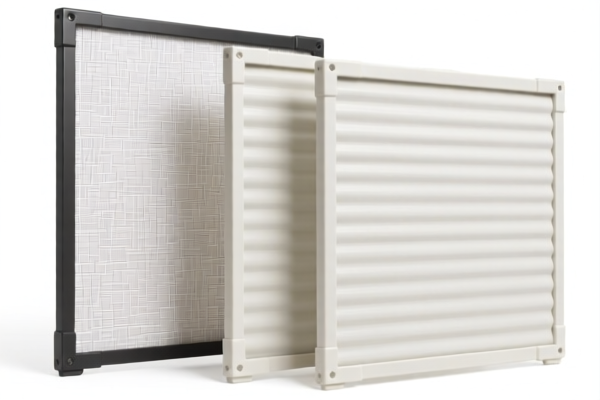
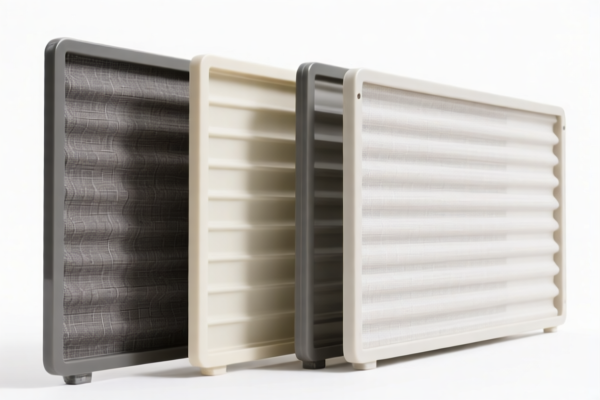
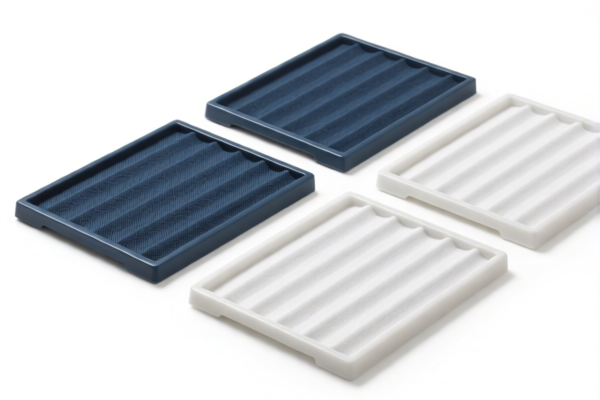
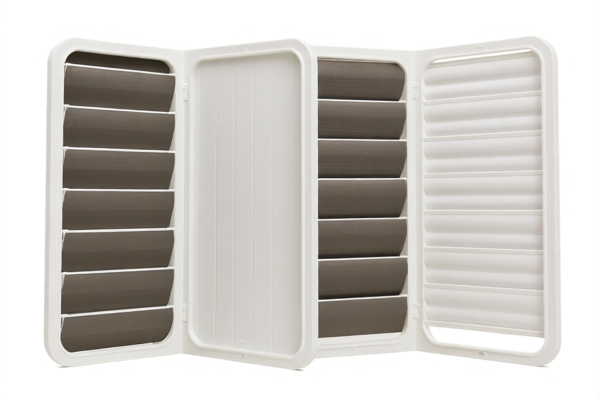
AI Analysis
☀️ Textile Composite Plastic Shade Net
🌐 HS Code Reference & Customs Clearance Guide | 2026 Latest Tariff Analysis | Professional Clearance Strategy
📌 I. Product Definition & Classification: What Exactly is a "Textile Composite Plastic Shade Net"?
A "Textile Composite Plastic Shade Net" is a hybrid product combining textile fibers (such as polyester, nylon, or polypropylene yarns) with plastic materials (such as HDPE, LDPE, or PVC coatings/laminates). It is primarily used for agricultural shading, construction site dust control, windbreaks, or sun protection.
⚠️ Key Classification Dilemma:
The core challenge lies in determining whether the product is classified primarily as a "Plastic Product" (Chapter 39) or a "Textile Product" (Chapter 63).
- If the plastic component provides the essential character (e.g., waterproofing, structural rigidity via coating), it often falls under Chapter 39.
- If the textile component is the essential character (e.g., loose woven netting with minimal plastic binding), it may fall under Chapter 63.
- Specific use (Shading) can also dictate classification under 6306 (Tents; Sails; ...; other made-up articles).
📦 II. HS Code Classification Details (2026 Latest Tariff Authority Mapping)
Based on the provided data, here are the four potential HS Codes and their specific rationales. The total tax rate varies significantly based on this classification.
| HS Code | Product Description & Logic | Total Tax Rate | Tax Breakdown (China Origin → US) |
|---|---|---|---|
3926.90.59.00 |
Textile Composite Plastic Shade Board/Panel • Logic: Classified as "Other plastic articles." The plastic material is considered to give the article its essential character. • Summary: "Textile composite plastic sunshade, featuring textile fibers and plastic products, belongs to the 'other plastic products' catch-all category." |
37.4% | • Base Tariff: 2.4% • Section 301 Tariff: 25.0% • Section 122 Tariff: 10.0% |
3926.90.99.89 |
Textile Composite Plastic Sunshade • Logic: Classified under Chapter 39 as "Other plastic articles." It is a broader category for plastic goods not elsewhere specified. • Summary: "Textile composite plastic sunshade, containing plastic material, belongs to 'other plastic products' under heading 3926.90." |
22.8% | • Base Tariff: 5.3% • Section 301 Tariff: 7.5% • Section 122 Tariff: 10.0% |
6306.12.00.00 |
Synthetic Fiber Shade Net • Logic: Classified as a "Made-up article of textile materials." It is specifically recognized as a sunshade made from synthetic fibers. • Summary: "Textile composite plastic sunshade, for shading purposes, made of synthetic fibers." |
18.8% | • Base Tariff: 8.8% • Section 301 Tariff: 0.0% • Section 122 Tariff: 10.0% |
3926.90.48.00 |
Polyethylene (PE) Shade Net • Logic: Specifically identified as PE plastic. PE is a plastic material, thus falling under plastic goods. • Summary: "Polyethylene shade net, PE is a plastic material, belonging to 'other plastic products'." |
13.4% | • Base Tariff: 3.4% • Section 301 Tariff: 0.0% • Section 122 Tariff: 10.0% |
3926.90.33.00 |
Polyethylene (PE) Shade Net (Catch-all) • Logic: PE plastic product falling into the "other articles" catch-all logic within Chapter 39. • Summary: "Polyethylene shade net, PE is a plastic product, belonging to the 'other articles' catch-all logic." |
16.5% | • Base Tariff: 6.5% • Section 301 Tariff: 0.0% • Section 122 Tariff: 10.0% |
🔍 Key Observation:
- The lowest total tax rate (13.4%) is achieved by classifying as PE Plastic Net (3926.90.48.00).
- The highest total tax rate (37.4%) applies if classified as a "Plastic Sunshade Board" (3926.90.59.00) with higher Section 301 duties.
- Classification as a Textile Shade Net (6306.12.00.00) offers a moderate rate (18.8%) but avoids the high Section 301 tariff of 25%.
💰 III. 2026 Latest Tariff Rate Detailed Explanation
✅ Applicable Country: United States (US)
✅ Origin: China (CN)
✅ Effective Time: Current tariffs apply (Section 301 & Section 122)
🎯 1. 3926.90.59.00 —— Textile Composite Plastic Sunshade (High Risk)
| Item | Content |
|---|---|
| Base Rate | 2.4% |
| Section 301 Tariff | +25.0% (High penalty due to specific categorization) |
| Section 122 Tariff | +10.0% (Retaliation/Trade remedy) |
| Total Rate | 37.4% |
| Tax Calculation | CIF Value × 37.4% |
| De Minimis Exemption | ❌ Not Eligible (Section 301 goods are excluded from de minimis) |
| Legal Basis | HTSUS 3926.90.59.00 + Footnotes for Sec 301 & Sec 122 |
📌 Explanation:
This classification is considered a "plastic article" with significant trade restrictions. The 25% Section 301 tariff is the primary cost driver. Customs may scrutinize the "essential character" of the textile vs. plastic components.
🎯 2. 3926.90.99.89 —— Other Plastic Products (Medium Risk)
| Item | Content |
|---|---|
| Base Rate | 5.3% |
| Section 301 Tariff | +7.5% |
| Section 122 Tariff | +10.0% |
| Total Rate | 22.8% |
| Tax Calculation | CIF Value × 22.8% |
| De Minimis Exemption | ❌ Not Eligible |
📌 Note:
Lower Section 301 rate (7.5%) compared to3926.90.59.00. Suitable for general plastic composite goods not specifically listed elsewhere.
🎯 3. 6306.12.00.00 —— Synthetic Fiber Shade Net (Moderate Risk)
| Item | Content |
|---|---|
| Base Rate | 8.8% |
| Section 301 Tariff | 0.0% (No Section 301 applied to this textile heading in this dataset) |
| Section 122 Tariff | +10.0% |
| Total Rate | 18.8% |
| Tax Calculation | CIF Value × 18.8% |
| De Minimis Exemption | ❌ Not Eligible |
📌 Strategy:
If the product is predominantly textile-based (woven netting with light plastic treatment), this classification saves 15-18% in total duties compared to the high plastic codes. However, you must prove the textile character is dominant.
🎯 4. 3926.90.48.00 & 3926.90.33.00 —— PE Shade Nets (Lowest Plastic Risk)
| Item | Content |
|---|---|
| Base Rate | 3.4% (48) or 6.5% (33) |
| Section 301 Tariff | 0.0% |
| Section 122 Tariff | +10.0% |
| Total Rate | 13.4% (48) or 16.5% (33) |
| Tax Calculation | CIF Value × 13.4% or 16.5% |
| De Minimis Exemption | ❌ Not Eligible |
📌 Optimization:
If the net is 100% Polyethylene (PE) and clearly a plastic product,3926.90.48.00is the most cost-effective option at 13.4% total tax. No Section 301 tariff applies in this specific dataset context.
🛠️ IV. Customs Clearance Practical Advice (Avoid Pitfalls)
✅ 1. Preparation Checklist (Non-negotiable)
| Material | Required | Explanation |
|---|---|---|
| ✅ Product Composition Report | ✔️ | Must specify % of Textile vs. Plastic. Critical for Chapter 39 vs. 63 dispute. |
| ✅ Product Photos | ✔️ | Show texture, weave, coating, and packaging. |
| ✅ Invoice & Packing List | ✔️ | Clearly state "Shade Net" or "Sunshade Screen," not just "Plastic Sheet." |
| ✅ Certificate of Origin (CO) | ✔️ | Essential for proving China origin to apply correct tariffs. |
| ✅ Section 301 Exclusion List Check | ✔️ | Verify if your specific HS code currently has any exclusions (though unlikely for these codes). |
✅ 2. Declaration Tips (Key Mantras)
🔥 "Know Your Material, Pick Your Code, Avoid the 25% Trap!"
| Scenario | Recommended HS Code | Reason |
|---|---|---|
| Pure PE Plastic Net | 3926.90.48.00 |
Lowest tax (13.4%), no Sec 301. |
| Textile Woven Net + Light Plastic Coating | 6306.12.00.00 |
Textile character dominant; no Sec 301. |
| Rigid Plastic Board with Textile Layer | 3926.90.59.00 |
Plastic character dominant; high risk (37.4%). |
| Mixed Composite (Ambiguous) | 3926.90.99.89 |
Safe fallback for "other plastic goods" (22.8%). |
✅ 3. Special Circumstances
| Situation | Handling Advice |
|---|---|
| Product has "UV Resistant" Label | Does not change HS Code, but helps confirm it as a "Shade Net" for 6306.12.00.00. |
| Customs Questioning Chapter 39 vs. 63 | Provide a GRI 3(b) analysis: Which material gives the essential character? If it's a woven net, argue for Chapter 63. If it's a plastic sheet with fabric backing, argue for Chapter 39. |
| Section 122 Tariff Impact | All options above include a 10% Section 122 tariff. This is unavoidable for China-origin goods in this dataset. Plan for this fixed cost. |
🌍 V. Global Market Clearance Comparison (2026)
| Country/Region | Recommended HS Code | Tariff (China Origin) | Certification | Notes |
|---|---|---|---|---|
| 🇺🇸 USA | 3926.90.48.00 or 6306.12.00.00 |
13.4% - 18.8% | None (General) | Avoid 3926.90.59.00 if possible due to 37.4% rate. |
| 🇨🇳 China | 3926.90.48.00 |
~2-5% | CCC (if applicable) | Lower base duties. |
| 🇪🇺 EU | 6306.22.00.00 |
4% + VAT | CE (if safety gear) | EU classifies shade nets differently; often under 6306.22. |
| 🇦🇺 Australia | 6306.22.00.00 |
5% | None | Standard duty. |
📌 Conclusion:
- USA is the most complex market due to Section 301 and Section 122 tariffs.
- Strategic Recommendation: If the product is a flexible woven net, attempt to classify under6306.12.00.00to avoid the 25% Section 301 tariff on plastic articles. If it is a rigid or heavily coated plastic sheet,3926.90.48.00is the cheapest option at 13.4%.
📌 VI. Common Errors & Pitfall Guide (Lessons Learned)
❌ Mistake 1: Declaring a woven textile shade net as 3926.90.59.00
👉 Consequence: Paying 37.4% instead of 18.8%. Overpayment of ~18.6%!
❌ Mistake 2: Declaring a PE plastic sheet net as 6306.12.00.00
👉 Consequence: Customs may reject textile classification, forcing re-classification to plastic code, causing delays and potential penalties.
❌ Mistake 3: Ignoring Section 122 Tariff
👉 Consequence: Underestimating landed cost by 10% on all items. Must be factored into pricing.
✅ Best Practice:
"Polyethylene Shade Net, 70% Shade Rate, 100% Plastic, 2m x 50m Roll, Model XYZ"
vs.
"Woven Polyester Shade Cloth with UV Treatment, 50% Shade Rate, Textile Product"
🎯 VII. Conclusion: Precise Classification, Maximize Profit!
🎯 Remember the Strategy:
🔹 "Textile Net = 18.8% (No 301)"
🔹 "PE Plastic Net = 13.4% (No 301)"
🔹 "Composite Plastic Board = 37.4% (High 301)"
🔹 "Always account for the 10% Section 122 Tariff!"
✨ Professional Clearance Starts with Accurate Classification!
💼 Your Landed Cost Depends on Your HS Code Choice!
Customer Reviews
About HS Code Classification
The Harmonized System (HS) is an internationally standardized nomenclature developed by the World Customs Organization (WCO) to classify traded products. Over 200 countries use the HS system as the basis for customs tariffs, trade statistics, and import/export regulations.
Each HS code follows a hierarchical structure:
- Chapter (2 digits) — Broad category of goods (e.g., Chapter 84: Machinery and Mechanical Appliances)
- Heading (4 digits) — More specific grouping within the chapter
- Subheading (6 digits) — Internationally standardized breakdown, used by all WCO member countries
- National subdivisions (8-10 digits) — Country-specific extensions for further classification, such as US HTSUS 10-digit codes
Correct HS code classification is essential for smooth customs clearance, accurate duty payment, and compliance with trade regulations. Misclassification can lead to customs delays, overpayment of duties, or penalties.
When importing from CN to US, the applicable tariff rates may include:
- Most-Favored-Nation (MFN) rate — The standard duty rate applied to WTO members
- General rate — Applied to countries without trade agreements
- Trade remedy duties — Additional tariffs such as Section 301 (anti-dumping), Section 232 (national security), or countervailing duties
The information provided on this page is for reference purposes only. For official classification, please consult with your local customs authority or a licensed customs broker.