Textile Composite Plastic Sheets
CN → US| HS Code | Tariff Rate | Origin | Destination | Doc |
|---|---|---|---|---|
| 3921904090 | 39.2% | CN | US | Official Doc |
| 3921905050 | 39.8% | CN | US | Official Doc |
| 3920992000 | 39.2% | CN | US | Official Doc |
| 4811512020 | 35.0% | CN | US | Official Doc |
| 4823908680 | 35.0% | CN | US | Official Doc |
Product Images
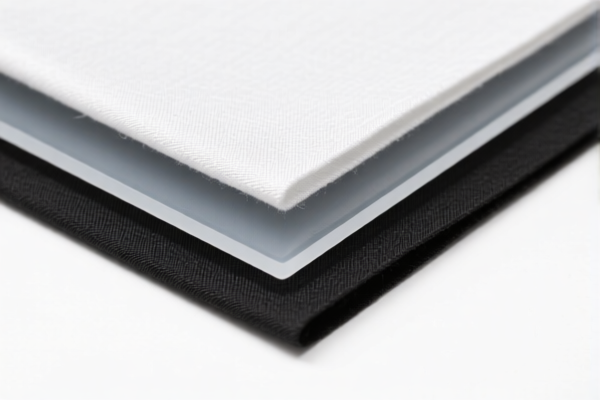
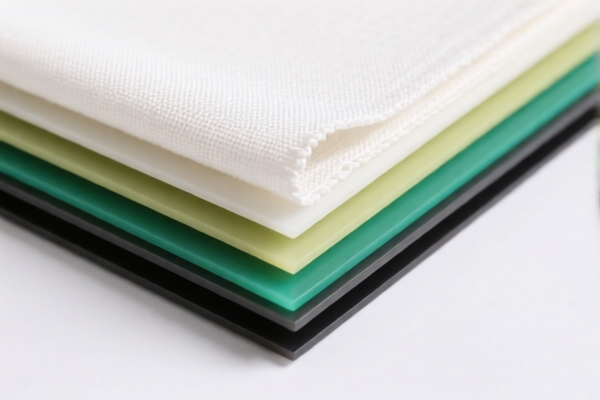
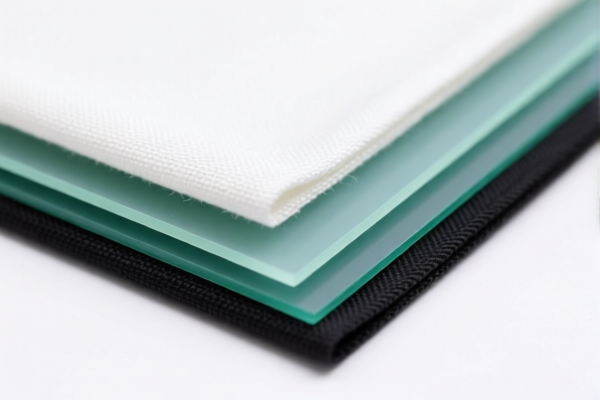
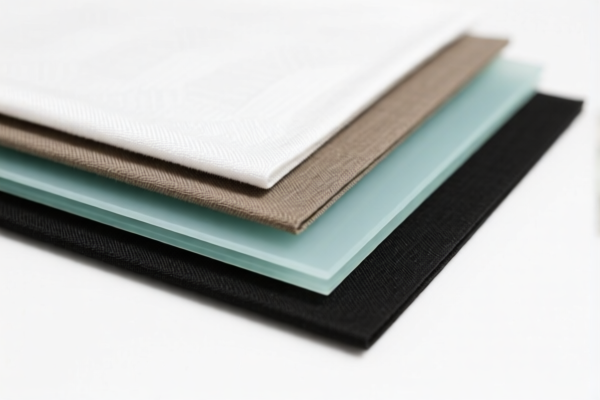
AI Analysis
🧪 Textile Composite Plastic Sheets (Composite Panels)
🌐 HS Code Reference & Customs Clearance Guide | 2026 Latest Tariff Analysis | Professional Clearance Strategy
📌 1. Product Definition & Classification: What Exactly is a "Textile Composite Plastic Sheet"?
"Textile Composite Plastic Sheets" generally refer to flat, rigid, or semi-rigid materials composed of plastic bonded with textile fabrics (such as fiberglass, polyester, or non-woven mats). In international trade, the classification depends heavily on the primary material and the structural form:
- Plastic-Heavy Composites: If plastic is the essential character (e.g., plastic-bonded fiberglass for electrical insulation or construction siding), it falls under Chapter 39 (Plastics).
- Paper/Cardboard-like Composites: If the backing is paper-based or treated paper-like material used for industrial purposes, it may fall under Chapter 48 (Paper/Paperboard).
⚠️ Key Distinction Point: - If the product is primarily plastic-based (rigid plates/sheets) → Classify under HS 3920/3921. - If the product is primarily paper/board-based industrial goods → Classify under HS 4811/4823.
📦 2. HS Code Classification Details (2026 Latest Tariff Authoritative Comparison)
Based on the provided data, the following HS Codes are valid candidates for "Textile Composite Plastic Sheets," categorized by material type.
Category A: Plastic-Based Composite Sheets (Primary Material: Plastic)
| HS Code | Product Description | Application Scenario | Tax Rate Summary |
|---|---|---|---|
3921.90.40.90 |
Plastic composite plates; Material: Plastic; Form: Plate; Reasonable match under other categories. | Industrial plastic boards, laminated plastic sheets, construction panels. | 39.2% |
3921.90.50.50 |
Plastic plates, sheets, film, foil, and strips; Matches HS 3921905050 requirements. | Generic plastic composite boards, rigid plastic sheets. | 39.8% |
3920.99.20.00 |
Laminated, supported, or similar combined materials; Material: Plastic; Form: Composite plate. | Composite materials where plastic is the base, often reinforced with textile. | 39.2% |
Category B: Paper/Cardboard-Based Industrial Composites (Primary Material: Paperboard)
| HS Code | Product Description | Application Scenario | Tax Rate Summary |
|---|---|---|---|
4811.51.20.20 |
Industrial products made of cardboard/paper; Material: Paperboard; Form: Industrial use. | Fallback inference for paper-based industrial composites. | 35.0% |
4823.90.86.80 |
Other paper products; Material: Paperboard; Form: Industrial products. | Falls under the category of "Other paper products" for industrial use. | 35.0% |
🔍 Critical Reminder: - Plastic Dominance: If the plastic component is the essential character, you MUST use codes under 3921/3920. Using paper codes (48xx) for plastic-heavy items will result in misclassification penalties. - Paper Dominance: Only use 4811 or 4823 if the base material is actually paper/cardboard, even if it has a plastic coating or is used in industrial settings.
💰 3. 2026 Latest Tariff Rate Breakdown (Including Surcharges & Policy Add-ons)
✅ Applicable Country: United States (US)
✅ Origin: China (CN)
✅ Effective Date: Post-2025 (Current active rates)
🎯 1. 3921.90.40.90 – Plastic Composite Plates (Plastic-Based)
| Item | Details |
|---|---|
| Base Tariff | 4.2% (Ad Valorem) |
| Section 301 Surcharge | +25.0% (USITC Footnote) |
| Section 122 Tariff | +10.0% (Specific to certain Chinese goods) |
| Total Effective Rate | 39.2% |
| Tax Calculation | CIF Value × 39.2% |
| De Minimis Eligibility | ❌ Not Eligible (High tariff item) |
| Legal Basis Path | USITC:3921.90.40.90 → Section 301: 25% → Section 122: 10% |
📌 Explanation: - Base 4.2%: Standard Most Favored Nation (MFN) rate for plastic plates. - 301 Clause (+25%): Applies to almost all Chinese plastic products under Chapter 39. - Section 122 (+10%): Additional surcharge applicable to this specific commodity code. - Total: 39.2%. This is a significant cost factor.
🎯 2. 3921.90.50.50 – Other Plastic Plates/Sheets (Plastic-Based)
| Item | Details |
|---|---|
| Base Tariff | 4.8% (Ad Valorem) |
| Section 301 Surcharge | +25.0% |
| Section 122 Tariff | +10.0% |
| Total Effective Rate | 39.8% |
| Tax Calculation | CIF Value × 39.8% |
| De Minimis Eligibility | ❌ Not Eligible |
| Legal Basis Path | USITC:3921.90.50.50 → Section 301: 25% → Section 122: 10% |
📌 Note: - Slightly higher base rate (4.8%) compared to
3921.90.40.90. - Same surcharges apply. - Total rate is the highest among plastic options (39.8%).
🎯 3. 3920.99.20.00 – Laminated/Supported Composite Materials (Plastic-Based)
| Item | Details |
|---|---|
| Base Tariff | 4.2% (Ad Valorem) |
| Section 301 Surcharge | +25.0% |
| Section 122 Tariff | +10.0% |
| Total Effective Rate | 39.2% |
| Tax Calculation | CIF Value × 39.2% |
| De Minimis Eligibility | ❌ Not Eligible |
| Legal Basis Path | USITC:3920.99.20.00 → Section 301: 25% → Section 122: 10% |
📌 Explanation: - Often used for "textile-reinforced plastic" if the plastic matrix is dominant. - Same total rate as
3921.90.40.90. - Requires clear documentation proving it is a "laminated or supported" material.
🎯 4. 4811.51.20.20 & 4823.90.86.80 – Paper/Cardboard Industrial Products
| Item | Details |
|---|---|
| Base Tariff | 0.0% (Ad Valorem) |
| Section 301 Surcharge | +25.0% |
| Section 122 Tariff | +10.0% |
| Total Effective Rate | 35.0% |
| Tax Calculation | CIF Value × 35.0% |
| De Minimis Eligibility | ❌ Not Eligible |
| Legal Basis Path | USITC:4811/4823 → Section 301: 25% → Section 122: 10% |
📌 Note: - Lower Base Rate: 0% because it's classified as paper/cardboard. - Same Surcharges: The 301 and 122 clauses still apply to Chinese-origin goods. - Total Rate: 35.0%. This is 4.2%–4.8% cheaper than plastic classifications. - ⚠️ Risk: Only use these if the product is genuinely paper-based. Misclassifying plastic as paper is fraud.
🛠️ 4. Customs Clearance Practical Advice (Battle-Tested Pitfall Guide)
✅ 1. Preparation Checklist (Non-Negotiable)
| Document | Required? | Purpose |
|---|---|---|
| ✅ Product Specification Sheet | ✔️ | Must detail: Base material (Plastic vs. Paper), Reinforcement (Textile type), Thickness, Dimensions. |
| ✅ Material Composition Statement | ✔️ | Explicitly state the % of plastic vs. textile vs. adhesive. Essential for Chapter 39 vs. 48 distinction. |
| ✅ Product Photos (Labeled) | ✔️ | Show cross-section to prove layer structure (e.g., plastic core with fabric layers). |
| ✅ Third-Party Test Report | ✔️ | Certify material composition (e.g., "90% Plastic, 10% Fiberglass"). |
| ✅ Commercial Invoice | ✔️ | Description must be precise: "Plastic Composite Board, Fiberglass-Reinforced" or "Industrial Paperboard, Plastic-Coated". |
| ✅ Packing List | ✔️ | Ensure weight and dimensions match the declared HS Code profile. |
✅ 2. Declaration Tips (Key Mantras)
🔥 "Material is King, Structure is Queen. Be Specific, Avoid Ambiguity!"
| Scenario | Correct Declaration | Wrong Declaration |
|---|---|---|
| Plastic-backed fabric board | "Plastic Composite Plate, Fiberglass Reinforced" | "Fabric Sheet" (Will be reclassified to 39xx, +Tax) |
| Paper-backed plastic laminate | "Industrial Paperboard, Plastic-Coated" | "Plastic Sheet" (Risk of 39xx rate 39.2% instead of 35%) |
| General Composite | "Textile-Reinforced Plastic Laminated Plate" | "Mixed Material Board" (Too vague, leads to audits) |
✅ 3. Special Case Handling
| Scenario | Recommendation |
|---|---|
| Ambiguous Material | If it's hard to tell if it's plastic or paper, provide a lab test report. The component with the essential character determines the Chapter. |
| Textile-Rich Composite | If textile is dominant (>50% weight/value), consider Chapter 59 (Impregnated Textiles), but this is rare for "plates." Stick to 39 or 48. |
| Customs Audit Trigger | If declared as 48xx (35% tax) but Customs finds it's plastic, they will assess 39.2-39.8% + penalties. Ensure accurate material declaration. |
🌍 5. Global Market Comparison (2026 Update)
| Market | Recommended HS Code | Tariff (China Origin) | Key Requirement |
|---|---|---|---|
| 🇺🇸 USA | 3921.90.40.90 (Plastic) |
39.2% | FCC/UL certs if electrical; Section 301+122 apply. |
| 🇺🇸 USA | 4823.90.86.80 (Paper) |
35.0% | Proof of paper-based origin essential. |
| 🇪🇺 EU | 3921 or 4823 |
Low/Zero | CE marking, REACH compliance. No Section 301. |
| 🇨🇳 China | 3921 or 4823 |
~4-8% | CCC certification if applicable. |
📌 Conclusion for US Importers: - Plastic Classification: Expect 39.2%–39.8% total tariffs. - Paper Classification: If legitimately paper-based, save ~4.2%–4.8%. - No De Minimis: These items are too large/expensive for $800 exemptions.
📌 6. Common Mistakes & Pitfalls (Lessons from the Trenches)
❌ Mistake 1: Calling "Fiberglass-Plastic Board" a "Textile Product"
👉 Consequence: Incorrect Chapter 59 classification. Customs will reclassify to 3921 (Plastic) and charge 39.2%.
❌ Mistake 2: Declaring "Composite Board" without material details
👉 Consequence: Customs suspicion → Inspection Delay → Possible detention for 2-4 weeks.
❌ Mistake 3: Using Paper Codes (48xx) for Plastic Products
👉 Consequence: Tax Evasion Penalty. Customs will back-date duties and issue fines.
❌ Mistake 4: Ignoring Section 122 + Section 301
👉 Consequence: Budget shortfall. You calculated 4.2% but owe 39.2%. Cash flow crisis!
✅ Correct Practice:
"Fiberglass-Reinforced Polypropylene Composite Plate, Rigid, Industrial Use, Model XYZ, Made in China"
🎯 7. Conclusion: Precision Saves Money!
🎯 Remember the Mantra:
🔹 "Plastic Base = 39.2-39.8% Tax"
🔹 "Paper Base = 35.0% Tax (if true)"
🔹 "Textile Reinforcement ≠ Textile Class"
🔹 "Accurate Description Prevents Audits"
📌 Pro Tip:
If your product is borderline between Plastic and Paper, consider applying for an Advance Ruling from U.S. Customs and Border Protection (CBP). This gives you a binding legal opinion on the correct HS Code, protecting you from future penalties.
📣 Immediate Action:
📞 Contact Your Customs Broker + Provide Material Safety Data Sheet (MSDS) + Request HS Code Pre-classification
🚀 Clear Customs Smoothly, Control Costs, Maximize Profit!
✨ Professional Clearance Starts with Accurate Classification!
💼 Every Percent of Tariff Matters!
Customer Reviews
About HS Code Classification
The Harmonized System (HS) is an internationally standardized nomenclature developed by the World Customs Organization (WCO) to classify traded products. Over 200 countries use the HS system as the basis for customs tariffs, trade statistics, and import/export regulations.
Each HS code follows a hierarchical structure:
- Chapter (2 digits) — Broad category of goods (e.g., Chapter 84: Machinery and Mechanical Appliances)
- Heading (4 digits) — More specific grouping within the chapter
- Subheading (6 digits) — Internationally standardized breakdown, used by all WCO member countries
- National subdivisions (8-10 digits) — Country-specific extensions for further classification, such as US HTSUS 10-digit codes
Correct HS code classification is essential for smooth customs clearance, accurate duty payment, and compliance with trade regulations. Misclassification can lead to customs delays, overpayment of duties, or penalties.
When importing from CN to US, the applicable tariff rates may include:
- Most-Favored-Nation (MFN) rate — The standard duty rate applied to WTO members
- General rate — Applied to countries without trade agreements
- Trade remedy duties — Additional tariffs such as Section 301 (anti-dumping), Section 232 (national security), or countervailing duties
The information provided on this page is for reference purposes only. For official classification, please consult with your local customs authority or a licensed customs broker.