Textile Composite Plastic Sheets for Clothing
CN → US| HS Code | Tariff Rate | Origin | Destination | Doc |
|---|---|---|---|---|
| 5903102010 | 35.0% | CN | US | Official Doc |
| 3921902510 | 41.5% | CN | US | Official Doc |
| 5603120070 | 35.0% | CN | US | Official Doc |
| 5903102090 | 35.0% | CN | US | Official Doc |
Product Images
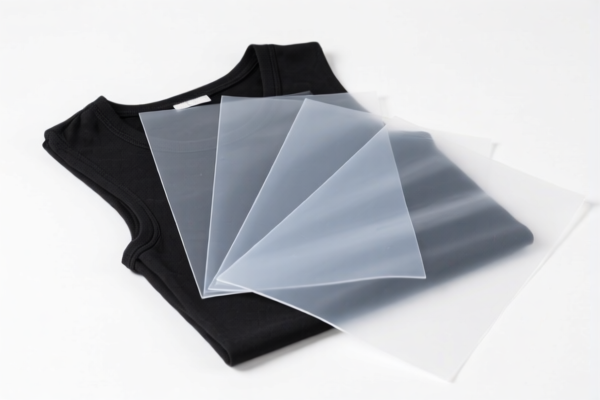
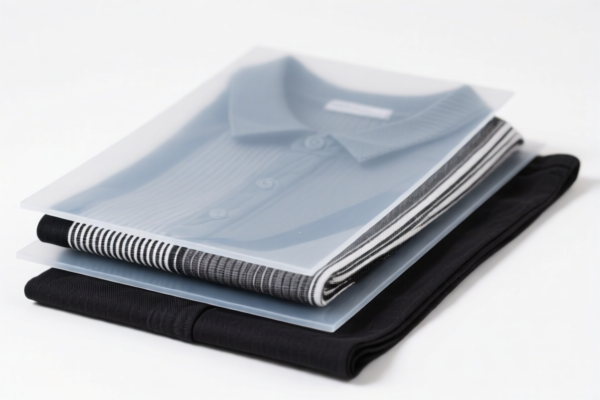
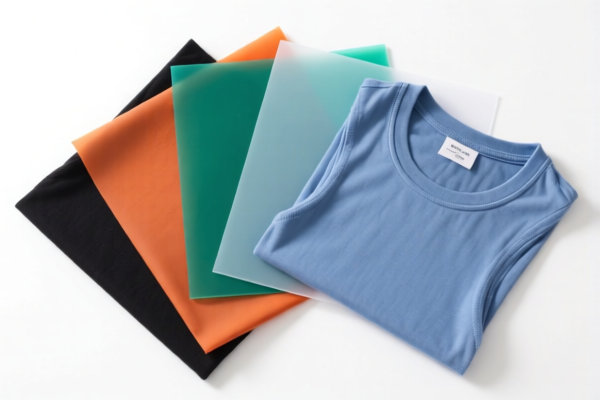
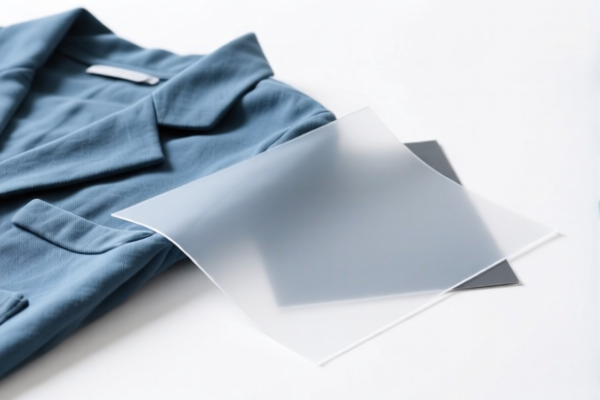
AI Analysis
🧥 Textile Composite Plastic Sheets for Clothing
🌐 HS Code Reference & Customs Clearance Guide | 2026 Latest Tariff Analysis | Professional Clearance Strategy
📌 I. Product Definition and Classification: Do You Really Understand "Textile Composite Plastic Sheets"?
Textile composite plastic sheets for clothing are specialized materials combining the durability of textiles with the water-resistant or protective properties of plastics. In international trade, these materials are primarily classified based on their manufacturing process (impregnation vs. lamination) and textile structure (woven, knitted, or non-woven).
Key Distinctions: 1. Plastic-Impregnated Textiles (Chapter 59): The textile fabric is impregnated, coated, or covered with plastic. This is the most common classification for fabrics used in raincoats, PVC-coated polyester, or plastic-laminated nylon. 2. Plastic Sheets with Textile Reinforcement (Chapter 39): If the plastic layer is the dominant character or if it’s a specific type of composite sheet not primarily defined by the textile’s surface function, it may fall here. 3. Non-Woven Fabrics (Chapter 56): If the textile component is non-woven (e.g., certain waterproof breathable membranes or felt-like composites), it may be classified under Chapter 56.
⚠️ Critical Classification Point:
- If the textile is woven or knitted and the plastic is a coating/impregnation → Chapter 59 is most likely.
- If the material is non-woven → Chapter 56 is a strong candidate.
- If the plastic layer is thick and dominates the physical character, or it’s a flat sheet with textile embedded (not surface-coated) → Chapter 39 may apply.
📦 II. HS Code Classification Details (2026 Latest Tariff Authority Comparison)
| HS Code | Product Description | Application Scenario | Key Feature |
|---|---|---|---|
5903.10.20.10 |
Textile fabrics impregnated, coated, covered or laminated with plastics, of polyvinyl chloride (PVC) | PVC-coated polyester/cotton for rainwear, tents, industrial bags | ✅ PVC Coating |
3921.90.25.10 |
Other plates, sheets, film, foil and strip, of plastics | Plastic composite sheets with textile backing, general industrial use | ✅ Plastic-Dominant |
5603.12.00.70 |
Non-woven fabrics, whether or not impregnated, coated, covered or laminated, weighing more than 70 g/m² but not more than 150 g/m², of synthetic filaments | Non-woven composite materials, breathable fabrics, medical/textile composites | ✅ Non-Woven Structure |
5903.10.20.90 |
Other textile fabrics impregnated, coated, covered or laminated with plastics, of PVC, other | "Catch-all" for PVC-coated textiles not specified elsewhere | ✅ PVC Coating (General) |
🔍 Important Reminder:
- Chapter 59 (5903.10) is the primary classification for most "textile + plastic" clothing materials, especially if the textile provides the structural integrity.
- Chapter 39 (3921.90) is used when the product is considered a "plastic sheet" with textile reinforcement, often in industrial applications rather than direct apparel finishing.
- Chapter 56 (5603.12) is specific to non-woven fabrics. If your material is woven/knitted, this code is incorrect.
💰 III. 2026 Latest Tariff Rate Breakdown (Including Additional Taxes & Policy Add-ons)
✅ Applicable Country: United States (US)
✅ Country of Origin: China (CN)
✅ Effective Date: From November 10, 2025 (including subsequent imports)
🎯 1. 5903.10.20.10 & 5903.10.20.90 —— Textile Fabrics Impregnated with PVC
| Item | Content |
|---|---|
| Base Tariff | 0% (ad valorem) |
| USITC Additional Tariff | +25% (Under USITC Footnote 9903.88.01) |
| IEEPA Additional Tariff | +10% (For products from China/Hong Kong, effective Nov 10, 2025) |
| Total Rate | 35.0% |
| Tax Calculation | CIF Value × 35% |
| De Minimis Exemption Eligible | ❌ No (deny_de_minimis applies) |
| Legal Basis Path | IEEPA:9903.01.25 → IEEPA:9903.01.24 → USITC:5903.10.20.10/90 → FOOTNOTE:9903.88.01 |
📌 Explanation:
- The "25% USITC Additional Tariff" is imposed under Section 301 of the Trade Act.
- The "10% IEEPA Additional Tariff" is an extra layer of tariff on Chinese goods.
- Total 35% is a high tariff. Ensure your supplier provides accurate COO (Certificate of Origin).
🎯 2. 3921.90.25.10 —— Other Plastic Sheets
| Item | Content |
|---|---|
| Base Tariff | 6.5% |
| USITC Additional Tariff | +25% |
| IEEPA Additional Tariff | +10% |
| Total Rate | 41.5% |
| Tax Calculation | CIF Value × 41.5% |
| De Minimis Exemption Eligible | ❌ No (deny_de_minimis applies) |
| Legal Basis Path | IEEPA:9901.25 → IEEPA:9903.01.24 → USITC:3921.90.25.10 → FOOTNOTE:9903.88.01 |
📌 Note:
- This code has a higher base tariff (6.5%) compared to Chapter 59 (0%).
- Misclassifying a PVC-coated textile here can lead to overpayment if it should be 5903.10. However, if the product is truly a plastic sheet with textile backing, this may be the only valid option.
🎯 3. 5603.12.00.70 —— Non-Woven Synthetic Fabrics
| Item | Content |
|---|---|
| Base Tariff | 0% |
| USITC Additional Tariff | +25% |
| IEEPA Additional Tariff | +10% |
| Total Rate | 35.0% |
| Tax Calculation | CIF Value × 35% |
| De Minimis Exemption Eligible | ❌ No (deny_de_minimis applies) |
| Legal Basis Path | IEEPA:9903.01.25 → IEEPA:9903.01.24 → USITC:5603.12.00.70 → FOOTNOTE:9903.88.01 |
📌 Note:
- Only applicable if the textile is non-woven.
- If it’s woven/knitted, using this code is a classification error and may result in penalties.
🛠️ IV. Customs Clearance Practical Advice (Real-World Pitfall Guide)
✅ 1. Required Documentation Checklist (All are mandatory)
| Document | Required? | Description |
|---|---|---|
| ✅ Product Specification Sheet | ✔️ | Must detail: Material composition (e.g., 100% Polyester, PVC coating), weight per square meter, width, thickness |
| ✅ Photos of Product | ✔️ | Clear images showing the fabric side, the plastic side, and any labels |
| ✅ Commercial Invoice | ✔️ | Must explicitly state: "Textile Composite Plastic Sheets for Clothing, PVC Coated" |
| ✅ Packing List | ✔️ | Detail rolls, weight, dimensions |
| ✅ Certificate of Origin (CO) | ✔️ | Essential for determining if additional tariffs apply |
| ✅ Third-Party Test Report | ✔️ | If applicable, show compliance with safety standards (e.g., CPSIA for clothing materials) |
✅ 2. Declaration Tips (Key Mantras)
🔥 "Structure Determines Code, Origin Determines Tax, Description Must Match!"
| Scenario | Correct Declaration | Incorrect Practice |
|---|---|---|
| Woven PVC-Coated Fabric | 5903.10.20.10 or 5903.10.20.90 |
Declare as "Plastic Sheet" → 41.5% |
| Non-Woven Composite | 5603.12.00.70 |
Declare as "Woven Fabric" → Wrong Chapter |
| General Textile-Plastic Composite | 3921.90.25.10 (if plastic-dominant) |
Declare as "Cotton Shirt" → 0% (but risky if audited) |
⚠️ Critical: Do NOT use generic terms like "Fabric" or "Sheet" without specifying the composite nature. The US Customs and Border Protection (CBP) will likely challenge vague descriptions.
✅ 3. Special Handling Scenarios
| Scenario | Recommendation |
|---|---|
| OEM Clothing Materials | Provide the end-product design (if available) to prove it’s for clothing, but the HS code is based on the material itself, not the final garment. |
| Mixed Materials | If the material has multiple layers (e.g., nylon-PVC-polyester), declare the primary material or the one that gives the essential character. |
| Samples vs. Bulk | Samples may still be subject to duties. Do not assume "sample" status exempts you from tariffs. |
| Hydrophobic/Breathable Membranes | If it’s a thin film laminated to fabric, ensure it’s not classified as a "plastic film" (Chapter 39) if the textile is essential. |
🌍 V. Global Market Comparison (2026 Latest)
| Country/Region | Recommended HS Code | Tariff Rate | Certification Requirements | Notes |
|---|---|---|---|---|
| 🇺🇸 United States | 5903.10.20.10 |
35% (China) | No specific FCC/CE, but CPSIA may apply | High tariff; ensure accurate classification |
| 🇨🇳 China (Import) | 5903.10.20.10 |
6.5% | CCC (if applicable) | Lower tariff than US |
| 🇪🇺 European Union | 5903.10.20 |
4.5% | REACH, RoHS | No additional "Section 301" tariffs |
| 🇬🇧 United Kingdom | 5903.10.20 |
4.5% | UKCA, REACH | Post-Brexit, similar to EU but separate system |
| 🇯🇵 Japan | 5903.10.20 |
7.0% | PSE (if electrical components involved) | Moderate tariff |
📌 Conclusion:
- The US market has the highest tariff burden (35-41.5%) due to trade policies.
- EU, Japan, and other markets do not impose these additional punitive tariffs, making them more cost-effective for Chinese-origin textile-composite plastics.
📌 VI. Common Errors & Pitfall Guide (Lessons from Experience)
❌ Error 1: Declaring PVC-coated fabric as "Plastic Sheet" (3921.90) when it should be 5903.10
👉 Consequence: Paying 41.5% instead of 35%. Overpayment of 6.5%.
❌ Error 2: Declaring woven fabric as "Non-Woven" (5603.12) to avoid Chapter 59 scrutiny
👉 Consequence: Misclassification penalty, potential seizure, and retroactive duties.
❌ Error 3: Ignoring the "10% IEEPA Tariff" in cost calculations
👉 Consequence: Underestimating landed cost by 10%, leading to profit loss.
❌ Error 4: Using vague descriptions like "Textile Material"
👉 Consequence: CBP holds shipment for inspection, causing delays and demurrage charges.
✅ Correct Approach:
"PVC-Coated Polyester Woven Fabric, 100% Polyester Base, 200gsm, Roll Width 1.5m, for Raincoat Manufacturing"
🎯 VII. Conclusion: Precise Classification Saves Money!
🎯 Remember the Mantra:
🔹 "Woven/Knitted + Plastic Coating = Chapter 59"
🔹 "Non-Woven + Plastic = Chapter 56"
🔹 "Plastic Sheet + Textile Reinforcement = Chapter 39"
🔹 "US + China Origin = 35-41.5% Tariff"
📌 Pro Tip:
If your material is laminated (not coated/impregnated), and the plastic layer is very thick, consider 3921.90.25.10. But for most clothing applications (raincoats, jackets), 5903.10 is the standard. Always consult a customs broker for pre-classification rulings if the product is complex.
📣 Immediate Action:
📞 Contact a licensed customs broker
📄 Provide detailed material specs (base fabric + coating material + weight)
🚀 Get a binding ruling from CBP to avoid post-import audits!
✨ Professional clearance starts with accurate classification!
💼 Your profit margin depends on every percentage point!
Customer Reviews
About HS Code Classification
The Harmonized System (HS) is an internationally standardized nomenclature developed by the World Customs Organization (WCO) to classify traded products. Over 200 countries use the HS system as the basis for customs tariffs, trade statistics, and import/export regulations.
Each HS code follows a hierarchical structure:
- Chapter (2 digits) — Broad category of goods (e.g., Chapter 84: Machinery and Mechanical Appliances)
- Heading (4 digits) — More specific grouping within the chapter
- Subheading (6 digits) — Internationally standardized breakdown, used by all WCO member countries
- National subdivisions (8-10 digits) — Country-specific extensions for further classification, such as US HTSUS 10-digit codes
Correct HS code classification is essential for smooth customs clearance, accurate duty payment, and compliance with trade regulations. Misclassification can lead to customs delays, overpayment of duties, or penalties.
When importing from CN to US, the applicable tariff rates may include:
- Most-Favored-Nation (MFN) rate — The standard duty rate applied to WTO members
- General rate — Applied to countries without trade agreements
- Trade remedy duties — Additional tariffs such as Section 301 (anti-dumping), Section 232 (national security), or countervailing duties
The information provided on this page is for reference purposes only. For official classification, please consult with your local customs authority or a licensed customs broker.