Textile Composite Plastic Strips for Agricultural Covering
CN → US| HS Code | Tariff Rate | Origin | Destination | Doc |
|---|---|---|---|---|
| 5903102010 | 35.0% | CN | US | Official Doc |
| 3921121100 | 39.2% | CN | US | Official Doc |
| 3921901100 | 39.2% | CN | US | Official Doc |
| 3920992000 | 39.2% | CN | US | Official Doc |
Product Images
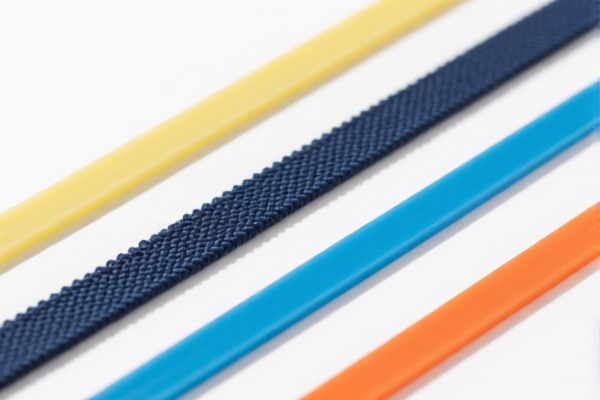
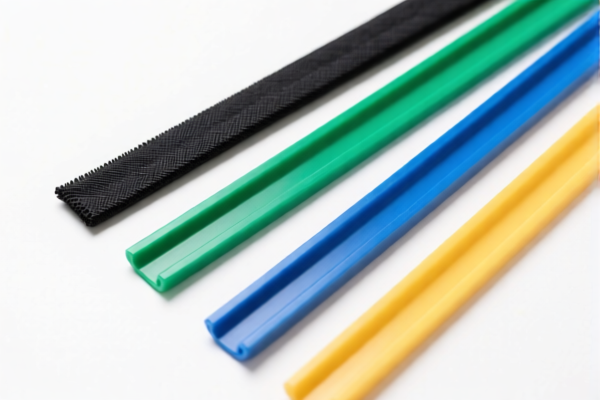
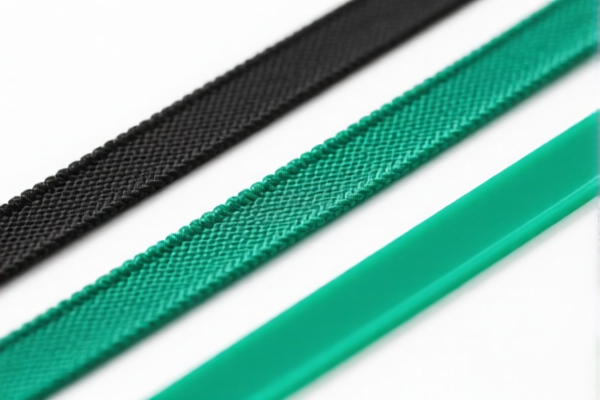
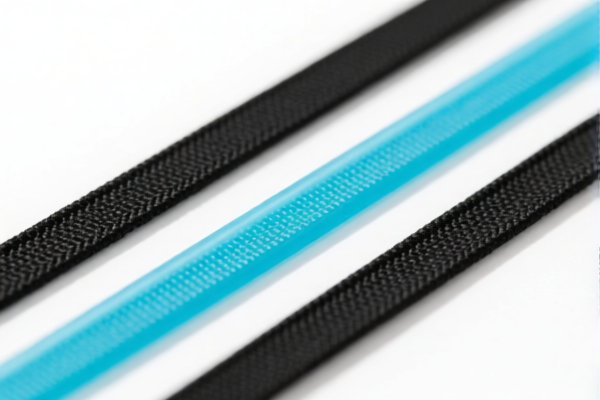
AI Analysis
🌾 Textile Composite Plastic Strips for Agricultural Covering
🌐 HS Code Reference & Customs Clearance Guide | 2026 Latest Tariff Analysis | Professional-Level Clearance Strategy 📌 I. Product Definition & Classification: Do You Truly Understand "Ag-Plastic Composites"?
Textile Composite Plastic Strips for Agricultural Covering represent a critical category of modern agro-textiles. These materials are engineered to combine the durability of fabric with the weather resistance of plastics. In international trade, they are primarily classified based on the primary material composition and the structural hierarchy (which layer is dominant).
The core distinction lies in whether the product is viewed primarily as a textile base with plastic coating or a plastic sheet reinforced with textile:
- Primary View: Textile-Based (HS 5903): If the fabric provides the essential character (e.g., high tensile strength from woven fibers) and plastic is used mainly for waterproofing/UV resistance, it may fall under Chapter 59.
- Primary View: Plastic-Based (HS 3921/3920): If the plastic layer constitutes the essential character (e.g., PVC/PE dominance, flexible sheet form, used primarily for moisture barrier/covering), it falls under Chapter 39.
⚠️ Key Distinction Point:
- Fabric-Centric: Strong woven mesh, plastic coating is thin → Likely 5903.10.20.10.
- Plastic-Centric: Dominant PVC/PE film, reinforced with fiber for stability, typical "greenhouse film" look → Likely 3921.12.11.00 or 3921.90.11.00.
- Generic Plastic Film: If not specifically "composite" in the textile sense but just a plastic sheet used for ag purposes → 3920.99.20.00.
📦 II. HS Code Classification Details (2026 Latest Tariff Authority Comparison)
| HS Code | Product Description | Application Scenario | Primary Characteristic |
|---|---|---|---|
5903.10.20.10 |
Plastic-composite textile fabric, agricultural covering; matches textile fabric characteristics, contains plastic, used for ag covering. | Heavy-duty ag covers, crop nets with plastic coating, fabric-like feel. | ✅ Textile-Dominant: Plastic coated on textile base. |
3921.12.11.00 |
Plastic-composite textile film for ag covering; corresponds to PVC material, composite form, and sheet-like characteristics; typical ag use. | PVC greenhouse films, reinforced plastic sheets. | ✅ PVC-Dominant: PVC base with textile reinforcement. |
3921.90.11.00 |
Plastic-composite textile film for ag covering; conforms to high plastic proportion and film/sheet form, distinct composite textile features. | General plastic composite films (non-PVC or mixed), high plastic content. | ✅ High Plastic Ratio: Composite, film/sheet form, plastic > textile. |
3920.99.20.00 |
Plastic-composite textile film for ag covering; material is plastic, form is composite film, belongs to other flexible film categories. | Generic plastic composite flexible films, other than those specifically named above. | ✅ Generic Plastic Film: Other flexible plastic films, composite nature. |
🔍 Key Reminder:
- Do not oversimplify: The "agricultural" use does not automatically grant a special code. The material composition dictates the code. - PVC vs. PE/PP: If PVC is the main polymer,3921.12.11.00is highly likely. If it's a generic composite plastic,3921.90.11.00or3920.99.20.00applies. - Fabric vs. Film: If it feels like cloth (textile) with plastic, consider5903. If it feels like a plastic sheet with fibers inside, consider3921.
💰 III. 2026 Latest Tariff Rate Details (Including Additional Taxes & Policy Add-ons)
✅ Applicable Country: USA (US)
✅ Origin: China (CN)
✅ Effective Date: From Nov 10, 2025 (and subsequent imports)
🎯 1. 5903.10.20.10 —— Plastic-Composite Textile Fabric (Textile-Dominant)
| Item | Content |
|---|---|
| Base Rate | 0% (ad valorem) |
| USITC Additional Tax | +25% (Under USITC Footnote for Section 301) |
| Section 122 Tax | +10% (Specific provision for certain textile/plastic composites under Section 122) |
| Total Rate | 35.0% |
| Tax Calculation | CIF Value × 35.0% |
| De Minimis Exemption | ❌ Not Eligible (deny_de_minimis) |
| Legal Basis Path | Section 301: 9903.88.01 → Section 122: 9903.25.03 → USITC:5903.10.20.10 |
📌 Explanation:
- 0% Base: Standard MFN rate for many textile/plastic composites. - 25% Section 301: Standard Trump-era/Biden-era continuation tariff on Chinese goods. - 10% Section 122: A specific additional tariff applied to certain textile and plastic composite products imported from China. - Total 35%: This is a high-cost category. Accurate classification is vital to avoid overpayment if a better code applies, but risk of misclassification is also high.
🎯 2. 3921.12.11.00 —— PVC Plastic Composite Film (PVC-Dominant)
| Item | Content |
|---|---|
| Base Rate | 4.2% (ad valorem) |
| USITC Additional Tax | +25% (Under USITC Footnote for Section 301) |
| Section 122 Tax | +10% (Specific provision for certain textile/plastic composites) |
| Total Rate | 39.2% |
| Tax Calculation | CIF Value × 39.2% |
| De Minimis Exemption | ❌ Not Eligible (deny_de_minimis) |
| Legal Basis Path | Section 301: 9903.88.01 → Section 122: 9903.25.03 → USITC:3921.12.11.00 |
📌 Note:
- Higher Base Rate: PVC has a base duty of 4.2%, unlike the 0% for some textile-composites. - Total 39.2%: This is the highest total duty among the options. If your product is PVC-based, expect to pay ~39.2%. - Critical: Ensure the product is indeed PVC. If it is PE (Polyethylene), this code is incorrect.
🎯 3. 3921.90.11.00 —— Other Plastic Composite Films (High Plastic Content)
| Item | Content |
|---|---|
| Base Rate | 4.2% (ad valorem) |
| USITC Additional Tax | +25% (Under USITC Footnote for Section 301) |
| Section 122 Tax | +10% (Specific provision for certain textile/plastic composites) |
| Total Rate | 39.2% |
| Tax Calculation | CIF Value × 39.2% |
| De Minimis Exemption | ❌ Not Eligible (deny_de_minimis) |
| Legal Basis Path | Section 301: 9903.88.01 → Section 122: 9903.25.03 → USITC:3921.90.11.00 |
📌 Attention:
- Same as PVC Code: Although it may not be PVC, if it is a "composite film" with high plastic content, it falls here. - Total 39.2%: Identical tax burden to3921.12.11.00. - Differentiation: Use this if the product is a composite film but not specifically PVC or if it doesn't fit the "textile-fabric" definition of 5903.
🎯 4. 3920.99.20.00 —— Other Plastic Films (Generic Composite)
| Item | Content |
|---|---|
| Base Rate | 4.2% (ad valorem) |
| USITC Additional Tax | +25% (Under USITC Footnote for Section 301) |
| Section 122 Tax | +10% (Specific provision for certain textile/plastic composites) |
| Total Rate | 39.2% |
| Tax Calculation | CIF Value × 39.2% |
| De Minimis Exemption | ❌ Not Eligible (deny_de_minimis) |
| Legal Basis Path | Section 301: 9903.88.01 → Section 122: 9903.25.03 → USITC:3920.99.20.00 |
📌 Warning:
- Generic Code: This is often a "catch-all" for plastic films. If your product is clearly a "composite textile-plastic" ag cover, customs may challenge this if a more specific code (like 3921) exists. - Total 39.2%: Same high tariff as other 3921 codes. - Risk: Misclassification risk is higher here. If it's truly a composite textile,3921or5903is more accurate.
🛠️ IV. Customs Clearance Practical Advice (Real-World Pitfall Guide)
✅ 1. Required Documentation Checklist (Non-Negotiable)
| Document | Must Provide | Explanation |
|---|---|---|
| ✅ Product Specification Sheet | ✔️ | Detailed material breakdown: % of plastic, % of textile, type of plastic (PVC/PE/PP), type of textile (polyester/cotton/glass fiber). |
| ✅ Composition Analysis Report | ✔️ | Third-party lab test confirming polymer and fiber content. Critical for distinguishing between 5903 (textile) and 3921 (plastic). |
| ✅ Product Photos | ✔️ | Close-ups showing texture (fabric-like vs. film-like), cross-section view if possible. |
| ✅ Usage Description | ✔️ | Explicitly state "Agricultural Covering" (e.g., greenhouse, crop protection, mulch). |
| ✅ Commercial Invoice | ✔️ | Must clearly describe the item as "Textile Composite Plastic Film for Agricultural Use," not just "Plastic Sheet." |
| ✅ Certificate of Origin | ✔️ | Required for determining origin-based tariffs (China = high tariffs). |
| ✅ Packing List | ✔️ | Clear separation of goods and any accessories. |
✅ 2. Declaration Strategy (Key Mantras)
🔥 “Material Dictates Code, Not Use! Plastic > Textile = 3921; Textile > Plastic = 5903; PVC Specific = 3921.12”
| Scenario | Correct Declaration | Wrong Practice |
|---|---|---|
| PVC-based with fabric reinforcement | 3921.12.11.00 |
Misclassifying as 5903 → Audit risk. |
| PE/PP-based composite film, high plastic content | 3921.90.11.00 |
Generic 3920 → Risk of customs rejection. |
| Fabric with heavy plastic coating (cloth-like) | 5903.10.20.10 |
Misclassifying as 3921 → Potential 0.8% lower duty, but high audit risk if textile character is dominant. |
| Generic plastic film used for ag | 3920.99.20.00 |
Using ag-specific codes incorrectly → Delay. |
💡 Tip:
- If the product is flexible, sheet-like, and plastic-dominated, lean towards 3921. - If the product is woven, fabric-like, and plastic-coated, lean towards 5903. - Section 122 applies to all these codes for Chinese origin, so the base rate is the main differentiator between 35.0% and 39.2%.
✅ 3. Special Case Handling
| Situation | Handling Advice |
|---|---|
| Multi-layer Films | Provide a detailed layer-by-layer breakdown. If one layer dominates character, classify based on that. |
| OEM for Ag Brands | Ensure the product description matches the technical specs, not just the brand marketing. |
| Pre-cut vs. Rolls | Declaration is the same, but ensure packaging description is clear. |
| Origin Shift | If produced in Vietnam/Malaysia/Thailand, IEEPA/Section 122/301 tariffs may be reduced or eliminated. Get a proper CO! |
🌍 V. Global Market Comparison (2026 Latest)
| Country/Region | Recommended HS Code | Tariff (China Origin) | Certification Req. | Notes |
|---|---|---|---|---|
| 🇺🇸 USA | 5903.10.20.10 / 3921.12.11.00 |
35.0% - 39.2% | None specific, but documentation is key | Highest tariffs globally for this product. |
| 🇨🇳 China | 5903.10.20.10 / 3921.12.11.00 |
~4% - 10% | None | Low import duty, but may have environmental regulations. |
| 🇪🇺 EU | 3921.12.11.00 / 5903.10.20.10 |
0% - 4% | REACH, RoHS | No Section 122/301. Much lower cost. |
| 🇬🇧 UK | 3921.12.11.00 / 5903.10.20.10 |
0% - 4% | UKCA, REACH | Post-Brexit rules. |
| 🇦🇺 Australia | 3921.12.11.00 / 5903.10.20.10 |
5% | SAA | No major anti-dumping duties for this item. |
📌 Conclusion:
- USA is the most expensive market for Chinese-origin ag-composite plastics due to Section 301 + Section 122. - EU/UK offer significantly lower duty rates (0-4%), making them more attractive if supply chain allows. - Cost Impact: A $10,000 shipment could face $3,500–$3,920 in duties in the US vs. $0–$400 in the EU.
📌 VI. Common Errors & Pitfall Guide (Lessons Learned)
❌ Error 1: Declaring as "Plastic Sheet" (3920.99) when it is clearly a composite textile (5903 or 3921).
👉 Consequence: Customs audit, potential duty underpayment, and penalties.
❌ Error 2: Ignoring Section 122.
👉 Consequence: Missing the extra 10% tax leads to underpayment, resulting in late fees and interest.
❌ Error 3: Confusing PVC (3921.12) with Other Plastics (3921.90).
👉 Consequence: Classification error, potential reclassification by CBP, and delays.
❌ Error 4: Using "Ag Net" as a generic term without material specs.
👉 Consequence: CBP cannot determine if it's textile (5903) or plastic (3921). Shipment held.
✅ Correct Approach:
"PVC-Coated Polyester Textile Composite Film, for Agricultural Greenhouse Covering, 100% New, Made in China."
🎯 VII. Conclusion: Precision Classification Saves Money!
🎯 Remember the Mantra:
🔹 "Textile Character = 5903 (35%); PVC Dominant = 3921.12 (39.2%); Other Plastic Composite = 3921.90 (39.2%)."
🔹 "Section 122 adds 10% to ALL these codes for China. Don't forget it!"
🔹 "HS Code is determined by Material, Not by Use!"
📌 Pro Tip:
If your product is polymer-based (PE/PP) and not PVC, check if it can be classified under 3920.99.20.00 instead of 3921.90.11.00. The rates are the same (39.2%), but ensure the description fits "other flexible films" rather than "composite" if that better describes your product. However, if it is truly a composite,
3921is more accurate.
📣 Immediate Action:
📞 Consult a Customs Broker + Provide Material Composition Report + Apply for Advance Ruling if high volume.
🚀 Accurate classification ensures smooth clearance and predictable costs!
✨ Professional Clearance, Starts with Precise Classification!
💼 Every cent of tariff, deserves precise calculation!
Customer Reviews
About HS Code Classification
The Harmonized System (HS) is an internationally standardized nomenclature developed by the World Customs Organization (WCO) to classify traded products. Over 200 countries use the HS system as the basis for customs tariffs, trade statistics, and import/export regulations.
Each HS code follows a hierarchical structure:
- Chapter (2 digits) — Broad category of goods (e.g., Chapter 84: Machinery and Mechanical Appliances)
- Heading (4 digits) — More specific grouping within the chapter
- Subheading (6 digits) — Internationally standardized breakdown, used by all WCO member countries
- National subdivisions (8-10 digits) — Country-specific extensions for further classification, such as US HTSUS 10-digit codes
Correct HS code classification is essential for smooth customs clearance, accurate duty payment, and compliance with trade regulations. Misclassification can lead to customs delays, overpayment of duties, or penalties.
When importing from CN to US, the applicable tariff rates may include:
- Most-Favored-Nation (MFN) rate — The standard duty rate applied to WTO members
- General rate — Applied to countries without trade agreements
- Trade remedy duties — Additional tariffs such as Section 301 (anti-dumping), Section 232 (national security), or countervailing duties
The information provided on this page is for reference purposes only. For official classification, please consult with your local customs authority or a licensed customs broker.