Textile Composite Plastic Strips for Packaging
CN → US| HS Code | Tariff Rate | Origin | Destination | Doc |
|---|---|---|---|---|
| 5903102090 | 35.0% | CN | US | Official Doc |
| 5903102010 | 35.0% | CN | US | Official Doc |
| 6305330080 | 25.9% | CN | US | Official Doc |
| 6305390000 | 25.9% | CN | US | Official Doc |
| 5903102090 | 35.0% | CN | US | Official Doc |
Product Images
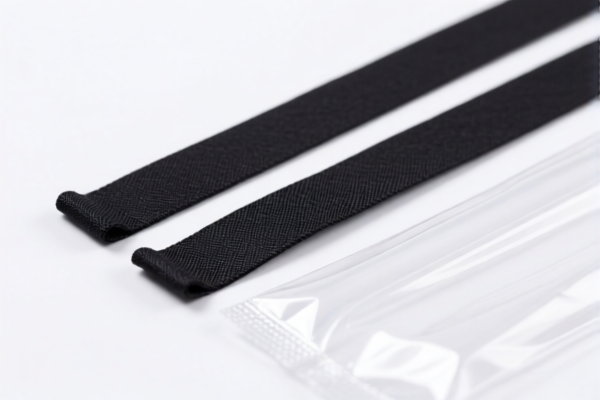
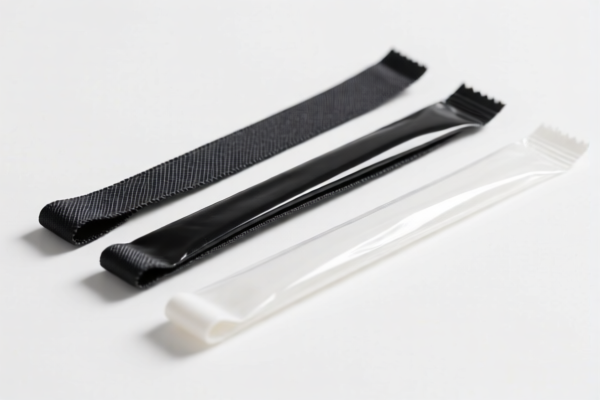
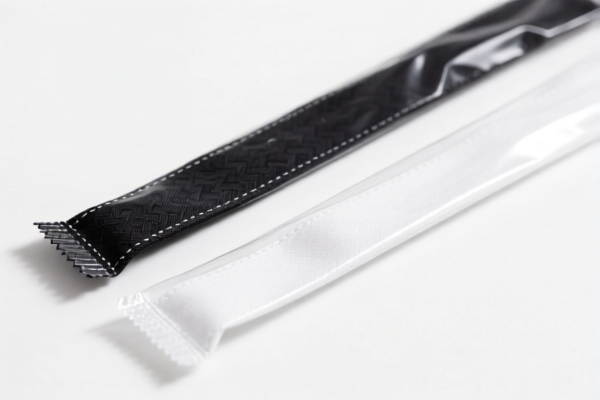
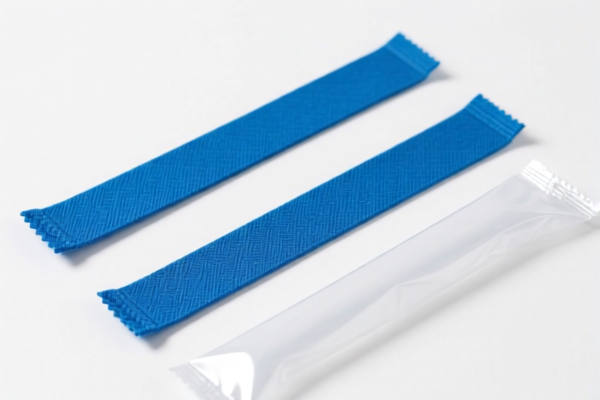
AI Analysis
🧶 Textile-Composite Plastic Strips (Packaging)
🌐 HS Code Reference & Customs Clearance Guide | 2026 Latest Tariff Analysis | Professional Clearance Strategy
📌 I. Product Definition & Classification: Do You Really Understand "Plastic-Textile Composite Strips"?
Plastic strips for packaging, specifically those combining synthetic fibers (textile) with plastics (polyethylene/polypropylene), are critical components in strapping, banding, and industrial packaging. In international trade, they are classified based on their material composition, structure (fibrillated vs. non-fibrillated), and application.
Woven vs. Non-Woven/Flat:
- Non-fibrillated strips (Flat/Sheathed): Solid or coated strips without split fibrils. Often used for high-strength bundling.
- Fibrillated strips (Split/Textile-like): Strips that have been split to create a fibrous texture, behaving more like rope or twine.
⚠️ Key Distinction Point:
- If the product is a wide strip of polyethylene/polypropylene without fibrillation, it falls under 5607.49.10.00.
- If it is a twine/rope-like product made of polyethylene/polypropylene (fibrillated or braided), it may fall under 5607.49.30.00.
- If it is a woven fabric with >60% plastic by weight, it falls under 5407.30.10.00.
- If it is a belt for machinery containing textile fibers, it falls under 3926.90.59.00 or 3926.90.57.00.
📦 II. HS Code Classification Details (2026 Latest Tariff Authority Comparison)
| HS Code | Product Description | Applicable Scenario | Key Characteristics |
|---|---|---|---|
5607.49.10.00 |
Twine/Cordage/Ropes: Of Polyethylene/Polypropylene: Other: Of wide nonfibrillated strip | Flat plastic strapping, non-split bands, industrial bundling | ✅ No fibrils, wide strip, pure plastic/twine definition |
5607.49.30.00 |
Twine/Cordage/Ropes: Of Polyethylene/Polypropylene: Other: Other | Fibrillated strapping, braided ropes, split plastic twine | ✅ Fibrillated/braided, rope-like texture |
3926.90.59.00 |
Other articles of plastics: Belting/belts for machinery: Containing textile fibers: Other: Other | Plastic-mechanical belts with mixed textile reinforcement (non-man-made predominant) | ❌ Machinery belt, mixed fibers, not predominantly synthetic |
3926.90.57.00 |
Other articles of plastics: Belting/belts for machinery: Containing textile fibers: Other: With textile components where man-made fibers predominate | Industrial belts where synthetic/textile fibers > other textiles | ❌ Machinery belt, synthetic-dominant textile mix |
5407.30.10.00 |
Woven fabrics of synthetic filament: >60% by weight of plastics | Plastic-coated woven fabrics, heavy-duty packaging fabrics | ✅ Woven structure, >60% plastic weight |
5407.30.90.00 |
Woven fabrics of synthetic filament: Other | Standard woven synthetic fabrics (not high-plastic content) | ✅ Woven, <60% plastic or standard composition |
🔍 Key Reminder:
- Strapping vs. Belt: "Strapping for packaging" is typically classified under Chapter 56 (Twine/Cordage) if it meets the definition of twine/rope. "Belts for machinery" (Chapter 39) are distinct and have different tax treatments.
- Fibrillation: The presence of nonfibrillated wide strips (flat) vs. fibrillated/rope-like forms is the primary divider between5607.49.10.00and5607.49.30.00.
- Plastic Content: If the product is a woven fabric with >60% plastic by weight, it triggers the specific HS code5407.30.10.00, which carries a 25% additional tariff.
💰 III. 2026 Latest Tariff Rate Details (Including Additional Taxes)
✅ Applicable Country: United States (US)
✅ Origin: China (CN)
✅ Effective Date: Current 2026 Tariff Schedule
🎯 1. 5607.49.10.00 — Wide Nonfibrillated Plastic Strips (Twine/Cordage)
| Item | Content |
|---|---|
| Base Tariff | 0% (ad valorem) |
| Additional Tariff (Section 301/USITC) | 0% |
| IEEPA Additional Tariff | 0% |
| Total Tariff Rate | 0.0% |
| Tax Calculation | CIF Value × 0% = $0 |
| De Minimis Eligibility | ✅ Yes (if under $800) |
| Legal Basis | USITC:5607.49.10.00 → No Footnote 9903.88.01 applied |
📌 Explanation:
- This specific subheading for wide nonfibrillated strips of polyethylene/polypropylene enjoys a 0% total tariff in the US.
- It is NOT subject to the 25% Section 301 tariff or the 10% IEEPA tariff often applied to other plastic/textile mixes.
- Advantage: This is the most cost-effective classification for flat plastic strapping.
🎯 2. 5607.49.30.00 — Other Plastic Twine/Ropes (Fibrillated/Braided)
| Item | Content |
|---|---|
| Base Tariff | 0% |
| Additional Tariff (Section 301/USITC) | 0% |
| IEEPA Additional Tariff | 0% |
| Total Tariff Rate | 0.0% |
| Tax Calculation | CIF Value × 0% = $0 |
| De Minimis Eligibility | ✅ Yes |
| Legal Basis | USITC:5607.49.30.00 |
📌 Note:
- Like the nonfibrillated strips, fibrillated plastic twines also enjoy a 0% total tariff.
- Whether it’s a flat strip or a split/fibrillated rope, Chapter 56 plastic twines currently face no additional US tariffs.
🎯 3. 5407.30.10.00 — Woven Fabrics with >60% Plastic
| Item | Content |
|---|---|
| Base Tariff | 0% |
| Additional Tariff (Section 301/USITC) | +25.0% |
| IEEPA Additional Tariff | 0% |
| Total Tariff Rate | 25.0% |
| Tax Calculation | CIF Value × 25% |
| De Minimis Eligibility | ❌ No (Deny de minimis for 301 items) |
| Legal Basis | USITC:5407.30.10.00 → FOOTNOTE:9903.88.01 (301 Tariff) |
📌 Critical Warning:
- If your "plastic strip" is actually a woven fabric with >60% plastic by weight, it falls under5407.30.10.00.
- This triggers a 25% additional tariff on top of the 0% base rate.
- De Minimis ($800) is blocked for this code under Section 301.
- Misclassification Risk: Do NOT declare a woven fabric as "twine" to avoid the 25% tax. Customs will scrutinize the weave structure.
🎯 4. 3926.90.59.00 & 3926.90.57.00 — Plastic Belts for Machinery
| Item | Content |
|---|---|
| Base Tariff | 2.4% (59) / 0.0% (57) |
| Additional Tariff (Section 301/USITC) | +25.0% |
| Total Tariff Rate | 27.4% (59) / 0.0% (57) |
| De Minimis Eligibility | ❌ No for 3926.90.59.00 |
📌 Explanation:
- These codes apply to industrial machinery belts, not packaging strapping.
-3926.90.59.00(non-synthetic dominant textile) incurs a 27.4% total tariff.
-3926.90.57.00(synthetic dominant textile) incurs a 0% total tariff.
- Clarification: Packaging strips are generally NOT considered "belts for machinery." Misclassifying strapping as machinery belts can lead to audit flags.
🛠️ IV. Customs Clearance Practical Advice (Battle-Tested Pitfall Guide)
✅ 1. Documentation Checklist (Mandatory)
| Document | Required | Explanation |
|---|---|---|
| ✅ Product Specification Sheet | ✔️ | Detail: Material (PE/PP), Width, Thickness, Fibrillation status, Weave structure (if any) |
| ✅ Photos (Macro & Micro) | ✔️ | Show surface texture: Is it smooth (nonfibrillated) or fibrous (fibrillated)? |
| ✅ Commercial Invoice | ✔️ | Description: "Plastic Strapping Tape, Non-fibrillated, Polypropylene" |
| ✅ Certificate of Origin | ✔️ | For potential FTAA benefits if not from China |
| ✅ Material Composition Statement | ✔️ | Confirm % plastic vs. textile fibers (critical for Chapter 39 vs. 54 vs. 56) |
✅ 2. Classification Strategy (Key Mnemonic)
🔥 "Flat is Zero, Woven is Twenty-Five, Belt is Tricky!"
| Scenario | Correct HS Code | Tariff | Why? |
|---|---|---|---|
| Flat, Smooth Plastic Strapping | 5607.49.10.00 |
0% | Defined as "wide nonfibrillated strip" |
| Fibrillated/Split Plastic Rope | 5607.49.30.00 |
0% | Defined as "Other" twine/rope |
| Woven Fabric (>60% Plastic) | 5407.30.10.00 |
25% | High plastic content woven fabric |
| Machinery Belt (Mixed Fibers) | 3926.90.59.00 |
27.4% | Industrial use, non-synthetic dominant |
| Machinery Belt (Synthetics) | 3926.90.57.00 |
0% | Industrial use, synthetic dominant |
✅ 3. Special Handling Cases
| Scenario | Handling Advice |
|---|---|
| OEM Custom Colors/Printing | Provide printing specs. Ensure no misleading "brand" claims that affect origin. |
| Coated/Impregnated Strips | Declare coating material. If rubber/plastic coated, still likely 5607.49.10.00 if width/structure remains. |
| Mixed Shipments (Strapping + Machinery Parts) | Separate Line Items. Do not lump plastic strapping under machinery parts. |
| Woven vs. Non-Woven Dispute | Provide microscope images if asked. Woven = Interlaced yarns. Twine = Plaited/Braided fibers. |
🌍 V. Global Market Clearance Comparison (2026)
| Country/Region | Recommended HS Code | Tariff | Certification | Notes |
|---|---|---|---|---|
| 🇺🇸 USA | 5607.49.10.00 |
0% | None | Best for flat strips. Avoid 5407.30.10.00 due to 25% tax. |
| 🇨🇳 China | 5607.49.10.00 |
5-10% | None | Export duty may apply if exported from China. |
| 🇪🇺 EU | 5607.49.10.00 |
0-6.5% | REACH | Check for REACH compliance if containing specific chemicals. |
| 🇬🇧 UK | 5607.49.10.00 |
0-6.5% | UKCA | Post-Brexit rules apply. |
| 🇦🇺 Australia | 5607.49.10.00 |
5% | GCC | No special anti-dumping on this code. |
📌 Conclusion:
- USA is the most tariff-friendly for nonfibrillated plastic strips (5607.49.10.00).
- EU and Australia have moderate tariffs (5-6.5%) but no additional punitive taxes.
- Avoid5407.30.10.00in the US unless you are certain it is a woven fabric with >60% plastic, as the 25% tax is significant.
📌 VI. Common Errors & Pitfalls (Lessons from Blood and Tears)
❌ Error 1: Declaring Woven Plastic Fabric as "Twine" to avoid the 25% tariff
👉 Consequence: Customs audits the weave structure → Back taxes + 25% penalty + 25% tariff.
❌ Error 2: Declaring Flat Strapping as "Machinery Belt" (3926.90.57.00)
👉 Consequence: While tax is 0%, customs may reject it if the product is clearly for packaging, not machinery. Risk of seizure.
❌ Error 3: Ignoring Fibrillation Status
👉 Consequence: Misclassifying fibrillated (rope-like) as nonfibrillated. If caught, re-classification penalties apply.
❌ Error 4: Using "Plastic Tape" generically
👉 Consequence: Customs needs specific material structure (woven vs. braided vs. flat strip).
✅ Correct Practice:
"Plastic Strapping, Polypropylene, Non-fibrillated, Width: 15mm, Thickness: 0.3mm, Spool Packaging"
🎯 VII. Conclusion: Precise Classification, Maximize Profit!
🎯 Remember the Mnemonic:
🔹 "Flat Strip = 0%, Woven High-Plastic = 25%, Belt = Tricky!"
🔹 "Structure Matters: Weave vs. Twist vs. Flat!"
🔹 "De Minimis is Dead for 301 Items (5407.30.10.00)!"
📌 Pro Tip:
If your product is a woven fabric but <60% plastic by weight, use 5407.30.90.00 (0% tariff) instead of 5407.30.10.00 (25% tariff). Verify the weight percentage of plastic vs. other fibers in your composite.
📣 Immediate Action:
📞 Consult your customs broker with material composition data.
📸 Upload macro photos of the strip surface.
🚀 Secure the 0% tariff by correctly classifying as5607.49.10.00(Nonfibrillated) or5607.49.30.00(Fibrillated).
✨ Professional Clearance Starts with Accurate Classification!
💼 Your Every Cent of Cost Deserves to be Precisely Calculated!
Customer Reviews
About HS Code Classification
The Harmonized System (HS) is an internationally standardized nomenclature developed by the World Customs Organization (WCO) to classify traded products. Over 200 countries use the HS system as the basis for customs tariffs, trade statistics, and import/export regulations.
Each HS code follows a hierarchical structure:
- Chapter (2 digits) — Broad category of goods (e.g., Chapter 84: Machinery and Mechanical Appliances)
- Heading (4 digits) — More specific grouping within the chapter
- Subheading (6 digits) — Internationally standardized breakdown, used by all WCO member countries
- National subdivisions (8-10 digits) — Country-specific extensions for further classification, such as US HTSUS 10-digit codes
Correct HS code classification is essential for smooth customs clearance, accurate duty payment, and compliance with trade regulations. Misclassification can lead to customs delays, overpayment of duties, or penalties.
When importing from CN to US, the applicable tariff rates may include:
- Most-Favored-Nation (MFN) rate — The standard duty rate applied to WTO members
- General rate — Applied to countries without trade agreements
- Trade remedy duties — Additional tariffs such as Section 301 (anti-dumping), Section 232 (national security), or countervailing duties
The information provided on this page is for reference purposes only. For official classification, please consult with your local customs authority or a licensed customs broker.