Textile Fiber Reinforced Rubber Synchronous Belt
CN → US| HS Code | Tariff Rate | Origin | Destination | Doc |
|---|---|---|---|---|
| 4010354500 | 41.4% | CN | US | Official Doc |
| 5910001020 | 39.0% | CN | US | Official Doc |
| 4010364500 | 41.4% | CN | US | Official Doc |
| 5910009000 | 37.6% | CN | US | Official Doc |
| 5910001070 | 39.0% | CN | US | Official Doc |
Product Images
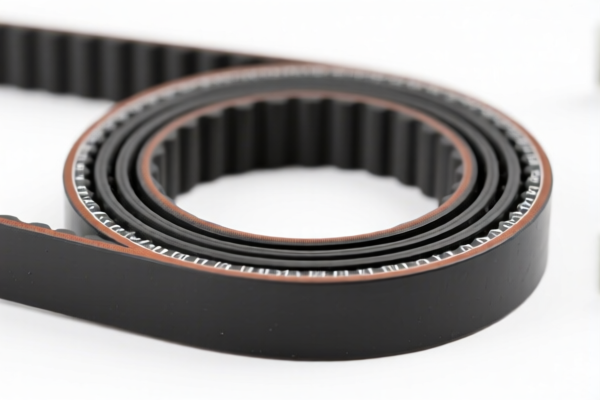
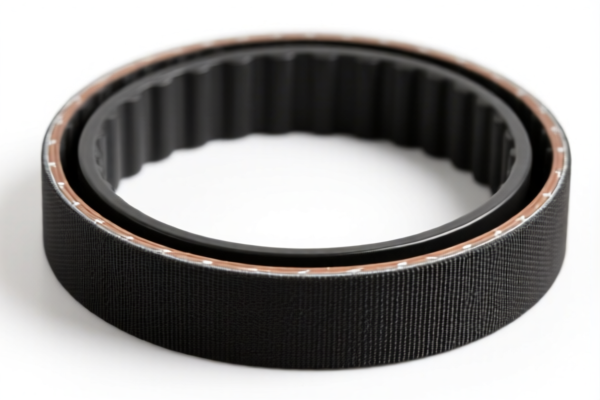
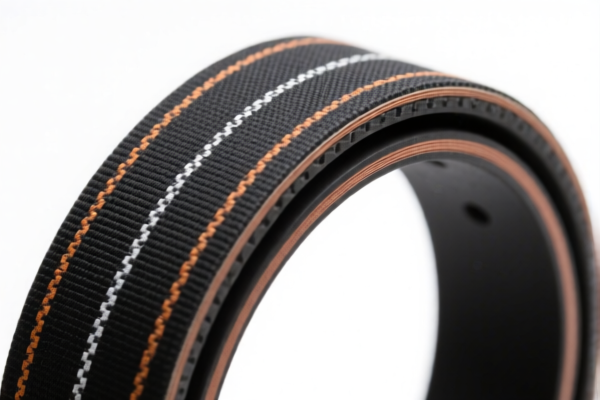
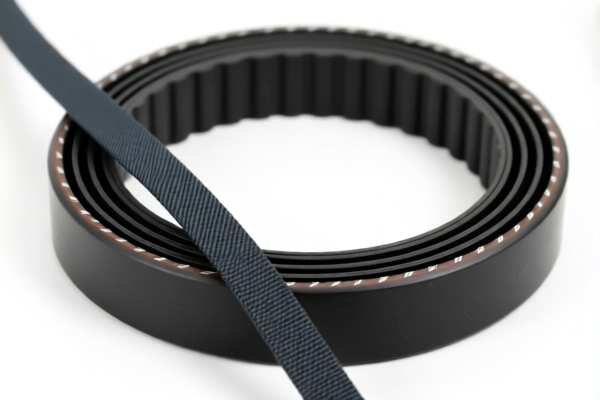
AI Analysis
⚙️ Textile Fiber Reinforced Rubber Synchronous Belt
🌐 HS Code Reference & Customs Clearance Guide | 2026 Latest Tariff Analysis | Professional Entry Strategy
📌 I. Product Definition & Classification: Do You Really Understand the "Synchronous Belt"?
The Textile Fiber Reinforced Rubber Synchronous Belt is a critical power transmission component, widely used in industrial machinery, automotive engines, and precision equipment. It combines the tensile strength of textile fibers (usually polyester or aramid) with the frictional grip of rubber.
In international trade, classification hinges on two factors:
1. The Primary Material: Is it primarily rubber (Chapter 40) or primarily textile/artificial fiber (Chapter 59)?
2. The Specific Application: Is it a synchronous belt (timed belt, with teeth) or a conveyor belt?
⚠️ Key Classification Divergence:
- If the belt is primarily rubber with textile reinforcement (industrial standard for synchronous belts) → Chapter 40 (4010)
- If the belt is primarily textile/fiber based (often broader conveyor belts or specific textile articles) → Chapter 59 (5910)
- Crucial Distinction: Synchronous belts (timing belts) are generally NOT classified as conveyor belts unless specifically designed for continuous material transport. Misclassification leads to significant tax discrepancies.
📦 II. HS Code Classification Details (2026 Latest Tariff Authority)
| HS Code | Product Description | Application Scenario | Primary Material Inference |
|---|---|---|---|
4010.35.45.00 |
Textile-Reinforced Synchronous Belt (Vulcanized Rubber) | Industrial synchronous drives, matched with endless belts; inferred as vulcanized rubber due to textile binding. | 🟥 Rubber (Vulcanized) |
5910.00.10.20 |
Textile-Reinforced Synchronous Belt (Artificial Fiber) | Explicitly defined by textile material and synchronous function; falls under "Artificial Fiber" category. | 🟦 Textile/Artificial Fiber |
4010.36.45.00 |
Textile-Reinforced Synchronous Belt (Vulcanized Rubber) | Same morphology as above; industry常识 infers vulcanized rubber matrix for durability. | 🟥 Rubber (Vulcanized) |
5910.00.90.00 |
Textile-Reinforced Conveyor Belt | Classified as a Conveyor Belt (not synchronous drive); textile material is primary. | 🟦 Textile |
5910.00.10.70 |
Textile-Reinforced Conveyor Belt (Other) | General textile-reinforced belt, inferred as artificial fiber/textile; "Other" category. | 🟦 Textile/Artificial Fiber |
🔍 Critical Reminder:
- Synchronous vs. Conveyor: If the belt has teeth for positive drive, it is likely 4010 (if rubber-heavy) or 5910.10 (if textile-heavy). If it is a flat or V-shaped belt for conveying goods, it may fall under 5910.90 or 5910.10.70.
- Material Dominance: Customs may inspect the belt cross-section. If rubber >50% by weight/volume, 4010 is more likely. If textile is the structural core, 5910 applies.
💰 III. 2026 Latest Tariff Rate Breakdown (Including Surcharges & Policy Add-ons)
✅ Applicable Country: United States (US)
✅ Country of Origin: China (CN)
✅ Effective Date: From November 10, 2025 (including subsequent imports)
🎯 1. 4010.35.45.00 & 4010.36.45.00 — Rubber-Based Synchronous Belts
| Item | Details |
|---|---|
| Base Tariff | 6.4% (ad valorem) |
| Section 301 Surcharge | +25.0% |
| Section 122 Surcharge | +10.0% |
| Total Effective Rate | 41.4% |
| Tax Calculation | CIF Value × 41.4% |
| De Minimis Exemption | ❌ Not Eligible (Deny De Minimis for China-origin goods under these tariffs) |
| Legal Basis Path | 301:4010.35 → 122:4010 → USITC:4010.35.45.00 |
📌 Explanation:
- 6.4% Base: Standard MFN rate for rubber articles.
- 25% Section 301: Trump-era/Biden-continuation tariff on Chinese rubber goods.
- 10% Section 122: Additional surcharge applicable to these specific HS codes from China.
- Total: 41.4% — A significant cost burden. High-precision industrial belts are heavily taxed.
🎯 2. 5910.00.10.20 — Textile-Based Synchronous Belts
| Item | Details |
|---|---|
| Base Tariff | 4.0% (ad valorem) |
| Section 301 Surcharge | +25.0% |
| Section 122 Surcharge | +10.0% |
| Total Effective Rate | 39.0% |
| Tax Calculation | CIF Value × 39.0% |
| De Minimis Exemption | ❌ Not Eligible |
| Legal Basis Path | 301:5910.00.10 → 122:5910 → USITC:5910.00.10.20 |
📌 Note:
- Lower base rate (4.0%) compared to rubber belts, but still subject to heavy surcharges.
- This code applies when the belt is explicitly defined by its textile fiber composition rather than the rubber compound.
🎯 3. 5910.00.90.00 — Textile Conveyor Belts
| Item | Details |
|---|---|
| Base Tariff | 2.6% (ad valorem) |
| Section 301 Surcharge | +25.0% |
| Section 122 Surcharge | +10.0% |
| Total Effective Rate | 37.6% |
| Tax Calculation | CIF Value × 37.6% |
| De Minimis Exemption | ❌ Not Eligible |
| Legal Basis Path | 301:5910.00.90 → 122:5910 → USITC:5910.00.90.00 |
📌 Warning:
- This is the lowest tax bracket among the options, BUT it is for Conveyor Belts.
- If you import a Synchronous Drive Belt (with teeth) and declare it as5910.00.90.00(Conveyor), you risk customs audit, fines, and retroactive penalties for misdeclaration.
- Only use this if the belt is genuinely a flat or V-belt for material conveyance, not for timing/synchronous drive.
🎯 4. 5910.00.10.70 — Other Textile Conveyor Belts
| Item | Details |
|---|---|
| Base Tariff | 4.0% (ad valorem) |
| Section 301 Surcharge | +25.0% |
| Section 122 Surcharge | +10.0% |
| Total Effective Rate | 39.0% |
| Tax Calculation | CIF Value × 39.0% |
| De Minimis Exemption | ❌ Not Eligible |
| Legal Basis Path | 301:5910.00.10 → 122:5910 → USITC:5910.00.10.70 |
📌 Note:
- Similar tax burden to5910.00.10.20.
- Used for "Other" textile belts that don't fit specific sub-categories. Again, verify if the product is truly a conveyor belt.
🛠️ IV. Customs Clearance Practical Advice (Pitfall Avoidance Guide)
✅ 1. Documentation Checklist (Mandatory)
| Document | Required | Description |
|---|---|---|
| ✅ Product Specification Sheet | ✔️ | Must specify: Material composition (Rubber vs. Textile %), Belt Type (Synchronous/Conveyor), Tooth Profile, Reinforcement Type. |
| ✅ Technical Drawings | ✔️ | Cross-section view showing the ratio of rubber to textile fibers. Critical for determining Chapter 40 vs. 59. |
| ✅ Product Photos | ✔️ | Clear images of the belt teeth (if synchronous) and internal structure (if possible). |
| ✅ Commercial Invoice | ✔️ | Must clearly state: "Textile Reinforced Rubber Synchronous Belt" or "Textile Conveyor Belt". Avoid vague terms like "Industrial Belt". |
| ✅ Packing List | ✔️ | Include weight and dimensions. |
| ✅ Origin Certificate | ✔️ | For US-China trade, origin must be declared as China to apply correct surcharges. |
✅ 2. Declaration Strategy (Key Mantra)
🔥 "Synchronous Teeth = Timing (4010/5910.10), Flat/No Teeth = Conveyor (5910.90/5910.10.70). Material Dictates Base Rate!"
| Scenario | Correct Declaration | Wrong Declaration | Consequence |
|---|---|---|---|
| Toothed Belt (Timing) | 4010.35.45.00 or 5910.00.10.20 |
5910.00.90.00 (Conveyor) |
❌ High Risk: Customs will classify as Synchronous, levy 41.4%, plus penalties. |
| Rubber-Dominant Belt | 4010.35.45.00 |
5910.00.10.20 |
⚠️ Tax Difference: Minor (2.4%), but inconsistent reporting may trigger audit. |
| Textile-Dominant Belt | 5910.00.10.20 |
4010.35.45.00 |
⚠️ Tax Difference: Minor (2.4%), but material mismatch may lead to refusal. |
| Pure Conveyor Belt | 5910.00.90.00 |
4010.35.45.00 |
⚠️ Tax Difference: Saves 3.8%, but requires proof of conveyor use. |
✅ 3. Special Case Handling
| Situation | Recommendation |
|---|---|
| OEM Custom Belts | Provide customer PO and technical drawings. If the design is unique, argue for the most accurate material-based classification. |
| Mixed Shipments | Do not mix synchronous and conveyor belts in one HS Code declaration. Declare separately to avoid confusion. |
| Transshipment | If goods pass through Vietnam/Malaysia, ensure no substantial transformation. US Customs may still apply China-origin tariffs if origin is not genuinely changed. |
| Section 122 Application | Confirm if your specific belt type is subject to Section 122. The data indicates it is, so budget for the extra 10%. |
🌍 V. Global Market Clearance Comparison (2026 Latest)
| Country/Region | Recommended HS Code | Tariff Rate (China Origin) | Certification/Requirements | Notes |
|---|---|---|---|---|
| 🇺🇸 USA | 4010.35.45.00 / 5910.00.10.20 |
41.4% / 39.0% | None specific for belts, but accurate declaration critical | High tariffs due to Sec 301 & 122. |
| 🇨🇳 China | 4010.35 / 5910.00 |
5-8% | CCC (if applicable) | Low base tariffs, no surcharges. |
| 🇪🇺 EU | 4010.35 / 5910.00 |
0-3.7% | REACH, RoHS | No retaliatory tariffs on these goods typically. |
| 🇲🇽 Mexico | 4010.35 |
0-5% (under USMCA if originating) | NOM certifications | Potential duty-free under USMCA if rules of origin met. |
📌 Conclusion:
- USA is the most expensive market for these goods due to layered surcharges.
- EU and Mexico offer significantly lower tariff burdens.
- Supply Chain Strategy: Consider sourcing from non-China origins (e.g., Vietnam, Thailand) if possible to avoid 25% + 10% surcharges.
📌 VI. Common Errors & Pitfall Guide (Lessons Learned)
❌ Error 1: Declaring a Synchronous Belt as a Conveyor Belt (5910.90) to save taxes.
👉 Consequence: Customs detects teeth profile; reclassifies to 4010 (41.4%); applies penalties + interest. Risk of seizure.
❌ Error 2: Ignoring Section 122.
👉 Consequence: Underpayment by 10%. Customs issues liquidation notice for back taxes + fines.
❌ Error 3: Vague Description: "Industrial Rubber Belt".
👉 Consequence: Customs assigns highest possible rate or requests additional info, causing customs hold.
✅ Correct Approach:
"Synchronous Drive Belt, Textile Reinforced, Vulcanized Rubber, No. 8 Teeth, For CNC Machine, Model X, Origin: China"
🎯 VII. Conclusion: Professional Declaration, Cost Control, Compliance!
🎯 Remember the Mantra:
🔹 "Synchronous Teeth = Timing, Conveyor = Transport. Material Dictates Chapter. Surcharges are 35% Total!"
🔹 "HS Code is Life, Tax is Death. Declare Accurately, Avoid Fines!"
📌 Pro Tip:
If your synchronous belt can be proven to be primarily textile (e.g., high fiber content, low rubber thickness), consider 5910.00.10.20 (39.0%) instead of 4010.35.45.00 (41.4%). The 2.4% difference may add up on large volumes. However, ensure technical documentation supports this.
📣 Immediate Action:
📞 Contact your customs broker + Provide technical cross-section + Pre-classify HS Code
🚀 Ensure smooth customs clearance, minimize tax liability, and maximize profit margins!
✨ Professional clearance starts with accurate classification!
💼 Every penny of cost is worth precise calculation!
Customer Reviews
About HS Code Classification
The Harmonized System (HS) is an internationally standardized nomenclature developed by the World Customs Organization (WCO) to classify traded products. Over 200 countries use the HS system as the basis for customs tariffs, trade statistics, and import/export regulations.
Each HS code follows a hierarchical structure:
- Chapter (2 digits) — Broad category of goods (e.g., Chapter 84: Machinery and Mechanical Appliances)
- Heading (4 digits) — More specific grouping within the chapter
- Subheading (6 digits) — Internationally standardized breakdown, used by all WCO member countries
- National subdivisions (8-10 digits) — Country-specific extensions for further classification, such as US HTSUS 10-digit codes
Correct HS code classification is essential for smooth customs clearance, accurate duty payment, and compliance with trade regulations. Misclassification can lead to customs delays, overpayment of duties, or penalties.
When importing from CN to US, the applicable tariff rates may include:
- Most-Favored-Nation (MFN) rate — The standard duty rate applied to WTO members
- General rate — Applied to countries without trade agreements
- Trade remedy duties — Additional tariffs such as Section 301 (anti-dumping), Section 232 (national security), or countervailing duties
The information provided on this page is for reference purposes only. For official classification, please consult with your local customs authority or a licensed customs broker.