Textile HS Code 6113001005
CN → US| HS Code | Tariff Rate | Origin | Destination | Doc |
|---|---|---|---|---|
| 6113001010 | 21.3% | CN | US | Official Doc |
| 6113001005 | 21.3% | CN | US | Official Doc |
| 6113009082 | 24.6% | CN | US | Official Doc |
| 6113009086 | 24.6% | CN | US | Official Doc |
| 5905001000 | 35.0% | CN | US | Official Doc |
Product Images


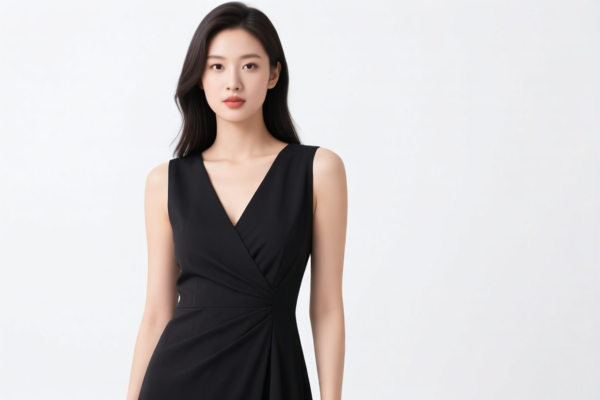
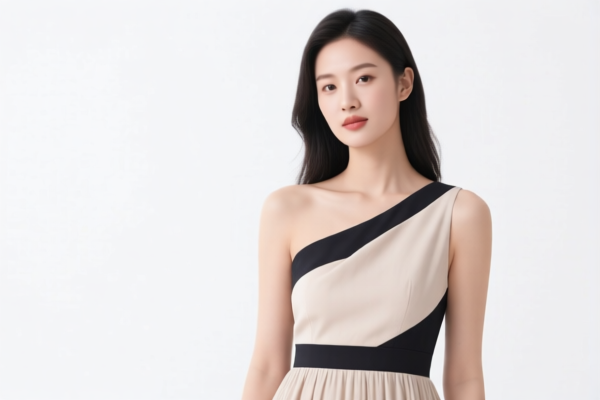
AI Analysis
🧵 Textile Products (HS Code 6113001005 & Related Codes)
🌐 HS Code Reference & Customs Clearance Guide | Latest Tariff Analysis 2025/2026 | Professional Clearance Strategy
📌 I. Product Definition & Classification: Do You Really Understand "Textile Products"?
Textile Products in international trade, specifically under HS Code 6113, refer to knitted or crocheted fabrics impregnated, coated, covered, or laminated with rubber, plastics, or other substances, used for making clothing or other textile articles.
However, based on the specific HS Code provided in the data (6113001005) and the detailed tax breakdown, this category is often broadly interpreted in practical customs declarations to include:
1. Knitted/Crocheted Outerwear: Men’s or Boys’ coats, jackets, and similar articles.
2. Textile Fabrics/Materials: Raw or semi-processed textile materials.
3. Apparel Articles: Women’s or Girls’ garments made from these knitted materials.
⚠️ Critical Distinction Point:
- Is it a Fabric or a Garment?
- If it is a fabric (roll goods, knitted/crocheted, coated/laminated) → May fall under5905or6113.00.10.10.
- If it is a finished Men’s/Boys’ Jacket → Directly corresponds to6113.00.10.05.
- If it is a finished Women’s/Girls’ Garment → Falls under6113.00.90.82or6113.00.90.86.
- Key Risk: Misclassifying a garment as a fabric (or vice versa) leads to massive tariff discrepancies due to the "Section 122" and "Additional Tariffs."
📦 II. HS Code Classification Details (Based on Provided Data)
| HS Code | Product Description | Applicable Scenario | Gender/Category | Total Tax Rate |
|---|---|---|---|---|
6113.00.10.10 |
Knitted/Crocheted Textile Products (Fabric/Materials) | Generic textile fabric, knitted/crocheted base | Unisex/Material | 21.3% |
6113.00.10.05 |
Men’s or Boys’ Coats & Jackets (Knitted/Crocheted) | Finished outerwear for males | Men/Boys | 21.3% |
6113.00.90.82 |
Women’s or Girls’ Apparel (Textile/Knitted) | Finished garments for females | Women/Girls | 24.6% |
6113.00.90.86 |
Other Textile Apparel Articles | Other knitted/crocheted textile clothing | Other | 24.6% |
5905.00.10.00 |
Textile Materials (General) | Raw textile materials, wall coverings, etc. | Material | 35.0% |
🔍 Key Insight:
- Men’s Outerwear (6113.00.10.05) and Generic Textile Products (6113.00.10.10) share the same tax rate (21.3%).
- Women’s Apparel (6113.00.90.82/86) incurs a higher base tariff (7.1%), resulting in a higher total tax (24.6%).
- Raw Textile Materials (5905.00.10.00) face the highest total tax (35.0%) due to a 25% additional tariff.
💰 III. 2025/2026 Latest Tariff Rate Breakdown (Including Additional Taxes)
✅ Applicable Country: United States (US)
✅ Origin: China (CN)
✅ Effective Date: Current (Subject to Section 122 & Trade War Tariffs)
🎯 1. 6113.00.10.10 & 6113.00.10.05 — Textile Products / Men’s Outerwear
| Item | Content |
|---|---|
| Base Tariff | 3.8% (MFN Rate for Knitted/Crocheted Articles) |
| Additional Tariff (Section 301/Trade War) | +7.5% (Specific additional tariff for certain textile categories) |
| Section 122 Tariff | +10% (Targeted tariff on specific textile products, effective 2025) |
| Total Tax Rate | 21.3% |
| Tax Calculation | CIF Value × 21.3% |
| De Minimis Exemption | ❌ Not Applicable (Value must exceed $800, but even then, tariffs apply) |
| Legal Basis Path | HTSUS:6113.00.10.10/05 → USITC:Section 301 → IEEPA:Section 122 |
📌 Explanation:
- The 3.8% is the standard Most Favored Nation (MFN) duty for knitted outerwear/fabrics.
- The +7.5% is an additional tariff often applied to specific textile imports from China.
- The +10% is the Section 122 tariff, specifically targeting certain textile products to protect domestic manufacturing.
- Total: 21.3%. This is a moderate-to-high tariff for textiles, requiring careful cost calculation.
🎯 2. 6113.00.90.82 & 6113.00.90.86 — Women’s Apparel / Other Textile Articles
| Item | Content |
|---|---|
| Base Tariff | 7.1% (Higher MFN rate for certain women’s garments) |
| Additional Tariff (Section 301/Trade War) | +7.5% (Same additional tariff as above) |
| Section 122 Tariff | +10% |
| Total Tax Rate | 24.6% |
| Tax Calculation | CIF Value × 24.6% |
| De Minimis Exemption | ❌ Not Applicable |
| Legal Basis Path | HTSUS:6113.00.90.82/86 → USITC:Section 301 → IEEPA:Section 122 |
📌 Note:
- Women’s apparel has a higher base duty (7.1% vs 3.8%), leading to a 24.6% total rate.
- This is 3.3% higher than men’s outerwear, so classification accuracy is crucial for cost control.
🎯 3. 5905.00.10.00 — Textile Materials
| Item | Content |
|---|---|
| Base Tariff | 0.0% (Often duty-free for raw materials) |
| Additional Tariff (Section 301) | +25.0% (High Section 301 tariff on Chinese imports) |
| Section 122 Tariff | +10% |
| Total Tax Rate | 35.0% |
| Tax Calculation | CIF Value × 35.0% |
| De Minimis Exemption | ❌ Not Applicable |
| Legal Basis Path | HTSUS:5905.00.10.00 → USITC:Section 301 → IEEPA:Section 122 |
📌 Warning:
- Despite a 0% base tariff, the 25% Section 301 tariff makes this the most expensive category at 35%.
- Do not assume "raw materials" are low-tax! The additional tariffs apply regardless.
🛠️ IV. Customs Clearance Practical Advice (Avoiding Pitfalls)
✅ 1. Documentation Checklist (Non-Negotiable)
| Document | Required | Description |
|---|---|---|
| ✅ Product Specification Sheet | ✔️ | Must specify: Knitted/Crocheted? Coated/Laminated? Fabric vs. Garment? |
| ✅ Commercial Invoice | ✔️ | Clearly state "Men’s Knitted Jacket" or "Women’s Knitted Dress" — NOT generic "Textile Product" |
| ✅ Packing List | ✔️ | Detail item counts, weights, and dimensions |
| ✅ Origin Certificate | ✔️ | Proves Chinese origin (triggers additional tariffs) |
| ✅ Photos of Goods | ✔️ | Show label, care tag, fabric texture, and any coatings |
| ✅ Supply Chain Declaration | ✔️ | Confirm no transshipment from third countries to avoid origin fraud |
✅ 2. Classification Strategy (Key Mnemonic)
🔥 “Men’s Outerwear: 21.3%, Women’s Apparel: 24.6%, Raw Material: 35.0%!”
| Scenario | Correct HS Code | Incorrect Code | Consequence |
|---|---|---|---|
| Men’s Knitted Jacket | 6113.00.10.05 |
5905.00.10.00 |
Save 13.7% (21.3% vs 35.0%) |
| Women’s Knitted Dress | 6113.00.90.82 |
6113.00.10.05 |
Pay 3.3% More (24.6% vs 21.3%) |
| Knitted Fabric Roll | 6113.00.10.10 |
6113.00.90.82 |
Save 3.3% (21.3% vs 24.6%) |
| General Textile Material | 5905.00.10.00 |
6113.00.10.05 |
Pay 13.7% More |
📌 Key Tip:
- Be Specific! Avoid using "Textile Product" as a generic description. Customs will scrutinize vague terms.
- Gender Matters! Men’s and Women’s garments have different base tariffs.
- Form Matters! Fabric vs. Garment vs. Raw Material changes the entire tax structure.
✅ 3. Special Cases & Risk Management
| Case | Handling Advice |
|---|---|
| Mixed Containers (Men’s + Women’s) | Declare separately! Do not average the rate. Men’s items go to 6113.00.10.05, Women’s to 6113.00.90.82. |
| Coated/Laminated Fabric | Ensure it meets the definition of 6113 (impregnated/coated). If not, it may fall under 5905 (higher tax) or other chapters. |
| Samples for Testing | If under $800, may qualify for de minimis, but if deemed "commercial," tariffs still apply. Declare accurately. |
| Labeling Issues | Ensure care labels and country-of-origin labels are visible. Missing labels can lead to delays or rejection. |
🌍 V. Global Market Comparison (2025/2026)
| Country/Region | Recommended HS Code | Tariff (China Origin) | Certification | Notes |
|---|---|---|---|---|
| 🇺🇸 USA | 6113.00.10.05 (Men) / 6113.00.90.82 (Women) |
21.3% / 24.6% | None specific for textiles, but compliance with labeling laws required | Section 122 & 301 tariffs apply! |
| 🇨🇳 China | 6113.00.10.05 |
9.0% (Import Duty) | CCC (if applicable) | Lower base tariff, no Section 122 |
| 🇪🇺 EU | 6113.00.10.05 |
12.0% | CE (if coated with chemicals) | No Section 122, but high base duty |
| 🇬🇧 UK | 6113.00.10.05 |
12.0% | UKCA | Post-Brexit rules apply |
| 🇦🇺 Australia | 6113.00.10.05 |
5.0% | RCM (if electrical components) | Low duty, but ACS may apply if coated |
📌 Conclusion:
- USA is the most expensive market for these textile products due to Section 122 and Section 301 tariffs.
- EU and UK have higher base duties but no additional political tariffs.
- Australia offers the lowest duty for finished garments but strict chemical compliance if coated.
📌 VI. Common Errors & Pitfalls (Lessons Learned)
❌ Error 1: Classifying a Women’s Jacket under Men’s HS Code (6113.00.10.05)
👉 Consequence: Underpayment of 3.3%. Customs audit will lead to back taxes + penalties.
❌ Error 2: Declaring Knitted Fabric as Raw Textile Material (5905.00.10.00)
👉 Consequence: Overpaying 13.7%! If it’s a usable fabric for garments, it should be 6113.00.10.10 (21.3% vs 35.0%).
❌ Error 3: Using Generic Descriptions like "Textile Product"
👉 Consequence: Customs may select the highest possible tax rate or delay shipment for further inspection.
❌ Error 4: Ignoring Section 122
👉 Consequence: Failure to include the 10% Section 122 tariff leads to immediate seizure or heavy fines.
✅ Correct Practice:
“Men’s Knitted Outerwear, Polyester-Coated, HS Code 6113.00.10.05, CIF Value $10,000, Origin: China”
🎯 VII. Conclusion: Professional Classification, Cost Optimization!
🎯 Remember the Key Rates:
🔹 Men’s Outerwear (
6113.00.10.05): 21.3%
🔹 Women’s Apparel (6113.00.90.82/86): 24.6%
🔹 Raw Textile Material (5905.00.10.00): 35.0%🔹 “Gender Defines Base Tax, Section 122 Adds 10%, Always Specify!”
📌 Pro Tip:
- If you are importing knitted garments, always verify whether they are coated/laminated. If not, they may fall under Chapter 61 (Knitted/Crocheted Apparel) with different rates.
- For US imports, always calculate the 21.3% or 24.6% total cost into your pricing model.
- Consider Advance Ruling from US Customs (CBP) if you have large volumes to ensure classification accuracy.
📣 Immediate Action:
📞 Contact your customs broker with detailed product specs (fabric type, coating, gender, finished vs. raw).
🚀 Accurate classification saves 13.7% on raw materials and 3.3% on women’s apparel!
✨ Professional Clearance Starts with Precision!
💼 Every percent of tax is a percent of profit lost!
Customer Reviews
About HS Code Classification
The Harmonized System (HS) is an internationally standardized nomenclature developed by the World Customs Organization (WCO) to classify traded products. Over 200 countries use the HS system as the basis for customs tariffs, trade statistics, and import/export regulations.
Each HS code follows a hierarchical structure:
- Chapter (2 digits) — Broad category of goods (e.g., Chapter 84: Machinery and Mechanical Appliances)
- Heading (4 digits) — More specific grouping within the chapter
- Subheading (6 digits) — Internationally standardized breakdown, used by all WCO member countries
- National subdivisions (8-10 digits) — Country-specific extensions for further classification, such as US HTSUS 10-digit codes
Correct HS code classification is essential for smooth customs clearance, accurate duty payment, and compliance with trade regulations. Misclassification can lead to customs delays, overpayment of duties, or penalties.
When importing from CN to US, the applicable tariff rates may include:
- Most-Favored-Nation (MFN) rate — The standard duty rate applied to WTO members
- General rate — Applied to countries without trade agreements
- Trade remedy duties — Additional tariffs such as Section 301 (anti-dumping), Section 232 (national security), or countervailing duties
The information provided on this page is for reference purposes only. For official classification, please consult with your local customs authority or a licensed customs broker.