Textile Machinery
CN → US| HS Code | Tariff Rate | Origin | Destination | Doc |
|---|---|---|---|---|
| 8479909596 | 85.0% | CN | US | Official Doc |
| 8448595000 | 17.0% | CN | US | Official Doc |
| 8479899599 | 87.5% | CN | US | Official Doc |
| 8446305030 | 38.7% | CN | US | Official Doc |
Product Images
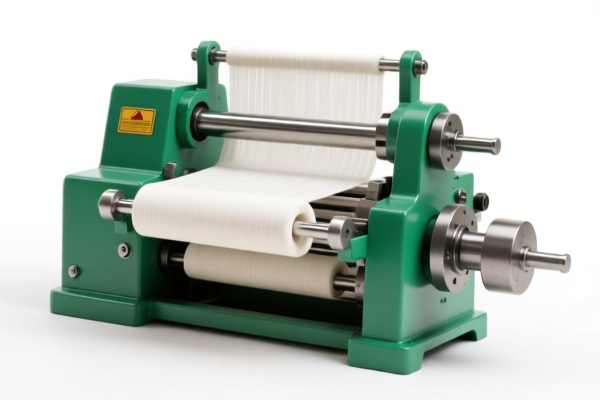
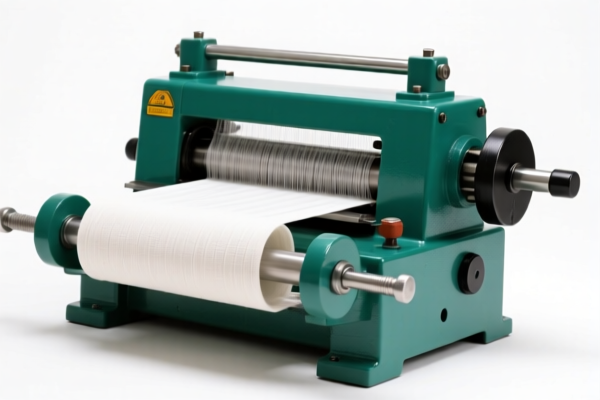
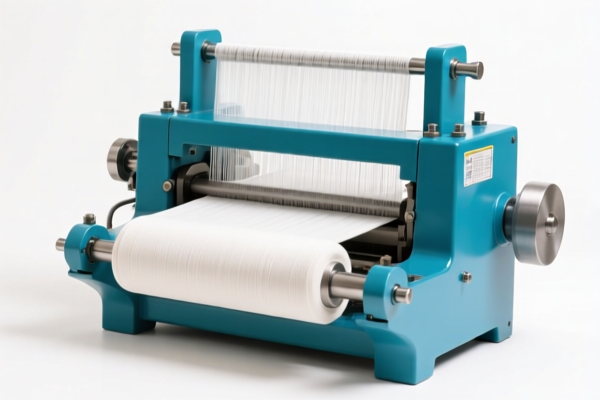
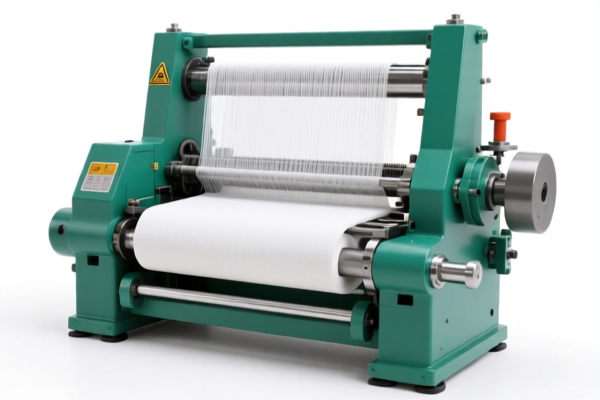
AI Analysis
🧵 Textile Machinery (Spinning, Weaving, Knitting & Parts)
🌐 HS Code Reference & Customs Clearance Guide | 2026 Latest Tariff Analysis | Professional Clearance Strategy
📌 I. Product Definition & Classification: Do You Really Understand "Textile Machinery"?
Textile machinery is the backbone of the global fabric and fiber industry. In international trade, it is broadly categorized into main machines (spinning frames, looms, knitting machines) and auxiliary parts. The critical distinction lies in whether the item is a complete, independent functional unit or merely a replacement part for a specific machine type.
Key Classification Distinction: - Main Machines (e.g., Looms): Classified under Chapter 84 (Section 14), specifically heading 8446 (Weaving machines). These are self-contained units capable of performing a specific textile process. - Parts: Classified under Chapter 84 as well, but the HS Code depends heavily on the specific machine they serve or are designated for. - If designed specifically for a loom (8447), they go to 8448. - If they are general-purpose parts for machines with individual functions not specified elsewhere, they fall into residual/other categories (8479 or 8484).
⚠️ Critical Warning:
- Misclassifying a specific part as a general machine part can lead to significant tariff differences due to the complex "Section 14" rules in the US Harmonized Tariff Schedule.
- Parts of Looms usually have lower base duties but are subject to high additional tariffs. General Machine Parts may have higher base duties but different additional tax structures.
📦 II. HS Code Classification Details (2026 Authoritative Comparison)
Based on the provided data, here are the specific HS Codes for Textile Machinery and its components:
| HS Code | Product Description & Summary | Applicable Scenario | Key Function/Attribute |
|---|---|---|---|
8446.30.50.30 |
Weaving Machines: Shuttleless Looms | Specific weaving machinery | Directly classified as the main weaving machine (shuttleless type). High functional specificity. |
8448.59.50.00 |
Parts of Textile Machines: Auxiliary parts for 8447 machines | Spare parts specifically for looms/weaving machines | Falls under the "parts and accessories" section for machines of heading 8447. Specific functional attribute match. |
8479.89.95.99 |
Other Machinery & Parts: Residual category for machines with individual functions | General machine parts not covered by specific headings | "Other" residual category. Often applies to parts for machinery with independent functions not specified in 8446/8448. |
8479.90.95.96 |
Parts of Machines: Residual category for parts of machines with individual functions | General spare parts for complex machinery | "Other" residual category. Applies to parts for machinery with independent functions, not specifically for textile looms. |
🔍 重点提醒 (Key Highlights)
-8446.30.50.30is for the machine itself (shuttleless loom), not the parts. It has a specific duty structure. -8448.59.50.00is strictly for parts designed for machines of heading 8447 (Looms). -8479.89.95.99and8479.90.95.96are catch-all/residual categories for parts of machines with individual functions that do not fit into the specific textile machine part headings.
💰 III. 2026 Latest Tariff Rate Breakdown (Including Additional Taxes & Policy Surcharges)
✅ Applicable Country: United States (US)
✅ Origin: China (CN)
✅ Effective Date: Post-2025 (Based on current trade regulations)
🎯 1. 8446.30.50.30 —— Shuttleless Looms (Main Machinery)
| Item | Content |
|---|---|
| Base Duty Rate | 3.7% (Ad Valorem) |
| USITC Additional Tariff (Section 301) | +25.0% |
| 122 Clause Tariff (Steel/Aluminum/Copper) | +10.0% (Note: Data specifies "122 Clause 10%", likely referring to specific industrial product surcharges or Section 232 related steel/aluminum components if applicable, though 8446 is primarily machinery. The data explicitly lists 10%.) |
| Total Effective Duty Rate | 38.7% |
| Tax Calculation | CIF Value × 38.7% |
| De Minimis Exemption | ❌ Not Applicable (High-value industrial machinery rarely qualifies) |
| Legal Basis Path | HTSUS:8446.30.50.30 → Section 301: Footnote 9903.88.01 → Additional Surcharge: 122 Clause |
📌 Explanation:
- This code covers the complete machine.
- The 38.7% total rate includes the base duty (3.7%), the standard Section 301 additional tariff (25%), and a specific 10% surcharge (likely related to the "122 Clause" mentioned in the data, possibly linked to steel/aluminum content or specific industrial policies).
- High Duty Alert: 38.7% is a significant cost factor for importing looms.
🎯 2. 8448.59.50.00 —— Parts of Looms (Heading 8447)
| Item | Content |
|---|---|
| Base Duty Rate | 0.0% |
| USITC Additional Tariff (Section 301) | +7.0% |
| 122 Clause Tariff | +10.0% |
| Total Effective Duty Rate | 17.0% |
| Tax Calculation | CIF Value × 17.0% |
| De Minimis Exemption | ❌ Not Applicable (Parts may qualify if under $800, but industrial parts often don't) |
| Legal Basis Path | HTSUS:8448.59.50.00 → Section 301: Footnote 9903.88.01 → Additional Surcharge: 122 Clause |
📌 Explanation:
- This code is for parts specifically for looms.
- The base duty is 0%, which is advantageous.
- The additional tariff is only 7% (Section 301) plus 10% (122 Clause), totaling 17%.
- Cost Saving Tip: If possible, import parts (8448) instead of machines (8446) to reduce the tariff burden from 38.7% to 17%.
🎯 3. 8479.90.95.96 —— Parts of Machines with Individual Functions (Residual)
| Item | Content |
|---|---|
| Base Duty Rate | 0.0% |
| USITC Additional Tariff (Section 301) | +25.0% |
| 122 Clause Tariff (Steel/Aluminum/Copper) | +50.0% |
| Total Effective Duty Rate | 75.0% |
| Tax Calculation | CIF Value × 75.0% |
| De Minimis Exemption | ❌ Not Applicable |
| Legal Basis Path | HTSUS:8479.90.95.96 → Section 301: Footnote 9903.88.01 → Section 232/122: Steel/Aluminum/Copper Surcharge 50% |
📌 Explanation:
- This is a residual category for parts.
- Base duty is 0%, but the additional tariffs are extremely high.
- 50% surcharge for Steel/Aluminum/Copper products applies here, likely because these parts are metallic.
- Total 75% makes this code prohibitively expensive for most imports unless the parts are non-metallic or exempt.
🎯 4. 8479.89.95.99 —— Other Machinery & Parts (Residual)
| Item | Content |
|---|---|
| Base Duty Rate | 2.5% |
| USITC Additional Tariff (Section 301) | +25.0% |
| 122 Clause Tariff | +10.0% |
| 122 Clause Tariff (Steel/Aluminum/Copper) | +50.0% |
| Total Effective Duty Rate | 87.5% |
| Tax Calculation | CIF Value × 87.5% |
| De Minimis Exemption | ❌ Not Applicable |
| Legal Basis Path | HTSUS:8479.89.95.99 → Section 301: Footnote 9903.88.01 → Additional Surcharge: 122 Clause |
📌 Explanation:
- Another residual category for machinery/parts.
- Base duty is 2.5%.
- Additional tariffs: 25% (Section 301) + 10% (122 Clause) + 50% (Steel/Aluminum/Copper) = 85% additional.
- Total 87.5% is the highest tariff in the provided data. Avoid this code if possible.
🛠️ IV. Customs Clearance Practical Advice (Battle-Proven Pitfall Guide)
✅ 1. Documentation Checklist (All Are Mandatory)
| Document | Required | Description |
|---|---|---|
| ✅ Product Specification Sheet | ✔️ | Must detail machine type, model, serial number, and whether it is a complete unit or a part. |
| ✅ Technical Drawing / Schematic | ✔️ | Crucial for parts to prove they are designed for specific machinery (e.g., loom parts vs. general machine parts). |
| ✅ Product Photos (Including Nameplate) | ✔️ | Clear images showing the HS Code label, model, and manufacturer info. |
| ✅ Commercial Invoice | ✔️ | Must explicitly state "Textile Machinery" or "Parts of Textile Machinery" and the HS Code. |
| ✅ Packing List | ✔️ | Detail the relationship between main units and spare parts. Do not mix unrelated items. |
| ✅ Certificate of Origin (CO) | ✔️ | Required for origin determination. If from a country with US trade agreements, it may help (though limited for China origin). |
| ✅ Third-Party Inspection Report | ✔️ | FCC, CE, or UL certificates if applicable (for electronic components in machines). |
✅ 2. Declaration Tips (Key Mantras)
🔥 "Specific Parts for Looms: 17%; General Parts: 75-87.5%; Looms: 38.7%"
| Scenario | Correct Declaration | Incorrect Practice |
|---|---|---|
| Complete Shuttleless Loom | 8446.30.50.30 |
Reporting as "Parts" → 38.7% duty (higher than parts) |
| Parts for Loom (e.g., Shuttle, Reed) | 8448.59.50.00 |
Reporting as "General Machine Parts" → 75-87.5% duty |
| General Machine Parts (Non-Specific) | 8479.90.95.96 or 8479.89.95.99 |
Misclassifying as "Loom Parts" → 17% duty (if caught, penalties apply) |
| Metallic Parts (Steel/Aluminum) | 8479.90.95.96 |
Failing to declare material → 50% Steel/Aluminum Surcharge |
📌 Critical Insight:
- Parts for Looms (8448) are the most tax-efficient option (17%).
- General Parts (8479) are the most expensive (75-87.5%) due to the 50% steel/aluminum surcharge.
- Ensure Parts Are Clearly Labeled: If importing parts, ensure they are marketed and described as "Parts for [Specific Machine Model]" to justify8448.59.50.00.
✅ 3. Special Situation Handling
| Situation | Handling Advice |
|---|---|
| OEM Custom Parts | Provide customer orders and design drawings. Ensure parts are unique to a specific machine to support 8448 classification. |
| Mixed Containers | Clearly separate "Looms" (8446) and "Parts" (8448). Do not mix in "General Machine Parts" (8479) to avoid high duties. |
| Steel/Aluminum Components | If parts are primarily steel/aluminum, they may trigger the 50% surcharge under 8479 codes. Try to use 8448 if possible. |
| Pre-Ruling Application | Strongly recommended to apply for HTSUS Pre-Rulings from CBP, especially for new machinery or parts, to confirm the correct code and avoid surprise duties. |
🌍 V. Global Market Comparison (2026 Latest)
| Country/Region | Recommended HS Code | Duty Rate | Certification Requirements | Notes |
|---|---|---|---|---|
| 🇺🇸 USA | 8448.59.50.00 (Parts) |
17% | FCC, UL (if electrical) | Best for parts. 8446 (Looms) is 38.7%. |
| 🇺🇸 USA | 8446.30.50.30 (Looms) |
38.7% | FCC, UL | Higher duty for complete machines. |
| 🇨🇳 China | 8446.30.50.30 |
5-10% | CCC | Lower base duty, no additional tariffs. |
| 🇪🇺 EU | 8446.30.50.00 |
0-4% | CE, RoHS | No significant additional tariffs. |
| 🇬🇧 UK | 8446.30.50.00 |
0-4% | UKCA, CE | Similar to EU post-Brexit. |
📌 Conclusion:
- The US market is the most challenging due to high additional tariffs (Section 301 + 122 Clause).
- Importing Parts (8448) is significantly cheaper than Machines (8446) or General Parts (8479) in the US.
- Non-US markets (EU, China, UK) have much lower and simpler tariff structures.
📌 VI. Common Mistakes & Pitfall Guide (Blood & Tears Lessons)
❌ Mistake 1: Classifying Loom Parts as General Machine Parts (8479)
👉 Consequence: Duty jumps from 17% to 75-87.5% → Massive Cost Overrun!
❌ Mistake 2: Classifying Complete Looms as Parts
👉 Consequence: CBP reclassifies as 8446.30.50.30 → 38.7% duty + Penalties for misdeclaration.
❌ Mistake 3: Failing to Declare Steel/Aluminum Content
👉 Consequence: If parts are metallic and classified under 8479, the 50% surcharge is applied retroactively.
❌ Mistake 4: Using Vague Descriptions Like "Machine Accessories"
👉 Consequence: CBP requires detailed technical documents. Vague descriptions lead to delays, audits, or rejections.
✅ Correct Approach:
"Shuttleless Loom, Model XYZ, Fully Automated, FCC Certified, HS 8446.30.50.30"
"Replacement Reed for Loom Model XYZ, Made of Steel, HS 8448.59.50.00"
🎯 VII. Conclusion: Professional Declaration, Save Time, Reduce Costs!
🎯 Remember the Mantra:
🔹 "Loom Parts: 17%! General Parts: 87.5%! Looms: 38.7%! Choose Wisely!"
🔹 "HS Code Determines Duty, 70% Difference Saves Millions, Declare Precisely, Avoid Penalties!"
📌 Pro Tip:
If your textile machinery parts are originating from Vietnam, Mexico, or Thailand, check if they qualify for IEEPA Exemptions or USMCA/CUSMA Benefits (for Mexico/Canada), which could reduce tariffs to 0-5%.
For China-origin goods, Advance Rulings are highly recommended to mitigate risk.
📣 Immediate Action:
📞 Contact a Professional Customs Broker + Provide Product Specs + Apply for HS Code Pre-Ruling
🚀 Ensure Your Textile Machinery Clears Customs Smoothly, Exports Efficiently, and Maximizes Profit!
✨ Professional Clearance Starts with Accurate Classification!
💼 Every Penny of Your Cost Deserves to Be Precisely Calculated!
Customer Reviews
About HS Code Classification
The Harmonized System (HS) is an internationally standardized nomenclature developed by the World Customs Organization (WCO) to classify traded products. Over 200 countries use the HS system as the basis for customs tariffs, trade statistics, and import/export regulations.
Each HS code follows a hierarchical structure:
- Chapter (2 digits) — Broad category of goods (e.g., Chapter 84: Machinery and Mechanical Appliances)
- Heading (4 digits) — More specific grouping within the chapter
- Subheading (6 digits) — Internationally standardized breakdown, used by all WCO member countries
- National subdivisions (8-10 digits) — Country-specific extensions for further classification, such as US HTSUS 10-digit codes
Correct HS code classification is essential for smooth customs clearance, accurate duty payment, and compliance with trade regulations. Misclassification can lead to customs delays, overpayment of duties, or penalties.
When importing from CN to US, the applicable tariff rates may include:
- Most-Favored-Nation (MFN) rate — The standard duty rate applied to WTO members
- General rate — Applied to countries without trade agreements
- Trade remedy duties — Additional tariffs such as Section 301 (anti-dumping), Section 232 (national security), or countervailing duties
The information provided on this page is for reference purposes only. For official classification, please consult with your local customs authority or a licensed customs broker.