Textile Product
CN → US| HS Code | Tariff Rate | Origin | Destination | Doc |
|---|---|---|---|---|
| 6006901000 | 42.0% | CN | US | Official Doc |
| 5903102010 | 35.0% | CN | US | Official Doc |
| 6307909882 | 24.5% | CN | US | Official Doc |
| 6307909884 | 24.5% | CN | US | Official Doc |
| 6006909000 | 35.0% | CN | US | Official Doc |
Product Images
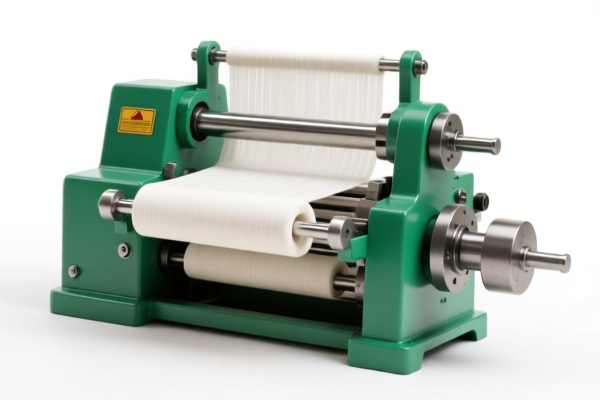
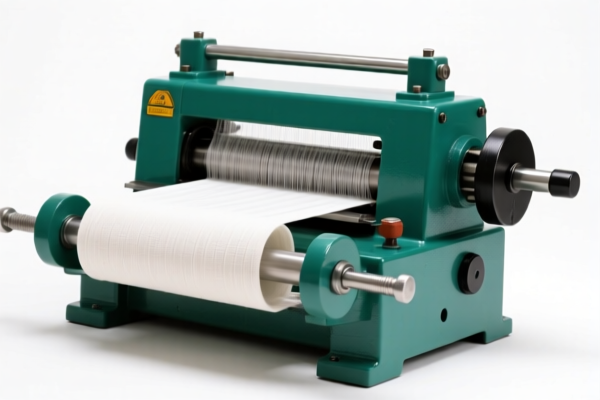
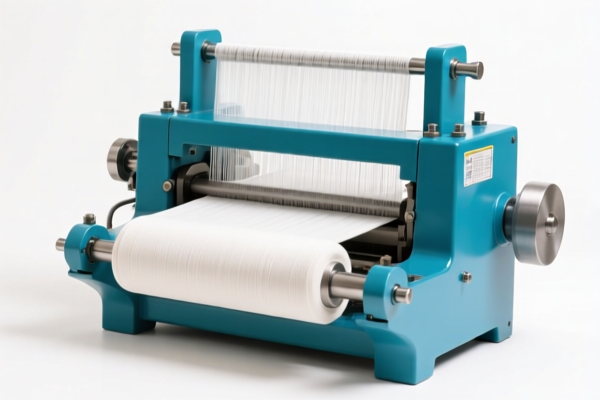
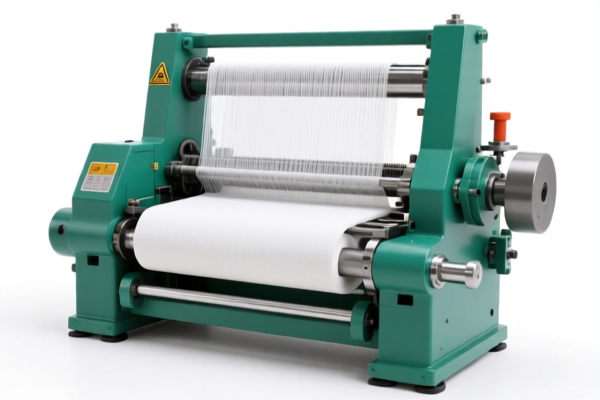
AI Analysis
🧵 Textile Products: The Ultimate HS Code & Tariff Guide (2026)
🌐 HS Code Classification & Customs Clearance Strategy | 2026 Latest Tariff Analysis | Professional Compliance Guide
📌 I. Product Definition & Classification: Are You Sure What "Textile Product" Means?
In international trade, "Textile Product" is a broad term that covers everything from raw fabrics to finished garments. Misclassification is the #1 cause of customs delays and massive tariff penalties. To ensure accurate classification, textiles are generally divided into three main categories:
1. Fabrics (Knitted or Crocheted): Unfinished or semi-finished materials, often used for further manufacturing.
2. Impregnated/Coated Fabrics: Textiles treated with plastics, rubber, or other substances for specific functions.
3. Made-up Articles: Finished goods like bags, blankets, masks, or protective gear, classified by their end-use.
⚠️ Key Distinction Point:
- If it is a raw fabric (knitted/crocheted) without specific finishing → Likely Chapter 60.
- If it is a fabric coated with plastic → Likely Chapter 59.
- If it is a finished article (e.g., a bag, mask, or cover) → Likely Chapter 63.
📦 II. HS Code Classification Details (2026 Latest Tariff Authority Comparison)
| HS Code | Product Description | Application Scenario | Material Characteristic |
|---|---|---|---|
6006.90.10.00 |
Other knitted or crocheted fabrics, including those of mixed textile materials | General knitted fabrics, mixed fiber content | ✅ Knitted/Crocheted; "Fallback" category for unspecified blends |
5903.10.20.10 |
Textile fabrics impregnated, coated, covered, or laminated with plastic | Coated fabrics, waterproof materials, PVC-coated textiles | ✅ Plastic-coated/Laminated |
6307.90.98.82 |
Other made-up articles, including dress patterns | Finished textile goods (e.g., bags, covers), cotton-containing | ✅ Made-up; "Other" fallback for cotton-based finished goods |
6307.90.98.84 |
Other made-up articles, including dress patterns | Finished textile goods, artificial fiber-containing | ✅ Made-up; "Other" fallback for synthetic/Artificial fiber goods |
6006.90.90.00 |
Other knitted or crocheted fabrics | General knitted fabrics, unspecified fiber composition | ✅ Knitted/Crocheted; "Other" fallback category |
🔍 Important Reminder:
- Chapter 60 covers knitted/crocheted fabrics. If the product is simply a piece of fabric without specific finishing, it falls here.
- Chapter 59 covers textiles with added substances (like plastic/rubber). If the fabric is coated, it must be classified here.
- Chapter 63 covers finished articles. If the item is a made-up product (not just a roll of fabric), it belongs here.
💰 III. 2026 Latest Tariff Rate Breakdown (Including Additional Taxes & Policy Surcharges)
✅ Applicable Country: United States (US)
✅ Origin: China (CN)
✅ Effective Date: Post-November 10, 2025 (Includes subsequent imports)
🎯 1. 6006.90.10.00 —— Other Knitted/Crocheted Fabrics (Mixed/Miscellaneous)
| Item | Content |
|---|---|
| Base Tariff Rate | 7.0% (Ad valorem) |
| USITC Additional Tax | +25% (Section 301 Duties) |
| 122-Clause Tariff | +10% (Specific administrative surcharge) |
| Total Tax Rate | 42.0% |
| Tax Calculation | CIF Value × 42% |
| De Minimis Exemption? | ❌ No (High risk of penalty) |
| Legal Basis Path | USITC:6006.90.10.00 → Section 301 → 122-Clause |
📌 Explanation:
- This is a "Fallback" category for knitted fabrics that don't fit specific fiber descriptions.
- The 42% total rate is extremely high due to the combination of base duty, Section 301 surcharge, and the 122-clause tariff.
- Critical Risk: If misclassified as a lower-duty item, customs will issue a Notice of Penalty for underpayment.
🎯 2. 5903.10.20.10 —— Textile Fabrics Impregnated with Plastic
| Item | Content |
|---|---|
| Base Tariff Rate | 0.0% (Ad valorem) |
| USITC Additional Tax | +25% (Section 301 Duties) |
| 122-Clause Tariff | +10% (Specific administrative surcharge) |
| Total Tax Rate | 35.0% |
| Tax Calculation | CIF Value × 35% |
| De Minimis Exemption? | ❌ No |
| Legal Basis Path | USITC:5903.10.20.10 → Section 301 → 122-Clause |
📌 Note:
- Even though the base duty is 0%, the additional surcharges push the total to 35%.
- This code applies to fabrics coated or laminated with plastic (e.g., PVC, polyurethane).
- Mistake Alert: Do not classify coated fabrics as plain knitted fabrics (6006) to save tax; customs will reclassify and charge the difference + penalties.
🎯 3. 6307.90.98.82 & 6307.90.98.84 —— Other Made-up Articles (Cotton & Artificial Fiber)
| Item | Content |
|---|---|
| Base Tariff Rate | 7.0% (Ad valorem) |
| USITC Additional Tax | +7.5% (Reduced Section 301 Rate) |
| 122-Clause Tariff | +10% (Specific administrative surcharge) |
| Total Tax Rate | 24.5% |
| Tax Calculation | CIF Value × 24.5% |
| De Minimis Exemption? | ❌ No |
| Legal Basis Path | USITC:6307.90.98.82/.84 → Section 301 → 122-Clause |
📌 Explanation:
- These are "Made-up Articles" (finished goods).
- Cotton-based (82) vs. Artificial Fiber-based (84) distinction affects the material description but not the tariff rate.
- The Section 301 rate is lower (7.5%) compared to fabrics (25%), making finished goods slightly cheaper to import under these codes.
- Key Requirement: The item must be a finished product (e.g., a bag, mask, or cover), not a roll of fabric.
🎯 4. 6006.90.90.00 —— Other Knitted/Crocheted Fabrics (General Fallback)
| Item | Content |
|---|---|
| Base Tariff Rate | 0.0% (Ad valorem) |
| USITC Additional Tax | +25% (Section 301 Duties) |
| 122-Clause Tariff | +10% (Specific administrative surcharge) |
| Total Tax Rate | 35.0% |
| Tax Calculation | CIF Value × 35% |
| De Minimis Exemption? | ❌ No |
| Legal Basis Path | USITC:6006.90.90.00 → Section 301 → 122-Clause |
📌 Note:
- Similar to6006.90.10.00, this is a fallback category for knitted fabrics.
- The total rate is 35%, lower than6006.90.10.00(42%) because the base duty is 0%.
- Risk: If the fabric is specifically made of cotton or wool, it should NOT be classified here to avoid misdeclaration.
🛠️ IV. Customs Clearance Practical Advice (Avoiding Pitfalls)
✅ 1. Essential Documentation Checklist (All Required)
| Document | Mandatory? | Purpose |
|---|---|---|
| ✅ Product Specification Sheet | ✔️ | Must specify: Material composition (e.g., 100% Cotton, 50% Polyester/50% Cotton), Width, Weight |
| ✅ Material Composition Label | ✔️ | Crucial for distinguishing between 6307.90.98.82 (Cotton) and 6307.90.98.84 (Artificial Fiber) |
| ✅ Product Photos (Clear) | ✔️ | Show texture, coating (if any), and finished state (if made-up) |
| ✅ Commercial Invoice | ✔️ | Must clearly state "Knitted Fabric," "Coated Textile," or "Made-up Article" |
| ✅ Packing List | ✔️ | Weight and dimensions must match the invoice |
| ✅ Coating/Lamination Details | ✔️ | If applicable, specify the type of plastic/coating for 5903 classification |
✅ 2. Classification Strategy (Key Mantra)
🔥 "Fabric vs. Made-up, Coated vs. Plain, Cotton vs. Synthetic!"
| Scenario | Correct HS Code | Common Mistake |
|---|---|---|
| Roll of Knitted Fabric (Unspecified) | 6006.90.90.00 (35%) or 6006.90.10.00 (42%) |
Misdeclaring as "Made-up Article" to get 24.5% |
| PVC-Coated Fabric | 5903.10.20.10 (35%) |
Misdeclaring as plain fabric to avoid "Plastic" surcharges |
| Finished Cotton Bag/Mask | 6307.90.98.82 (24.5%) |
Misdeclaring as fabric → Higher tax |
| Finished Synthetic Bag/Mask | 6307.90.98.84 (24.5%) |
Misdeclaring as fabric → Higher tax |
| Mixed Fabric (Unknown Fiber) | 6006.90.10.00 (42%) |
Guessing the fiber → Misclassification penalty |
✅ 3. Special Case Handling
| Situation | Recommendation |
|---|---|
| Mixed Material Fabric | If the fabric contains multiple fibers, check the "Principal Character" rule. If unclear, use the Fallback Codes (6006.90.10.00 or 6006.90.90.00). |
| Coated vs. Laminated | Ensure the coating is plastic. If it’s rubber, it may fall under Chapter 40. |
| Made-up Article Definition | Must be sewn, glued, or otherwise assembled. A rolled fabric is NOT a made-up article. |
| 122-Clause Surcharge | This is a fixed additional tax on many Chinese textile imports. Do not assume it’s waived. |
🌍 V. Global Market Comparison (2026)
| Country/Region | Recommended HS Code | Tariff (China Origin) | Certification Requirements | Notes |
|---|---|---|---|---|
| 🇺🇸 USA | 6307.90.98.82/.84 |
24.5% (Made-up) | No specific tech cert. | Highest scrutiny on fiber content. |
| 🇺🇸 USA | 6006.90.10.00 |
42.0% (Fabric) | No specific tech cert. | High risk for unclassified fabrics. |
| 🇨🇳 China | 6006.90.10.00 |
7.0% | N/A | No additional surcharges. |
| 🇪🇺 EU | 6006.90.10.00 |
12.0% | REACH, OEKO-TEX (if consumer) | No Section 301 surcharges. |
| 🇬🇧 UK | 6006.90.10.00 |
12.0% | UKCA (if applicable) | Post-Brexit rules apply. |
📌 Conclusion:
- USA is the most challenging market for textile imports due to Section 301 and 122-Clause surcharges.
- Made-up Articles (Chapter 63) are generally cheaper to import into the US (24.5%) than Knitted Fabrics (Chapter 60) (35-42%).
- Accurate Fiber Identification is critical to avoid penalties.
📌 VI. Common Errors & Pitfalls (Lessons Learned)
❌ Error 1: Classifying a Finished Bag as Fabric (6006)
👉 Consequence: Tax increases from 24.5% to 35-42%. Pay more!
❌ Error 2: Classifying Coated Fabric as Plain Fabric (6006)
👉 Consequence: Customs reclassifies to 5903 + penalty for misdeclaration. Fines apply.
❌ Error 3: Ignoring the 122-Clause Tariff
👉 Consequence: Underpayment of 10% on all applicable codes. Customs will issue a bill.
❌ Error 4: Misidentifying Cotton vs. Artificial Fiber in Made-up Articles
👉 Consequence: Both 6307.90.98.82 and 6307.90.98.84 have the same tariff (24.5%), but incorrect fiber declaration can lead to seizure or delay.
✅ Correct Approach:
"100% Cotton Tote Bag, Sewn, Non-Woven Lining, Model XYZ, Made in China"
→ HS Code:6307.90.98.82
→ Tax: 24.5%
🎯 VII. Conclusion: Professional Classification Saves Money!
🎯 Remember the Mantra:
🔹 "Made-up is Cheaper (24.5%), Fabric is Expensive (35-42%)."
🔹 "Coated goes to 5903, Knitted goes to 6006."
🔹 "122-Clause Tax is Always On (10%)."
🔹 "Fiber Content is King – Declare Accurately!"
📌 Pro Tip:
If your product is 100% Cotton and Made-up, use 6307.90.98.82.
If your product is Artificial Fiber and Made-up, use 6307.90.98.84.
Both are 24.5%, but misclassification risks penalties.
📣 Immediate Action:
📞 Consult a Customs Broker for Advance Ruling if unsure.
📦 Ensure Packing Lists match HS Code Descriptions precisely.
🚀 Avoid Surprises – Classify Correctly from Day 1!
✨ Professional Customs Clearance Starts with Accurate Classification!
💼 Every Percent of Tariff Counts – Protect Your Profit Margin!
Customer Reviews
About HS Code Classification
The Harmonized System (HS) is an internationally standardized nomenclature developed by the World Customs Organization (WCO) to classify traded products. Over 200 countries use the HS system as the basis for customs tariffs, trade statistics, and import/export regulations.
Each HS code follows a hierarchical structure:
- Chapter (2 digits) — Broad category of goods (e.g., Chapter 84: Machinery and Mechanical Appliances)
- Heading (4 digits) — More specific grouping within the chapter
- Subheading (6 digits) — Internationally standardized breakdown, used by all WCO member countries
- National subdivisions (8-10 digits) — Country-specific extensions for further classification, such as US HTSUS 10-digit codes
Correct HS code classification is essential for smooth customs clearance, accurate duty payment, and compliance with trade regulations. Misclassification can lead to customs delays, overpayment of duties, or penalties.
When importing from CN to US, the applicable tariff rates may include:
- Most-Favored-Nation (MFN) rate — The standard duty rate applied to WTO members
- General rate — Applied to countries without trade agreements
- Trade remedy duties — Additional tariffs such as Section 301 (anti-dumping), Section 232 (national security), or countervailing duties
The information provided on this page is for reference purposes only. For official classification, please consult with your local customs authority or a licensed customs broker.