Textile Reinforced Plastic Art Panel
CN → US| HS Code | Tariff Rate | Origin | Destination | Doc |
|---|---|---|---|---|
| 3926905900 | 37.4% | CN | US | Official Doc |
| 3926909989 | 22.8% | CN | US | Official Doc |
| 3921902510 | 41.5% | CN | US | Official Doc |
| 5903102090 | 35.0% | CN | US | Official Doc |
| 9703900000 | 17.5% | CN | US | Official Doc |
Product Images
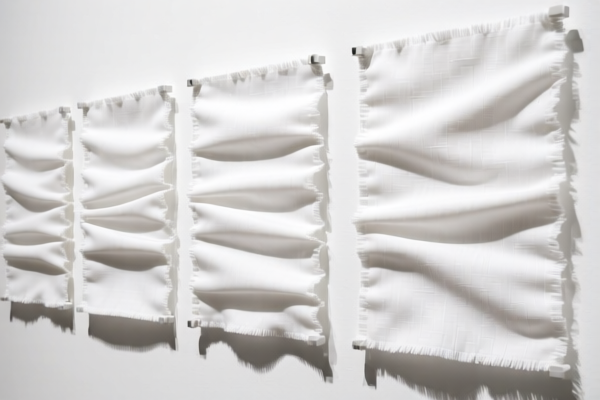
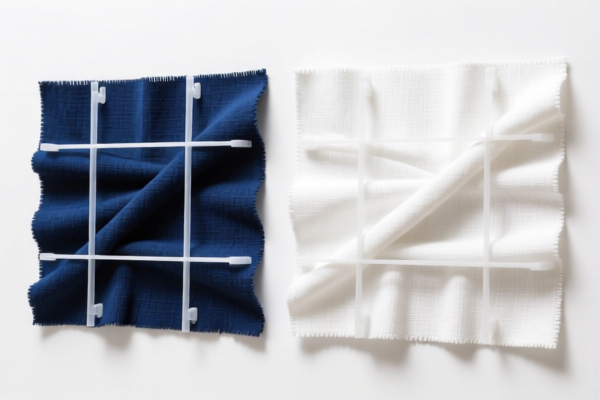
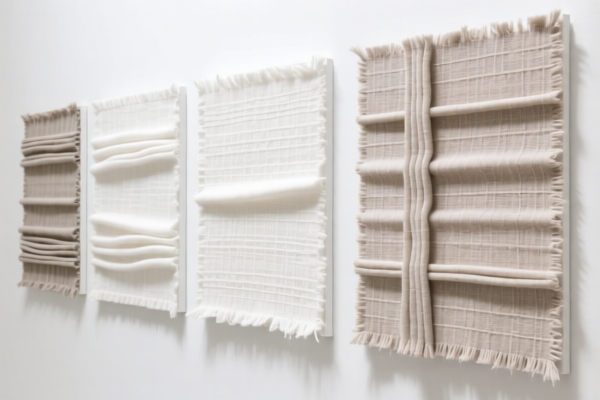
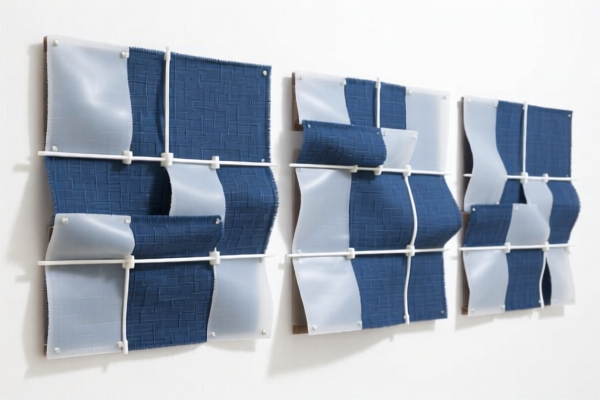
AI Analysis
🎨 Textile Reinforced Plastic Art Panel (纺织增强塑料艺术面板)
🌐 HS Code Classification & Customs Clearance Guide | 2026 Tariff Full Analysis | Strategic Compliance for Art & Decor
📌 I. Product Definition: What is a "Textile Reinforced Plastic Art Panel"?
This product is a composite material panel used for artistic display, sculpting, or decorative purposes. It consists of textile fibers (glass, carbon, or synthetic fabrics) embedded in a plastic resin matrix. The final form is a rigid or semi-rigid panel/plate.
In international trade, the classification hinges on two critical factors:
1. Primary Material Characteristic: Is it considered a "plastic product" or a "processed textile"?
2. End Use: Is it a generic construction material, or specifically a "work of art"?
⚠️ Key Distinction:
- If the panel is used as a general structural or decorative board, it is classified under Chapter 39 (Plastics) or Chapter 59 (Textiles).
- If the panel is explicitly a work of art (sculpture/plaque), it may fall under Chapter 97 (Works of Art).
- Tax Impact: The difference between Chapter 39/59 and Chapter 97 can result in a ~17-24% tariff reduction for US-bound goods from China.
📦 II. HS Code Classification Details (2026 Latest Tariff Authority Reference)
Based on the provided data, here are the five potential classifications, ranked by tax efficiency.
| HS Code | Product Description | Applicable Scenario | Tax Efficiency |
|---|---|---|---|
9703.00.00.00 |
Works of art, collectors' pieces and antiques (Plastic/Sculptural Form) | Artistic Sculpture Panels: Specifically designed for aesthetic display, not structural use. | ✅ Best (17.5%) |
3926.90.99.89 |
Other articles of plastics, not elsewhere specified | Generic Plastic Panels: Plastic-dominated composite, no textile emphasis, generic use. | ⚠️ Good (22.8%) |
5903.10.20.90 |
Textile fabrics impregnated with plastic | Plastic-Infused Textile: Plastic is high, but classified as textile processing. | ⚠️ Medium (35.0%) |
3926.90.59.00 |
Other plastic articles | Plastic Articles: Generic "other" category for plastic composites. | ❌ High (37.4%) |
3921.90.25.10 |
Other plates, sheets, film | Plate/Sheet Material: Classified as generic plastic sheet/plate. | ❌ Highest (41.5%) |
🔍 Critical Note:
- Chapter 97 (9703) is only applicable if the item is explicitly recognized as a "Work of Art". Generic decor panels often face scrutiny and may be reclassified to Chapter 39.
- Chapter 39 vs. Chapter 59: If the plastic provides the essential character, it goes to Ch 39. If the textile provides the essential character, it goes to Ch 59. However, Ch 59 items currently face higher US surcharges due to specific trade policies.
💰 III. 2026 Latest Tariff Rate Breakdown (US Import from China)
✅ Applicable Country: United States (US)
✅ Origin: China (CN)
✅ Effective Date: From 2025/2026 (Subject to current IEEPA and Section 301 rules)
🎯 1. 9703.00.00.00 — Works of Art (Sculptural Panels) 🏆 RECOMMENDED
| Item | Content |
|---|---|
| Base Tariff | 0.0% (Ad Valorem) |
| Section 301 Surcharge | +7.5% (Standard USITC Footnote for Ch 97) |
| IEEPA Surcharge | +10% (China-specific emergency powers) |
| Total Effective Rate | 17.5% |
| Tax Calculation | CIF Value × 17.5% |
| De Minimis Exemption | ❌ No (Articles of art are generally excluded from de minimis for high-value items, but even if eligible, the base rate is low). |
| Legal Basis | IEEPA:9903.01.24 → USITC:9703.00.00.00 → FOOTNOTE:9703.00 |
📌 Explanation:
- This is the lowest tariff option.
- Condition: The product must be substantiated as a "work of art" (e.g., unique sculpture, artist-signed plaque, decorative art piece). It cannot be mass-produced generic building material.
- Risk: US Customs and Border Protection (CBP) may challenge this classification if the item looks like a standard construction panel.
🎯 2. 3926.90.99.89 — Other Plastic Articles
| Item | Content |
|---|---|
| Base Tariff | 5.3% |
| Section 301 Surcharge | +7.5% |
| IEEPA Surcharge | +10% |
| Total Effective Rate | 22.8% |
| Tax Calculation | CIF Value × 22.8% |
| De Minimis Exemption | ❌ No |
| Legal Basis | IEEPA:9903.01.24 → USITC:3926.90.99.89 → FOOTNOTE:9903.25 |
📌 Explanation:
- The second-best option.
- Applies if the panel is considered a "plastic article" where plastic is the essential material.
- Safer than Ch 97 for generic panels, but higher tax than Ch 97.
🎯 3. 5903.10.20.90 — Plastic-Impregnated Textiles
| Item | Content |
|---|---|
| Base Tariff | 0.0% |
| Section 301 Surcharge | +25.0% (High surcharge for textile-composites) |
| IEEPA Surcharge | +10% |
| Total Effective Rate | 35.0% |
| Tax Calculation | CIF Value × 35.0% |
| De Minimis Exemption | ❌ No |
| Legal Basis | IEEPA:9903.01.25 → USITC:5903.10.20.90 → FOOTNOTE:9903.88.01 |
📌 Explanation:
- Classified under Chapter 59 (Textiles).
- Despite 0% base tariff, the 25% Section 301 surcharge drives the cost up significantly.
- Avoid unless necessary for specific textile regulations.
🎯 4. 3926.90.59.00 — Other Plastic Articles
| Item | Content |
|---|---|
| Base Tariff | 2.4% |
| Section 301 Surcharge | +25.0% |
| IEEPA Surcharge | +10% |
| Total Effective Rate | 37.4% |
| Tax Calculation | CIF Value × 37.4% |
| De Minimis Exemption | ❌ No |
| Legal Basis | IEEPA:9903.01.25 → USITC:3926.90.59.00 → FOOTNOTE:9903.88.01 |
📌 Explanation:
- Higher base tariff than3926.90.99.89.
- Also subject to the heavy 25% surcharge.
- Not recommended.
🎯 5. 3921.90.25.10 — Other Plates/Sheets
| Item | Content |
|---|---|
| Base Tariff | 6.5% |
| Section 301 Surcharge | +25.0% |
| IEEPA Surcharge | +10% |
| Total Effective Rate | 41.5% |
| Tax Calculation | CIF Value × 41.5% |
| De Minimis Exemption | ❌ No |
| Legal Basis | IEEPA:9903.01.25 → USITC:3921.90.25.10 → FOOTNOTE:9903.88.01 |
📌 Explanation:
- Highest tax rate.
- Classified as a generic plastic sheet/plate.
- Avoid unless the product is explicitly sold as raw material for further manufacturing.
🛠️ IV. Customs Clearance Practical Advice (Risk Mitigation Guide)
✅ 1. Documentation Checklist (Must-Haves)
| Document | Required? | Notes |
|---|---|---|
| ✅ Product Specification Sheet | ✔️ | Detail composition: % of Plastic vs. Textile. |
| ✅ Product Photos | ✔️ | Clear shots of front/back, edges, and any artistic details. |
| ✅ Certificate of Origin (CO) | ✔️ | If claiming non-China origin for exemptions. |
| ✅ Commercial Invoice | ✔️ | Critical: Use precise description. See below. |
| ✅ Artistic Declaration | ✔️ | (For HS 9703): Statement from artist/manufacturer confirming it is a work of art, not industrial panel. |
| ✅ Packing List | ✔️ | Standard requirement. |
✅ 2. Declaration Strategy (Key Keywords)
🔥 "Art over Structure, Plastic over Textile for Lower Tax"
| Scenario | Recommended HS Code | Declaration Description Example | Risk Level |
|---|---|---|---|
| Unique Art Piece | 9703.00.00.00 |
"Handcrafted Sculptural Art Panel, Plastic-Textile Composite, Decorative Use" | ⚠️ Medium (Requires proof of art) |
| Generic Decor Panel | 3926.90.99.89 |
"Decorative Wall Panel, Plastic Composite, Non-Structural" | ✅ Low (Safe, moderate tax) |
| Construction Material | 3921.90.25.10 |
"Plastic Composite Sheet for Interior Lining" | ❌ High Tax (Avoid if possible) |
| Textile-Focused | 5903.10.20.90 |
"Plastic-Impregnated Fabric Roll/Panel" | ❌ High Tax (Avoid) |
✅ 3. Special Handling Tips
| Situation | Advice |
|---|---|
| OEM/White Label | If buying generic panels, do not claim HS 9703. Use 3926.90.99.89 to avoid penalties for misclassification. |
| Custom Art | If the panel is unique, signed, or part of an art collection, strongly pursue 9703.00.00.00. Include artist bio or gallery certificate. |
| Mixed Loads | Do not mix "Industrial Plastic Sheets" with "Art Panels" in the same shipment unless clearly separated, to avoid CBP confusion. |
| Value Declaration | Ensure the declared value matches the art/decor nature. Undervaluing art panels triggers audits. |
🌍 V. Global Market Comparison (2026)
| Country/Region | Recommended HS Code | Est. Total Tax | Notes |
|---|---|---|---|
| 🇺🇸 USA | 9703.00.00.00 |
17.5% | Best for art. 3926.90.99.89 at 22.8% if not art. |
| 🇨🇳 China | 3926.90.99.89 |
~5-10% | Import into China has different rules; focus on export to US. |
| 🇪🇺 EU | 3926.90.99 |
~4-6% | No Section 301/IEEPA. VAT applies. |
| 🇬🇧 UK | 3926.90.99 |
~4-6% | Post-Brexit rules similar to EU for plastics. |
📌 Conclusion:
- USA is the most tax-sensitive market for this product due to IEEPA and Section 301 tariffs.
- Classification Strategy is Key: A 24% tax difference exists between9703(17.5%) and3921(41.5%).
- Compliance Warning: Misclassifying generic panels as "Art" to save taxes can lead to seizure, fines, and retroactive duties. Only claim9703if the product genuinely qualifies as a work of art.
📌 VI. Common Errors & Pitfalls (Lessons Learned)
❌ Error 1: Calling a mass-produced plastic sheet "Art Panel" to get 17.5% tax.
👉 Consequence: CBP reclassifies to 3921 or 3926, charging 37-41% + penalties.
❌ Error 2: Using "Textile" keywords in description for 3926 items.
👉 Consequence: CBP may shift classification to 5903 (Textile), triggering 25% Section 301 surcharge.
❌ Error 3: Ignoring IEEPA 10% surcharge.
👉 Consequence: Even with 0% base tariff, the 10% IEEPA applies to almost all Chinese imports. Plan for it.
❌ Error 4: Splitting shipment to avoid de minimis.
👉 Consequence: Art panels are high-value. De minimis (Section 321) usually does not apply to goods subject to IEEPA/301 or over certain thresholds.
✅ Correct Approach:
"Decorative Sculptural Panel, Composite of Plastic and Glass Fiber, for Interior Art Display, Model: ArtX-1"
HS Code:9703.00.00.00(If unique/artistic) OR3926.90.99.89(If generic).
🎯 VII. Conclusion: Professional Classification Saves Money!
🎯 Remember the Golden Rule:
🔹 "Art is 17.5%, Plastic is 22.8%, Sheet is 41.5%. Choose wisely!"
🔹 "If it's not Art, don't claim Art. If it's Plastic, don't call it Textile!"
📌 Pro Tip:
For high-volume shipments of generic panels, use 3926.90.99.89 (22.8%) as the safe, standard classification.
For unique, high-value art pieces, invest in proving artistic nature to achieve 9703.00.00.00 (17.5%).
📣 Immediate Action:
📞 Consult a customs broker for an Advance Ruling if the artistic nature is borderline.
🚀 Ensure your commercial invoice description matches the HS Code justification exactly.
✨ Accurate Classification, Smooth Customs, Maximized Profit!
💼 Every percentage point of tax saved is pure profit!
Customer Reviews
About HS Code Classification
The Harmonized System (HS) is an internationally standardized nomenclature developed by the World Customs Organization (WCO) to classify traded products. Over 200 countries use the HS system as the basis for customs tariffs, trade statistics, and import/export regulations.
Each HS code follows a hierarchical structure:
- Chapter (2 digits) — Broad category of goods (e.g., Chapter 84: Machinery and Mechanical Appliances)
- Heading (4 digits) — More specific grouping within the chapter
- Subheading (6 digits) — Internationally standardized breakdown, used by all WCO member countries
- National subdivisions (8-10 digits) — Country-specific extensions for further classification, such as US HTSUS 10-digit codes
Correct HS code classification is essential for smooth customs clearance, accurate duty payment, and compliance with trade regulations. Misclassification can lead to customs delays, overpayment of duties, or penalties.
When importing from CN to US, the applicable tariff rates may include:
- Most-Favored-Nation (MFN) rate — The standard duty rate applied to WTO members
- General rate — Applied to countries without trade agreements
- Trade remedy duties — Additional tariffs such as Section 301 (anti-dumping), Section 232 (national security), or countervailing duties
The information provided on this page is for reference purposes only. For official classification, please consult with your local customs authority or a licensed customs broker.