Textile reinforced Plastic Electronic Product Housing Panels
CN → US| HS Code | Tariff Rate | Origin | Destination | Doc |
|---|---|---|---|---|
| 3926905900 | 37.4% | CN | US | Official Doc |
| 3926909989 | 22.8% | CN | US | Official Doc |
| 3921902510 | 41.5% | CN | US | Official Doc |
| 3926905900 | 37.4% | CN | US | Official Doc |
| 3926909989 | 22.8% | CN | US | Official Doc |
Product Images
AI Analysis
🏭 Textile Reinforced Plastic Electronic Product Housing Panels
🌐 HS Code Classification & Customs Clearance Guide | 2026 Taxation Analysis | Strategic Import Strategy
📌 I. Product Definition & Core Characteristics: What Exactly Is It?
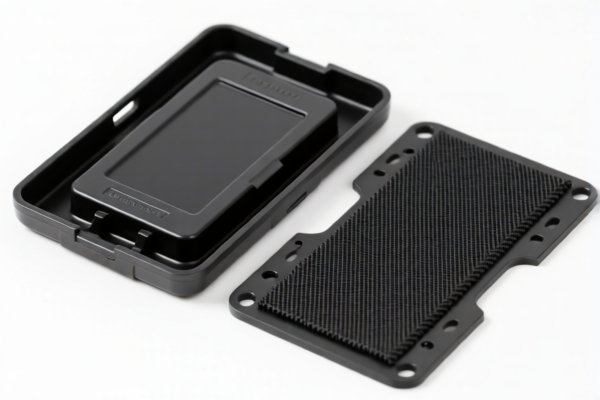
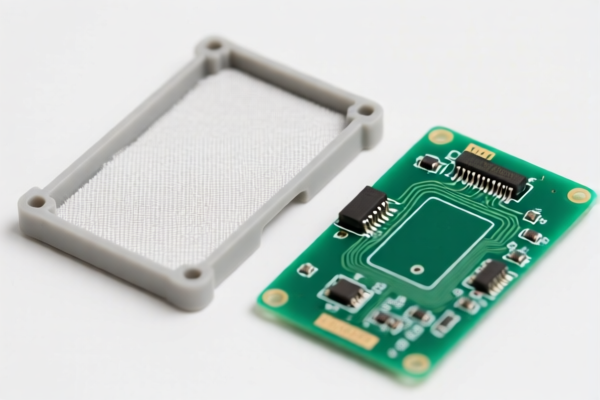
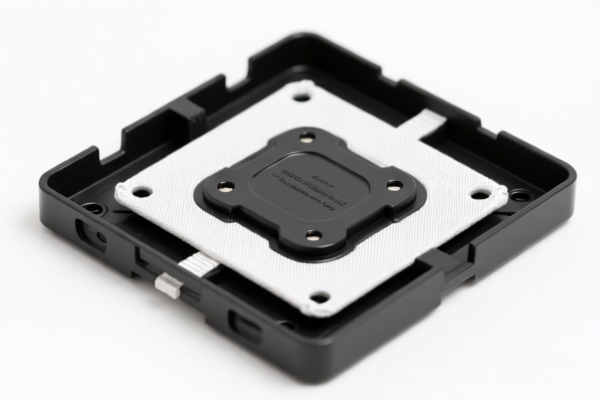
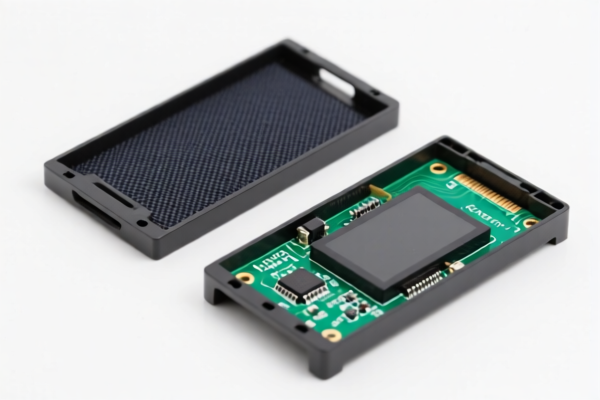
Textile Reinforced Plastic (TRP) Electronic Housing Panels represent a composite material innovation. These are not simple plastics nor standard textiles, but engineered structural components where textile fibers (such as glass, carbon, or aramid) are embedded within a plastic matrix to provide strength, heat resistance, and electromagnetic shielding for electronic devices.
In international trade, the classification depends critically on the primary material character and the specific end-use structure:
- Composite Panels (Chapter 39): If the textile is merely a reinforcement layer and the plastic matrix defines the essential character, it falls under plastic articles.
- Plastic Sheets/Plates (Chapter 39, Section XI/X): If the product is formed as a sheet, plate, or film-like structure, it may be classified differently than a finished "article."
- Finished Articles (Chapter 39, Heading 90/3926): If it is a specific housing component tailored for electronics, it might be seen as a specific plastic article.
⚠️ Key Classification Pivot Points:
- Material Weighting: Does the textile provide structural integrity? If yes, it’s a composite.
- Form Factor: Is it a raw sheet/plate (Heading 3921) or a shaped panel/cover (Heading 3926)?
- End Use: Is it explicitly for electronics? (This affects the "Summary" but rarely changes the HS Code from Chapter 39 unless it’s a pure plastic part of a machine, which is rare for housing panels).
📦 II. HS Code Classification Matrix (2026 Latest Tariff Schedule)
Based on the provided data, there are 3 distinct classification scenarios. The choice depends on whether the customs authority views the item as a "Specific Plastic Article," a "Non-Specific Plastic Article," or a "Plastic Sheet/Plate."
| HS Code | Product Description (Summary) | Classification Logic | Key Differentiator |
|---|---|---|---|
3926.90.59.00 |
Textile-reinforced plastic housing panels for electronics, containing textile fibers, classified under other plastic articles. | Specific Plastic Article: Viewed as a finished plastic component for specific use (electronics housing). | ✅ Contains Textile Fiber. Classified as "Other" plastic articles, not sheets. |
3926.90.99.89 |
Textile-reinforced plastic housing panels, plastic material, classified under other unenumerated plastic articles. | Unenumerated Plastic Article: Treated as a generic plastic part without specific textile recognition or specific electronic housing designation. | ❌ Plastic Material (Generic). Falls into the "Other" bucket of 3926. |
3921.90.25.10 |
Textile-reinforced plastic housing panels, containing textile components, classified as other plates, sheets, films, and similar plastic products. | Plastic Sheet/Plate: Viewed as a semi-finished material or a flat structural component (Heading 3921). | ✅ Contains Textile. Classified by form (plate/sheet) rather than finished article status. |
🔍 Critical Distinction:
-3926.90.59.00and3926.90.99.89are Finished Articles (Chapter 3926).
-3921.90.25.10is a Material/Semi-Finished Good (Chapter 3921).
- The tax burden varies significantly between these categories due to different base rates and Section 301/122 applicability.
💰 III. 2026 Customs Duty Breakdown (Detailed Tax Analysis)
✅ Applicable Market: United States (US)
✅ Origin: China (CN)
✅ Validity: Current 2026 Tariff Schedule (Including Section 301 & Section 122)
🎯 1. 3926.90.59.00 — Plastic Articles: Other (Containing Textile Fiber)
High-Tariff Scenario: "Specific Plastic Article"
| Component | Rate | Legal Basis | Explanation |
|---|---|---|---|
| Base Tariff | 2.4% | USITC Schedule A | Standard MFN rate for "Other plastic articles." |
| Section 301 Tariff | 25.0% | 19 U.S.C. § 1677j | Additional duty on specific Chinese-origin plastics/plastics articles. |
| Section 122 Tariff | 10.0% | IEEPA Section 122 | Additional surcharge on textile/fiber-influenced goods or specific Chinese imports. |
| Total Effective Tax | 37.4% | Sum of all duties. | |
| De Minimis Eligibility | ❌ No | Section 301/122 duties typically disqualify small shipments from de minimis exemption. |
📌 Why this rate?
This code captures items explicitly recognized as plastic articles with textile reinforcement. The high Section 301 rate (25%) reflects the US trade policy on plastic composites. The 10% Section 122 adds a layer of protection for fiber-related composite goods.
🎯 2. 3926.90.99.89 — Plastic Articles: Other (Unenumerated)
Medium-Tariff Scenario: "Generic Plastic Article"
| Component | Rate | Legal Basis | Explanation |
|---|---|---|---|
| Base Tariff | 5.3% | USITC Schedule A | Slightly higher base rate for unenumerated plastic parts. |
| Section 301 Tariff | 7.5% | 19 U.S.C. § 1677j | Reduced Section 301 rate compared to the 59.00 subheading (often due to specific exclusions or different listing logic). |
| Section 122 Tariff | 10.0% | IEEPA Section 122 | The 10% surcharge remains applicable. |
| Total Effective Tax | 22.8% | Sum of all duties. | |
| De Minimis Eligibility | ❌ No | Same restrictions apply. |
📌 Why this rate?
This classification treats the panel as a generic plastic part without emphasizing the "textile" aspect in the tariff header, or it falls under a different exclusion list for Section 301. The lower Section 301 rate (7.5% vs 25%) makes this significantly cheaper if the customs broker argues the item is a "generic unenumerated plastic article."
🎯 3. 3921.90.25.10 — Plastic Plates/Sheets (Containing Textile)
Highest-Tariff Scenario: "Plastic Material/Semi-Finished"
| Component | Rate | Legal Basis | Explanation |
|---|---|---|---|
| Base Tariff | 6.5% | USITC Schedule A | Higher base rate for plastic plates/sheets. |
| Section 301 Tariff | 25.0% | 19 U.S.C. § 1677j | Full Section 301 rate applies to plastic sheets/plates from China. |
| Section 122 Tariff | 10.0% | IEEPA Section 122 | Applies to goods with textile components. |
| Total Effective Tax | 41.5% | Sum of all duties. | |
| De Minimis Eligibility | ❌ No | No exemption available. |
📌 Why this rate?
If customs classifies your housing panel as a sheet or plate (Heading 3921) rather than a finished article (Heading 3926), you hit the highest base tariff and full Section 301 rates. Avoid this classification if possible. The argument is that the panel is a finished component (9026/3926), not a raw sheet (3921).
🛠️ IV. Strategic Customs Clearance Advice
✅ 1. Documentation Checklist (Non-Negotiable)
| Document | Requirement | Purpose |
|---|---|---|
| Product Specification Sheet | Must detail: 1. Plastic Matrix Type (e.g., ABS, PC). 2. Textile Fiber Type (e.g., Glass, Carbon). 3. Manufacturing Process (Injection Molding vs. Laminating). | Proves it is a composite, justifying Chapter 39. |
| Structure Diagram | Show layers: Plastic -> Textile -> Plastic. | Helps prove it is a finished article (3926) and not a sheet (3921). |
| Bill of Lading / Invoice | Description: "Textile-Reinforced Plastic Housing Panel for Electronics, Finished Article, Not a Sheet." | Prevents misclassification as raw material. |
| Certificate of Origin | Clearly state "Made in China." | Triggers Section 301/122 assessment. |
| HS Code Pre-Ruling Request | Highly Recommended | Submit to CBP with samples to lock in 3926.90.99.89 (22.8%) or 3926.90.59.00 (37.4%) and avoid 3921 (41.5%). |
✅ 2. Critical Classification Strategy
🔥 "Finished Article > Raw Material"
| Scenario | Recommended HS Code | Reasoning |
|---|---|---|
| Panel is molded/shaped for a specific device | 3926.90.59.00 or 3926.90.99.89 |
It is a "Part" or "Article" of an electronic device, not a sheet. |
| Panel is a flat sheet, cut to size by buyer | 3921.90.25.10 |
Likely to be classified as a plate/sheet. Avoid if possible. |
| Can we get the lower 22.8% rate? | 3926.90.99.89 |
Argue that the item is an "unenumerated plastic article" and the textile reinforcement is incidental to the plastic's function. This is a bold but potentially savings-heavy strategy. |
✅ 3. Tax Savings Opportunities
- Avoid 3921 (41.5%): Do not describe the product as "Plastic Sheet" or "Laminate." Use "Finished Housing Panel" or "Composite Enclosure Part."
- Target 3926.90.99.89 (22.8%): If the product does not have a highly specific HS code in 3926.59, argue for the "Other" category (99.89) to benefit from the lower Section 301 rate (7.5% vs 25%).
- Section 122 Note: The 10% Section 122 tariff is hard to avoid if textile components are present. Ensure your supplier provides accurate material breakdowns.
✅ 4. Common Pitfalls
- ❌ Misclassification as Textiles (Chapter 50-63): If you try to classify this as a "textile product," you may face different duties, but CBP will likely revert to Chapter 39 because plastic is the essential character. Do not fight for Chapter 50.
- ❌ Over-Splitting Components: If the panel is sold with brackets or screws, declare them as part of the same unit if they are not separately invoiced, to avoid additional duties on the hardware.
- ❌ Ignoring Section 122: Many importers forget the 10% Section 122 surcharge on textile-plastic composites. Always add 10% to your cost model.
🌍 V. Comparative Overview
| HS Code | Base Duty | Sec 301 | Sec 122 | Total Tax | Risk Level |
|---|---|---|---|---|---|
3921.90.25.10 |
6.5% | 25.0% | 10.0% | 41.5% | 🔴 High Cost |
3926.90.59.00 |
2.4% | 25.0% | 10.0% | 37.4% | 🟡 Medium Cost |
3926.90.99.89 |
5.3% | 7.5% | 10.0% | 22.8% | 🟢 Lowest Cost (Target) |
💡 Pro Tip:
Consult with a licensed US customs broker to file a Request for Advance Determination using3926.90.99.89. If CBP agrees that the item is an "unenumerated plastic article" rather than one containing significant textile value, you save 14.6% in duties compared to the 59.00 code and 18.7% compared to the 3921 code.
📌 VI. Conclusion: Optimize Your Landed Cost
🎯 Final Recommendation:
1. Designate the product as a "Finished Plastic Article" to avoid the high-base-rate Chapter 3921.
2. Argue for 3926.90.99.89 to leverage the lower Section 301 rate (7.5% vs 25%).
3. Budget for 10% Section 122 regardless of the other codes.
4. Secure CBP Pre-Ruling to lock in the 22.8% rate and avoid post-clearance audits.
🚀 Action Item:
📄 Prepare detailed technical drawings showing the plastic matrix dominance.
📦 Label invoices clearly as "Finished Electronic Housing Panel, Plastic Composite, Not a Sheet."
📞 Contact your customs broker TODAY to file for an advance ruling.
✨ Precision Classification = Significant Savings
💼 Don't let 18.7% duty differences eat your margin!
Customer Reviews
About HS Code Classification
The Harmonized System (HS) is an internationally standardized nomenclature developed by the World Customs Organization (WCO) to classify traded products. Over 200 countries use the HS system as the basis for customs tariffs, trade statistics, and import/export regulations.
Each HS code follows a hierarchical structure:
- Chapter (2 digits) — Broad category of goods (e.g., Chapter 84: Machinery and Mechanical Appliances)
- Heading (4 digits) — More specific grouping within the chapter
- Subheading (6 digits) — Internationally standardized breakdown, used by all WCO member countries
- National subdivisions (8-10 digits) — Country-specific extensions for further classification, such as US HTSUS 10-digit codes
Correct HS code classification is essential for smooth customs clearance, accurate duty payment, and compliance with trade regulations. Misclassification can lead to customs delays, overpayment of duties, or penalties.
When importing from CN to US, the applicable tariff rates may include:
- Most-Favored-Nation (MFN) rate — The standard duty rate applied to WTO members
- General rate — Applied to countries without trade agreements
- Trade remedy duties — Additional tariffs such as Section 301 (anti-dumping), Section 232 (national security), or countervailing duties
The information provided on this page is for reference purposes only. For official classification, please consult with your local customs authority or a licensed customs broker.