Textiles
CN → US| HS Code | Tariff Rate | Origin | Destination | Doc |
|---|---|---|---|---|
| 6307909882 | 24.5% | CN | US | Official Doc |
| 6307909884 | 24.5% | CN | US | Official Doc |
| 6006909000 | 35.0% | CN | US | Official Doc |
| 5903102010 | 35.0% | CN | US | Official Doc |
| 6006901000 | 42.0% | CN | US | Official Doc |
Product Images
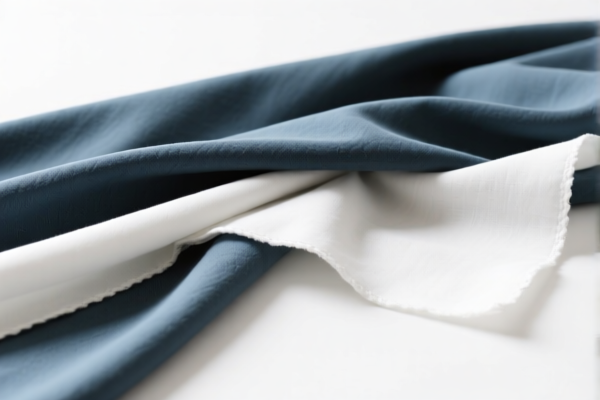
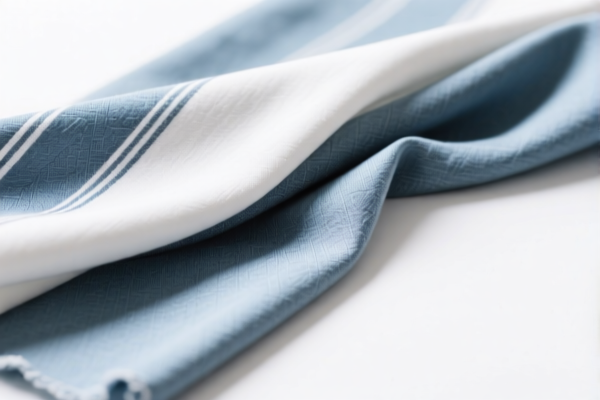
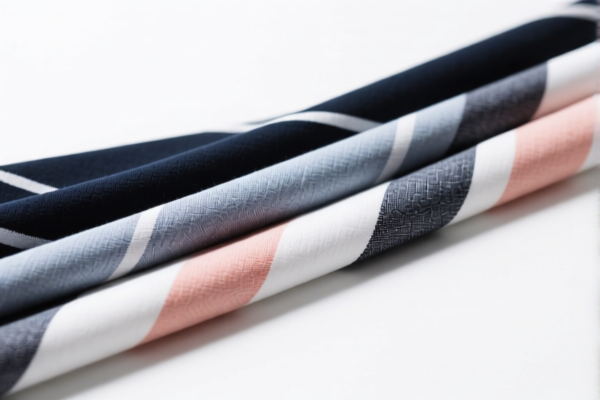
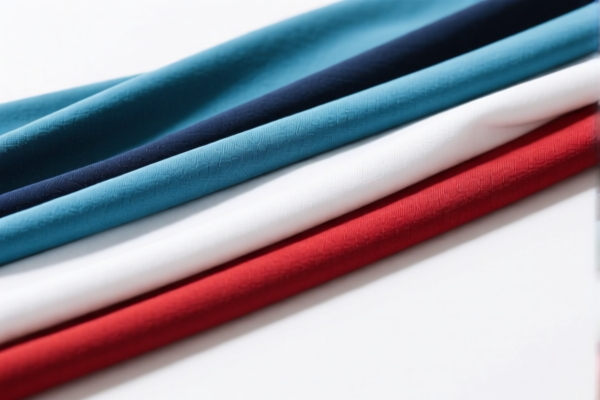
AI Analysis
🧵 Textiles (Fabric & Garment Accessories)
🌐 HS Code Reference & Customs Clearance Guide | 2026 Latest Tariff Analysis | Professional-Level Strategy
📌 I. Product Definition & Classification: Do You Really Know "Textiles"?
Textiles, a broad category encompassing woven fabrics, knitted materials, and various finished textile products, are foundational to global supply chains. In international trade, they are strictly categorized by structure (woven vs. knitted) and composition (cotton, synthetic fibers, silk, etc.). Misclassification here is a common pitfall that leads to significant duty overpayments or customs delays.
⚠️ Key Distinction:
- "Made-up Articles" (Finished Goods): Items like towels, curtains, or specific textile accessories that are sewn or assembled → Likely fall under Chapter 63 (e.g., 6307).
- "Fabrics/Materials" (Raw/Intermediate): Knitted or woven fabrics in continuous form → Likely fall under Chapters 50-60 (e.g., 5903, 6006).
📦 II. HS Code Classification Details (2026 Latest Tariff Authority)
Based on the provided data, the following HS Codes are relevant for textile-related imports. Note that the classification depends on whether the item is a finished article or a fabric material.
| HS Code | Product Description | Application Scenario | Material/Structure |
|---|---|---|---|
6307.90.98.82 |
Made-up articles of textiles, including dress patterns, not elsewhere specified | General textile accessories, unfinished textile items | Likely cotton-based; finished product category |
6307.90.98.84 |
Other made-up textile articles, including dress patterns | Other finished textile goods | May contain synthetic fibers (man-made); finished product category |
6006.90.90.00 |
Knitted or crocheted fabrics, other, of man-made fibers | General knitted fabric, fallback category for unknown blends | Knitted/Crocheted; "Other" fallback for fiber composition |
5903.10.20.10 |
Textile fabrics impregnated, coated, covered or laminated with plastic substances | Technical textiles, coated fabrics, waterproof materials | Textile form consistent; no material conflict |
6006.90.10.00 |
Knitted or crocheted fabrics, other, containing ≥5% silk | Luxury or blended knitted fabrics | Knitted/Crocheted; may contain silk content |
🔍 Key Reminder:
-6307codes are for "Made-up Articles" (finished goods). If your product is a sewn item (e.g., a bag, a curtain, a specific accessory), use this chapter. -5903and6006codes are for Fabrics/Materials. If your product is a roll of fabric or a treated textile sheet, use these chapters. - Material Conflict Check: Ensure the fiber composition (cotton vs. synthetic vs. silk) matches the specific subheading to avoid "material conflict" rejections.
💰 III. 2026 Latest Tariff Rate Breakdown (Including Additional Duties & Policy Surcharges)
✅ Applicable Country: United States (US)
✅ Origin: China (CN)
✅ Effective Date: Current tariffs as per 2026 regulations (including Section 301 and Section 122 surcharges)
🎯 1. 6307.90.98.82 & 6307.90.98.84 — Made-up Textile Articles
| Item | Detail |
|---|---|
| Base Tariff | 7.0% |
| Section 301 Surcharge | 7.5% |
| Section 122 Surcharge | 10.0% |
| Total Tariff Rate | 24.5% |
| Tax Calculation | CIF Value × 24.5% |
| De Minimis Exemption? | ❌ No (Subject to strict scrutiny for textile imports) |
| Legal Basis | Standard HTS + Section 301 Footnote + Section 122 Enforcement |
📌 Explanation:
- These finished textile goods face a moderate-to-high combined duty of 24.5%.
- The 10% Section 122 surcharge is specific to certain textile and apparel items, aimed at protecting domestic production.
- Cost Impact: For every $10,000 of goods, expect ~$2,450 in duties.
🎯 2. 6006.90.90.00 & 5903.10.20.10 — Knitted/Coated Fabrics (Fallback/Technical)
| Item | Detail |
|---|---|
| Base Tariff | 0.0% |
| Section 301 Surcharge | 25.0% |
| Section 122 Surcharge | 10.0% |
| Total Tariff Rate | 35.0% |
| Tax Calculation | CIF Value × 35.0% |
| De Minimis Exemption? | ❌ No |
| Legal Basis | HTS Base Rate + USITC Section 301 List + Section 122 |
📌 Explanation:
- Even though the base tariff is 0%, the Section 301 surcharge of 25% applies heavily to these fabric categories.
- Section 122 adds another 10%.
- Total 35% is significantly higher than finished goods in some cases! This highlights why accurate classification (Finished vs. Fabric) is critical for cost management.
🎯 3. 6006.90.10.00 — Knitted Fabrics with Silk Content
| Item | Detail |
|---|---|
| Base Tariff | 7.0% |
| Section 301 Surcharge | 25.0% |
| Section 122 Surcharge | 10.0% |
| Total Tariff Rate | 42.0% |
| Tax Calculation | CIF Value × 42.0% |
| De Minimis Exemption? | ❌ No |
| Legal Basis | HTS Base Rate + USITC Section 301 List + Section 122 |
📌 Explanation:
- Items containing silk (even ≥5%) are treated differently, often incurring a 7% base rate but still subject to the 25% Section 301 and 10% Section 122.
- Total 42% is the highest tier in this dataset.
- Warning: If your product is a "knitted fabric" with silk, do not classify it as a "made-up article" (6307) to avoid misdeclaration, but be aware of the higher duty.
🛠️ IV. Customs Clearance Practical Advice (Real-World Pitfall Avoidance)
✅ 1. Preparation Checklist (Non-Negotiable)
| Document | Required? | Notes |
|---|---|---|
| ✅ Product Specification Sheet | ✔️ | Must detail fiber composition (e.g., "100% Cotton", "50% Poly/50% Silk"), weave type (Knitted/Woven), and finish (Coated/Uncoated). |
| ✅ Fabric Swatch/Photo | ✔️ | Critical for distinguishing between 6006 (Fabric) and 6307 (Made-up). |
| ✅ Commercial Invoice | ✔️ | Must clearly state "Knitted Fabric" or "Made-up Textile Article" — do not use vague terms like "Cloth". |
| ✅ Third-Party Test Report | ✔️ | Fiber content analysis is mandatory for 6006.90.10.00 (silk) vs. 6006.90.90.00 (other). |
| ✅ Packaging List | ✔️ | Ensure quantity and weight match the invoice. |
✅ 2. Declaration Tips (Key Mnemonics)
🔥 "Finished vs. Fabric, Classify with Care!"
| Scenario | Correct HS Code | Risk of Misclassification |
|---|---|---|
| Sewn textile bag/curtain | 6307.90.98.xx |
❌ Do not use 6006 |
| Roll of knitted polyester fabric | 6006.90.90.00 |
❌ Do not use 6307 |
| Roll of PVC-coated textile | 5903.10.20.10 |
⚠️ Requires proof of coating/lamination |
| Knitted fabric with 5%+ silk | 6006.90.10.00 |
❌ High duty (42%) — ensure silk content is verified |
✅ 3. Special Handling Scenarios
| Scenario | Advice |
|---|---|
| Ambiguous Fiber Content | If unsure if it's cotton or synthetic, and it's a "made-up article," 6307.90.98.82 may be safer (lower total tax 24.5% vs. 35-42% for fabrics). Verify composition! |
| Section 122 Applicability | Section 122 applies to many textiles. Ensure your product is not exempt. If it's a "technical textile" under 5903, it still faces the 10% surcharge. |
| Silk Content Claim | If declaring 6006.90.10.00, provide a lab test report proving silk ≥5%. Failure may lead to reclassification and penalty. |
🌍 V. Global Market Comparison (2026 Update)
| Region | Recommended HS Code | Estimated Duty | Notes |
|---|---|---|---|
| 🇺🇸 USA | 6307.90.98.82 / 6006.90.90.00 |
24.5% – 42% | High Surcharges: Section 301 + Section 122 apply. |
| 🇨🇳 China | 6307.90.98.82 / 6006.90.90.00 |
5% – 10% | No Section 301/122. Standard MFN rates apply. |
| 🇪🇺 EU | 6307.90 / 6006.90 |
4% – 6% | Generally lower duties. No Section 122 equivalent. |
| 🇬🇧 UK | 6307.90 / 6006.90 |
4% – 6% | Post-Brexit, similar to EU but separate rules. |
📌 Conclusion:
- USA is the most costly market for textiles due to Section 301 (25%) and Section 122 (10%) surcharges.
- Duty Savings Opportunity: If your product can be legitimately classified as a Finished Article (6307) instead of a Fabric (6006/5903), you save 10-17.5% in duties (24.5% vs. 35-42%).
- Strategy: If you produce semi-finished goods, consider completing the manufacturing (sewing, finishing) to qualify for6307classification.
📌 VI. Common Errors & Pitfalls (Lessons Learned)
❌ Error 1: Declaring "Knitted Fabric" when it's actually a "Made-up Article" (e.g., a sewn pouch).
👉 Consequence: Underpayment of duty (24.5% vs. 35-42%) → Back taxes + Penalties!
❌ Error 2: Ignoring Section 122.
👉 Consequence: Assuming only 25% tax, but actually owing 35% or 42%. Customs will audit and demand the difference.
❌ Error 3: Vague Description "Textile Material".
👉 Consequence: Customs cannot determine if it's 6006 (0% base) or 6307 (7% base). Leads to detention and manual examination.
✅ Correct Approach:
"Knitted Polyester Fabric, Roll, 100% Man-Made Fiber, Uncoated" →
6006.90.90.00
"Cotton Towel, Finished, Sewn" →6307.90.98.82
🎯 VII. Conclusion: Precision in Classification, Profit in Clearance
🎯 Remember the Key Rule:
🔹 "Finished Goods (
6307) = 24.5% Tax"
🔹 "Fabrics (6006/5903) = 35-42% Tax"
🔹 "Silk Blend (6006.90.10.00) = 42% Tax"🔹 "Section 301 + 122 = High Duty Alert!"
📌 Pro Tip:
If your product is on the border between "Fabric" and "Made-up Article," consult a customs broker before shipping. A slight change in manufacturing stage (e.g., adding hemming or labels) can change the HS Code and save you 10-17% in duties.
📣 Immediate Action:
📞 Verify Fiber Content → Determine Product Form (Finished vs. Fabric) → Select Correct HS Code → Declare Accurately.
🚀 Avoid Surprises: Know Your Duties Before You Ship!
✨ Professional Customs Clearance Starts with Accurate Classification!
💼 Every Percent Matters in Textiles!
Customer Reviews
About HS Code Classification
The Harmonized System (HS) is an internationally standardized nomenclature developed by the World Customs Organization (WCO) to classify traded products. Over 200 countries use the HS system as the basis for customs tariffs, trade statistics, and import/export regulations.
Each HS code follows a hierarchical structure:
- Chapter (2 digits) — Broad category of goods (e.g., Chapter 84: Machinery and Mechanical Appliances)
- Heading (4 digits) — More specific grouping within the chapter
- Subheading (6 digits) — Internationally standardized breakdown, used by all WCO member countries
- National subdivisions (8-10 digits) — Country-specific extensions for further classification, such as US HTSUS 10-digit codes
Correct HS code classification is essential for smooth customs clearance, accurate duty payment, and compliance with trade regulations. Misclassification can lead to customs delays, overpayment of duties, or penalties.
When importing from CN to US, the applicable tariff rates may include:
- Most-Favored-Nation (MFN) rate — The standard duty rate applied to WTO members
- General rate — Applied to countries without trade agreements
- Trade remedy duties — Additional tariffs such as Section 301 (anti-dumping), Section 232 (national security), or countervailing duties
The information provided on this page is for reference purposes only. For official classification, please consult with your local customs authority or a licensed customs broker.