Textureless Silk per Square Meter
CN → US| HS Code | Tariff Rate | Origin | Destination | Doc |
|---|---|---|---|---|
| 5007103020 | 35.8% | CN | US | Official Doc |
| 5007903020 | 35.8% | CN | US | Official Doc |
Product Images
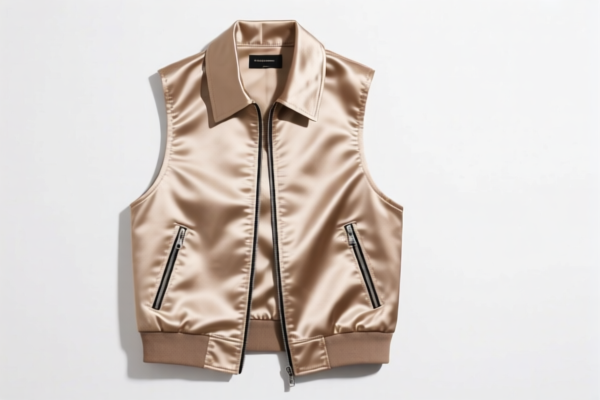

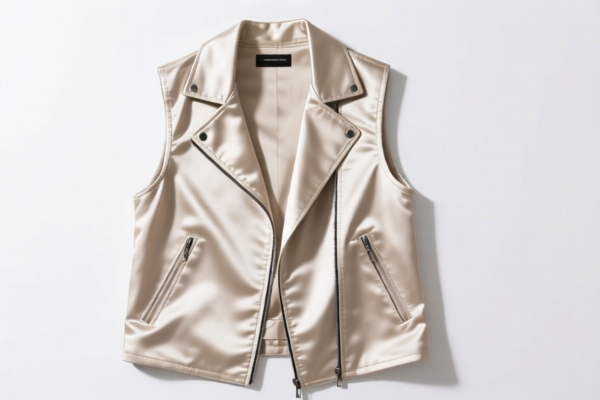
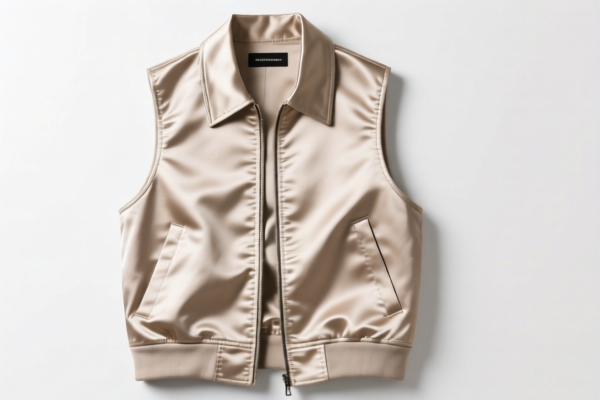
AI Analysis
🧵 Textureless Silk Fabrics (Silk Fabrics per Square Meter)
🌐 HS Code Reference & Customs Clearance Guide | 2026 Latest Tariff Analysis | Professional Clearance Strategy
📌 I. Product Definition & Classification: What Exactly is "Textureless Silk"?
"Textureless Silk" in trade terminology typically refers to plain-woven silk fabrics without complex patterns like jacquard, damask, or embroidery. These are basic, smooth-weave fabrics, often used for linings, scarves, dresses, and luxury apparel.
In international trade, these fabrics are categorized based on two main factors: 1. Raw Material Content: Whether the fabric contains 85% or more by weight of silk or silk waste. 2. Weave Type: Specifically distinguishing Jacquard (patterned in the weave) from Non-Jacquard (plain, satin, or twill weaves without intricate built-in patterns). 3. Width: The physical width of the fabric, which affects duty rates and usability.
⚠️ Key Distinction:
- If the fabric is Jacquard woven (intricate patterns woven into the fabric), it does NOT fall under the codes below. It belongs to a different tariff heading. - If the fabric is Non-Jacquard (plain weave, satin, etc.) and contains ≥85% silk, it falls under HS Code 5007. - The specific subtype depends on whether it is made from Noil Silk (short fibers) or Other Silk (long fibers like filament).
📦 II. HS Code Classification Details (2026 Latest Tariff Authority Comparison)
Based on the provided data, the relevant HS Codes for Non-Jacquard, Width > 127cm, ≥85% Silk Content are:
| HS Code | Product Description | Key Conditions | Width Requirement |
|---|---|---|---|
5007.10.30.20 |
Woven fabrics of silk or of silk waste: Fabrics of noil silk: Containing 85% or more by weight of silk or silk waste, Not jacquard woven | Noil Silk (short fiber silk, often slightly textured/nubby but not jacquard patterned) | More than 127 cm |
5007.90.30.20 |
Woven fabrics of silk or of silk waste: Other fabrics: Containing 85% or more by weight of silk or silk waste, Not jacquard woven | Other Silk (Filament silk, e.g., Charmeuse, Dupioni, Plain Weave) | More than 127 cm |
🔍 Critical Reminder:
- Width Matters: Both codes below apply ONLY if the fabric width is > 127 cm. If the width is ≤ 127 cm, different subheadings apply (not included in this data set). - Pattern Matters: If the fabric is Jacquard, these codes are INVALID. - Composition Matters: Both codes require ≥85% silk/silk waste by weight. Blends with lower silk content will be classified differently.
💰 III. 2026 Latest Tariff Rate Details (Including Additional Taxes & Policy Add-ons)
✅ Applicable Country: United States (US)
✅ Origin: China (CN)
✅ Effective Time: As per current 2026 tariff schedule
🎯 1. 5007.10.30.20 —— Silk Noil Fabrics (Non-Jacquard, >127cm)
| Item | Content |
|---|---|
| Base Tariff | 0.0% |
| Section 301 / Additional Tariffs | 0.0% |
| Total Tax Rate | 0.0% |
| Tax Calculation | CIF Value × 0.0% = $0 |
| De Minimis Eligibility | ❌ N/A (Not applicable due to 0% rate, but standard de minimis rules still apply for entry) |
| Legal Basis | HTSUS 5007.10.30.20 |
📌 Explanation:
- Base Rate: The US harmonized tariff for silk noil fabrics under 85% silk content is typically low, but for ≥85% noil silk, it is 0%. - Additional Taxes: Unlike many electronics or steel products, silk fabrics do NOT currently attract the 25% Section 301 tariff or the 10% IEEPA surcharge under this specific subheading. This is a major advantage for silk exporters. - Total Cost Impact: Zero tariff cost for customs clearance.
🎯 2. 5007.90.30.20 —— Other Silk Fabrics (Non-Jacquard, >127cm)
| Item | Content |
|---|---|
| Base Tariff | 0.0% |
| Section 301 / Additional Tariffs | 0.0% |
| Total Tax Rate | 0.0% |
| Tax Calculation | CIF Value × 0.0% = $0 |
| De Minimis Eligibility | ❌ N/A |
| Legal Basis | HTSUS 5007.90.30.20 |
📌 Note:
- This covers filament silk fabrics (e.g., satin, plain weave) that are not jacquard. - Same 0% rate: Like noil silk, these fabrics also benefit from 0% base + 0% additional tariffs. - High-Value Opportunity: Despite silk being a luxury good, the US imports these specific types tariff-free from China, making it a competitive advantage for Chinese silk exporters.
🛠️ IV. Customs Clearance Practical Advice (Real-World Pitfall Avoidance Guide)
✅ 1. Required Documentation Checklist (Non-Negotiable)
| Document | Must Provide | Explanation |
|---|---|---|
| ✅ Product Specification Sheet | ✔️ | Must clearly state: "Woven Silk Fabric," "Non-Jacquard," "85%+ Silk Content," "Width > 127cm." |
| ✅ Fabric Swatch/Photo | ✔️ | Show weave type (plain, satin) to prove Non-Jacquard. |
| ✅ Composition Certificate | ✔️ | Third-party lab report confirming ≥85% silk by weight. |
| ✅ Commercial Invoice | ✔️ | Clearly describe as "Silk Fabric, Non-Jacquard, Width XXX cm." Avoid vague terms like "Silk Material." |
| ✅ Packing List | ✔️ | Specify width and length/weight. |
| ✅ Certificate of Origin (CO) | ✔️ | Required to prove Chinese origin for tariff verification. |
✅ 2. Declaration Tips (Key Mnemonics)
🔥 "Non-Jacquard, >127cm, 85% Silk = 0% Tax!"
| Scenario | Correct Declaration | Wrong Practice |
|---|---|---|
| Plain Weave Silk, Width 150cm | 5007.90.30.20 (Other Silk) |
Misclassify as "Apparel" → Higher tax |
| Noil Silk, Width 130cm | 5007.10.30.20 (Noil Silk) |
Call it "Cotton Blend" → Wrong HS Code |
| Jacquard Silk, Width 140cm | NOT 5007.xxxx | Use 5007 codes → CUSTOMS REJECTION |
| Silk Blend <85% Silk | NOT 5007.10/90 | Use 5007 codes → Penalty |
📌 Critical Warning:
- Jacquard vs. Non-Jacquard: If your fabric has any woven-in pattern (flowers, geometric shapes created by the weave, not printed), it is Jacquard. Jacquard silk fabrics have different HS Codes (e.g., 5007.10.30.10 or 5007.90.30.10) which may have different tax rates. Do not use the codes above for jacquard fabrics. - Width Measurement: Ensure the width is strictly greater than 127 cm. If it is 127 cm or less, the code changes.
✅ 3. Special Cases Handling
| Scenario | Handling Advice |
|---|---|
| Printed Silk Fabric | If printed, still classified under 5007.90.30.20 if non-jacquard. Ensure "Printed" is declared to avoid misclassification as "Woven Plain." |
| Silk Blends (e.g., Silk-Cotton) | If silk content is <85%, these codes are INVALID. Check HTSUS for 50%+ silk or 50%+ other textile categories. |
| Narrow Fabric (≤127cm) | Use different HS subheadings. Do not force >127cm codes. |
| Sample Kits | If shipping small samples, ensure commercial invoice states "Commercial Sample, Value $X, No Commercial Sale." |
🌍 V. Global Market Customs Comparison (2026 Latest)
| Country/Region | Recommended HS Code | Tariff Rate | Certification Requirements | Notes |
|---|---|---|---|---|
| 🇺🇸 USA | 5007.10.30.20 / 5007.90.30.20 |
0.0% | None specific for silk | Zero tariff advantage |
| 🇨🇳 China | 5007.10 / 5007.90 |
0%~5% | None | Import duty low |
| 🇪🇺 EU | 5007.10 / 5007.90 |
0%~6.5% | CE (if for industrial use) | Varies by member state |
| 🇬🇧 UK | 5007.10 / 5007.90 |
0%~6.5% | UKCA (if applicable) | Post-Brexit rules |
| 🇯🇵 Japan | 5007.10 / 5007.90 |
0%~5% | No specific | Low tariff |
📌 Conclusion:
- USA offers 0% tariff for these specific silk fabrics, making it a highly competitive market for Chinese silk exporters. - No Section 301 or IEEPA penalties apply to these silk fabric codes, unlike many other Chinese exports.
📌 VI. Common Errors & Pitfall Guide (Blood-Tested Lessons)
❌ Error 1: Misclassifying Jacquard Silk as Non-Jacquard
👉 Consequence: Customs will reclassify, leading to back taxes + penalties. Jacquard silk may have different rates.
❌ Error 2: Ignoring Width Specification
👉 Consequence: If width is ≤127cm but declared as >127cm, customs may seize goods or demand reclassification.
❌ Error 3: Declaring <85% Silk under ≥85% Code
👉 Consequence: Tax evasion charge. Must provide lab test to prove silk content.
❌ Error 4: Using "Silk Scarf" instead of "Silk Fabric"
👉 Consequence: Confusion in classification. Scarves (finished goods) are under Chapter 62, not Chapter 50 (Fabrics).
✅ Correct Practice:
"Woven Silk Fabric, Plain Weave, Non-Jacquard, 100% Silk Filament, Width 150cm, Unprinted, for Apparel Manufacturing"
🎯 VII. Conclusion: Professional Declaration Saves Time & Money!
🎯 Remember the Mnemonic:
🔹 "Non-Jacquard, >127cm, 85% Silk = 0% Tax!"
🔹 "Jacquard = Different Code! Width = Critical! Silk Content = Must Prove!"
📌 Pro Tip:
- Always include a lab report confirming silk content if the buyer or customs agent questions the declaration.
- For Jacquard fabrics, consult a customs broker immediately, as they fall under different HS Codes with potentially different rates.
- Document everything: Photos, specs, invoices, and lab reports should be consistent.
📣 Immediate Action:
📞 Contact your customs broker + Provide product photos + Verify width & silk content
🚀 Let your silk fabrics clear customs smoothly, avoid penalties, and maximize profits!
✨ Professional clearance starts with accurate classification!
💼 Every percentage point matters in global trade!
Customer Reviews
About HS Code Classification
The Harmonized System (HS) is an internationally standardized nomenclature developed by the World Customs Organization (WCO) to classify traded products. Over 200 countries use the HS system as the basis for customs tariffs, trade statistics, and import/export regulations.
Each HS code follows a hierarchical structure:
- Chapter (2 digits) — Broad category of goods (e.g., Chapter 84: Machinery and Mechanical Appliances)
- Heading (4 digits) — More specific grouping within the chapter
- Subheading (6 digits) — Internationally standardized breakdown, used by all WCO member countries
- National subdivisions (8-10 digits) — Country-specific extensions for further classification, such as US HTSUS 10-digit codes
Correct HS code classification is essential for smooth customs clearance, accurate duty payment, and compliance with trade regulations. Misclassification can lead to customs delays, overpayment of duties, or penalties.
When importing from CN to US, the applicable tariff rates may include:
- Most-Favored-Nation (MFN) rate — The standard duty rate applied to WTO members
- General rate — Applied to countries without trade agreements
- Trade remedy duties — Additional tariffs such as Section 301 (anti-dumping), Section 232 (national security), or countervailing duties
The information provided on this page is for reference purposes only. For official classification, please consult with your local customs authority or a licensed customs broker.