The Pacifier Chain Belt
CN → US| HS Code | Tariff Rate | Origin | Destination | Doc |
|---|---|---|---|---|
| 9503000073 | 10.0% | CN | US | Official Doc |
| 3926908500 | 24.0% | CN | US | Official Doc |
| 9503000071 | 10.0% | CN | US | Official Doc |
| 3926909989 | 22.8% | CN | US | Official Doc |
| 9503000073 | 10.0% | CN | US | Official Doc |
Product Images
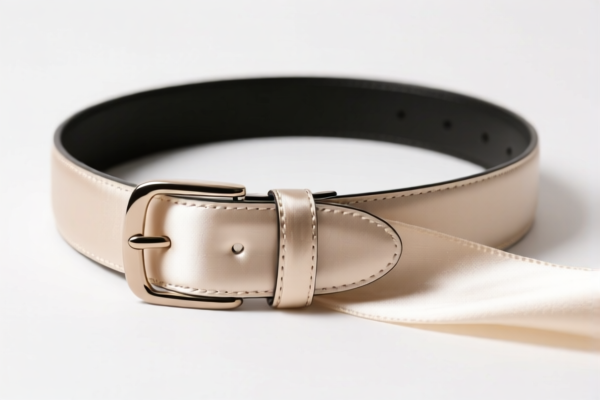
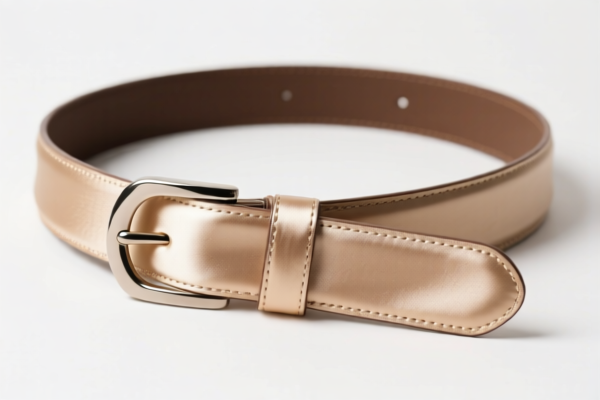
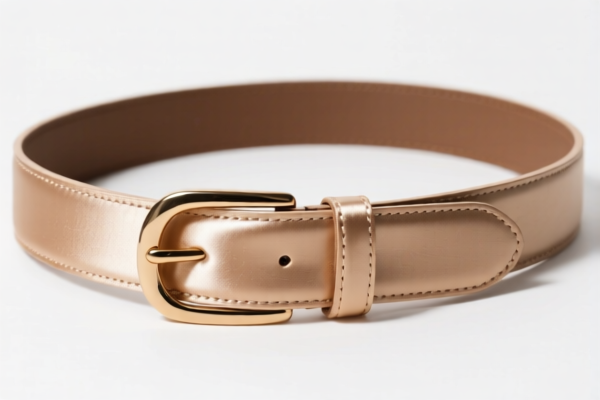
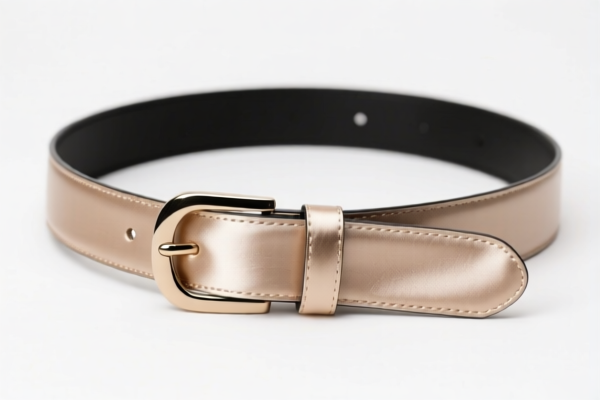
AI Analysis
🍼 The Pacifier Chain Belt (Nipple Chain)
🌐 HS Code Reference & Customs Clearance Guide | 2026 Latest Tariff Analysis | Professional Entry Strategy
📌 I. Product Definition & Classification: What Exactly Is a "Pacifier Chain Belt"?
The Pacifier Chain Belt (also known as a Nipple Clip or Pacifier Chain) is an accessory designed for infants and toddlers under 3 years old. Its primary function is to hold a pacifier securely around the baby’s neck or clothing using a clip or strap, preventing loss and maintaining hygiene.
In international trade, this product sits in a nuanced category. It is strictly defined by two factors: 1. Target Age Group: Specifically for children under 3 years old. 2. Material Composition: Typically plastic (silicone/ABS), fabric, or metal clips.
⚠️ Key Distinction Point:
- If classified as a Toy Accessory for children <3: It falls under HS 9503 (Toys, games, and models).
- If classified as a General Plastic/Fabric Accessory (non-toy specific): It may fall under HS 3926 (Plastic articles) or similar general manufacturing categories.
- Critical Warning: Customs authorities often scrutinize this item for safety standards (choking hazards, string length), but for tariff classification, the "Toy Accessory" definition usually yields the most favorable base tax rate (0%).
📦 II. HS Code Classification Details (2026 Latest Tariff Authority Cross-Reference)
Based on the provided data, here are the four most likely HS Code classifications for the Pacifier Chain Belt, ranging from "Toy Accessory" to "General Plastic Product."
| HS Code | Product Description | Usage Category | Material Assumption | Tax Rate (Total) |
|---|---|---|---|---|
| 9503.00.00.73 | Accessory for pacifier use for children under 3 | Toy & Related Parts | Plastic/Fabric mix | 10.0% |
| 9503.00.00.71 | Accessory/Component matching toy usage scope | Toy & Related Parts | Fabric or Plastic | 10.0% |
| 3926.90.85.00 | Other plastic articles, non-specific use | General Plastic Goods | Plastic/Synthetic | 24.0% |
| 3926.90.99.89 | Other plastic articles, general category | General Plastic Goods | Plastic | 22.8% |
🔍 Key Insight:
- HS 9503 codes are Toy Accessories. Since the product is specifically for infants <3 and serves a toy (pacifier) function, it logically fits here.
- HS 3926 codes are General Plastic Products. This applies if the customs officer views it merely as a "plastic clip/chain" without recognizing its specific toy-related utility.
- Risk: Misclassification from 9503 (10%) to 3926 (22.8-24%) results in a 12.8%–14% tax increase.
💰 III. 2026 Latest Tariff Rate Breakdown (Detailed Tax Clauses)
✅ Applicable Country: United States (US)
✅ Country of Origin: China (CN)
✅ Effective Time: Current rates apply including subsequent imports
🎯 1. 9503.00.00.73 & 9503.00.00.71 — Toy Accessories (Under 3 Years Old)
| Item | Content |
|---|---|
| Base Tariff | 0.0% (Ad valorem) |
| Additional Tariff | 0.0% |
| Section 301 / "122-Clause" Tariff | +10.0% |
| Total Tax Rate | 10.0% |
| Tax Calculation | CIF Value × 10% |
| De Minimis Eligibility | ❌ No (Subject to standard commercial entry rules) |
| Legal Basis Path | USITC:9503.00.00.71/73 → Section 301 Footnote: 9903.88.01 (10% surcharge on Chinese toys/accessories) |
📌 Explanation:
- The base rate is 0%, making this the most tax-efficient classification.
- The 10% total tax comes solely from the "122-Clause" (Section 301) surcharge applied to specific Chinese goods, including certain toy accessories.
- Why this is best: Even with the 10% hit, it is significantly lower than the ~24% rate for general plastics.
🎯 2. 3926.90.85.00 — Other Plastic Articles (Non-Specific)
| Item | Content |
|---|---|
| Base Tariff | 6.5% |
| Additional Tariff | 7.5% |
| Section 301 / "122-Clause" Tariff | +10.0% |
| Total Tax Rate | 24.0% |
| Tax Calculation | CIF Value × 24% |
| De Minimis Eligibility | ❌ No |
| Legal Basis Path | USITC:3926.90.85.00 → Section 301 → IEEPA |
📌 Explanation:
- High Tax Burden: This classification assumes the item is a generic plastic good, not a toy accessory.
- Breakdown: You pay 6.5% base + 7.5% additional + 10% Section 301 = 24%.
- Risk: This is nearly 2.4x more expensive than the toy classification.
🎯 3. 3926.90.99.89 — Other Plastic Articles (General)
| Item | Content |
|---|---|
| Base Tariff | 5.3% |
| Additional Tariff | 7.5% |
| Section 301 / "122-Clause" Tariff | +10.0% |
| Total Tax Rate | 22.8% |
| Tax Calculation | CIF Value × 22.8% |
| De Minimis Eligibility | ❌ No |
| Legal Basis Path | USITC:3926.90.99.89 → Section 301 |
📌 Explanation:
- Slightly better than3926.90.85.00due to a lower base rate (5.3% vs 6.5%), but still more than double the toy tax rate.
🛠️ IV. Customs Clearance Practical Advice (Real-World Pitfall Guide)
✅ 1. Document Checklist (Mandatory)
| Document | Required | Explanation |
|---|---|---|
| ✅ Product Specification Sheet | ✔️ | Must state: "Accessory for Pacifiers," "For Children Under 3," "Materials: Plastic/Fabric." |
| ✅ Product Photos | ✔️ | Show the clip, chain, and pacifier attachment to prove toy-related utility. |
| ✅ Commercial Invoice | ✔️ | Description must read: "Baby Pacifier Chain/Clip, Plastic Accessory for Infants <3 Years." |
| ✅ Safety Compliance Certs | ✔️ | ASTM F963 (US Toy Standard) or CPC (Children’s Product Certificate). This proves it’s a "Toy Accessory," supporting HS 9503. |
| ✅ Packing List | ✔️ | List items clearly. Avoid vague terms like "Plastic Parts." |
✅ 2. Declaration Strategy (Key Mantra)
🔥 “Define as Toy Accessory, Not Just Plastic Part!”
| Scenario | Correct Declaration | Wrong Declaration |
|---|---|---|
| Standard Pacifier Chain | 9503.00.00.73 (Toy Accessory) |
3926.90.85.00 (Plastic Article) |
| Fabric/Metal Mix Chain | 9503.00.00.71 (Toy Accessory) |
3926.90.99.89 (Plastic Article) |
| Generic Plastic Clip (No Toy Link) | 3926.90.85.00 |
N/A |
📌 Critical Tip:
- Always include "For Infants Under 3" and "Accessory for Pacifier" in the commercial invoice and packing list.
- If you declare it as a generic "Plastic Clip," Customs will likely reclassify it to HS 3926, increasing your tax from 10% to 24%.
✅ 3. Special Considerations
| Situation | Handling Advice |
|---|---|
| OEM Custom Chains | Provide design drawings showing the clip mechanism and intended use with pacifiers. |
| Mixed Materials | If the chain is plastic but the clip is metal, still aim for HS 9503 if the primary function is toy-related. |
| Safety Standards | Ensure CPC/ASTM compliance is ready. Customs may detain goods if safety certs are missing, even if the HS code is correct. |
| De Minimis (Section 321) | ❌ Not Eligible. Items classified under HS 9503/3926 for commercial import are subject to full duties. |
🌍 V. Global Market Comparison (2026 Latest)
| Country/Region | Recommended HS Code | Tariff (China Origin) | Certification Req. | Notes |
|---|---|---|---|---|
| 🇺🇸 USA | 9503.00.00.73 |
10.0% (10% S301) | CPC + ASTM F963 | Best Option. Avoid 3926 (24%). |
| 🇨🇳 China | 9503.00.00.73 |
0% - 5% (Varies) | CCC (if applicable) | Lower base duty. |
| 🇪🇺 EU | 9503.00.95 |
0% - 4.7% | CE + EN71 | Generally low duty for toys. |
| 🇬🇧 UK | 9503.00.00.00 |
0% - 4% | UKCA | Post-Brexit rules apply. |
| 🇨🇦 Canada | 9503.00.00.20 |
0% (MFN) | CPSC/Health Canada | No major surcharge. |
📌 Conclusion:
- The US market has the highest risk of misclassification.
- HS 9503 is the golden ticket for US entry, keeping taxes at 10%.
- HS 3926 leads to 22-24% taxes, eroding margins significantly.
📌 VI. Common Errors & Pitfalls (Lessons Learned)
❌ Error 1: Declaring as "Plastic Chain" or "Accessory" without mentioning "Toy" or "Pacifier"
👉 Result: Customs reclassifies to HS 3926 → 24% Tax instead of 10%.
❌ Error 2: Missing CPC/ASTM Documentation
👉 Result: Goods held at border for safety inspection → Delay + Storage Fees.
❌ Error 3: Using Generic HS Codes like "Plastic Articles" (3926) when Toy Codes (9503) are available
👉 Result: Paying 14% extra tax unnecessarily.
✅ Correct Declaration Example:
"Baby Pacifier Chain Clip, Plastic & Fabric, Accessory for Pacifiers, For Infants Under 3 Years Old. CPC Certified."
🎯 VII. Conclusion: Precision Saves Money
🎯 Remember the Mantra:
🔹 "Toy Accessory = 10%. Plastic Part = 24%. Define it right!"
🔹 "HS 9503 is your friend. HS 3926 is your wallet’s enemy."
📌 Pro Tip:
If your pacifier chains are made from non-Chinese materials (e.g., plastic from Vietnam), you may avoid the 10% Section 301 tariff, potentially lowering the tax to 0%. Check your supply chain origin carefully!
📣 Immediate Action:
📞 Contact your customs broker with the Product Specification Sheet and CPC Certificate.
🚀 Declare as HS 9503.00.00.73 to minimize costs.
✨ Accurate Classification = Maximized Profit!
Customer Reviews
About HS Code Classification
The Harmonized System (HS) is an internationally standardized nomenclature developed by the World Customs Organization (WCO) to classify traded products. Over 200 countries use the HS system as the basis for customs tariffs, trade statistics, and import/export regulations.
Each HS code follows a hierarchical structure:
- Chapter (2 digits) — Broad category of goods (e.g., Chapter 84: Machinery and Mechanical Appliances)
- Heading (4 digits) — More specific grouping within the chapter
- Subheading (6 digits) — Internationally standardized breakdown, used by all WCO member countries
- National subdivisions (8-10 digits) — Country-specific extensions for further classification, such as US HTSUS 10-digit codes
Correct HS code classification is essential for smooth customs clearance, accurate duty payment, and compliance with trade regulations. Misclassification can lead to customs delays, overpayment of duties, or penalties.
When importing from CN to US, the applicable tariff rates may include:
- Most-Favored-Nation (MFN) rate — The standard duty rate applied to WTO members
- General rate — Applied to countries without trade agreements
- Trade remedy duties — Additional tariffs such as Section 301 (anti-dumping), Section 232 (national security), or countervailing duties
The information provided on this page is for reference purposes only. For official classification, please consult with your local customs authority or a licensed customs broker.