The Swan Drain Basket
CN → US| HS Code | Tariff Rate | Origin | Destination | Doc |
|---|---|---|---|---|
| 4419901100 | 15.3% | CN | US | Official Doc |
| 4419909100 | 20.7% | CN | US | Official Doc |
| 7323999030 | 88.4% | CN | US | Official Doc |
| 7323999080 | 88.4% | CN | US | Official Doc |
| 3924104000 | 13.4% | CN | US | Official Doc |
Product Images

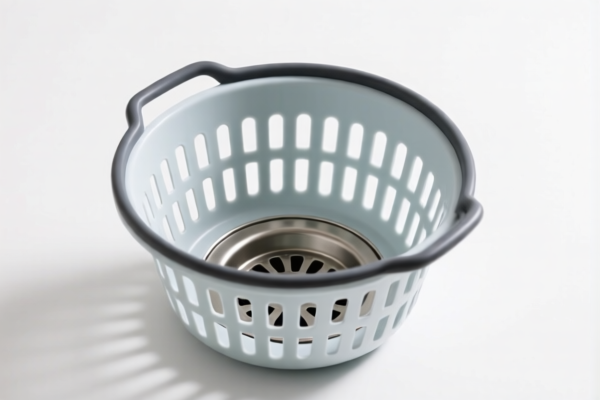
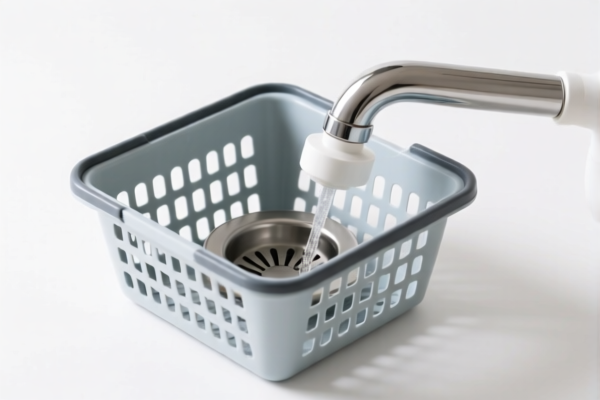
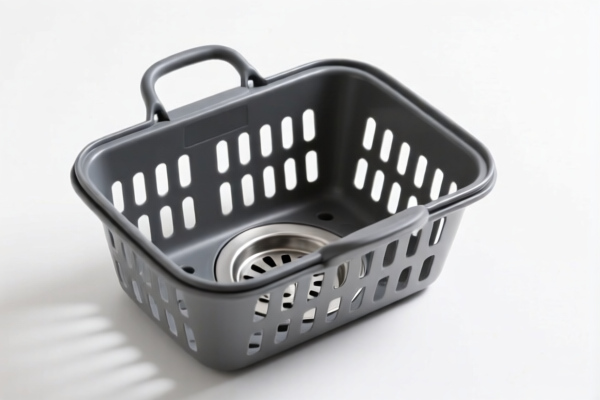
AI Analysis
🦢 The Swan Drain Basket (Kitchen Sink Strainer/Drain Basket)
🌐 HS Code Reference & Customs Clearance Guide | 2024-2026 Latest Tariff Analysis | Professional Strategy for US Imports
📌 I. Product Definition & Classification: What Exactly is a "Swan Drain Basket"?
A Swan Drain Basket is a specialized kitchen accessory, typically used in sinks to catch food debris and prevent clogging. The term "Swan" often refers to the aesthetic design (swan-neck shape) or the brand name, but functionally, it is a kitchen utensil or household article.
In international trade, its classification depends strictly on the material composition. Since drain baskets can be made of wood, metal, or plastic, they fall into different Harmonized System (HS) chapters. Misclassification leads to severe tariff penalties, especially under current US trade policies (Section 301 and Section 301-like measures).
⚠️ Critical Distinction:
- If it is Wooden → Chapter 44 (Wood Products)
- If it is Metal (Steel/Iron) → Chapter 73 (Articles of Iron or Steel)
- If it is Plastic → Chapter 39 (Plastics and Articles Thereof)
📦 II. HS Code Classification Details (Based on Provided Data)
| HS Code | Product Description | Material Inference | Tax Summary | Key Legal Basis |
|---|---|---|---|---|
4419.90.11.00 |
Wooden Kitchen Utensils | Wood | 15.3% | Base 5.3% + Section 301 (122 Clause) 10% |
4419.90.91.00 |
Other Wooden Kitchen Utensils | Wood | 20.7% | Base 3.2% + Section 301 (7.5%) + Section 122 (10%) |
7323.99.90.30 |
Steel/Aluminum Kitchen/Tableware | Metal (Steel/Aluminum) | 88.4% | Base 3.4% + Section 301 (50%) + Section 122 (10%) |
7323.99.90.80 |
Other Metal Kitchen/Tableware | Metal (Iron/Steel) | 88.4% | Base 3.4% + Section 301 (50%) + Section 122 (10%) |
3924.10.40.00 |
Plastic Tableware/Kitchenware | Plastic | 13.4% | Base 3.4% + Section 122 (10%) |
3924.90.56.50 |
Other Plastic Kitchen/Household Items | Plastic | 20.9% | Base 3.4% + Section 301 (7.5%) + Section 122 (10%) |
🔍 Key Insight:
- Metal drain baskets incur the HIGHEST tariffs (88.4%) due to the 50% Section 301 surcharge on steel/aluminum products.
- Plastic and Wooden options are significantly cheaper (13.4% – 20.7%).
- The "Swan" design does not exempt the product from material-based classification.
💰 III. Detailed Tariff Breakdown (2026 Context)
✅ Applicable Country: United States (US)
✅ Origin: China (CN)
✅ Policy Framework: Section 301 (Trade Relations with China) + Section 122 (Additional Duties on Certain Goods)
🎯 1. 4419.90.11.00 — Wooden Kitchen Utensils
| Item | Detail |
|---|---|
| Base Tariff | 5.3% |
| Section 301 Duty | 0.0% (No additional 25% or 7.5% specified for this subheading in provided data) |
| Section 122 Duty | 10% |
| Total Rate | 15.3% |
| Calculation | CIF Value × 15.3% |
| De Minimis? | ❌ No (High-value clearance required) |
📌 Explanation:
- This code applies to wooden kitchen utensils not elsewhere specified.
- The 10% Section 122 duty is a specific additional levy on certain Chinese goods.
- No major Section 301 add-on (like 25% or 50%) is listed here, making it a cost-effective option.
🎯 2. 4419.90.91.00 — Other Wooden Kitchen Utensils
| Item | Detail |
|---|---|
| Base Tariff | 3.2% |
| Section 301 Duty | 7.5% |
| Section 122 Duty | 10% |
| Total Rate | 20.7% |
| Calculation | CIF Value × 20.7% |
| De Minimis? | ❌ No |
📌 Explanation:
- "Other" wooden kitchen goods (not specific utensils like spoons/forks).
- Subject to 7.5% Section 301 and 10% Section 122.
- Slightly more expensive than4419.90.11.00due to the 7.5% surcharge.
🎯 3. 7323.99.90.30 — Steel/Aluminum Kitchen/Tableware
| Item | Detail |
|---|---|
| Base Tariff | 3.4% |
| Section 301 Duty | 50.0% (Steel/Aluminum) |
| Section 122 Duty | 10% |
| Total Rate | 88.4% |
| Calculation | CIF Value × 88.4% |
| De Minimis? | ❌ No |
📌 Critical Warning:
- This is the highest tariff tier.
- Steel and aluminum products from China face a 50% Section 301 surcharge.
- Combined with 10% Section 122, the total tax is nearly 90%.
- Recommendation: Avoid importing metal drain baskets from China if possible; consider alternative materials or countries.
🎯 4. 7323.99.90.80 — Other Metal Kitchen/Tableware
| Item | Detail |
|---|---|
| Base Tariff | 3.4% |
| Section 301 Duty | 50.0% (Steel/Aluminum) |
| Section 122 Duty | 10% |
| Total Rate | 88.4% |
| Calculation | CIF Value × 88.4% |
| De Minimis? | ❌ No |
📌 Note:
- Same high tariff as7323.99.90.30.
- Any "other" metal kitchen goods (including iron/steel drain baskets) are subject to the 50% penalty.
🎯 5. 3924.10.40.00 — Plastic Tableware/Kitchenware
| Item | Detail |
|---|---|
| Base Tariff | 3.4% |
| Section 301 Duty | 0.0% |
| Section 122 Duty | 10% |
| Total Rate | 13.4% |
| Calculation | CIF Value × 13.4% |
| De Minimis? | ❌ No |
📌 Explanation:
- Plastic kitchen utensils (including drain baskets) face no Section 301 surcharge in this subheading.
- Only 10% Section 122 applies.
- Lowest cost option among the listed codes.
🎯 6. 3924.90.56.50 — Other Plastic Kitchen/Household Items
| Item | Detail |
|---|---|
| Base Tariff | 3.4% |
| Section 301 Duty | 7.5% |
| Section 122 Duty | 10% |
| Total Rate | 20.9% |
| Calculation | CIF Value × 20.9% |
| De Minimis? | ❌ No |
📌 Note:
- "Other" plastic household items.
- Higher than3924.10.40.00due to the 7.5% Section 301 add-on.
🛠️ IV. Customs Clearance Practical Advice
✅ 1. Material Declaration is Crucial
| Material | Recommended HS Code | Why? |
|---|---|---|
| Plastic | 3924.10.40.00 |
Lowest tariff (13.4%) |
| Wood | 4419.90.11.00 |
Moderate tariff (15.3%) |
| Metal | 7323.99.90.30 |
Avoid (88.4%) |
🚫 Never declare a plastic drain basket as "wooden" or "metal" to avoid detection. Customs will inspect and penalize for fraud.
✅ 2. Documentation Checklist
| Document | Requirement |
|---|---|
| Commercial Invoice | Clearly state: "Drain Basket, Plastic/Wooden, Model XXX" |
| Material Composition Sheet | Specify 100% Plastic, 100% Wood, or Alloy Type |
| Product Photos | Show the basket clearly, including material texture |
| FCC/ROHS (if applicable) | For plastic items with electronic components (rare) |
| Fumigation Certificate (for wood) | If wooden, ensure ISPM 15 compliance |
✅ 3. Strategic Recommendations
- Switch to Plastic or Wood:
- Metal drain baskets face 88.4% tax.
- Plastic (
3924.10.40.00) and Wood (4419.90.11.00) are 80%+ cheaper in tax burden. - Avoid "Other" Subheadings:
4419.90.91.00(20.7%) and3924.90.56.50(20.9%) are more expensive than their specific counterparts (4419.90.11.00and3924.10.40.00).- Consider Alternative Origins:
- If importing metal, consider sourcing from Vietnam, Thailand, or Mexico to avoid Section 301 tariffs (though verify origin rules).
🌍 V. Global Market Comparison (2026)
| Market | HS Code | Tariff (China Origin) | Notes |
|---|---|---|---|
| 🇺🇸 USA | 3924.10.40.00 |
13.4% | Plastic is cheapest |
| 🇺🇸 USA | 7323.99.90.30 |
88.4% | Metal is prohibitively expensive |
| 🇪🇺 EU | 7323.99 |
~6-9% | No Section 301, but may have anti-dumping duties |
| 🇨🇳 China | 7323.99 |
~5-7% | Domestic tax is low |
📌 Conclusion:
- The US market is highly punitive for metal kitchen goods from China.
- Plastic and wood are the only viable options for cost-effective importation.
📌 VI. Common Mistakes & Pitfalls
❌ Mistake 1: Declaring a plastic drain basket as "Metal" to avoid plastic regulations.
👉 Result: Tariff jumps from 13.4% to 88.4% + penalties.
❌ Mistake 2: Ignoring Section 122 Duties.
👉 Result: Underpayment of 10% on all listed goods.
❌ Mistake 3: Using "Swan" as a material descriptor.
👉 Result: Customs rejects vague descriptions. Must specify Material.
✅ Correct Declaration Example:
"Plastic Kitchen Drain Basket, Swan Design, Model SWAN-01, 100% PP Plastic, HS Code: 3924.10.40.00"
🎯 VII. Final Advice
🎯 Remember:
🔹 "Metal is expensive, Plastic is smart, Wood is strong, Tariffs are the boss!"
🔹 "Check the material, not just the shape, to save 75% in taxes!"
📌 Action Plan:
1. Confirm Material: Ensure the supplier provides exact material composition.
2. Select HS Code: Use 3924.10.40.00 (Plastic) or 4419.90.11.00 (Wood).
3. Avoid Metal: Do not import metal drain baskets from China to the US unless profit margins are extremely high.
4. Pre-Clearance: Apply for an Advance Ruling if unsure about material classification.
✨ Professional Customs Clearance: Start with Accurate Classification!
💼 Your Cost Efficiency Depends on This Choice!
Customer Reviews
About HS Code Classification
The Harmonized System (HS) is an internationally standardized nomenclature developed by the World Customs Organization (WCO) to classify traded products. Over 200 countries use the HS system as the basis for customs tariffs, trade statistics, and import/export regulations.
Each HS code follows a hierarchical structure:
- Chapter (2 digits) — Broad category of goods (e.g., Chapter 84: Machinery and Mechanical Appliances)
- Heading (4 digits) — More specific grouping within the chapter
- Subheading (6 digits) — Internationally standardized breakdown, used by all WCO member countries
- National subdivisions (8-10 digits) — Country-specific extensions for further classification, such as US HTSUS 10-digit codes
Correct HS code classification is essential for smooth customs clearance, accurate duty payment, and compliance with trade regulations. Misclassification can lead to customs delays, overpayment of duties, or penalties.
When importing from CN to US, the applicable tariff rates may include:
- Most-Favored-Nation (MFN) rate — The standard duty rate applied to WTO members
- General rate — Applied to countries without trade agreements
- Trade remedy duties — Additional tariffs such as Section 301 (anti-dumping), Section 232 (national security), or countervailing duties
The information provided on this page is for reference purposes only. For official classification, please consult with your local customs authority or a licensed customs broker.