The Wardrobe Light
CN → US| HS Code | Tariff Rate | Origin | Destination | Doc |
|---|---|---|---|---|
| 9405294010 | 38.7% | CN | US | Official Doc |
| 9405214010 | 38.7% | CN | US | Official Doc |
| 8539228040 | 12.6% | CN | US | Official Doc |
| 8539520020 | 12.0% | CN | US | Official Doc |
| 9405426000 | 41.0% | CN | US | Official Doc |
Product Images

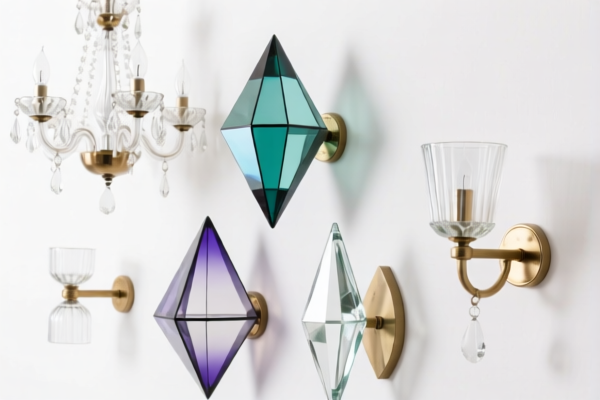
AI Analysis
💡 Wardrobe Light (Cabinet Lighting / Closet Illumination)
🌐 HS Code Reference & Customs Clearance Guide | 2026 Latest Tariff Analysis | Professional-Level Entry Strategy
📌 I. Product Definition & Classification: What Exactly is a "Wardrobe Light"?
A Wardrobe Light, also known as a Cabinet Light, Closet Strip, or Under-Cabinet Lighting, is an auxiliary lighting device designed to illuminate interior spaces of furniture, such as closets, cupboards, and display cases. In international trade, the classification depends heavily on whether it is a complete, self-contained lamp with a housing/fixture or merely the light source/bulb itself.
Complete Wardrobe Lamps (Luminaires): Includes the light source, housing (metal/plastic), wiring, switch, and sometimes power adapter. It is ready to hang or install. → Classified under Chapter 94 (Furniture/Lamps).
Light Sources Only (Bulbs/LED Modules): The actual emitting component (LED chip, filament, or tube) without the full fixture assembly. → Classified under Chapter 85 (Electrical Machinery/Lamps).
⚠️ Key Distinction Point:
- If it includes a housing, mounting bracket, and wiring harness for installation → Go to 9405 series.
- If it is just the LED strip or bulb sold separately (no fixture) → Go to 8539 series.
📦 II. HS Code Classification Details (2026 Latest Tariff Authority Comparison)
Based on the provided data, here are the valid HS Codes and their specific application scenarios for Wardrobe Lights.
| HS Code | Product Description | Application Scenario | Tax Rate (Total) | Key Tariff Components |
|---|---|---|---|---|
| 9405.29.40.10 | Other electric lamps and lighting fittings (Metal/Plastic Housing) | Complete wardrobe light fixtures with metal or plastic casings. | 38.7% | Base: 3.7% Section 301: 25.0% Section 122: 10.0% |
| 9405.21.40.10 | Electric lamps and lighting fittings, of a kind used for lighting (Metal/Plastic) | Standard electric wardrobe lights, likely with specific metal/plastic construction features. | 38.7% | Base: 3.7% Section 301: 25.0% Section 122: 10.0% |
| 8539.22.80.40 | Electric filament or discharge lamps, other (Home Use, 15W-150W) | Discrete light bulbs or tubes for wardrobes (15W-150W range), sold as replacements or components. | 12.6% | Base: 2.6% Section 301: 0.0% Section 122: 10.0% |
| 8539.52.00.20 | Light Emitting Diodes (LEDs), whether or not mounted in arrays | Bare LED modules, LED strips, or individual LED components for wardrobe integration. | 12.0% | Base: 2.0% Section 301: 0.0% Section 122: 10.0% |
| 9405.42.60.00 | Electric lamps and lighting fittings, not elsewhere specified (Base Metal Housing) | Wardrobe lights with housings made primarily of base metals (e.g., aluminum profiles, steel brackets). | 41.0% | Base: 6.0% Section 301: 25.0% Section 122: 10.0% |
🔍 Critical Analysis:
- High-Tariff Trap (38.7% - 41.0%): Codes starting with 9405 classify the item as a "Furniture Light/Fixture." If you ship a complete, ready-to-install wardrobe light with a plastic or metal casing, you will face the highest tariff burden due to the combination of Base + 301 + 122 tariffs. - Low-Tariff Opportunity (12.0% - 12.6%): Codes starting with 8539 classify the item as a "Light Source." If you can structure your shipment to be LED strips, bulbs, or modules without the final decorative housing or complex fixture assembly, you can save ~26-29% in total duties. Note that Section 301 (25%) does NOT apply to these 8539 codes in this dataset, which is the major cost saver.
💰 III. 2026 Latest Tariff Rate Breakdown (With Additional Taxes & Policy Surcharges)
✅ Applicable Country: United States (US)
✅ Origin: China (CN)
✅ Effective Date: Post-2025 Tariff Adjustments (Including Section 122)
🎯 1. 9405.29.40.10 & 9405.21.40.10 — Complete Wardrobe Lamps (Housing Included)
| Item | Content |
|---|---|
| Base Duty Rate | 3.7% (ad valorem) |
| USITC Additional Duty (Section 301) | +25.0% (Trade Remedies) |
| Section 122 Duty | +10.0% (Specific to this product category in dataset) |
| Total Duty Rate | 38.7% |
| Tax Calculation | CIF Value × 38.7% |
| De Minimis Eligibility | ❌ Not Eligible (Due to high tariff rate and Section 122 applicability) |
| Legal Basis Path | HTSUS:9405.21/29 → USITC:Footnote 301(25%) → Section 122:10% |
📌 Explanation:
- This is the "Premium/Full Fixture" classification.
- The 38.7% rate makes importing complete wardrobe light units highly expensive.
- Section 122 (10%) is a specific surcharge applicable here, adding to the 301 duty.
🎯 2. 9405.42.60.00 — Wardrobe Lights with Base Metal Housing
| Item | Content |
|---|---|
| Base Duty Rate | 6.0% (Higher base due to material) |
| USITC Additional Duty (Section 301) | +25.0% |
| Section 122 Duty | +10.0% |
| Total Duty Rate | 41.0% |
| Tax Calculation | CIF Value × 41.0% |
| De Minimis Eligibility | ❌ Not Eligible |
| Legal Basis Path | HTSUS:9405.42 → USITC:Footnote 301(25%) → Section 122:10% |
📌 Note:
- Base metal housings (e.g., aluminum LED bars) attract a higher base duty (6%) compared to plastic ones (3.7%), leading to the highest total rate of 41%.
- Avoid this code if possible unless the product design strictly requires metal housing that cannot be classified elsewhere.
🎯 3. 8539.22.80.40 — Electric Lamps for Home Use (15W-150W)
| Item | Content |
|---|---|
| Base Duty Rate | 2.6% |
| USITC Additional Duty (Section 301) | 0.0% (Exempt in this specific dataset view) |
| Section 122 Duty | +10.0% |
| Total Duty Rate | 12.6% |
| Tax Calculation | CIF Value × 12.6% |
| De Minimis Eligibility | ⚠️ Check Specific Rules (Generally, Section 122 may block de minimis, but rate is much lower) |
| Legal Basis Path | HTSUS:8539.22 → Section 122:10% |
📌 Advantage:
- Savings: 26.1% lower than the 9405 codes.
- Key Condition: Must be classified as a lamp/bulb (e.g., G9, MR16 bulbs, or standard tubes) rather than a "fixture."
- Power Range: Must be within 15W-150W scope as per summary.
🎯 4. 8539.52.00.20 — LED Light Sources
| Item | Content |
|---|---|
| Base Duty Rate | 2.0% |
| USITC Additional Duty (Section 301) | 0.0% (Exempt in this specific dataset view) |
| Section 122 Duty | +10.0% |
| Total Duty Rate | 12.0% |
| Tax Calculation | CIF Value × 12.0% |
| De Minimis Eligibility | ⚠️ Check Specific Rules |
| Legal Basis Path | HTSUS:8539.52 → Section 122:10% |
📌 Advantage:
- Lowest Rate: At 12.0%, this is the most cost-effective classification.
- Key Condition: Must be an LED component/module/strip. If it includes a complex housing, switch, and transformer as a single retail unit, Customs may reclassify it to 9405.
- Best For: Shipping LED strips, bare LED panels, or replacement LED bulbs.
🛠️ IV. Customs Clearance Practical Advice (Real-World Pitfall Avoidance)
✅ 1. Preparation Checklist (Essential Documents)
| Document | Must Provide | Purpose |
|---|---|---|
| Product Spec Sheet | ✔️ | Confirm Wattage (15W-150W for 8539), Voltage, Dimmability. |
| Photographs | ✔️ | Show product clearly. Is it a bulb (8539) or a fixture (9405)? |
| Material Declaration | ✔️ | Specify if housing is Plastic (3.7% base) or Metal (6.0% base). |
| Commercial Invoice | ✔️ | Describe accurately: "LED Lamp Bulb" vs. "LED Cabinet Light Fixture." |
| UL/ETL/FCC Reports | ✔️ | Required for all electrical imports to US. |
| Packing List | ✔️ | Ensure no mixed shipments of "Fixtures" and "Bulbs" if trying to optimize tax. |
✅ 2. Declaration Strategy (Key Mnemonic)
🔥 "Fixtures go to 94, Sources go to 85. Metal raises the base, Plastic lowers it. 301 is the killer for Fixtures, but spared for Sources!"
| Scenario | Correct HS Code | Risk if Wrong |
|---|---|---|
| Complete Light Bar with Housing + Switch | 9405.29.40.10 (38.7%) or 9405.42.60.00 (41.0%) |
If declared as Bulb → Customs Audit & Penalty. |
| LED Strip Roll (No Housing, just tape & LEDs) | 8539.52.00.20 (12.0%) |
If declared as Fixture → Overpay 26%+ in duties. |
| G9/MR16 Bulb Replacement | 8539.22.80.40 (12.6%) |
If declared as Fixture → Overpay 26%+ in duties. |
| Aluminum Profile with Integrated LED | 9405.42.60.00 (41.0%) |
Hard to avoid if it's a finished "Light Bar" product. |
✅ 3. Special Situations Handling
| Situation | Recommendation |
|---|---|
| OEM White Label | If you are selling "Fixtures," ensure the invoice reflects the final form. Do not claim "LED Component" if it has a plastic cover and mounting clips. |
| Mixed Container | If shipping Bulbs (8539) and Fixtures (9405) in one container, declare separately. Do not group them, or the whole shipment may be audited. |
| Section 122 Impact | Note that ALL codes in this dataset include a 10% Section 122 Duty. This is a non-negotiable surcharge for these products. Budget accordingly. |
| De Minimis (Section 321) | Due to the high effective tariff rates (12% - 41%), these goods typically do NOT qualify for $800 de minimis exemption if they are subject to Section 301 or specific Section 122 rules. Always verify with your broker. |
🌍 V. Global Market Comparison (2026 Latest)
| Country/Region | Recommended HS Code | Duty Rate (China Origin) | Certification Required | Notes |
|---|---|---|---|---|
| 🇺🇸 USA | 8539.52.00.20 (LED) / 9405.29.40.10 (Fixture) |
12.0% (LED) / 38.7% (Fixture) | FCC, UL/ETL, RoHS | Section 122 (10%) applies to all. |
| 🇨🇳 China | 8539.52.00.20 / 9405.29.40.10 |
Varies (0-6%) | CCC (if applicable), RoHS | No Section 301 or 122. |
| 🇪🇺 EU | 8539.52.00.20 / 9405.29.40.10 |
~2.7% - 4.0% | CE, ErP, WEEE | No additional Section 301. |
| 🇬🇧 UK | 8539.52.00.20 / 9405.29.40.10 |
~2.7% - 4.0% | UKCA, RoHS | Post-Brexit rules apply. |
📌 Conclusion:
- The USA is the most expensive market due to the combination of Section 301 (for fixtures) and Section 122.
- Cost Optimization Strategy: If possible, ship LED strips or bulbs (8539) separately from housing/fixtures (9405) if your supply chain allows. This saves ~26-29% in duties.
- If you must ship complete fixtures, expect to pay ~39-41% total duty.
📌 VI. Common Errors & Pitfalls (Lessons Learned)
❌ Error 1: Declaring a "Complete Wardrobe Light Bar" (with housing) as "LED Module" (8539.52.00.20)
👉 Consequence: Customs will reclassify it as 9405, assess 38.7% duty, charge penalties and storage fees.
👉 Prevention: Ensure the product description matches the physical form. If it has a plastic/aluminum casing and mounting hardware, it is a Fixture (9405).
❌ Error 2: Ignoring Section 122 (10%)
👉 Consequence: Underestimating landed cost.
👉 Prevention: Include the 10% Section 122 duty in all profit margin calculations, regardless of whether it's a Bulb or Fixture.
❌ Error 3: Confusing "Base Metal" vs. "Plastic" Housing
👉 Consequence: 9405.42 (Metal) has a 6.0% base duty, while 9405.29 (Plastic) has 3.7%. A mistake here changes the total from 38.7% to 41.0%.
👉 Prevention: Accurately declare the primary material of the housing.
✅ Correct Declaration Example:
"LED Strip Light, 12V, 60 LEDs/m, Flexible PCB, No Housing" →
8539.52.00.20
"Cabinet Light Fixture, 120V, Plastic Housing, Integrated LED, With Mounting Brackets" →9405.29.40.10
🎯 VII. Conclusion: Smart Declaration, Cost Control
🎯 Remember:
🔹 "Fixtures = 94 = High Tax (38-41%). Sources = 85 = Low Tax (12-13%).
🔹 "Section 122 is 10% on ALL. Don't forget it.
🔹 "If it has a housing and switches, it's a Fixture. If it's just the light, it's a Source.
📌 Pro Tip:
If your product is a plug-in LED strip that comes in a box with just the strip and a simple connector (no heavy housing), argue for 8539.52.00.20. This is your biggest lever for cost reduction.
For hardwired or plug-in complete bars with plastic covers, you are stuck with 9405.29.40.10. Prepare for the 38.7% cost.
📣 Immediate Action:
📞 Contact your customs broker with product photos.
📦 Ask: "Is this considered a 'Lamp' (9405) or 'Light Source' (8539) under US CBP guidelines?"
🚀 Save 26%+ by choosing the right classification!
✨ Professional clearance starts with precise classification!
💼 Every dollar in duty counts in your profit margin!
Customer Reviews
About HS Code Classification
The Harmonized System (HS) is an internationally standardized nomenclature developed by the World Customs Organization (WCO) to classify traded products. Over 200 countries use the HS system as the basis for customs tariffs, trade statistics, and import/export regulations.
Each HS code follows a hierarchical structure:
- Chapter (2 digits) — Broad category of goods (e.g., Chapter 84: Machinery and Mechanical Appliances)
- Heading (4 digits) — More specific grouping within the chapter
- Subheading (6 digits) — Internationally standardized breakdown, used by all WCO member countries
- National subdivisions (8-10 digits) — Country-specific extensions for further classification, such as US HTSUS 10-digit codes
Correct HS code classification is essential for smooth customs clearance, accurate duty payment, and compliance with trade regulations. Misclassification can lead to customs delays, overpayment of duties, or penalties.
When importing from CN to US, the applicable tariff rates may include:
- Most-Favored-Nation (MFN) rate — The standard duty rate applied to WTO members
- General rate — Applied to countries without trade agreements
- Trade remedy duties — Additional tariffs such as Section 301 (anti-dumping), Section 232 (national security), or countervailing duties
The information provided on this page is for reference purposes only. For official classification, please consult with your local customs authority or a licensed customs broker.