Thermal Head Cover
CN → US| HS Code | Tariff Rate | Origin | Destination | Doc |
|---|---|---|---|---|
| 6217108500 | 24.6% | CN | US | Official Doc |
| 6217109550 | 32.1% | CN | US | Official Doc |
| 6806900090 | 35.0% | CN | US | Official Doc |
| 3926906520 | 14.2% | CN | US | Official Doc |
Product Images
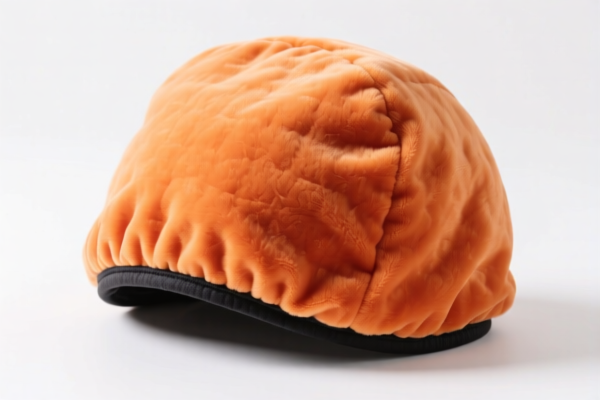
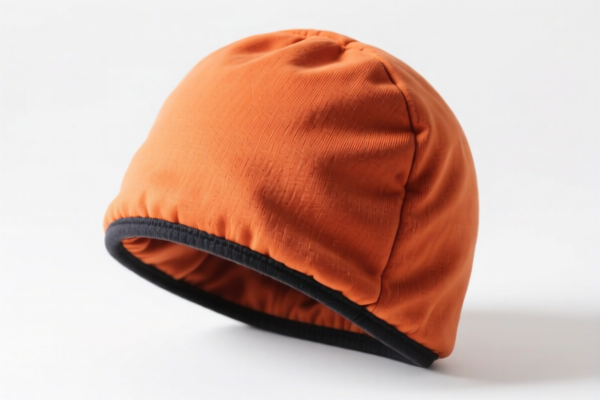
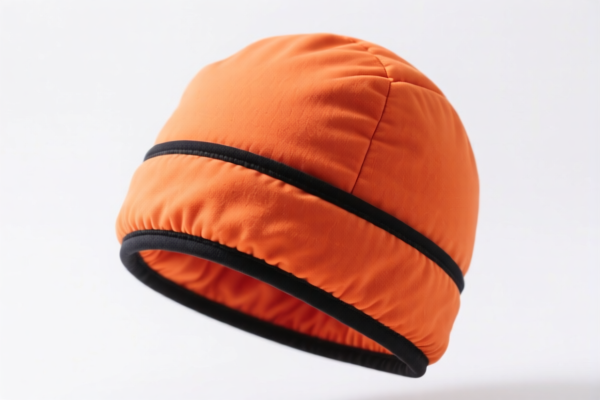
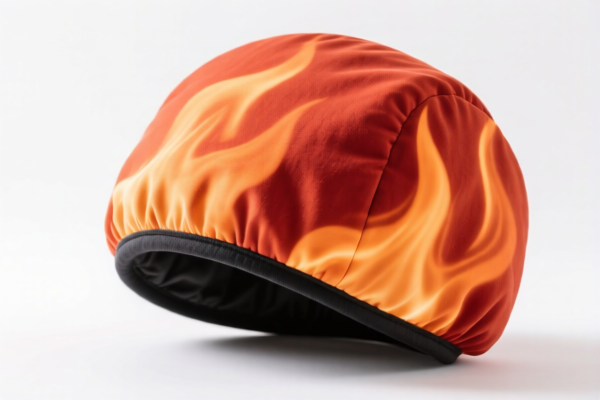
AI Analysis
🧣 Thermal Head Cover (Insulated Headgear/Neck Gaiter)
🌐 HS Code Reference & Customs Clearance Guide | 2026 Latest Tariff Analysis | Professional Strategy
📌 I. Product Definition & Classification: What Exactly is a "Thermal Head Cover"?
A Thermal Head Cover is a versatile accessory designed to retain body heat in the head and neck area. In international trade, its classification depends heavily on material composition and functional intent. It generally falls into two main categories:
- Textile/Apparel Accessories: If made of knit or woven fabric (wool, polyester, fleece), it is classified as a garment accessory.
- Industrial/Insulating Material: If made of rubber, plastic, or mineral fibers specifically for industrial thermal protection, it falls under industrial material classifications.
⚠️ Critical Distinction:
- If it is a fashion/clothing item (e.g., balaclava, neck gaiter) → Chapter 62
- If it is an industrial insulator (e.g., pipe insulation sleeve, mineral fiber wrap) → Chapter 68 or Chapter 39
📦 II. HS Code Classification Details (2026 Latest Tariff Authority)
| HS Code | Product Description | Application Scenario | Material Conflict |
|---|---|---|---|
6217.10.85.00 |
Other made-up clothing accessories; Headwear/Head covers (Textile-based) | Fashion balaclavas, ski hats, fleece headbands | ✅ No conflict (Textile assumption) |
6217.10.95.50 |
Other made-up clothing accessories (General/Fallback) | Unspecified material head covers, generic neck warmers | ✅ No conflict (Fallback for "Other") |
6806.90.00.90 |
Other articles of mineral materials; Mineral fiber insulation | Industrial thermal pipes, mineral wool head wraps | ✅ No conflict (Mineral fiber assumption) |
3926.90.65.20 |
Other articles of plastic; Plastic/Rubber insulation covers | Plastic-insulated neck gaiters, rubber heat shields | ✅ No conflict (Plastic/Rubber assumption) |
🔍 Key Insight:
- Chapter 62 is the most common for consumer apparel items.
- Chapter 68/39 are niche classifications for industrial or non-textile materials.
- The total tax rate varies significantly (14.2% to 35.0%) based on the chosen HS Code and origin (China to US).
💰 III. 2026 Latest Tariff Rate Breakdown (Including Additional Taxes)
✅ Applicable Country: United States (US)
✅ Origin: China (CN)
✅ Effective Date: Current rates include Section 122 tariffs and other surcharges.
🎯 1. 6217.10.85.00 —— Textile Headwear/Accessories (Lowest Risk Option)
| Item | Detail |
|---|---|
| Base Duty | 14.6% |
| Section 301 Surcharge | 0.0% |
| Section 122 Tariff | +10.0% |
| Total Tax Rate | 24.6% |
| Tax Calculation | CIF Value × 24.6% |
| Material Assumption | Textile/Fabric (Wool, Polyester, Fleece) |
| Summary | No material conflict with apparel accessories. Best for fashion/sportswear items. |
📌 Explanation:
- This code assumes the item is a textile accessory.
- No Section 301 tariff applies, making it the most cost-effective option if the material is indeed textile.
- Section 122 Tariff (+10%) still applies.
🎯 2. 6217.10.95.50 —— General "Other" Clothing Accessories
| Item | Detail |
|---|---|
| Base Duty | 14.6% |
| Section 301 Surcharge | +7.5% |
| Section 122 Tariff | +10.0% |
| Total Tax Rate | 32.1% |
| Tax Calculation | CIF Value × 32.1% |
| Material Assumption | Textile (General Fallback) |
| Summary | Used when specific textile sub-category is unclear. Higher tax due to Section 301. |
📌 Note:
- This is a fallback category for "other" apparel accessories.
- If your product is clearly textile but doesn't fit the precise definition of85.00, this code is used.
- Higher cost than85.00due to the additional 7.5% surcharge.
🎯 3. 6806.90.00.90 —— Mineral Material Articles (Industrial/High Tax)
| Item | Detail |
|---|---|
| Base Duty | 0.0% |
| Section 301 Surcharge | +25.0% |
| Section 122 Tariff | +10.0% |
| Total Tax Rate | 35.0% |
| Tax Calculation | CIF Value × 35.0% |
| Material Assumption | Mineral Fiber (Rockwool, Glasswool) |
| Summary | High tax due to 25% Section 301. Only for non-textile, mineral-based insulation. |
📌 Explanation:
- 0% Base Duty is misleading; the 25% Section 301 makes this expensive.
- Suitable only if the product is made of mineral fibers (e.g., industrial pipe insulation wrapped around a head form, or specific industrial safety gear).
- Not recommended for consumer fashion items.
🎯 4. 3926.90.65.20 —— Plastic/Other Articles (Lowest Base, No 301)
| Item | Detail |
|---|---|
| Base Duty | 4.2% |
| Section 301 Surcharge | 0.0% |
| Section 122 Tariff | +10.0% |
| Total Tax Rate | 14.2% |
| Tax Calculation | CIF Value × 14.2% |
| Material Assumption | Plastic, Rubber, Synthetic Materials |
| Summary | Lowest total tax. Only for plastic/rubber insulated covers. |
📌 Note:
- Lowest total tax (14.2%).
- Only applicable if the product is made of plastic or rubber.
- If your "Thermal Head Cover" is a fabric balaclava, this code is incorrect and may lead to customs delays or penalties.
- Ensure the product is explicitly non-textile (e.g., silicone, PVC, rubber insulation).
🛠️ IV. Customs Clearance Practical Advice (Avoid Pitfalls)
✅ 1. Preparation Checklist (All Required)
| Document | Mandatory? | Description |
|---|---|---|
| ✅ Product Specification Sheet | ✔️ | Must clearly state material composition (e.g., 100% Polyester, Mineral Fiber, or Silicone). |
| ✅ Product Photos | ✔️ | Clear images of the item, label, and packaging. Show texture to prove textile vs. plastic. |
| ✅ Commercial Invoice | ✔️ | Must match the HS Code description exactly. |
| ✅ Packing List | ✔️ | Include dimensions and weight. |
| ✅ Material Declaration | ✔️ | Explicitly declare if the product is Textile, Mineral, or Plastic. |
✅ 2. Declaration Tips (Key Rules)
🔥 “Material is King! Don’t Guess, Declare!”
| Scenario | Correct HS Code | Risk of Wrong Code |
|---|---|---|
| Fabric/Fleece Head Cover | 6217.10.85.00 |
✅ Lowest risk, moderate tax (24.6%) |
| Unclear Material Head Cover | 6217.10.95.50 |
✅ Safe fallback, higher tax (32.1%) |
| Mineral Wool Insulation | 6806.90.00.90 |
✅ Only for industrial mineral products (35.0%) |
| Plastic/Rubber Insulator | 3926.90.65.20 |
✅ Lowest tax (14.2%), but high risk if misclassified |
📌 Critical Warning:
- If you declare a fabric head cover under3926.90.65.20(Plastic), customs will likely reject the declaration, leading to delays, fines, or forced reclassification to the correct (higher tax) code.
- If you declare a plastic item under6217.10.85.00, it may be rejected for material mismatch.
✅ 3. Special Cases
| Situation | Advice |
|---|---|
| OEM Custom Thermal Covers | Provide design specs to prove material type. |
| Mixed Materials (e.g., Plastic Shell + Fabric Liner) | Declare based on the principal material or the essential character. Usually, the outer layer dictates the code. |
| Industrial vs. Consumer Use | Clearly state the end-use. Industrial use may support 6806 or 3926; Consumer use supports 6217. |
🌍 V. Global Market Comparison (2026 Latest)
| Country/Region | Recommended HS Code | Total Tax Rate (China Origin) | Notes |
|---|---|---|---|
| 🇺🇸 USA | 6217.10.85.00 |
24.6% | Best for textile. Include Section 122. |
| 🇺🇸 USA | 3926.90.65.20 |
14.2% | Only if plastic/rubber. Lowest tax. |
| 🇨🇳 China | 6217.10.85.00 |
~5-10% | Lower base duties. No Section 301. |
| 🇪🇺 EU | 6217.10.85.00 |
~0-6% | No Section 301. CE certification may be needed. |
📌 Conclusion:
- For textile thermal head covers entering the US,6217.10.85.00is the standard choice.
- For plastic/rubber insulated covers,3926.90.65.20offers the lowest tax burden.
- Avoid6806unless it is truly mineral-based, as the tax is highest.
📌 VI. Common Errors & Pitfalls (Lessons Learned)
❌ Error 1: Declaring a fleece headband as 3926.90.65.20 (Plastic).
👉 Consequence: Customs detects material mismatch → Delay, fine, or forced reclassification to 6217 (24.6% tax).
❌ Error 2: Using 6217.10.95.50 for a clearly defined textile item.
👉 Consequence: Unnecessary 7.5% Section 301 surcharge → Higher cost than necessary.
❌ Error 3: Ignoring Section 122 Tariff.
👉 Consequence: Under-declared taxes → Back taxes + penalties upon audit. All codes above include this 10%.
❌ Error 4: Vague description ("Thermal Cover") without material info.
👉 Consequence: Customs may assign the highest default rate or request additional documentation.
✅ Correct Practice:
“Thermal Head Cover, 100% Polyester Fleece, Knit, Unisex, Model XYZ” →
6217.10.85.00
“Plastic Insulation Sleeve, 100% PVC, 2-inch Diameter” →3926.90.65.20
🎯 VII. Conclusion: Precision in Classification Saves Money!
🎯 Remember These Key Points:
🔹 “Textile = 6217, Plastic = 3926, Mineral = 6806”
🔹 “Section 122 (+10%) is universal for China to US”
🔹 “Check material first! Wrong material = Wrong HS Code = High Risk”
📌 Pro Tip:
If you are unsure about the material classification, request a binding ruling from US Customs (CBP) or consult a licensed customs broker before shipment.
For textile items,6217.10.85.00is generally the safest and most cost-effective route for consumer goods.
📣 Action Item:
📞 Verify material composition with your supplier.
📦 Label products clearly with material type.
🚀 Declare the correct HS Code to avoid costly delays at US ports.
✨ Accurate Classification = Cost Savings + Smooth Clearance!
💼 Don’t let ambiguity cost you 10-20% in unnecessary duties!
Customer Reviews
About HS Code Classification
The Harmonized System (HS) is an internationally standardized nomenclature developed by the World Customs Organization (WCO) to classify traded products. Over 200 countries use the HS system as the basis for customs tariffs, trade statistics, and import/export regulations.
Each HS code follows a hierarchical structure:
- Chapter (2 digits) — Broad category of goods (e.g., Chapter 84: Machinery and Mechanical Appliances)
- Heading (4 digits) — More specific grouping within the chapter
- Subheading (6 digits) — Internationally standardized breakdown, used by all WCO member countries
- National subdivisions (8-10 digits) — Country-specific extensions for further classification, such as US HTSUS 10-digit codes
Correct HS code classification is essential for smooth customs clearance, accurate duty payment, and compliance with trade regulations. Misclassification can lead to customs delays, overpayment of duties, or penalties.
When importing from CN to US, the applicable tariff rates may include:
- Most-Favored-Nation (MFN) rate — The standard duty rate applied to WTO members
- General rate — Applied to countries without trade agreements
- Trade remedy duties — Additional tariffs such as Section 301 (anti-dumping), Section 232 (national security), or countervailing duties
The information provided on this page is for reference purposes only. For official classification, please consult with your local customs authority or a licensed customs broker.