Thermoplastic Fluoroplastic
CN → US| HS Code | Tariff Rate | Origin | Destination | Doc |
|---|---|---|---|---|
| 3904100000 | 41.5% | CN | US | Official Doc |
| 3902900050 | 41.5% | CN | US | Official Doc |
| 3901101000 | 41.5% | CN | US | Official Doc |
| 3901105010 | 41.5% | CN | US | Official Doc |
| 3902100000 | 41.5% | CN | US | Official Doc |
Product Images
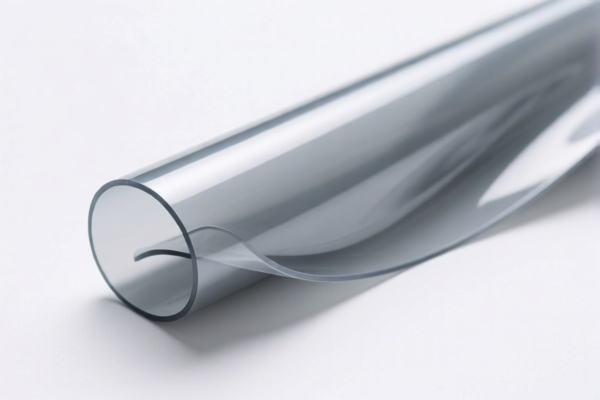
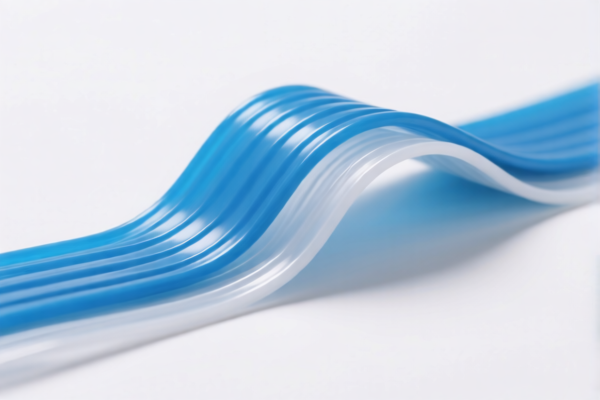
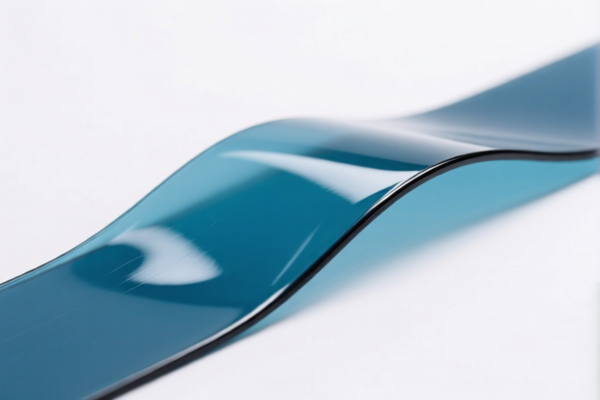
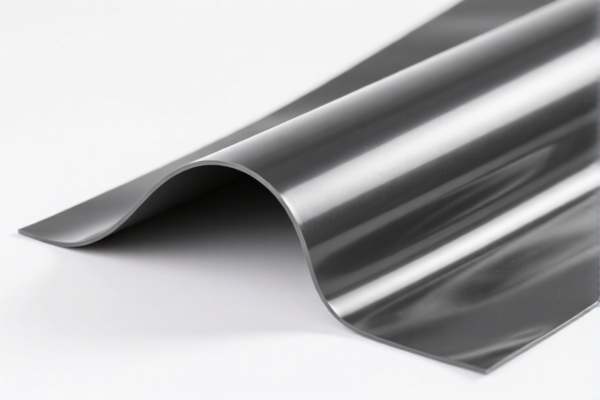
AI Analysis
🧪 Thermoplastic Fluoroplastic (Thermoplastic Plastics)
🌐 HS Code Reference & Customs Clearance Guide | 2026 Latest Tariff Analysis | Professional Entry Strategy 📌 I. Product Definition & Classification: What Exactly is "Thermoplastic Fluoroplastic"?
Thermoplastic Fluoroplastics are a specialized subset of plastics characterized by fluorine atoms attached to the carbon backbone. They belong to the broad category of Polymers/Plastics under Chapter 39 of the Harmonized System. In international trade, they are often classified under general "Thermoplastic" headings depending on their specific chemical composition (e.g., ETFE, FEP, PFA, or raw precursors).
Key Characteristic: * Thermoplastic: Can be melted and reshaped multiple times. * Fluoroplastic: High chemical resistance, heat resistance, and non-stick properties.
⚠️ Critical Distinction: * If the product is a raw polymer in primary forms (granules, powder, non-viscous liquid) → Likely falls under 3901 (Ethylene) or 3902 (Other Olefins) or 3904 (Other Plastics), depending on the specific resin type. * The provided data suggests a broad classification logic for "Thermoplastic Plastics" as polymers, mapping them to specific 10-digit HS codes based on general polymer attributes.
📦 II. HS Code Classification Details (Based on Provided Data)
The following HS Codes are derived strictly from the <DATA> provided. Note that while "Fluoroplastic" is the product name, the classification logic in the data maps it to general thermoplastic polymer categories (Ethylene, Other Olefins, or Other Polymers).
| HS Code | Product Description & Logic from Data | Total Tax Rate | Tax Composition Detail |
|---|---|---|---|
3904.10.00.00 |
Thermoplastic Plastic (Polymer Attribute) Summary: Thermoplastic plastics belong to polymers, conforming to the polymer material attributes under HS 3904. |
41.5% | Base: 6.5% Additional: 25.0% Section 122: 10% |
3902.90.00.50 |
Thermoplastic Plastic (Other Olefin Polymers) Summary: Thermoplastic plastics belong to polymer/olefin materials, fitting the fallback category for other olefin polymers under HS 3902. |
41.5% | Base: 6.5% Additional: 25.0% Section 122: 10% |
3901.10.10.00 |
Thermoplastic Plastic (Polymer Primary Form) Summary: Thermoplastic plastics belong to plastic materials, fitting the polymer primary form category under HS 3901. |
41.5% | Base: 6.5% Additional: 25.0% Section 122: 10% |
3901.10.50.10 |
Thermoplastic Plastic (Other Category Inference) Summary: Thermoplastic plastics belong to polymer materials, conforming to polymer attributes under HS 3901, inferred under other categories. |
41.5% | Base: 6.5% Additional: 25.0% Section 122: 10% |
3902.10.00.00 |
Thermoplastic Plastic (Olefin Polymers) Summary: Thermoplastic plastics belong to polymer categories, conforming to the definition of olefin polymers under HS 3902. |
41.5% | Base: 6.5% Additional: 25.0% Section 122: 10% |
🔍 Important Note: * All listed HS Codes carry the same total tax rate of 41.5%. * The distinction lies in the specific polymer type (Ethylene vs. Other Olefins vs. Other Plastics) and physical form (Primary Form vs. Other). * Fluoroplastics like PTFE are often non-thermoplastic (thermoset) or require specific handling, but if marketed as "Thermoplastic Fluoroplastic" (e.g., PFA/FEP), they may be classified under general thermoplastic polymer codes if no specific fluoroplastic code is available or if the importer infers them into these broader categories.
💰 III. 2026 Latest Tariff Rate Breakdown (Including Surcharges & Policy Surcharges)
✅ Applicable Country: United States (US) ✅ Origin: China (CN) (Implied by "Section 122" and specific surcharges) ✅ Effective Time: Current rates as provided in data
🎯 1. General Tax Structure for All Listed HS Codes (3904.10.00.00 to 3902.10.00.00)
| Component | Rate | Description |
|---|---|---|
| Base Tariff (MFN) | 6.5% | Standard Most Favored Nation duty rate for plastics. |
| Section 301 Surcharge | 25.0% | Additional tariff imposed on Chinese goods under Trade Act Section 301. |
| Section 122 Tariff | 10.0% | Specific surcharge cited in the data (likely referring to specific regulatory or trade action surcharges). |
| Total Effective Rate | 41.5% | Sum of all applicable duties. |
📌 Explanation: * Total Tax: 41.5%: This is a high tariff rate significantly impacting cost. * Calculation: Tax is calculated on the CIF (Cost, Insurance, Freight) value. * De Minimis Exemption: ❌ NOT APPLICABLE. * Goods classified under these HS codes from China cannot use the $800 de minimis exemption (Section 321). They must go through full customs entry.
🛠️ IV. Customs Clearance Practical Advice (Pitfall Avoidance Guide)
✅ 1. Documentation Checklist (Essential)
| Document | Required | Notes |
|---|---|---|
| Commercial Invoice | ✔️ | Must clearly state "Thermoplastic Fluoroplastic", HS Code, and CIF value. |
| Product Specification Sheet | ✔️ | Must detail chemical composition (e.g., ETFE, PFA), melting point, and form (granules/powder). |
| Certificate of Origin (CO) | ✔️ | Proof of Chinese origin is critical to confirm applicability of Section 301/122 surcharges. |
| MSDS / SDS | ✔️ | Safety Data Sheet is often required for plastic resins to verify chemical hazards. |
| Bill of Lading (B/L) | ✔️ | Must match invoice details exactly. |
| Import License | ? | Check if specific plastic resins require additional reporting (e.g., EPA). |
✅ 2. Classification Strategy (Key Mantra)
🔥 "Check Polymer Type, Verify Origin, Prepare for 41.5%!"
| Scenario | Recommended Action | Risk if Incorrect |
|---|---|---|
| Raw Granules/Powder | Use 3901.10.10.00 or 3901.10.50.10 (Primary Form) |
Misclassification as finished plastic parts could lead to audits. |
| Specific Olefin Type | If it is strictly an olefin polymer, 3902.10.00.00 may be more precise. |
Using a "general" code might trigger manual review by CBP. |
| Non-Olefin Thermoplastic | Use 3904.10.00.00 (Other Plastics). |
If misclassified as olefin, potential duty discrepancy (though rates are same here). |
| Mixed Shipment | Separate shipments by HS code. | Mixed entries can cause delays and partial holds. |
✅ 3. Special Considerations for Fluoroplastics
- Chemical Identity: Fluoroplastics are distinct. Ensure your chemical description matches the HS code's scope. For example, PTFE (Teflon) is often thermoset or semi-crystalline and might not fit "thermoplastic" definitions perfectly unless it's a modified version. PFA/FEP/ETFE are true thermoplastics.
- Section 122 Reference: The data explicitly mentions "122 Clause Tariff 10%". Ensure you understand what this specific clause refers to in your customs broker's system. It may be a specific trade remedy or regulatory surcharge.
- No De Minimis: Since the total tax is 41.5%, do not attempt to ship small samples under $800 as "gifts" or under de minimis if the intent is commercial. CBP may audit and demand back taxes + penalties.
🌍 V. Global Market Comparison (2026 Insight)
| Market | Estimated Tariff (Base) | Additional Surcharges (China Origin) | Total Effective Rate | Notes |
|---|---|---|---|---|
| 🇺🇸 USA | 6.5% | +25% (Sec 301) + 10% (Sec 122) | 41.5% | Highest Cost. Full entry required. |
| 🇪🇺 EU | ~6.5% | None (WTO rates) | ~6.5% | No Section 301/122 equivalents. |
| 🇨🇳 China | ~6.5% | None (Import) | ~6.5% | Standard import duty. |
| 🇯🇵 Japan | ~6.5% | None | ~6.5% | Stable, low tariff. |
| 🇲🇽 Mexico | ~6.5% | None | ~6.5% | Potential USMCA benefits if processed. |
📌 Conclusion: * USA is the most expensive market for thermoplastic fluoroplastics from China due to aggressive trade policies (301/122). * Consider Third-Country Processing (e.g., Vietnam, Thailand, Mexico) if supply chain flexibility allows, to potentially avoid these surcharges.
📌 VI. Common Mistakes & Pitfalls (Lessons Learned)
❌ Mistake 1: Assuming "Plastic" means low duty. 👉 Reality: With 41.5% total tax, cost margins are severely impacted.
❌ Mistake 2: Misidentifying "Fluoroplastic" as a generic plastic. 👉 Risk: CBP may request chemical analysis to verify the polymer type. If it’s not a standard thermoplastic, classification could be challenged.
❌ Mistake 3: Ignoring Section 122. 👉 Risk: Underpayment of duties. The 10% surcharge is a significant part of the 41.5% total.
✅ Correct Approach:
"Thermoplastic Fluoroplastic Resin, ETFE Type, in Pellet Form, Made in China. HS 3904.10.00.00. Duty: 41.5%. Full Entry Required."
🎯 VII. Conclusion: Professional Declaration, Cost Control, Compliance!
🎯 Key Takeaways:
🔹 Total Tax is 41.5% – Plan your pricing strategy accordingly. 🔹 No De Minimis – All shipments, regardless of value, require formal entry. 🔹 Specific HS Code Matters – While rates are identical, correct classification avoids audits. 🔹 Section 301 & 122 are Mandatory – Budget for these surcharges.
📌 Pro Tip:
If you are shipping high-value, low-volume fluoroplastic parts, consider if the finished article code (e.g., for valves, seals) might have a different classification. However, for raw resins, these codes are standard.
Action Item: 📞 Consult your customs broker immediately. 📄 Prepare full chemical specs. 💰 Include 41.5% tax in your landed cost calculation.
✨ Precise Classification Saves Money! 💼 Every Percent of Duty Counts in Global Trade!
Customer Reviews
About HS Code Classification
The Harmonized System (HS) is an internationally standardized nomenclature developed by the World Customs Organization (WCO) to classify traded products. Over 200 countries use the HS system as the basis for customs tariffs, trade statistics, and import/export regulations.
Each HS code follows a hierarchical structure:
- Chapter (2 digits) — Broad category of goods (e.g., Chapter 84: Machinery and Mechanical Appliances)
- Heading (4 digits) — More specific grouping within the chapter
- Subheading (6 digits) — Internationally standardized breakdown, used by all WCO member countries
- National subdivisions (8-10 digits) — Country-specific extensions for further classification, such as US HTSUS 10-digit codes
Correct HS code classification is essential for smooth customs clearance, accurate duty payment, and compliance with trade regulations. Misclassification can lead to customs delays, overpayment of duties, or penalties.
When importing from CN to US, the applicable tariff rates may include:
- Most-Favored-Nation (MFN) rate — The standard duty rate applied to WTO members
- General rate — Applied to countries without trade agreements
- Trade remedy duties — Additional tariffs such as Section 301 (anti-dumping), Section 232 (national security), or countervailing duties
The information provided on this page is for reference purposes only. For official classification, please consult with your local customs authority or a licensed customs broker.