Thermoplastic Petroleum Resin Road Marking Paint Raw Material
CN → US| HS Code | Tariff Rate | Origin | Destination | Doc |
|---|---|---|---|---|
| 3208100000 | 38.7% | CN | US | Official Doc |
| 3208900000 | 38.2% | CN | US | Official Doc |
| 3901909000 | 41.5% | CN | US | Official Doc |
| 3210000000 | 36.8% | CN | US | Official Doc |
| 3901905501 | 41.5% | CN | US | Official Doc |
Product Images


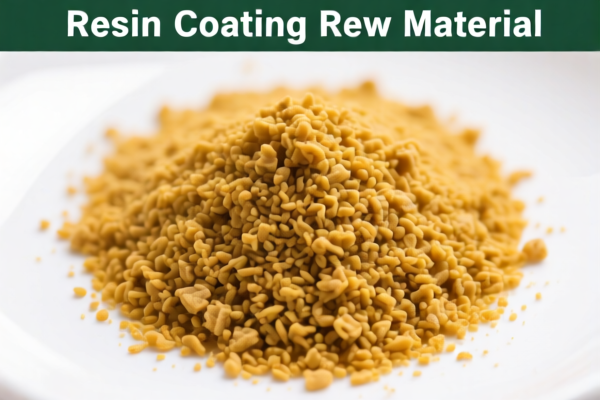
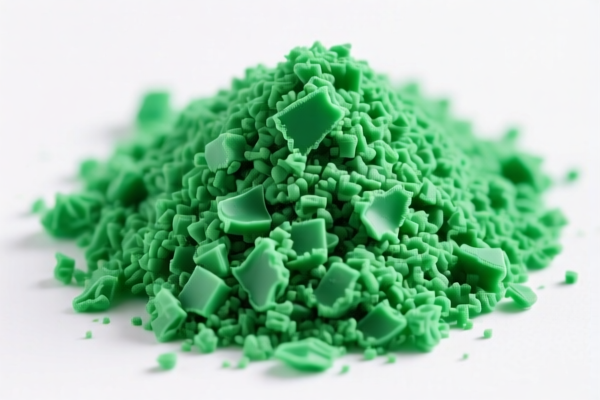
AI Analysis
🚧 Thermoplastic Petroleum Resin Road Marking Paint Raw Material
🌐 HS Code Reference & Customs Clearance Guide | 2026 Latest Tariff Analysis | Professional-Grade Clearance Strategy
📌 I. Product Definition & Classification: What Exactly is this Raw Material?
Thermoplastic Road Marking Paint is a specialized coating used for highway and urban road markings, known for its high visibility, durability, and reflectivity. It typically consists of a mixture of petroleum resins (binder), fillers (like calcium carbonate), pigments (white TiO2), and glass beads.
In international trade, the classification depends heavily on the primary constituent and the form of the resin:
Polymer-Based Resins (Primary Shape): If the material is an unpolymerized or partially polymerized resin (pellets, powder, liquids) that will later be mixed into the final paint, it falls under Chapter 39 (Plastics and Articles Thereof). Finished Paint/Coatings: If the material is already a formulated paint ready for application (mixed with fillers/pigments), it falls under Chapter 32 (Tanning, Dyeing, Paint, Varnish).
⚠️ Critical Distinction:
- If the input is "Raw Material" (Resin/Polymer) → Classify under HS 39 (e.g., Polyesters, Ethylene polymers).
- If the input is "Ready-to-Use Paint" → Classify under HS 32 (e.g., Other paints/varnishes).
- Most "Raw Material" imports for thermoplastic marking paint involve Polyester Resins or Ethylene Copolymers, which are chemically polymers, not yet finished paints.
📦 II. HS Code Classification Details (2026 Latest Tariff Authority Comparison)
Based on the provided DATA, here are the relevant HS Codes for Thermoplastic Petroleum Resin Road Marking Paint Raw Materials. Note that "Petroleum Resin" in this context often refers to Polyester Resins or Ethylene-based polymers used as binders.
| HS Code | Product Description | Application Scenario | Key Characteristic |
|---|---|---|---|
3208.10.00.00 |
Road marking paint based on polyester resins | Formulated thermoplastic paint ready for use | 🎨 Finished Paint (Contains fillers/pigments) |
3208.90.00.00 |
Paints/varnishes based on synthetic polymers | Other synthetic polymer-based coatings | 🎨 Finished Paint (General synthetic binder) |
3901.90.90.00 |
Ethylene polymers, primary shapes | Raw Material: Polymer pellets/powder before mixing | ⚙️ Raw Polymer (Unblended) |
3210.00.00.00 |
Other paints and varnishes | Non-polyester/specific synthetic coatings | 🎨 Finished Paint (General category) |
3901.90.55.01 |
Ethylene copolymers, primary shapes | Raw Material: Copolymer pellets for thermoplastic binders | ⚙️ Raw Polymer (Unblended) |
🔍 重点提醒:
- If you are importing pure resin/polymer (e.g., C9 Petroleum Resin, Polyester Resin pellets) to mix with limestone powder and glass beads yourself → Use HS 39.
- If you are importing a pre-mixed powder that is essentially "Thermoplastic Road Paint" → Use HS 32 (specifically3208.10.00.00if polyester-based).
- Misclassification Risk: Declaring raw polymer as "paint" may lead to lower duty scrutiny, but declaring paint as "raw material" is a severe violation.
💰 III. 2026 Latest Tariff Rate Breakdown (Including Surcharges & Policy Add-ons)
✅ Applicable Country: United States (US)
✅ Country of Origin: China (CN)
✅ Effective Date: From November 10, 2025 (Including subsequent imports)
🎯 1. 3208.10.00.00 —— Road Marking Paint Based on Polyester Resins
| Item | Detail |
|---|---|
| Base Tariff | 3.7% (ad valorem) |
| Section 301 Surcharge | +25.0% |
| Section 122 Surcharge | +10.0% |
| Total Effective Rate | 38.7% |
| Tax Calculation | CIF Value × 38.7% |
| De Minimis Eligibility | ❌ No (deny_de_minimis) |
| Legal Basis Path | USITC:3208.10.00.00 → FTUS:301 (25%) + IEEPA/122 (10%) |
📌 Explanation:
- This code applies if you are importing finished thermoplastic paint where polyester is the main binder. - The 38.7% total rate is a significant cost driver. - Section 301 (25%) targets Chinese-manufactured chemical products. - Section 122 (10%) is an additional surcharge applicable to many Chinese goods.
🎯 2. 3208.90.00.00 —— Paints/Var nishes Based on Synthetic Polymers
| Item | Detail |
|---|---|
| Base Tariff | 3.2% |
| Section 301 Surcharge | +25.0% |
| Section 122 Surcharge | +10.0% |
| Total Effective Rate | 38.2% |
| Tax Calculation | CIF Value × 38.2% |
| De Minimis Eligibility | ❌ No |
| Legal Basis Path | USITC:3208.90.00.00 → FTUS:301 (25%) + IEEPA/122 (10%) |
📌 Note:
- Applies to other synthetic polymer-based paints not specifically covered by 3208.10 (e.g., acrylic-based thermoplastic paints). - Slightly lower base rate (3.2% vs 3.7%), but still subject to the same surcharges.
🎯 3. 3901.90.90.00 —— Ethylene Polymers, Primary Shapes
| Item | Detail |
|---|---|
| Base Tariff | 6.5% |
| Section 301 Surcharge | +25.0% |
| Section 122 Surcharge | +10.0% |
| Total Effective Rate | 41.5% |
| Tax Calculation | CIF Value × 41.5% |
| De Minimis Eligibility | ❌ No |
| Legal Basis Path | USITC:3901.90.90.00 → FTUS:301 (25%) + IEEPA/122 (10%) |
📌 Explanation:
- If your "raw material" is pure ethylene polymer resin (not mixed with fillers/pigments), it falls here. - Higher base rate (6.5%) compared to paints, but still high total rate. - Ensure the product is truly "primary shape" (pellets, powder) and not a compound/mixture ready for paint.
🎯 4. 3210.00.00.00 —— Other Paints and Var nishes
| Item | Detail |
|---|---|
| Base Tariff | 1.8% |
| Section 301 Surcharge | +25.0% |
| Section 122 Surcharge | +10.0% |
| Total Effective Rate | 36.8% |
| Tax Calculation | CIF Value × 36.8% |
| De Minimis Eligibility | ❌ No |
| Legal Basis Path | USITC:3210.00.00.00 → FTUS:301 (25%) + IEEPA/122 (10%) |
📌 Note:
- A "catch-all" for paints not elsewhere specified. - Lowest total rate (36.8%) among the paint categories, but classification must be strict.
🎯 5. 3901.90.55.01 —— Ethylene Copolymers, Primary Shapes
| Item | Detail |
|---|---|
| Base Tariff | 6.5% |
| Section 301 Surcharge | +25.0% |
| Section 122 Surcharge | +10.0% |
| Total Effective Rate | 41.5% |
| Tax Calculation | CIF Value × 41.5% |
| De Minimis Eligibility | ❌ No |
| Legal Basis Path | USITC:3901.90.55.01 → FTUS:301 (25%) + IEEPA/122 (10%) |
📌 Note:
- Specifically for ethylene copolymers (e.g., EVA, EVM) often used in thermoplastic road marking for flexibility and durability. - Same high rate as other ethylene polymers.
🛠️ IV. Customs Clearance Practical Advice (Pitfall Avoidance Guide)
✅ 1. Required Documentation Checklist
| Document | Required | Description |
|---|---|---|
| ✅ Material Safety Data Sheet (MSDS) | ✔️ | Must specify chemical composition, especially resin type and % of fillers. |
| ✅ Product Specification Sheet | ✔️ | Clearly state if it's "Raw Polymer" or "Formulated Paint". Include particle size, melting point, and binder type. |
| ✅ Commercial Invoice | ✔️ | Must accurately describe goods as "Polyester Resin" or "Thermoplastic Road Marking Paint" depending on HS. |
| ✅ Certificate of Origin | ✔️ | Critical for determining eligibility for any potential exemptions (though none apply here for CN origin). |
| ✅ Third-Party Lab Report | ✔️ | Proves the product is NOT a mixture ready for use (if claiming HS 39) or IS a mixture (if claiming HS 32). |
✅ 2. Classification Strategy (Key Mnemonic)
🔥 “Raw Polymer = HS 39, Finished Paint = HS 32. Mix with Filler? It’s Paint!”
| Scenario | Correct HS Code | Wrong Code | Risk |
|---|---|---|---|
| Pure Polyester Resin Pellets | 3901.90.90.00 or 3208.10? ❌ Must be 39 |
3208 |
Under-declaration: If you claim HS 39 but it contains >5% fillers, it may be reclassified as Paint (HS 32) with potential penalties for incorrect labeling. |
| Pre-mixed Thermoplastic Powder (Resin + Limestone + Beads) | 3208.10.00.00 |
3901 |
Over-declaration: If you claim HS 32 but it's just resin, you pay unnecessary duty? No, HS 32 rates are slightly lower here, but misclassification is a violation. |
| Ethylene Copolymer for Binding | 3901.90.55.01 |
3208 |
Violation: Raw polymer is not paint. |
📌 Key Insight:
- Thermoplastic Paint is essentially a mixture. If the mixture is ready to be melted and applied, it is HS 32. - If you are buying just the resin to mix in-house, it is HS 39. - Most common mistake: Importing "Road Marking Paint Raw Material" which is actually a pre-mixed powder. This MUST be declared as HS 32 (Paint), not HS 39.
✅ 3. Special Circumstances
| Situation | Handling Advice |
|---|---|
| C9 Petroleum Resin | Often classified under 3907.99 or 3901.90 depending on structure. If it's a hydrocarbon resin, check specific notes. Ensure it's not pre-mixed with pigments. |
| Polyester Resin | Clearly identify as "Unsaturated Polyester Resin" for HS 3901.90.90.00. |
| Sample Imports | Even samples are subject to the 38-41% duty if classified as paint/polymer from China. De Minimis does NOT apply. |
🌍 V. Global Market Comparison (2026 Latest)
| Country/Region | Recommended HS Code | Tariff Rate | Certification Required | Notes |
|---|---|---|---|---|
| 🇺🇸 USA | 3208.10.00.00 / 3901.90.90.00 |
36.8% - 41.5% | None | High Tariff due to Section 301 & 122. |
| 🇨🇳 China | 3208.10 / 3901.90 |
0% - 3.7% | None | Low import duty, but VAT applies. |
| 🇪🇺 EU | 3901.90 / 3208.10 |
6.5% | REACH Registration | No extra surcharges, but REACH compliance is strict for chemicals. |
| 🇨🇦 Canada | 3901.90 / 3208.10 |
6.5% | None | MFN rate applies. |
| 🇦🇺 Australia | 3901.90 / 3208.10 |
5% | None | Low duty, no major surcharges. |
📌 Conclusion:
- USA is the most expensive market for this product due to add-on tariffs. - If you are exporting to the USA, consider supply chain diversification (e.g., sourcing from Vietnam or Thailand) to potentially avoid US surcharges, though this requires careful origin verification.
📌 VI. Common Errors & Pitfall Guide (Lessons Learned)
❌ Mistake 1: Declaring pre-mixed thermoplastic paint powder as "Raw Polymer" (HS 39)
👉 Consequence: Customs may classify it as Paint (HS 32), but since the tariff difference is small (38.7% vs 41.5%), the main issue is misdescription and potential penalties for inaccurate declaration.
❌ Mistake 2: Assuming "Raw Material" means De Minimis Exemption
👉 Consequence: De Minimis does NOT apply for Chinese-origin goods under Section 301/122. You WILL pay duty on small shipments.
❌ Mistake 3: Ignoring Section 122 Tariff (10%)
👉 Consequence: Some importers only account for Section 301 (25%) and forget the 10%, leading to budget shortfalls.
❌ Mistake 4: Confusing Polyester Resin with Petroleum Resin
👉 Consequence: Different HS codes! Petroleum resin (hydrocarbon) may fall under different subheadings than Polyester resin. Ensure accurate chemical naming.
✅ Correct Practice:
"Unsaturated Polyester Resin, Pellets, For Thermoplastic Road Marking Paint, Not Mixed with Pigments/Fillers" → HS 3901.90.90.00
"Thermoplastic Road Marking Paint, Pre-mixed Powder, White, Ready to Melt" → HS 3208.10.00.00
🎯 VII. Conclusion: Professional Declaration, Cost Savings!
🎯 Remember the Mantra:
🔹 “Raw Polymer = HS 39, Finished Paint = HS 32. Check Fillers! Check Pigments!”
🔹 “China Origin = 38-41% Duty. Plan Ahead!”
🔹 “De Minimis is Dead for This Category. Pay Your Taxes.”
📌 Pro Tip:
If you are importing Ethylene Copolymers (3901.90.55.01) specifically for road marking, ensure the copolymer composition is clearly stated in the invoice to avoid reclassification disputes.
📣 Immediate Action:
📞 Contact a Licensed Customs Broker + Provide MSDS + Request HS Code Advance Ruling
🚀 Ensure Accurate Classification to Avoid Delays, Penalties, and Surprises!
✨ Professional Customs Clearance Starts with Precise Classification!
💼 Every Percent of Duty Matters in Road Marking Material Imports!
Customer Reviews
About HS Code Classification
The Harmonized System (HS) is an internationally standardized nomenclature developed by the World Customs Organization (WCO) to classify traded products. Over 200 countries use the HS system as the basis for customs tariffs, trade statistics, and import/export regulations.
Each HS code follows a hierarchical structure:
- Chapter (2 digits) — Broad category of goods (e.g., Chapter 84: Machinery and Mechanical Appliances)
- Heading (4 digits) — More specific grouping within the chapter
- Subheading (6 digits) — Internationally standardized breakdown, used by all WCO member countries
- National subdivisions (8-10 digits) — Country-specific extensions for further classification, such as US HTSUS 10-digit codes
Correct HS code classification is essential for smooth customs clearance, accurate duty payment, and compliance with trade regulations. Misclassification can lead to customs delays, overpayment of duties, or penalties.
When importing from CN to US, the applicable tariff rates may include:
- Most-Favored-Nation (MFN) rate — The standard duty rate applied to WTO members
- General rate — Applied to countries without trade agreements
- Trade remedy duties — Additional tariffs such as Section 301 (anti-dumping), Section 232 (national security), or countervailing duties
The information provided on this page is for reference purposes only. For official classification, please consult with your local customs authority or a licensed customs broker.