Thermosensitive Paper Roll
CN → US| HS Code | Tariff Rate | Origin | Destination | Doc |
|---|---|---|---|---|
| 4911998000 | 17.5% | CN | US | Official Doc |
| 4811909030 | 35.0% | CN | US | Official Doc |
| 4811908030 | 35.0% | CN | US | Official Doc |
| 4802201000 | 35.0% | CN | US | Official Doc |
| 4802202000 | 35.0% | CN | US | Official Doc |
| 4911996000 | 17.5% | CN | US | Official Doc |
Product Images
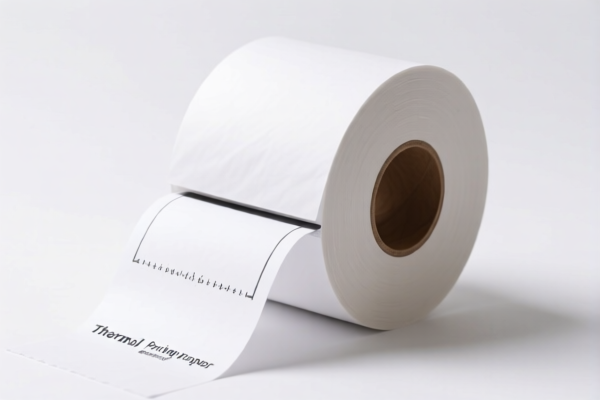
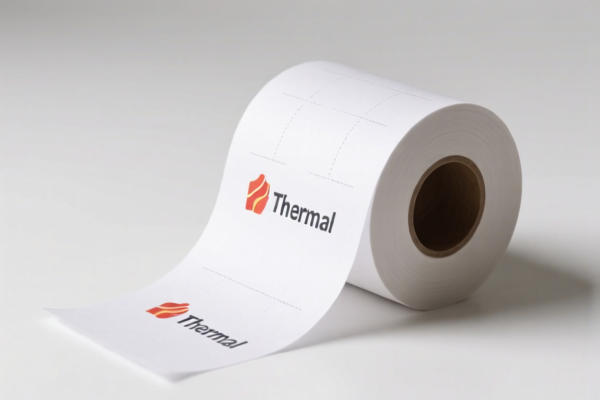
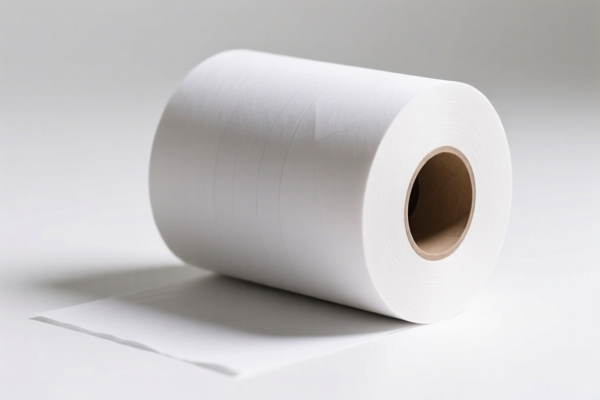
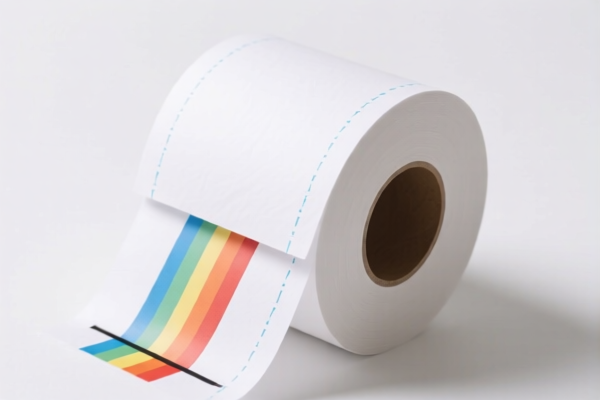
AI Analysis
📄 Thermosensitive Paper Roll (Thermal Paper)
🌐 HS Code Reference & Customs Clearance Guide | 2026 Latest Tariff Analysis | Professional Clearance Strategy
📌 I. Product Definition & Classification: Do You Really Understand "Thermal Paper"?
Thermosensitive paper rolls are specialized paper products coated with heat-sensitive chemicals (leuco dyes and developers) that change color when exposed to heat from thermal printers. In international trade, their classification hinges critically on whether the paper has been printed with text/images or remains blank/plain.
Blank Thermal Paper (Unprinted): Raw paper rolls coated with thermal sensitizers, ready for printing. These fall under Chapter 48 (Paper and Paperboard). Printed Thermal Paper (Used): Rolls that have already been printed with barcodes, receipts, or labels. These fall under Chapter 49 (Printed Books, Newspapers, Pictures, and Other Products of the Printing Industry).
⚠️ Key Distinction:
- If the roll is blank/unprinted →归类 to 48xx.xx series (e.g., 4811, 4802)
- If the roll is pre-printed (receipts, labels) →归类 to 4911.99 series (Other printed matter)
📦 II. HS Code Classification Details (2026 Latest Tariff Authority Comparison)
Based on the provided data, here are the possible HS Code classifications and their logical bases:
| HS Code | Summary/Logic for Classification | Tax Category Basis |
|---|---|---|
4911.99.80.00 |
Printed Category: Classified as "Other Printed Matter." If the thermal paper is pre-printed, it fits the attribute of printed products. | Base: 0%, Added: 7.5%, Section 122: 10% |
4811.90.90.30 |
Coated Paper (Blank): Matches material (paper) and core function (direct thermal coating). Fits the definition of coated paper. | Base: 0%, Added: 25%, Section 122: 10% |
4811.90.80.30 |
Thermal Coated Paper (Blank): Directly corresponds to the core attribute "Thermal" and material "Paper." Fits the definition of thermal coated paper. | Base: 0%, Added: 25%, Section 122: 10% |
4802.20.10.00 |
Base Paper (Blank): Matches material and usage. Preliminary determination based on consistency between material and name. | Base: 0%, Added: 25%, Section 122: 10% |
4802.20.20.00 |
Thermal Base Paper (Blank): Product name matches classification explanation for paper usable as thermal paper base. Fully consistent in usage and material. | Base: 0%, Added: 25%, Section 122: 10% |
4911.99.60.00 |
Other Printed Matter (Blank/Pre-printed): Material is paper, fitting the core requirement of "printing on paper." Falls under the catch-all category for other printed products. | Base: 0%, Added: 7.5%, Section 122: 10% |
🔍 Key Reminder:
- Printed Thermal Paper (e.g., pre-printed shipping labels) should generally be classified under 4911.99 series (Total Tax: 17.5%).
- Blank Thermal Paper Rolls (raw material) should be classified under 4811 or 4802 series (Total Tax: 35.0%).
- Misclassification can lead to significant duty differences (17.5% vs. 35.0%).
💰 III. 2026 Latest Tariff Rate Breakdown (Including Surtaxes & Policy Add-ons)
✅ Applicable Country: United States (US)
✅ Origin: China (CN)
✅ Effective Date: From November 10, 2025 (and subsequent imports)
🎯 1. Printed Thermal Paper: 4911.99.80.00 & 4911.99.60.00
| Item | Content |
|---|---|
| Base Rate | 0% (ad valorem) |
| USITC Surcharge (Section 301) | +7.5% |
| IEEPA Surcharge (Section 122) | +10% (Targeting China/HK products) |
| Total Tax Rate | 17.5% |
| Tax Calculation | CIF Value × 17.5% |
| De Minimis Exemption Eligible | ❌ No (deny_de_minimis applies) |
| Legal Basis Path | IEEPA:9903.01.25 → IEEPA:9903.01.24 → USITC:4911.99.80.00 |
📌 Explanation:
- For printed thermal materials (receipts, labels), the classification falls under Chapter 49.
- The total duty is 17.5%, which is significantly lower than the blank paper rate.
- This applies if the paper has already undergone a printing process that gives it the character of "printed matter."
🎯 2. Blank Thermal Paper: 4811.90.90.30, 4811.90.80.30, 4802.20.10.00, 4802.20.20.00
| Item | Content |
|---|---|
| Base Rate | 0% (ad valorem) |
| USITC Surcharge (Section 301) | +25% |
| IEEPA Surcharge (Section 122) | +10% (Targeting China/HK products) |
| Total Tax Rate | 35.0% |
| Tax Calculation | CIF Value × 35.0% |
| De Minimis Exemption Eligible | ❌ No (deny_de_minimis applies) |
| Legal Basis Path | IEEPA:9901.25 → IEEPA:9903.01.24 → USITC:4811.90.90.30 etc. |
📌 Note:
- For blank/unprinted thermal paper rolls, the classification falls under Chapter 48 (Paper).
- The total duty is 35.0%, which is double the rate for printed thermal paper.
- This high tariff applies to raw thermal paper rolls, thermal coated paper, and thermal base paper.
🛠️ IV. Customs Clearance Practical Advice (Real-world Pitfall Avoidance Guide)
✅ 1. Preparation Checklist (All Required)
| Material | Required | Description |
|---|---|---|
| ✅ Product Specification Sheet | ✔️ | Must clearly state: Printed vs. Unprinted. Include coating type, size, and roll dimensions. |
| ✅ Product Photos | ✔️ | Clear images showing the roll surface. Critical: Show if there is any pre-printed text/logo. |
| ✅ Commercial Invoice | ✔️ | Must accurately describe the goods. Avoid vague terms like "Paper." Use "Thermal Paper Roll, Unprinted" or "Pre-printed Thermal Receipt." |
| ✅ Packing List | ✔️ | Detail the net/gross weight and number of rolls. |
| ✅ Third-party Test Report | ✔️ | If claiming specific thermal sensitivity standards, provide test reports. |
✅ 2. Declaration Tips (Key Mantra)
🔥 "Printed is 49, Blank is 48. Get it wrong, pay double!"
| Scenario | Correct Declaration | Wrong Action |
|---|---|---|
| Blank Thermal Rolls (Raw material for shops/printing houses) | 4811.90.90.30 or 4802.20.20.00 |
Declare as "Printed Receipt" → Risk of seizure for misdeclaration. |
| Pre-printed Receipts/Labels (e.g., shipping labels, POS receipts) | 4911.99.80.00 or 4911.99.60.00 |
Declare as "Blank Paper" → Overpayment of tax (35% vs 17.5%). |
| Mixed Shipment (Some printed, some blank) | Split Declaration | Combined declaration → Customs may penalize or assess the higher rate on the entire lot. |
⚠️ Warning:
- If you import blank rolls but declare them as printed, you may face accusations of fraudulent misdeclaration to evade Section 301 tariffs.
- If you import printed rolls but declare them as blank, you will overpay 17.5% in duties unnecessarily.
✅ 3. Special Circumstances
| Situation | Handling Advice |
|---|---|
| OEM Customized Printed Rolls | Provide customer orders and design files. Clearly state "Pre-printed according to Client Design" on the invoice. |
| Thermal Paper with Watermark/Security Features | Still classified under 48xx (if blank) or 49xx (if printed). Do not confuse with security documents (Chapter 48/49 nuances). |
| Sample Rolls for Testing | Mark clearly as "Sample - Not for Sale" to potentially qualify for different entry procedures, but duty rates often remain the same if commercial value is declared. |
🌍 V. Global Market Customs Comparison (2026 Latest)
| Country/Region | Recommended HS Code (Blank) | Tax Rate (China Origin) | Certification Requirements | Notes |
|---|---|---|---|---|
| 🇺🇸 USA | 4811.90.90.30 |
35.0% (17.5% if Printed) | No specific FDA/CE, but commercial invoice must be precise. | Highest duty burden due to Section 301 + 122. |
| 🇨🇳 China | 4811.90.90.30 |
5-6% | N/A | Domestic trade, lower VAT. |
| 🇪🇺 EU | 4811.90.90 |
0-6.5% | No specific thermal paper bans. | No Section 301 equivalent, but VAT applies. |
| 🇬🇧 UK | 4811.90.90 |
0-6.5% | UKCA marking (if applicable). | Post-Brexit tariffs similar to EU. |
📌 Conclusion:
- The USA is the most challenging market for thermosensitive paper due to the combined 35% tariff on blank paper.
- Strategy: If importing into the US, ensure your declaration accurately reflects the print status. If you can source pre-printed finished goods (like shipping labels), the duty is only 17.5%. If you import blank rolls to print domestically, expect 35%.
📌 VI. Common Errors & Pitfall Avoidance (Lessons Learned)
❌ Error 1: Declaring Blank Rolls as "Printed Receipts" to save tax.
👉 Consequence: Customs inspection reveals no print. Seizure, fines, and potential blacklisting.
❌ Error 2: Declaring Pre-printed Labels as "Blank Paper."
👉 Consequence: You pay 35% duty instead of 17.5%. Lost profit margin.
❌ Error 3: Vague Description: "Paper Roll."
👉 Consequence: Customs may use their own judgment, likely assigning the highest applicable code or delaying clearance for further documentation.
✅ Correct Practice:
"Thermal Paper Roll, Unprinted, 80mm Width, 50 Rolls per Carton, Model: T-80B, Origin: China"
OR
"Pre-printed Shipping Labels, Thermal, Barcode & Address Printed, 100mm Width, Model: L-100A, Origin: China"
🎯 VII. Conclusion: Professional Declaration, Save Costs, Ensure Smooth Clearance!
🎯 Remember the Mantra:
🔹 "Blank is 35, Printed is 17.5. Don't guess, specify!"
🔹 "HS Code dictates tax, a 17.5% difference makes or breaks your margin."
📌 Pro Tip:
If your blank thermal paper rolls are originating from Vietnam, Thailand, or Malaysia, they may be exempt from Section 122 and 301 tariffs, reducing the duty to 0-10%.
Recommendation: Apply for a Pre-Ruling or consult a customs broker to verify the Country of Origin and Processing Rules before shipping.
📣 Immediate Action:
📞 Contact a licensed customs broker + Provide Product Photos + Verify Print Status
🚀 Ensure your thermosensitive paper rolls pass customs smoothly, avoid surprise bills, and maximize profits!
✨ Professional customs clearance starts with precise classification!
💼 Every penny of your cost deserves to be calculated precisely!
Customer Reviews
About HS Code Classification
The Harmonized System (HS) is an internationally standardized nomenclature developed by the World Customs Organization (WCO) to classify traded products. Over 200 countries use the HS system as the basis for customs tariffs, trade statistics, and import/export regulations.
Each HS code follows a hierarchical structure:
- Chapter (2 digits) — Broad category of goods (e.g., Chapter 84: Machinery and Mechanical Appliances)
- Heading (4 digits) — More specific grouping within the chapter
- Subheading (6 digits) — Internationally standardized breakdown, used by all WCO member countries
- National subdivisions (8-10 digits) — Country-specific extensions for further classification, such as US HTSUS 10-digit codes
Correct HS code classification is essential for smooth customs clearance, accurate duty payment, and compliance with trade regulations. Misclassification can lead to customs delays, overpayment of duties, or penalties.
When importing from CN to US, the applicable tariff rates may include:
- Most-Favored-Nation (MFN) rate — The standard duty rate applied to WTO members
- General rate — Applied to countries without trade agreements
- Trade remedy duties — Additional tariffs such as Section 301 (anti-dumping), Section 232 (national security), or countervailing duties
The information provided on this page is for reference purposes only. For official classification, please consult with your local customs authority or a licensed customs broker.