Thermosetting Adhesive
CN → US| HS Code | Tariff Rate | Origin | Destination | Doc |
|---|---|---|---|---|
| 3907300000 | 41.1% | CN | US | Official Doc |
| 3907995050 | 41.5% | CN | US | Official Doc |
| 3909310000 | 41.5% | CN | US | Official Doc |
| 3909400000 | 41.5% | CN | US | Official Doc |
| 3911904500 | 40.8% | CN | US | Official Doc |
Product Images
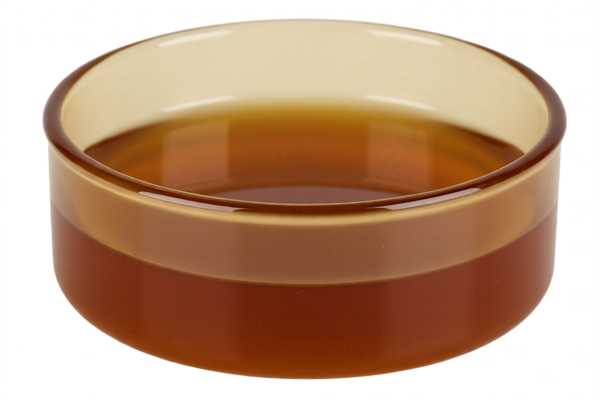
AI Analysis
🧪 Thermosetting Adhesive (Thermosetting Resins & Polymers)
🌐 HS Code Reference & Customs Clearance Guide | 2026 Latest Tariff Analysis | Strategic Entry Strategies for High-Tax Chemicals
📌 Part 1: Product Definition & Classification: What Exactly is a "Thermosetting Adhesive"?
Thermosetting adhesives are high-performance chemical materials that undergo an irreversible chemical reaction (curing) to form rigid, heat-resistant, and chemically stable bonds. Unlike thermoplastics, they cannot be melted and reshaped once cured.
In international trade, these materials fall primarily under Chapter 39 (Plastics and Articles Thereof) or Chapter 35 (Albuminoidal Substances; Glues), but due to their complex chemical nature and potential dual-use applications, they are heavily scrutinized under US Section 301 and IEEPA tariffs.
Key Classification Logic:
- Raw Resins: Unpolymerized or pre-polymerized powders, liquids, or solids (e.g., Epoxy, Phenolic, Amino resins).
- Cured/Final Forms: If the adhesive is already in a final cured state or mixed with fillers forming a specific composite, it may fall under different subheadings.
- Crucial Distinction: Pure adhesives vs. Chemical Raw Materials. Most bulk thermosetting adhesives are classified as chemical raw materials rather than ready-to-use consumer glues, affecting the HS Code significantly.
⚠️ Critical Note:
- If the product is a pre-mixed, ready-to-use tube/bottle with specific additives for immediate bonding → Might fall under 3506 (Glues).
- If the product is bulk resin/polymer for industrial formulation → Falls under 3907, 3909, or 3911 (Polymers).
- Most high-tariff cases involve bulk chemical polymers classified under Chapters 39.
📦 Part 2: HS Code Classification Details (2026 Latest Tariff Authority Mapping)
Based on the provided data, here are the precise HS Codes for thermosetting materials, mapped to their chemical nature and tax implications.
| HS Code | Product Description & Chemical Nature | Specific Material Type | Curing State |
|---|---|---|---|
3907.30.00.00 |
Polyacetals and other Polyethers, Epoxy Resins Thermosetting materials matching the scope of epoxy and other thermosetting resins. |
Epoxy Resins, Polyethers | Pre-polymer / Raw Resin |
3907.99.50.50 |
Other Polymers in Primary Forms Covers polyesters and other thermosetting resins not specifically listed elsewhere. |
Polyesters, Unsaturated Resins, General Thermosets | Pre-polymer / Raw Resin |
3909.31.00.00 |
Amino Resins, Phenolic Resins, Polyurethanes Thermosetting materials belonging to amino, phenolic, or polyurethane organic polymers. |
Amino Resins, Phenolic Resins, PU Resins | Pre-polymer / Raw Resin |
3909.40.00.00 |
Polyamides, Polyamides-imides, Polyesters Thermosetting materials consistent with phenolic and other resin material properties. |
Modified Phenolics, Specialty Resins | Pre-polymer / Raw Resin |
3911.90.45.00 |
Other Preparations Thermosetting materials fully matching thermosetting characteristics and raw chemical product scope. |
Resin Preparations, Non-Specific Thermosets | Formulated/Prepared |
🔍 Classification Logic Explanation:
-3907vs3909:3907covers polyacetals/polyethers/epoxies.3909covers amino/phenolic/polyurethane resins.
-3911: Used for resin preparations that don’t fit neatly into primary polymer forms, often including pre-mixed binders or specific industrial preparations.
- Why not 3506? Pure adhesive formulations (with solvents/fillers) might go to 3506, but bulk thermosetting resins are overwhelmingly classified under Chapter 39 for tax and regulatory purposes in current trade data.
💰 Part 3: 2026 Latest Tariff Rate Breakdown (Detailed Tax Structure)
✅ Applicable Country: United States (US)
✅ Origin: China (CN)
✅ Effective Date: November 10, 2025 onwards (including subsequent imports)
All listed HS Codes share a common high-tax structure due to US trade policies against Chinese chemical imports.
🎯 1. 3907.30.00.00 – Epoxy Resins & Polyethers
| Item | Detail |
|---|---|
| Base Tariff | 6.1% (Ad Valorem) |
| Section 301 Additional Tariff | +25.0% |
| IEEPA Section 122 Tariff | +10.0% |
| Total Tax Rate | 41.1% |
| Tax Calculation | CIF Value × 41.1% |
| De Minimis Eligibility | ❌ NO (Denied) |
| Legal Path | Base: 3907.30 → Sec301: Footnote 9903.88.01 → IEEPA: 10% |
📌 Explanation:
- 6.1% Base: Standard MFN rate for epoxy resins.
- 25% Section 301: Trump-era/Biden-administration tariff on Chinese chemical goods.
- 10% IEEPA 122: Additional national security-related tariff on specific Chinese chemical categories.
- Total 41.1% is significant for bulk chemical imports.
🎯 2. 3907.99.50.50 – Other Polymers (Polyesters, etc.)
| Item | Detail |
|---|---|
| Base Tariff | 6.5% (Ad Valorem) |
| Section 301 Additional Tariff | +25.0% |
| IEEPA Section 122 Tariff | +10.0% |
| Total Tax Rate | 41.5% |
| Tax Calculation | CIF Value × 41.5% |
| De Minimis Eligibility | ❌ NO (Denied) |
| Legal Path | Base: 3907.99 → Sec301: Footnote 9903.88.01 → IEEPA: 10% |
📌 Note:
- Polyester and unsaturated resins are heavily taxed.
- The 0.4% difference from3907.30comes from a slightly higher base rate (6.5% vs 6.1%).
🎯 3. 3909.31.00.00 – Amino, Phenolic, & Polyurethane Resins
| Item | Detail |
|---|---|
| Base Tariff | 6.5% (Ad Valorem) |
| Section 301 Additional Tariff | +25.0% |
| IEEPA Section 122 Tariff | +10.0% |
| Total Tax Rate | 41.5% |
| Tax Calculation | CIF Value × 41.5% |
| De Minimis Eligibility | ❌ NO (Denied) |
| Legal Path | Base: 3909.31 → Sec301: Footnote 9903.88.01 → IEEPA: 10% |
📌 Note:
- Amino and phenolic resins are critical in wood products and electronics.
- High scrutiny due to potential dual-use (electronics/defense).
🎯 4. 3909.40.00.00 – Polyamides, Phenolic Derivatives
| Item | Detail |
|---|---|
| Base Tariff | 6.5% (Ad Valorem) |
| Section 301 Additional Tariff | +25.0% |
| IEEPA Section 122 Tariff | +10.0% |
| Total Tax Rate | 41.5% |
| Tax Calculation | CIF Value × 41.5% |
| De Minimis Eligibility | ❌ NO (Denied) |
| Legal Path | Base: 3909.40 → Sec301: Footnote 9903.88.01 → IEEPA: 10% |
📌 Note:
- Often used in high-strength industrial adhesives.
- Tax rate identical to other3909subheadings.
🎯 5. 3911.90.45.00 – Resin Preparations
| Item | Detail |
|---|---|
| Base Tariff | 5.8% (Ad Valorem) |
| Section 301 Additional Tariff | +25.0% |
| IEEPA Section 122 Tariff | +10.0% |
| Total Tax Rate | 40.8% |
| Tax Calculation | CIF Value × 40.8% |
| De Minimis Eligibility | ❌ NO (Denied) |
| Legal Path | Base: 3911.90 → Sec301: Footnote 9903.88.01 → IEEPA: 10% |
📌 Note:
- This is the lowest tax rate among the listed codes (40.8% vs 41.1-41.5%).
- Applicable to prepared resins that don’t fit primary polymer forms.
- Strategic Advantage: If your product can be legally classified here, it saves 0.3-0.7% vs other categories.
🛠️ Part 4: Customs Clearance Practical Advice (Real-World Pitfall Guide)
✅ 1. Documentation Checklist (Non-Negotiable)
| Document | Must Provide | Description |
|---|---|---|
| ✅ Product Technical Data Sheet (TDS) | ✔️ | Must specify: Chemical name, CAS number, curing mechanism, state (liquid/solid). |
| ✅ Certificate of Analysis (COA) | ✔️ | Confirms purity and composition; critical for HS Code verification. |
| ✅ MSDS / SDS (GHS Compliant) | ✔️ | Required for hazardous chemical clearance; confirms if it’s flammable/toxic. |
| ✅ Commercial Invoice | ✔️ | Must explicitly state: “Thermosetting Resin,” “Not for Consumer Use,” “Raw Chemical Material.” |
| ✅ Statement of Composition | ✔️ | Breakdown of monomers, polymers, and additives; helps avoid misclassification under 3506. |
| ✅ Packing List | ✔️ | Clear indication of net/gross weight; bulk containers must be labeled. |
✅ 2. Declaration Strategies (Key Mnemonics)
🔥 “Specify CAS, Define State, Avoid ‘Glue’ Label, Pay 41%!”
| Scenario | Correct Declaration | Wrong Action |
|---|---|---|
| Bulk Epoxy Resin | 3907.30.00.00 – “Epoxy Resin, Liquid, Raw Material” |
Call it “Adhesive” → Risk of audit for 3506 (different tax rules). |
| Phenolic Powder | 3909.31.00.00 – “Phenolic Resin, Powder, Pre-polymer” |
Call it “Plastic Pellets” → Wrong HS Code, delay. |
| Mixed Resin Prep | 3911.90.45.00 – “Resin Preparation, Industrial Use” |
Call it “Glue” → May trigger consumer good scrutiny. |
| Polyester Resin | 3907.99.50.50 – “Unsaturated Polyester Resin” |
Vague term “Plastic” → High risk of rejection. |
✅ 3. Special Handling Cases
| Situation | Advice |
|---|---|
| OEM Private Label | Ensure the supplier’s SDS matches your invoice exactly. Mismatches cause delays. |
| Small Samples (< $2500) | ❌ Still Taxed! De Minimis (Section 321) is DENIED for these HS Codes from China. Expect full 41% tax even for small shipments. |
| Mixed Shipments (Resin + Solvent) | If solvent content > 10-15%, the product may be classified as a paint/coating (Chapter 32) or hazardous liquid, changing tax and safety requirements. |
| Cured Parts vs. Raw Material | If importing cured adhesive parts (e.g., bonded assemblies), the HS Code changes completely (e.g., to machinery parts). Do not declare cured parts as “resin.” |
🌍 Part 5: Global Market Customs Comparison (2026 Latest)
| Country/Region | Recommended HS Code | Tariff Rate (China Origin) | Certification Required | Notes |
|---|---|---|---|---|
| 🇺🇸 USA | 3907/3909/3911 |
40.8% – 41.5% | SDS, TDS, IEEPA Compliance | Highest tax burden; strict chemical scrutiny. |
| 🇨🇳 China | 3907/3909 |
5-6% | None | Low base tariff; no Section 301. |
| 🇪🇺 EU | 3907/3909 |
0-6.5% | REACH Registration | No additional tariffs; REACH compliance is key. |
| 🇯🇵 Japan | 3907/3909 |
0-5% | None | Competitive; minimal non-tariff barriers. |
| 🇮🇳 India | 3907/3909 |
7.5-10% | BIS Certification | Varies by specific resin type. |
📌 Conclusion:
- USA is the most expensive market for thermosetting adhesives from China due to the 41%+ effective tax rate.
- EU and Japan offer better tariff conditions but require REACH (EU) or chemical safety registration.
- Supply Chain Strategy: Consider sourcing from non-Chinese origins (e.g., South Korea, USA, EU) to avoid Section 301/IEEPA tariffs if volume is high.
📌 Part 6: Common Mistakes & Pitfalls (Lessons Learned)
❌ Mistake 1: Declaring “Adhesive” instead of “Resin”
👉 Consequence: Customs may reclassify to Chapter 35 (Glues), leading to different regulatory checks or delays.
👉 Fix: Use precise chemical names (Epoxy, Phenolic) and state “Raw Material.”
❌ Mistake 2: Ignoring IEEPA 10% Tariff
👉 Consequence: Underpayment of 10% on top of the 25% Section 301 tariff.
👉 Fix: Always calculate Base + 25% + 10%. Total is never less than 40.8%.
❌ Mistake 3: Assuming De Minimis Applies
👉 Consequence: Shipping samples via USPS/FedEx without paying tax → Seizure and fines.
👉 Fix: All shipments from China to these HS Codes are taxed. Pay tax upfront.
❌ Mistake 4: Mixing Cured Parts with Raw Resin
👉 Consequence: Complex customs entry requiring multiple HS Codes.
👉 Fix: Separate shipments. Declare “Cured Composite” and “Raw Resin” separately.
✅ Correct Declaration Example:
“Epoxy Resin, Liquid, CAS No. 61788-98-7, Raw Chemical Material for Industrial Adhesive Formulation, Not for Consumer Use.”
🎯 Part 7: Conclusion: Professional Declaration, Risk Mitigation, Cost Control
🎯 Remember the Key Takeaways:
🔹 “41% Tax is the New Normal for China-Origin Thermosets in the US.”
🔹 “De Minimis is DEAD for these HS Codes.”
🔹 “Specify CAS Numbers to Avoid Misclassification.”
📌 Pro Tip:
If your shipment is large volume, consider applying for a Tariff Exclusion (if still available) or restructure your supply chain to include final mixing/packaging in a non-China country (e.g., Vietnam, Thailand) to change the Country of Origin.
For small samples, pre-pay duties to avoid customs holds.
📣 Immediate Action:
📞 Engage a licensed customs broker before shipment.
📄 Prepare SDS + TDS + CAS Number documentation.
🚀 Calculate landed cost at 41.5% to ensure profitability.
✨ Professional Clearance Starts with Accurate Classification!
💼 Your Chemical Supply Chain Demands Precision!
Customer Reviews
About HS Code Classification
The Harmonized System (HS) is an internationally standardized nomenclature developed by the World Customs Organization (WCO) to classify traded products. Over 200 countries use the HS system as the basis for customs tariffs, trade statistics, and import/export regulations.
Each HS code follows a hierarchical structure:
- Chapter (2 digits) — Broad category of goods (e.g., Chapter 84: Machinery and Mechanical Appliances)
- Heading (4 digits) — More specific grouping within the chapter
- Subheading (6 digits) — Internationally standardized breakdown, used by all WCO member countries
- National subdivisions (8-10 digits) — Country-specific extensions for further classification, such as US HTSUS 10-digit codes
Correct HS code classification is essential for smooth customs clearance, accurate duty payment, and compliance with trade regulations. Misclassification can lead to customs delays, overpayment of duties, or penalties.
When importing from CN to US, the applicable tariff rates may include:
- Most-Favored-Nation (MFN) rate — The standard duty rate applied to WTO members
- General rate — Applied to countries without trade agreements
- Trade remedy duties — Additional tariffs such as Section 301 (anti-dumping), Section 232 (national security), or countervailing duties
The information provided on this page is for reference purposes only. For official classification, please consult with your local customs authority or a licensed customs broker.