Thiamethoxam Soluble Powder
CN → US| HS Code | Tariff Rate | Origin | Destination | Doc |
|---|---|---|---|---|
| 3808915001 | 40.0% | CN | US | Official Doc |
| 3808691000 | 41.5% | CN | US | Official Doc |
Product Images
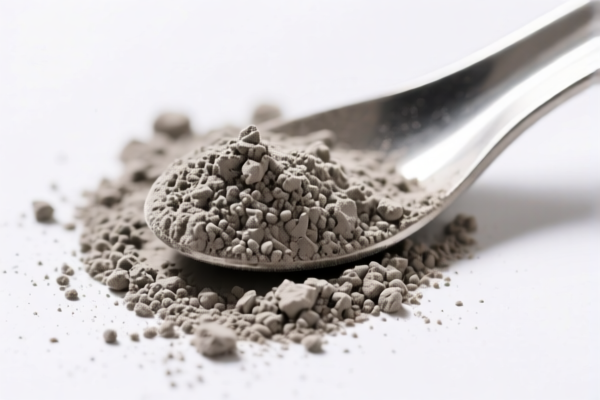
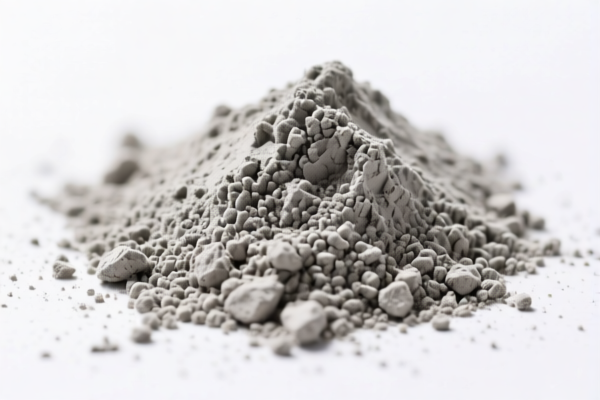
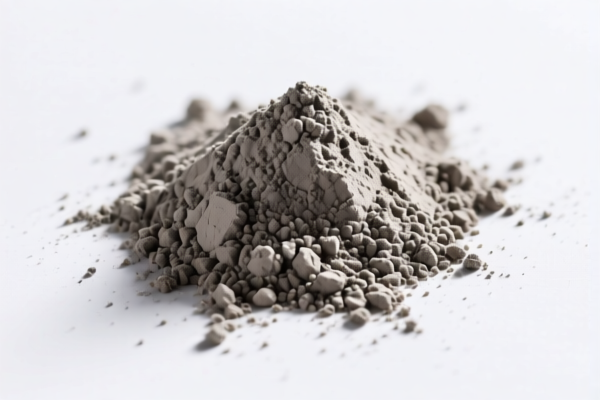
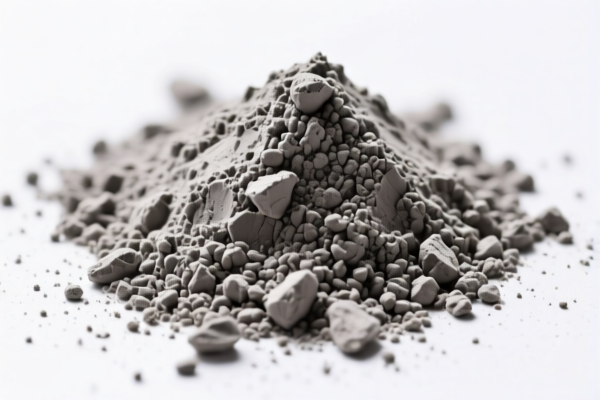
AI Analysis
🛡️ Thiamethoxam Soluble Powder (Insecticide)
🌐 HS Code Reference & Customs Clearance Guide | 2026 Tariff Classification & Duty Analysis | Professional Export Strategy
📌 I. Product Definition & Classification: Do You Know "Thiamethoxam"?
Thiamethoxam Soluble Powder is a systemic insecticide belonging to the neonicotinoid class. It is widely used in agriculture to control sucking pests like aphids, whiteflies, and thrips. In international trade, it falls under the category of chemical preparations for pest control.
The key to correct classification lies in its physical form and purity: * It is NOT a raw chemical: If it were pure Thiamethoxam (CAS No. 153719-23-4) in powder form, it might fall under Chapter 29. * It IS a Preparation: "Soluble Powder" implies it is mixed with carriers, wetting agents, and other ingredients to make it usable for farmers. Therefore, it is classified as a "preparation" or "article" put up for retail sale or as a formulated product.
⚠️ Critical Distinction:
- If the product is a formulated insecticide (mixed with other substances) → Chapter 38 (Insecticides, etc.)
- If the product is pure active ingredient (single substance, not mixed) → Chapter 29 (Organic Chemicals)
- Based on the provided DATA, we are classifying the formulated preparation.
📦 II. HS Code Classification Details (2026 Authorized Tariff)
According to the provided <DATA>, there are two relevant HS Codes depending on the specific chemical composition (specifically regarding aromatic compounds).
| HS Code | Product Description | Key Criteria | Risk Level |
|---|---|---|---|
3808.91.50.01 |
Insecticides: Other | General formulated insecticides. Applies to most standard Thiamethaxam SPs that do not contain specific aromatic or modified aromatic pesticides defined in Note 2. | ⭐ Low-Medium |
3808.69.10.00 |
Good specified in subheading note 2 to this chapter: Other: Containing any aromatic or modified aromatic pesticide | Applies if the formulation contains aromatic or modified aromatic pesticide components beyond the basic Thiamethoxam structure. | ⭐ High (Stricter Scrutiny) |
🔍 Important Note:
Thiamethoxam itself contains a thienyl ring and a nitroimino group. However, Customs often classifies standard neonicotinoid preparations under 3808.91 unless they meet the specific "aromatic" definition in Chapter 38 Note 2.
- Default Choice: Start with3808.91.50.01for general soluble powders.
- Special Case: If your formulation includes additional aromatic solvents or modifiers that trigger "Note 2" definitions, it may fall under3808.69.10.00.
💰 III. 2026 Latest Tariff Rate Breakdown (Detailed Tax Analysis)
✅ Origin: China (CN)
✅ Destination: United States (US) (Implied by the "Additional Duty" structure in DATA)
✅ Product: Thiamethoxam Soluble Powder (Insecticide)
🎯 1. Scenario A: General Formulation (HS Code: 3808.91.50.01)
| Item | Detail |
|---|---|
| Basic Tariff | 5.0% |
| Additional Duty (Section 301) | 25.0% |
| Total Tariff Rate | 30.0% |
| Tax Calculation | CIF Value × 30% |
| Legal Basis | Based on DATA: 基础关税: 5.0%, 加征关税: 25.0% |
📌 Explanation:
- The 5% is the standard Most Favored Nation (MFN) duty for insecticides.
- The 25% is the punitive tariff applied to Chinese-origin goods under US Trade Act Section 301.
- Total Cost Impact: High. You must budget for nearly one-third of the product value in duties alone.
🎯 2. Scenario B: Aromatic/Modified Aromatic Formulation (HS Code: 3808.69.10.00)
| Item | Detail |
|---|---|
| Basic Tariff | 6.5% |
| Additional Duty (Section 301) | 25.0% |
| Total Tariff Rate | 31.5% |
| Tax Calculation | CIF Value × 31.5% |
| Legal Basis | Based on DATA: 基础关税: 6.5%, 加征关税: 25.0% |
📌 Explanation:
- If your product is classified here, the base rate is higher (6.5% vs 5%) due to specific regulatory definitions for certain pesticide types.
- The 25% additional duty still applies.
- Total Cost Impact: Very High. This is the most expensive classification in the dataset.
🛠️ IV. Customs Clearance Practical Advice (Avoid Pitfalls)
✅ 1. Essential Documentation Checklist
| Document | Mandatory? | Notes |
|---|---|---|
| ✅ Safety Data Sheet (SDS) | ✔️ | Must be updated, GHS compliant. Clearly state "Thiamethoxam Soluble Powder". |
| ✅ Ingredient Declaration | ✔️ | List % of active ingredient (Thiamethoxam) and inert ingredients. |
| ✅ EPA Registration Number | ✔️ | CRITICAL. For import into the US, the product must be registered with the US EPA. |
| ✅ Commercial Invoice | ✔️ | Clearly describe as "Agricultural Insecticide, Formulated". |
| ✅ Certificate of Origin | ✔️ | To determine applicability of the 25% additional duty. |
| ✅ Labeling | ✔️ | Labels must comply with US EPA standards (bilingual: English/English). |
✅ 2. Classification Strategy & Tips
🔥 "Check Aromatics, Confirm Note 2, Declare Formulation!"
| Situation | Recommended HS Code | Reason |
|---|---|---|
| Standard Thiamethoxam SP (Common Agricultural Use) | 3808.91.50.01 |
Most common classification for neonicotinoid preparations. |
| Complex Formulation with Aromatic Solvents | 3808.69.10.00 |
If inert ingredients are specifically "aromatic pesticides" as defined by Chapter Note 2. |
| Pure Thiamethoxam Powder (Unmixed) | Not in DATA | Would fall under Ch. 29 (e.g., 2933.59). Do not use these codes if it's pure chemical. |
⚠️ Warning:
- Do not simply declare as "Chemical". Use specific terms: "Insecticide, Formulated, Thiamethoxam-based."
- If you are unsure whether your formulation triggers "Note 2" (aromatic),3808.91.50.01is the safer, more common route for standard insecticides, but be prepared for customs inquiries.
✅ 3. Special Cases & Risk Management
| Situation | Handling Advice |
|---|---|
| EPA Non-Compliance | STOP. Without EPA registration, the goods will be seized and destroyed. No HS code can bypass this. |
| Small Sample Shipments | Even for samples, if labeled for sale/field use, they may be subject to the same duties and EPA rules. |
| Blending with Other Insecticides | If mixed with Pyrethroids or Organophosphates, the classification might change. Ensure the predominant active ingredient is declared. |
| Packaging for Retail | If sold in small packs for home gardens, ensure the description matches "put up in forms or packings for retail sale" in the HS text. |
🌍 V. Global Market Comparison (2026 Overview)
| Country/Region | Typical HS Code | Est. Duty (China Origin) | Key Requirement | Note |
|---|---|---|---|---|
| 🇺🇸 USA | 3808.91.50.01 |
30.0% (5% Base + 25% Additional) | EPA Registration + SDS | Highest tariff due to trade tensions. |
| 🇨🇳 China | 3808.91.50.01 |
~5% | Pesticide Registration | Lower duty, strict domestic registration. |
| 🇪🇺 EU | 3808.94.00 |
~6.5% | ECHA/EFSA Approval | Neonicotinoids face strict restrictions in EU. |
| 🇧🇷 Brazil | 3808.91.00 |
Varies | ANSA Registration | Major market for Thiamethoxam. |
📌 Conclusion:
- The USA is the most expensive market for this product due to the 25% additional duty.
- EPA registration is non-negotiable for the US.
- For other markets, check local restrictions on neonicotinoids (e.g., EU bans on outdoor use).
📌 VI. Common Errors & Pitfalls (Lessons Learned)
❌ Error 1: Declaring "Thiamethoxam" as a raw chemical (Ch. 29) when it is a formulated powder.
👉 Consequence: Customs may reclassify to Ch. 38, leading to back duties + penalties.
❌ Error 2: Ignoring the EPA registration requirement.
👉 Consequence: Import rejection, seizure, and legal fines.
❌ Error 3: Not disclosing aromatic inert ingredients.
👉 Consequence: Misclassification under 3808.69.10.00 → Higher duty (31.5% vs 30%).
✅ Correct Practice:
"Thiamethoxam Soluble Powder, 25% WP, EPA Reg. No. XXXXX, Formulated Insecticide for Agricultural Use"
🎯 VII. Conclusion: Professional Declaration, Cost Control, Compliance
🎯 Remember the Mantra:
🔹 "Formulated = Chapter 38, Pure = Chapter 29."
🔹 "EPA First, HS Code Second, Duty Third."
🔹 "30% Duty in USA, Plan Your Margin."
📌 Pro Tip:
If you are exporting to the US, apply for an Advance Ruling from US CBP if your formulation is complex. This provides legal certainty and avoids post-clearance audits.
📣 Immediate Action:
📞 Contact your customs broker with the SDS and EPA registration number.
📝 Declare explicitly as "Insecticide, Formulated" under3808.91.50.01unless you have proof of aromatic status.
🚀 Ensure smooth customs clearance and avoid costly delays!
✨ Professional clearance starts with precise classification!
💼 Every percentage point of duty counts in today's trade war!
Customer Reviews
About HS Code Classification
The Harmonized System (HS) is an internationally standardized nomenclature developed by the World Customs Organization (WCO) to classify traded products. Over 200 countries use the HS system as the basis for customs tariffs, trade statistics, and import/export regulations.
Each HS code follows a hierarchical structure:
- Chapter (2 digits) — Broad category of goods (e.g., Chapter 84: Machinery and Mechanical Appliances)
- Heading (4 digits) — More specific grouping within the chapter
- Subheading (6 digits) — Internationally standardized breakdown, used by all WCO member countries
- National subdivisions (8-10 digits) — Country-specific extensions for further classification, such as US HTSUS 10-digit codes
Correct HS code classification is essential for smooth customs clearance, accurate duty payment, and compliance with trade regulations. Misclassification can lead to customs delays, overpayment of duties, or penalties.
When importing from CN to US, the applicable tariff rates may include:
- Most-Favored-Nation (MFN) rate — The standard duty rate applied to WTO members
- General rate — Applied to countries without trade agreements
- Trade remedy duties — Additional tariffs such as Section 301 (anti-dumping), Section 232 (national security), or countervailing duties
The information provided on this page is for reference purposes only. For official classification, please consult with your local customs authority or a licensed customs broker.