Thick Leather Polishing Belt
CN → US| HS Code | Tariff Rate | Origin | Destination | Doc |
|---|---|---|---|---|
| 6805301000 | 35.0% | CN | US | Official Doc |
| 6805301000 | 35.0% | CN | US | Official Doc |
| 6805100000 | 35.0% | CN | US | Official Doc |
Product Images
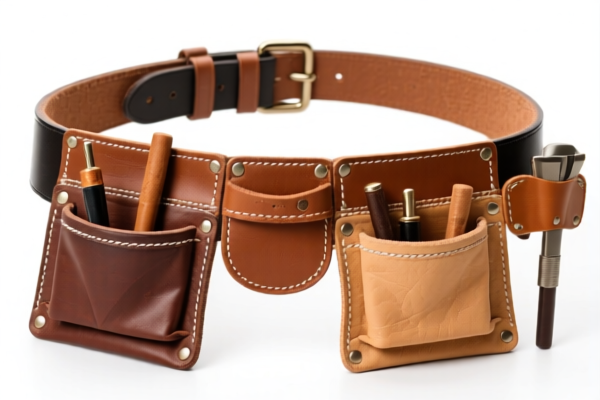
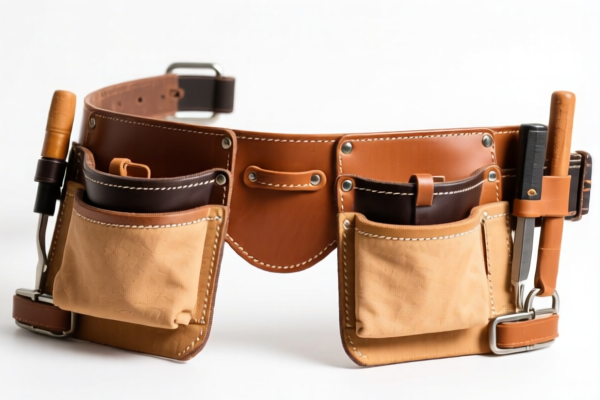
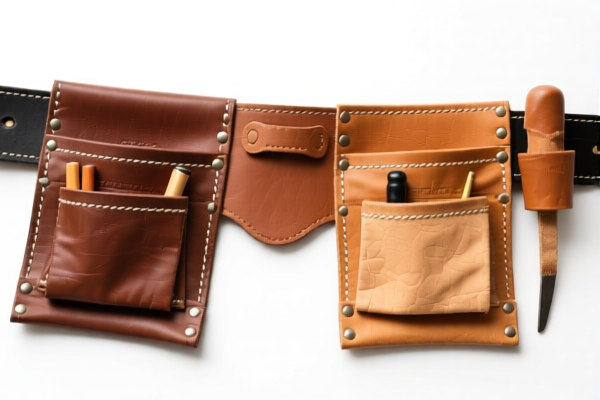
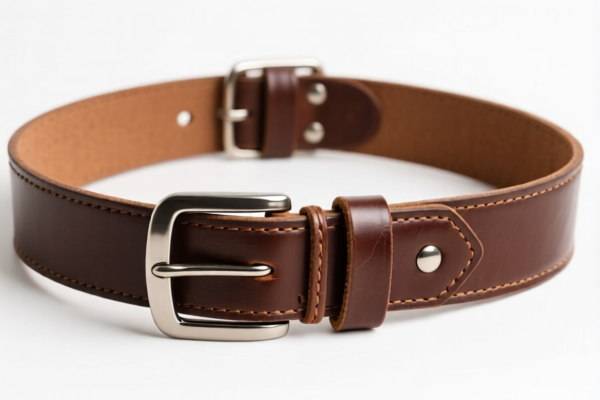
AI Analysis
🧤 Thick Leather Polishing Belt (Industrial Abrasive Belts)
🌐 HS Code Reference & Customs Clearance Guide | 2026 Latest Tariff Analysis | Professional Clearance Strategy
📌 One, Product Definition & Classification: Do You Really Understand “Polishing Belts”?
A "Thick Leather Polishing Belt" typically refers to an industrial abrasive product used for polishing, buffing, or finishing surfaces (such as metal, wood, or leather). Despite the name containing "leather," in international trade classification, it is not a piece of clothing or a fashion accessory. It is classified as an abrasive article.
In international trade, these are generally categorized into two main types based on their backing material: 1. Abrasive Backing: The belt may be backed by textile material (cloth, nylon) or other materials (leather, paper, plastic). 2. Form: It is often in the form of a belt, sleeve, or strip.
⚠️ Key Distinction Point:
- If the primary function is abrasive grinding/polishing and the backing is textile fabric →归类 to 6805.10.00.00 (Abrasive on woven textile fabric).
- If the primary function is abrasive grinding/polishing and the backing is non-textile (e.g., leather, paper, synthetic) →归类 to 6805.30.10.00 (Abrasive articles on bases other than textile/paper/paperboard).
- ⚠️ Warning: Do NOT classify as leather goods (Chapter 41 or 42) unless it is a finished leather product (like a belt buckle or fashion belt) with no abrasive function. If it has abrasive grain, it falls under Chapter 68 (Stone/Abasive articles).
📦 Two, HS Code Classification Details (2026 Latest Tariff Authority Comparison)
Based on the provided data , here are the specific HS Codes relevant to abrasive belts:
| HS Code | Product Description | Applicable Scenario | Backing Material |
|---|---|---|---|
6805.10.00.00 |
Natural or artificial abrasive powder/grain on a base of woven textile fabric only | Cloth-backed abrasive belts (common for metal polishing, wood sanding) | ✅ Textile/Woven Fabric |
6805.30.10.00 |
Articles wholly or partly coated with abrasives, in the form of sheets, strips, disks, belts, etc., on a base of other materials | Leather-backed, paper-backed, or synthetic-backed abrasive belts; "Thick leather" backing often falls here if not woven textile | ✅ Other (e.g., Leather/Synthetic) |
🔍 Critical Note:
- The term "Thick Leather" in the product name might imply the backing material is leather. If the backing is leather, it does NOT fall under "textile fabric." Therefore, it is more likely to be classified under 6805.30.10.00 ("on a base of other materials").
- If the "leather" in the name refers to the type of polishing (e.g., "leather honing belt" made of cloth but used on leather), check the backing. If the backing is cloth, use 6805.10.00.00. If the backing is actual leather, use 6805.30.10.00.
- Do not confuse with textile technical products (Chapter 59) unless specifically used for card clothing or rubberized technical fabrics (see items 3 & 4, which are likely irrelevant for standard polishing belts unless they are specialized rubberized card clothing fabrics).
💰 Three, 2026 Latest Tariff Rate Details (Including Surtaxes)
✅ Applicable Country: USA (US)
✅ Origin: China (CN)
✅ Effective Date: From November 10, 2025 (Including subsequent imports)
🎯 1. 6805.10.00.00 —— Abrasive Articles on Woven Textile Fabric Base
| Item | Content |
|---|---|
| Base Tariff | 0.0% (ad valorem) |
| Additional Surtax | +25.0% (from USITC Footnote/Section 301) |
| Total Tax Rate | 25.0% |
| Tax Calculation | CIF Value × 25% |
| De Minimis Exemption | ❌ Not Applicable (Deny de minimis for Section 301 goods) |
| Legal Basis | USITC:6805.10.00.00 → Surtax:25% |
📌 Explanation:
- Even though the base tariff is 0%, the 25% additional duty applies due to trade tensions (Section 301).
- This is a high-cost category for Chinese exports to the US.
🎯 2. 6805.30.10.00 —— Abrasive Articles on Other Material Bases (e.g., Leather/Synthetic)
| Item | Content |
|---|---|
| Base Tariff | 0.0% (ad valorem) |
| Additional Surtax | +25.0% (from USITC Footnote/Section 301) |
| Total Tax Rate | 25.0% |
| Tax Calculation | CIF Value × 25% |
| De Minimis Exemption | ❌ Not Applicable (Deny de minimis for Section 301 goods) |
| Legal Basis | USITC:6805.30.10.00 → Surtax:25% |
📌 Explanation:
- Similar to textile-backed belts, this category also attracts a 25% surtax.
- The base rate is 0%, but the final burden is 25%.📌 Important Note on Items 3 & 4 in (5911.10):
-5911.10.10.00and5911.10.20.00refer to Textile products for technical uses (e.g., card clothing, rubberized fabrics for technical purposes).
- Unless your "polishing belt" is specifically a rubberized textile fabric for card clothing or a technical printing blanket, do NOT use these codes. Standard abrasive polishing belts belong in Chapter 68. Using 5911 for standard abrasive belts would be incorrect classification.
🛠️ Four, Customs Clearance Practical Suggestions (Battle-Tested Pitfall Guide)
✅ 1. Preparation Checklist (None Can Be Missing)
| Material | Required | Description |
|---|---|---|
| ✅ Product Specification Sheet | ✔️ | Must specify: Backing material (Textile/Leather/Paper), Abrasive Grain Type (Alumina, Zirconia, etc.), Grit Size, Belt Size (Length x Width). |
| ✅ Product Photos | ✔️ | Clear images showing the belt, the abrasive grain surface, and the backing material (to prove it's not a fashion item). |
| ✅ Commercial Invoice | ✔️ | Clearly state: "Industrial Abrasive Belt for Polishing," NOT "Leather Belt" or "Fashion Accessory." |
| ✅ Packing List | ✔️ | Weight and dimensions of each belt. |
| ✅ Material Composition Statement | ✔️ | Explicitly state: "Backing: Woven Textile Fabric" OR "Backing: Leather/Synthetic Material." |
✅ 2. Declaration Tips (Key Mnemonics)
🔥 “Backing Material Determines Code! Textile = 6805.10, Other = 6805.30!”
| Scenario | Correct HS Code | Incorrect Practice |
|---|---|---|
| Cloth-backed abrasive belt | 6805.10.00.00 |
Misdeclaring as fashion leather belt (Chapter 42) |
| Leather-backed abrasive belt | 6805.30.10.00 |
Misdeclaring as textile (6805.10) |
| Paper-backed abrasive sheet/belt | 6805.30.10.00 |
(If considered "other material") |
| Rubberized card clothing fabric | 5911.10.10.00 |
(Only if specifically for card clothing, not for polishing) |
⚠️ Critical Warning:
- If you declare "Leather Belt" without specifying "Abrasive," Customs may classify it under Chapter 42 (Articles of Leather), which has different taxes (often higher or subject to different surtaxes).
- Always declare as "Abrasive Belt" and specify the backing material.
✅ 3. Special Case Handling
| Scenario | Handling Advice |
|---|---|
| OEM Custom Belts | Provide design drawings showing the abrasive grain application. |
| "Leather" in Name | Clarify: Is it a leather-backed abrasive belt? If yes, use 6805.30.10.00. If it's a cloth belt used for leather polishing, use 6805.10.00.00. |
| Rubberized Technical Fabrics | If the belt is a rubberized textile fabric used for card clothing (not polishing), use 5911.10. But this is rare for "polishing belts." |
🌍 Five, Global Major Market Clearance Comparison (2026 Latest)
| Country/Region | Recommended HS Code | Tariff (China Origin) | Certification Requirement | Notes |
|---|---|---|---|---|
| 🇺🇸 USA | 6805.10.00.00 or 6805.30.10.00 |
25% (Surtax) | None usually | Base 0% + 25% Surtax = 25% |
| 🇨🇳 China | 6805.10.00.00 or 6805.30.10.00 |
0% - 5% | CCC (if applicable) | Low import duty for domestic use |
| 🇪🇺 EU | 6805.10.00.00 or 6805.30.10.00 |
~4.5% - 6.5% | CE (if machinery) | No additional surtax |
| 🇬🇧 UK | 6805.10.00.00 or 6805.30.10.00 |
~4.5% - 6.5% | UKCA | Post-Brexit rules apply |
📌 Conclusion:
- USA is the key market with high tariffs (25%).
- EU/UK have moderate standard tariffs but no Section 301-style surtaxes.
- Accurate declaration of "Backing Material" is crucial to avoid misclassification penalties.
📌 Six, Common Mistakes & Pitfall Guide (Blood-Learned Lessons)
❌ Mistake 1: Declaring as "Leather Belt" (Fashion Item)
👉 Consequence: Misclassification under Chapter 42, potential higher tariffs, or seizure for incorrect description.
👉 Solution: Always declare as "Industrial Abrasive Belt" and specify backing material.
❌ Mistake 2: Using 5911 Codes for Standard Polishing Belts
👉 Consequence: 5911 is for technical textile fabrics (e.g., card clothing). Standard abrasive belts are Chapter 68.
👉 Solution: Use 6805 codes for abrasive products.
❌ Mistake 3: Ignoring the Backing Material
👉 Consequence: Wrong HS Code choice (6805.10 vs. 6805.30). While tax rate is same (25%) in the provided data, incorrect code can lead to customs audits.
👉 Solution: Explicitly state "Woven Textile Backing" or "Leather/Synthetic Backing" on commercial invoice.
✅ Correct Declaration Example:
"Industrial Abrasive Belt, 10"x72", Zirconia Alumina Grain, on Woven Textile Backing, for Metal Polishing, Model XYZ"
🎯 Seven, Conclusion: Professional Declaration, Save Time, Reduce Costs!
🎯 Remember the Mnemonic:
🔹 "Backing Material is Key! Textile = .10, Other = .30. Both Tax 25% in USA!"
🔹 "Don't Call it 'Leather Belt'! Call it 'Abrasive Belt'! Avoid Chapter 42!"
📌 Tip:
If your abrasive belts are originally from Vietnam, Mexico, Thailand, or Malaysia, you may apply for IEEPA/Section 301 Exemptions, potentially reducing the tariff to 0%.
Recommend Advance Ruling for large shipments to avoid clearance delays.
📣 Immediate Action:
📞 Contact professional customs broker + Provide Product Photos + Verify Backing Material
🚀 Let your abrasive belts, Clear Customs Smoothly, Export Efficiently, Profit Maximally!
✨ Professional Clearance Starts with Accurate Classification!
💼 Every Cent of Cost, Deserves Precision Calculation!
Customer Reviews
About HS Code Classification
The Harmonized System (HS) is an internationally standardized nomenclature developed by the World Customs Organization (WCO) to classify traded products. Over 200 countries use the HS system as the basis for customs tariffs, trade statistics, and import/export regulations.
Each HS code follows a hierarchical structure:
- Chapter (2 digits) — Broad category of goods (e.g., Chapter 84: Machinery and Mechanical Appliances)
- Heading (4 digits) — More specific grouping within the chapter
- Subheading (6 digits) — Internationally standardized breakdown, used by all WCO member countries
- National subdivisions (8-10 digits) — Country-specific extensions for further classification, such as US HTSUS 10-digit codes
Correct HS code classification is essential for smooth customs clearance, accurate duty payment, and compliance with trade regulations. Misclassification can lead to customs delays, overpayment of duties, or penalties.
When importing from CN to US, the applicable tariff rates may include:
- Most-Favored-Nation (MFN) rate — The standard duty rate applied to WTO members
- General rate — Applied to countries without trade agreements
- Trade remedy duties — Additional tariffs such as Section 301 (anti-dumping), Section 232 (national security), or countervailing duties
The information provided on this page is for reference purposes only. For official classification, please consult with your local customs authority or a licensed customs broker.