Thickened Disinfectant Wipes
CN → US| HS Code | Tariff Rate | Origin | Destination | Doc |
|---|---|---|---|---|
| 3926909950 | 22.8% | CN | US | Official Doc |
| 3926909989 | 22.8% | CN | US | Official Doc |
| 3808945095 | 40.0% | CN | US | Official Doc |
| 3401115000 | 35.0% | CN | US | Official Doc |
| 3401190000 | 17.5% | CN | US | Official Doc |
Product Images
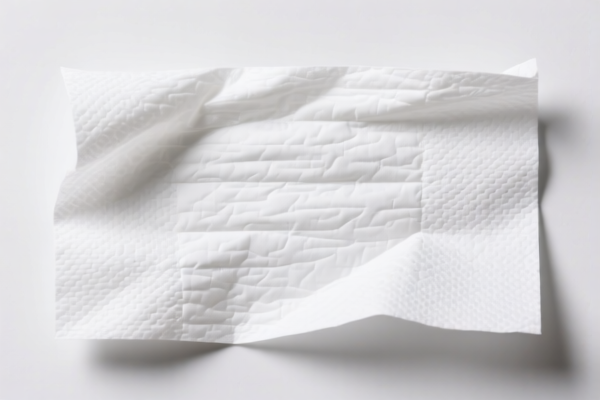
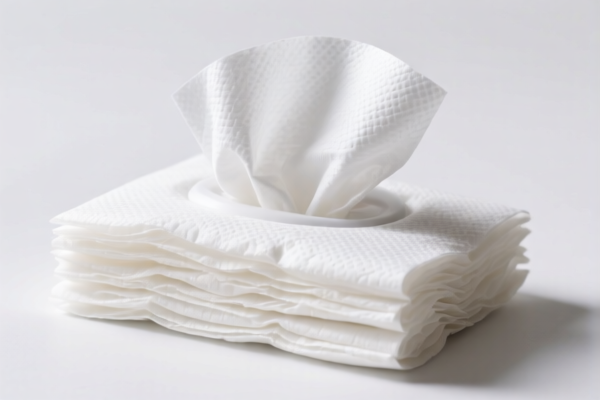
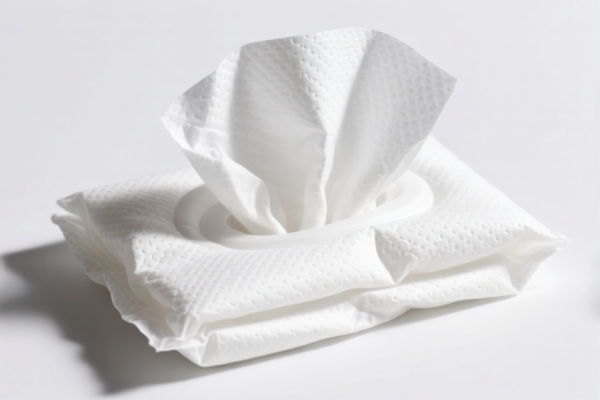
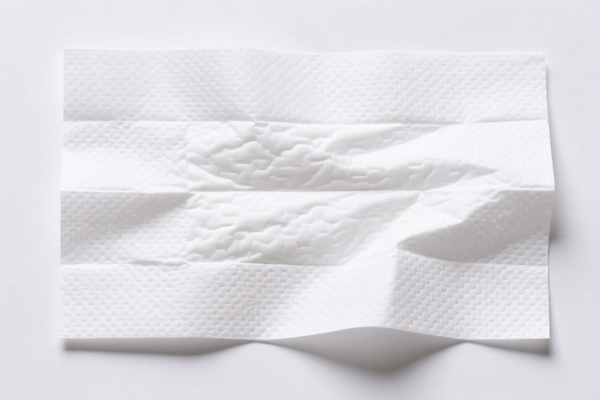
AI Analysis
🧼 Thickened Disinfectant Wipes: HS Code Classification & Tariff Breakdown | US Customs Clearance Guide 2026
🌐 HS Code Reference & Customs Strategy | Latest 2026 Tariff Analysis | Professional Entry Guide
📌 I. Product Definition & Classification: What Exactly Are "Thickened Disinfectant Wipes"?
Disinfectant Wipes are pre-moistened non-woven fabric sheets impregnated with cleaning or disinfecting agents (such as quaternary ammonium compounds, alcohol, or bleach). The term "Thickened" refers to the fabric structure (often spunlace non-woven) which provides durability and higher liquid absorption capacity.
In international trade, these items fall into a competitive landscape between Plastic/Synthetic Products, Cleaning Preparations, and Disinfectants. The classification depends heavily on whether Customs views the item primarily as a container/package holding a chemical, or as the chemical product itself.
⚠️ Key Classification Dilemma:
- Is it a Plastic/Non-woven Product (Chapter 39/34) containing a chemical?
- Or is it a Disinfectant/Preparation (Chapter 38/34)?
- Note: US Customs often scrutinizes "wipes" heavily. Misclassification can lead to significant duty surprises due to Section 301 and IEEPA tariffs.
📦 II. HS Code Classification Matrix (2026 Latest Tariff Data)
Based on the provided data, here are the five most likely HS Code classifications for Thickened Disinfectant Wipes, ranked by common customs logic.
| HS Code | Summary & Logic Basis | Total Tax Rate (US from China) | Key Tariff Components |
|---|---|---|---|
| 3926.90.99.50 | Plastic/Non-woven Package Logic: Matches usage (disinfecting wipe) & material (plastic/non-woven packaging/consumer goods). Fits logic of plastic articles. | 22.8% | Base: 5.3% Add'l: 7.5% Sec 301: 10% |
| 3926.90.99.89 | Non-woven Material Logic: Infers main material is non-woven (synthetic fiber/plastic category). Fits "Other articles of plastic and other materials." | 22.8% | Base: 5.3% Add'l: 7.5% Sec 301: 10% |
| 3808.94.50.95 | Disinfectant Logic: Matches usage (disinfection) & form (wet wipes). Classified as "Other Disinfectants" under Chapter 38. | 40.0% | Base: 5.0% Add'l: 25.0% Sec 301: 10% |
| 3401.11.50.00 | Impregnated Non-woven Logic: Matches form (wet wipes) & use ("disinfecting" falls under cleansing/toiletries). "Impregnated non-wovens." | 35.0% | Base: 0.0% Add'l: 25.0% Sec 301: 10% |
| 3401.19.00.00 | Surfactant/Prep Logic: Wipes are non-wovens impregnated with surfactants (disinfectant agents). Fits "Soap, Organic Surface Active Products." | 17.5% | Base: 0.0% Add'l: 7.5% Sec 301: 10% |
🔍 Critical Insight:
- The highest risk classification is 3808.94.50.95 (40.0%) because it attracts the highest Additional Duty (25%).
- The most favorable classification is 3401.19.00.00 (17.5%) or 3926.90.99.xx (22.8%), as they have lower Additional Duties (7.5%).
- 3401.11.50.00 and 3808.94.50.95 suffer from a 25% Additional Duty, likely under USITC Footnotes for certain chemical/wipe categories.
💰 III. Detailed Tariff Analysis (US Origin: China)
✅ Applicable Country: United States (US)
✅ Origin: China (CN)
✅ Effective Time: Includes Section 301 and IEEPA tariffs active in 2026.
🎯 1. The "Plastic Package" Route: 3926.90.99.50 & 3926.90.99.89
Logic: The wipe is viewed as a plastic/non-woven article.
| Item | Detail |
|---|---|
| Base Duty | 5.3% (Ad Valorem) |
| USITC Additional Duty | +7.5% (Specific to subheading 3926.90.99) |
| IEEPA / Sec 301 Tariff | +10% (China-specific add-on) |
| Total Effective Rate | 22.8% |
| Calculation | CIF Value × 22.8% |
| De Minimis Exemption? | ❌ No (Shipments from China are generally subject to full duties, no de minimis for Section 301 goods in many contexts, or thresholds are strict). |
📌 Explanation:
This is a middle-ground strategy. It avoids the 25% "chemical/wipe" surcharge but still incurs a 7.5% additional duty. It is defensible if the wipe's primary value is in the non-woven fabric itself.
🎯 2. The "Disinfectant Chemical" Route: 3808.94.50.95
Logic: The primary function is disinfection; the wipe is merely a delivery mechanism.
| Item | Detail |
|---|---|
| Base Duty | 5.0% |
| USITC Additional Duty | +25.0% (High surcharge for certain disinfectants) |
| IEEPA / Sec 301 Tariff | +10% |
| Total Effective Rate | 40.0% |
| Calculation | CIF Value × 40.0% |
| De Minimis Exemption? | ❌ No |
📌 Explanation:
AVOID IF POSSIBLE. This is the most expensive classification. The 25% additional duty makes it significantly less profitable. Customs may push for this if the disinfectant concentration is high and the wipe is thin.
🎯 3. The "Cleaning/Toiletry" Route: 3401.11.50.00
Logic: Impregnated non-wovens for cleansing/hygiene.
| Item | Detail |
|---|---|
| Base Duty | 0.0% |
| USITC Additional Duty | +25.0% |
| IEEPA / Sec 301 Tariff | +10% |
| Total Effective Rate | 35.0% |
| Calculation | CIF Value × 35.0% |
📌 Explanation:
While the base duty is 0%, the 25% additional duty hurts. This classification is often used for "toilet wipes" or "baby wipes." If your product is marketed as a "surface disinfectant," Customs might argue it doesn't fit "toiletry" well.
🎯 4. The "Surfactant/Soap" Route: 3401.19.00.00
Logic: Non-wovens impregnated with organic surface active products (disinfectants).
| Item | Detail |
|---|---|
| Base Duty | 0.0% |
| USITC Additional Duty | +7.5% |
| IEEPA / Sec 301 Tariff | +10% |
| Total Effective Rate | 17.5% |
| Calculation | CIF Value × 17.5% |
| De Minimis Exemption? | ❌ No |
📌 Explanation:
✅ BEST TARIFF OPTION. This code offers the lowest total tax rate (17.5%). It relies on classifying the disinfectant as a "surface active product" (surfactant) rather than a pure "disinfectant." This is a common and often accepted argument for wet wipes if the active ingredient is a quaternary ammonium compound (a surfactant).
🛠️ IV. Customs Clearance Recommendations (Practical Pitfall Guide)
✅ 1. Documentation Checklist (Essential for Smooth Clearance)
| Document | Requirement | Purpose |
|---|---|---|
| ✅ Product Spec Sheet | Must list: Fabric type (e.g., Spunlace, Viscose), Moisture content %, Active Ingredients (% concentration). | Proves classification logic (e.g., "Surfactant-based" vs "Pure Disinfectant"). |
| ✅ Ingredient Statement | List all chemical components. | Essential for determining if it falls under Ch 38 (Disinfectant) or Ch 34 (Surfactant/Cleaning). |
| ✅ Product Photos | Clear images of packaging, label, and wipe texture. | Helps CBP verify "Thickened" nature and packaging type. |
| ✅ Commercial Invoice | Description: "Thickened Non-woven Wipes Impregnated with [Chemical Name] for Disinfection/Cleaning." | Avoid vague terms like "Cleaning Wipes" without chemical context. |
| ✅ Certificate of Origin | Form A or standard CO. | Required for Section 301 tariff determination. |
| ✅ FDA Registration (if applicable) | If claims are "disinfectant" (kills bacteria/viruses), EPA/FDA may regulate. | Ensure regulatory compliance beyond just HS Code. |
✅ 2. Declaration Strategy (Key Mantra)
🔥 "Focus on the Surfactant, Not Just the Kill Rate!"
| Scenario | Recommended Classification | Risk Level |
|---|---|---|
| High Chemical Content, Strong Disinfectant Claims | 3808.94.50.95 |
⚠️ High Cost (40%) |
| Standard Household Cleaning, Surfactant-based | 3401.19.00.00 |
✅ Lowest Cost (17.5%) |
| Emphasis on Fabric Quality/Non-woven Tech | 3926.90.99.50/89 |
⚖️ Medium Cost (22.8%) |
| Baby/Toiletry Wipes (Mild Cleaning) | 3401.11.50.00 |
⚠️ Medium-High Cost (35%) |
💡 Pro Tip:
If your disinfectant active ingredient is a Quaternary Ammonium Compound (Quat), emphasize its role as a surfactant/cleansing agent in your spec sheet to support classification under 3401.19.00.00. Avoid over-emphasizing "EPA-registered Disinfectant" claims unless necessary, as that pushes CBP toward 3808.
✅ 3. Special Circumstances & Mitigation
| Situation | Advice |
|---|---|
| OEM/Private Label | Ensure the manufacturer's spec sheet matches your declaration. Discrepancies trigger audits. |
| "EPA-Registered" Products | If the product is EPA-registered as a disinfectant, CBP may insist on 3808.94.50.95. In this case, the 40% tax is unavoidable unless you apply for a tariff exclusion (check if any are still valid for 2026). |
| Mixed Shipments | Do NOT mix "Disinfectant Wipes" with "Regular Wet Wipes" (e.g., for eyes/face) in the same HS Code entry if they have different chemical compositions. Declare separately. |
| Plastic Packaging | If the wipes come in a plastic tub/jar, the container is part of the product. Do not try to separate the jar's duty from the wipes' duty. |
🌍 V. Global Market Comparison (2026 Snapshot)
| Region | Preferred HS Code | Approx. Duty | Notes |
|---|---|---|---|
| 🇺🇸 USA | 3401.19.00.00 or 3926.90.99 |
17.5% - 22.8% | Avoid 3808 (40%) if possible. |
| 🇨🇳 China | 3401.19.00 or 3401.11 |
Low/Moderate | No Section 301/IEEPA add-ons. |
| 🇪🇺 EU | 3401.11 or 3401.19 |
0% - 6% | VAT applies separately. |
| 🇬🇧 UK | 3401.11 or 3401.19 |
0% - 6% | Post-Brexit rules similar to EU. |
| 🇨🇦 Canada | 3401.11 or 3401.19 |
0% - 5% | Generally favorable for cleaning wipes. |
📌 Conclusion:
The US market is the most challenging due to the layered tariffs (Base + USITC + IEEPA). Choosing the right HS Code can save you 17-22.5% in duties alone.
📌 VI. Common Errors & Pitfalls (Lessons Learned)
❌ Error 1: Classifying as "General Purpose Wipes" without specifying chemical impregnation.
👉 Result: CBP rejects and reclassifies to the highest duty rate (3808, 40%).
❌ Error 2: Mixing "Disinfectant Wipes" with "Cosmetic Wipes" in one entry.
👉 Result: Audit flag. Different HS codes have different regulatory bodies (EPA vs. FDA).
❌ Error 3: Ignoring the "Thickened" aspect in documentation.
👉 Result: If the fabric is unusually thick, CBP may argue it's a "Textile Product" (Chapter 56/63) instead of Plastic/Chemical, leading to complex classification disputes.
✅ Correct Approach:
"Non-woven Wipes, Thickened, Impregnated with [Specific Surfactant/Quat], for Surface Disinfection/Cleaning. Model: XYZ. EPA Reg. No: [If applicable]."
🎯 VII. Final Recommendation
🎯 Strategic Advice for Importers:
1. Aim for 3401.19.00.00 (17.5%): This is the lowest tax burden. Support this by highlighting the surfactant/cleaning nature of the active ingredient.
2. Fallback to 3926.90.99.50 (22.8%): If the product is more of a "plastic/non-woven consumer good" with mild cleaning properties.
3. Avoid 3808.94.50.95 (40%): Unless the product is a heavy-duty industrial disinfectant where classification as a chemical is unavoidable.
📞 Action Item:
- Request a Pre-Ruling (CBP Ruling Letter) from US Customs before your first shipment.
- Submit your Spec Sheet and Label Artwork to CBP to get a binding determination.
- This single step can save you thousands in potential duty back-payments.
✨ Precision in Classification = Profit in Your Pocket!
💼 Don't let 25% Additional Duties eat your margin. Classify Smart.
Customer Reviews
About HS Code Classification
The Harmonized System (HS) is an internationally standardized nomenclature developed by the World Customs Organization (WCO) to classify traded products. Over 200 countries use the HS system as the basis for customs tariffs, trade statistics, and import/export regulations.
Each HS code follows a hierarchical structure:
- Chapter (2 digits) — Broad category of goods (e.g., Chapter 84: Machinery and Mechanical Appliances)
- Heading (4 digits) — More specific grouping within the chapter
- Subheading (6 digits) — Internationally standardized breakdown, used by all WCO member countries
- National subdivisions (8-10 digits) — Country-specific extensions for further classification, such as US HTSUS 10-digit codes
Correct HS code classification is essential for smooth customs clearance, accurate duty payment, and compliance with trade regulations. Misclassification can lead to customs delays, overpayment of duties, or penalties.
When importing from CN to US, the applicable tariff rates may include:
- Most-Favored-Nation (MFN) rate — The standard duty rate applied to WTO members
- General rate — Applied to countries without trade agreements
- Trade remedy duties — Additional tariffs such as Section 301 (anti-dumping), Section 232 (national security), or countervailing duties
The information provided on this page is for reference purposes only. For official classification, please consult with your local customs authority or a licensed customs broker.