Thickened Insulated Food Bag
CN → US| HS Code | Tariff Rate | Origin | Destination | Doc |
|---|---|---|---|---|
| 3926904800 | 13.4% | CN | US | Official Doc |
| 3926901000 | 20.9% | CN | US | Official Doc |
| 6305330080 | 25.9% | CN | US | Official Doc |
| 6305390000 | 25.9% | CN | US | Official Doc |
| 4202920809 | 42.0% | CN | US | Official Doc |
| 4202920807 | 42.0% | CN | US | Official Doc |
Product Images
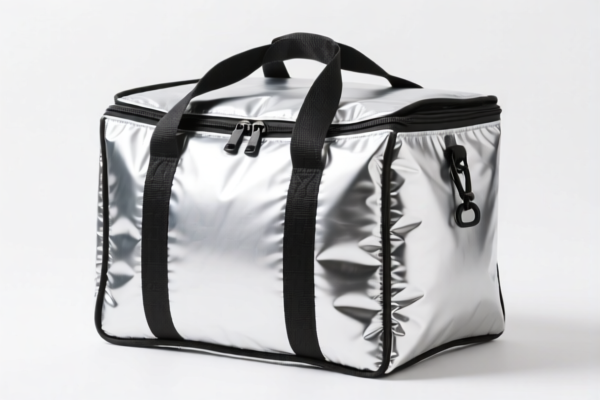
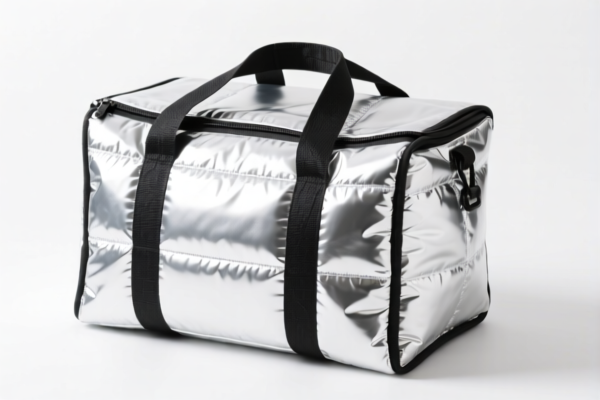
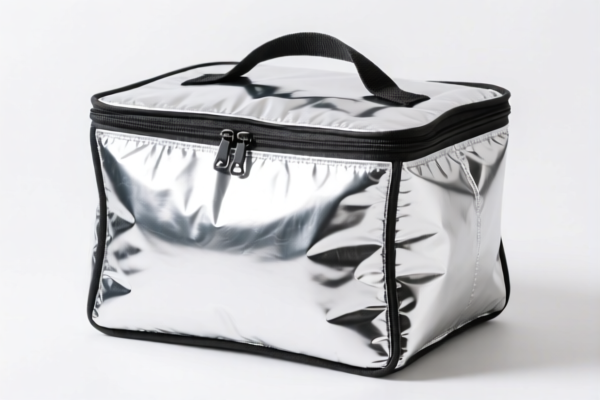
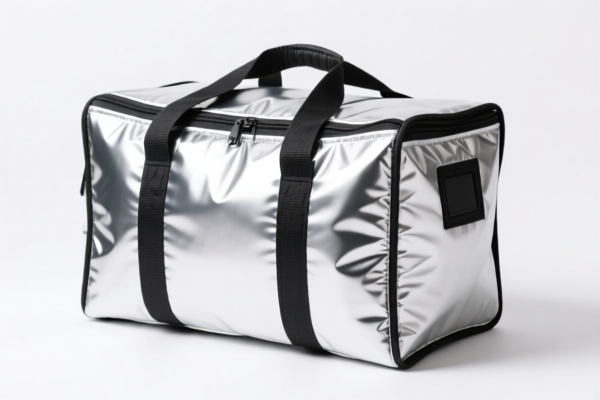
AI Analysis
🎒 Thickened Insulated Food Bag (Insulated Lunch Bag/Tote)
🌐 HS Code Reference & Customs Clearance Guide | 2026 Latest Tariff Analysis | Professional Strategy for Insulated Textile Containers
📌 I. Product Definition & Classification: Is it a "Bag" or a "Container"?
A Thickened Insulated Food Bag is a soft-sided container designed to maintain the temperature of food and beverages during transport. In international trade, the classification depends heavily on its outer surface material and construction.
While the term "Insulated Food Bag" suggests it falls under Heading 4202, customs authorities strictly distinguish between: 1. Insulated Bags with an Outer Surface of Textile Materials (e.g., Nylon, Polyester, Canvas): These are primarily classified under Chapter 42 (Articles of Leather; Saddle Harness). 2. Insulated Bags made of Plastics/Textile Composites: If the insulation is integral to a plastic sheet structure, it might fall under Chapter 39 or 63.
⚠️ Key Distinction Point:
- If the outer surface is clearly textile material (fabric, woven, non-woven) → Heading 4202.
- If the outer surface is plastic sheeting or polypropylene strip → Heading 3926 or 6305.
- For the specific product "Thickened Insulated Food Bag" typically made of fabric (nylon/polyester) with foam insulation, the correct classification is 4202.92.08.07 or 4202.92.08.09.
📦 II. HS Code Classification Details (2026 Latest Tariff Authority)
Based on the provided data, here are the relevant HS Codes for Insulated Food/Bev Bags, specifically focusing on those with Textile Outer Surfaces:
| HS Code | Product Description | Applicable Scenario | Outer Surface Material |
|---|---|---|---|
4202.92.08.07 |
Insulated food or beverage bags: With outer surface of textile materials: Other: Of man-made fibers | Standard nylon/polyester lunch bags, cooler totes, soft-sided ice packs | ✅ Man-made Textiles (Nylon/Polyester) |
4202.92.08.09 |
Insulated food or beverage bags: With outer surface of textile materials: Other: Other | Premium insulated bags, natural fiber blends, or other textile compositions not classified as man-made fibers | ✅ Textile Materials (Non-Man-Made or Others) |
3926.90.10.00 |
Buckets and pails | Rigid plastic containers | ❌ Not a bag |
6305.33.00.80 |
Sacks and bags... of polyethylene or polypropylene strip | Woven PP sacks (e.g., bulk rice/sugar bags) | ❌ Not for insulated food bags |
6305.39.00.00 |
Other sacks and bags of man-made textile materials | Generic shipping sacks, not specifically insulated food bags | ❌ Not insulated food bags |
3926.90.48.00 |
Photo albums | Non-food containers | ❌ Irrelevant |
🔍 Critical Reminder:
- Do NOT classify under6305(Sacks) if the item is a soft, insulated, reusable bag with handles.6305is for packaging sacks (like rice/sugar bags).
- Do NOT classify under3926unless the outer surface is primarily plastic sheeting.
- Correct Path: If the outer layer is fabric (even if thickened/insulated), it is a "Similar Container" under 4202.92.08.
💰 III. 2026 Latest Tariff Rate Breakdown (Detailed Tax Clauses)
✅ Applicable Country: United States (US)
✅ Origin: China (CN)
✅ Effective Time: Current (2025-2026)
🎯 1. 4202.92.08.07 —— Insulated Food Bags (Man-Made Fibers)
| Item | Detail |
|---|---|
| Base Tariff | 0.0% (Ad Valorem) |
| Additional Tariff | 0.0% |
| Total Tax Rate | 0.0% |
| Tax Detail | "Base Tariff: 0.0%, Additional Tariff: 0.0%" |
| Exemption Status | ✅ Low Risk (No Section 301 or IEEPA penalties apply to this specific subheading for insulated textile bags) |
📌 Explanation:
- Insulated food bags with an outer surface of man-made textile materials (e.g., polyester lunch bags) are generally exempt from the heavy Section 301 tariffs that apply to other apparel and accessories.
- This is a zero-tariff entry, making it highly competitive for export.
🎯 2. 4202.92.08.09 —— Insulated Food Bags (Other Textile Materials)
| Item | Detail |
|---|---|
| Base Tariff | 0.0% (Ad Valorem) |
| Additional Tariff | 0.0% |
| Total Tax Rate | 0.0% |
| Tax Detail | "Base Tariff: 0.0%, Additional Tariff: 0.0%" |
| Exemption Status | ✅ Low Risk |
📌 Explanation:
- Similar to4202.92.08.07, bags made of non-man-made textiles (e.g., cotton, canvas) also enjoy 0.0% duty.
- Note: If the bag is made of leather or composition leather, the tariff structure changes, but for "Thickened Insulated Food Bag" (usually fabric/foam/foil), this 0% rate applies.
🛠️ IV. Customs Clearance Practical Advice (Actionable Strategies)
✅ 1. Documentation Checklist (Non-Negotiable)
| Document | Required? | Explanation |
|---|---|---|
| ✅ Commercial Invoice | ✔️ | Must clearly state: "Insulated Food Bag, Outer Surface: [Nylon/Polyester], Inner Lining: Aluminum Foil/PEVA, Insulation: Foam" |
| ✅ Product Photographs | ✔️ | Must show: 1. Exterior (textile texture) 2. Interior (insulation layer) 3. Handles/Straps 4. Zipper/Closure |
| ✅ Material Composition Statement | ✔️ | Specify % of Outer Fabric (e.g., 100% Polyester) vs. Insulation Material (e.g., EPE Foam). |
| ✅ Packing List | ✔️ | List quantities by color/size if applicable. |
| ❌ Avoid | Do NOT describe as "Plastic Bag" or "PP Sack" unless it is actually a woven PP bag (which is wrong for insulated food bags). |
✅ 2. Declaration Tips (Key Keywords)
🔥 “Describe the Outer Surface, Not Just the Function!”
| Scenario | Correct Declaration | Incorrect Declaration |
|---|---|---|
| Standard Lunch Bag | 4202.92.08.07 - "Insulated Food Bag, Outer Surface of Textile Materials, Of Man-Made Fibers" |
"Plastic Food Bag" or "Cooler Bag" (Too vague) |
| Canvas Insulated Bag | 4202.92.08.09 - "Insulated Food Bag, Outer Surface of Textile Materials" |
"Canvas Bag" (Risk of misclassification as 6305) |
| Woven PP Sack (Rice) | 6305.33.00.80 - "Sacks, of Polypropylene Strip" |
"Food Bag" (Wrong function) |
⚠️ Warning:
- If you declare a textile bag as6305(Sacks), customs may reject it because6305is for packaging sacks (single-use or bulk), not reusable containers with handles.
- If you declare a plastic-insulated bag as4202, customs may require proof that the outer surface is textile, not plastic.
✅ 3. Special Case Handling
| Situation | Recommendation |
|---|---|
| Bag with Leather Trim | If the outer surface is >50% leather → Chapter 4201 (Leather Bags). If leather is minor, still 4202.92. |
| Bag with Plastic Coating | If the fabric is coated with PVC/PU on the outside, it may still be considered textile. Provide photos to prove the base is fabric. |
| Custom Logo/Embroidery | Ensure the invoice mentions "Personalized Insulated Bag" to avoid confusion with generic goods. |
| Samples vs. Bulk | Samples are often duty-free if under $2,500 (de minimis), but bulk shipments must comply with the 0% rate declaration. |
🌍 V. Global Market Comparison (2026)
| Country/Region | Recommended HS Code | Tariff Rate | Notes |
|---|---|---|---|
| 🇺🇸 USA | 4202.92.08.07 / 4202.92.08.09 |
0.0% | Zero Duty! Highly competitive. |
| 🇨🇳 China | 4202.92.08.07 |
5-8% | Import tariff for domestic sale. |
| 🇪🇺 EU | 4202.92.00 |
0-2.7% | Varies by member state. |
| 🇬🇧 UK | 4202.92.00 |
0% | Post-Brexit tariff-free for many textiles. |
| 🇦🇺 Australia | 4202.92.00 |
5% | Standard MFN rate. |
📌 Conclusion:
- The US market offers 0% duty for insulated food bags with textile outer surfaces.
- Do not pay extra tariffs by misclassifying as "Plastic Products" (which may have different trade remedies).
📌 VI. Common Mistakes & Pitfalls (Lessons Learned)
❌ Mistake 1: Using "Plastic Bag" in the description for a fabric-insulated bag.
👉 Consequence: May be misclassified under 3926 or 6305, leading to wrong duty calculation and delays.
❌ Mistake 2: Declaring as "Apparel Accessory" (Chapter 61/62).
👉 Consequence: Incorrect. Insulated food bags are containers, not apparel. Must use 4202.
❌ Mistake 3: Ignoring the "Outer Surface" distinction.
👉 Consequence: Between 4202.92.08.07 (Man-Made) and 4202.92.08.09 (Other). While both are 0%, accuracy prevents audits.
✅ Correct Practice:
"Insulated Food Bag, Model XYZ, Outer Surface: 100% Polyester Fabric, Inner: Aluminum Foil + EPE Foam, Size: 30x40cm, for School/Office Use"
🎯 VII. Conclusion: Maximize Profit with Accurate Classification
🎯 Remember This Rule:
🔹 "If it’s a reusable bag with handles and insulation, and the outside is fabric → 4202.92.08.07."
🔹 "Tax Rate: 0.0%. Zero Tariff. Zero Headache."
🔹 "Do NOT use 6305 (Sacks) unless it’s a woven PP sack for rice/sugar."
📌 Pro Tip:
If your bag is made of 100% Cotton Canvas (natural fiber), use 4202.92.08.09 (Other Textile). If it’s Polyester/Nylon (synthetic), use 4202.92.08.07 (Man-Made Fibers). Both are 0% Duty in the US.
📣 Immediate Action:
📞 Provide clear photos of the outer fabric and inner lining.
🚀 Declare using "Insulated Food Bag, Outer Surface of Textile Materials" to secure 0% Duty.
✨ Your Logistics Cost Just Dropped to 0% Tariff!
✨ Precision in Classification = Profit in Your Pocket!
💼 Don’t overpay duties on zero-duty items!
Customer Reviews
About HS Code Classification
The Harmonized System (HS) is an internationally standardized nomenclature developed by the World Customs Organization (WCO) to classify traded products. Over 200 countries use the HS system as the basis for customs tariffs, trade statistics, and import/export regulations.
Each HS code follows a hierarchical structure:
- Chapter (2 digits) — Broad category of goods (e.g., Chapter 84: Machinery and Mechanical Appliances)
- Heading (4 digits) — More specific grouping within the chapter
- Subheading (6 digits) — Internationally standardized breakdown, used by all WCO member countries
- National subdivisions (8-10 digits) — Country-specific extensions for further classification, such as US HTSUS 10-digit codes
Correct HS code classification is essential for smooth customs clearance, accurate duty payment, and compliance with trade regulations. Misclassification can lead to customs delays, overpayment of duties, or penalties.
When importing from CN to US, the applicable tariff rates may include:
- Most-Favored-Nation (MFN) rate — The standard duty rate applied to WTO members
- General rate — Applied to countries without trade agreements
- Trade remedy duties — Additional tariffs such as Section 301 (anti-dumping), Section 232 (national security), or countervailing duties
The information provided on this page is for reference purposes only. For official classification, please consult with your local customs authority or a licensed customs broker.