Thickened Plastic Hot Water Bottle
CN → US| HS Code | Tariff Rate | Origin | Destination | Doc |
|---|---|---|---|---|
| 3926909989 | 22.8% | CN | US | Official Doc |
| 3923900012 | 38.0% | CN | US | Official Doc |
| 3923900014 | 38.0% | CN | US | Official Doc |
| 3926901000 | 20.9% | CN | US | Official Doc |
| 3926902100 | 21.7% | CN | US | Official Doc |
Product Images
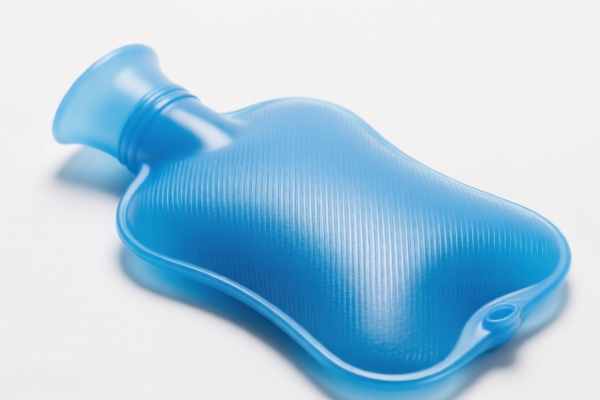
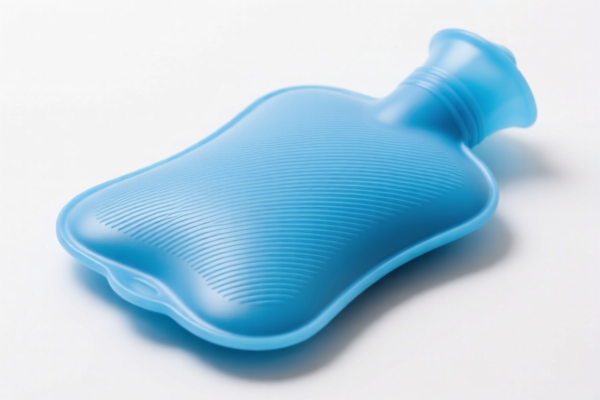
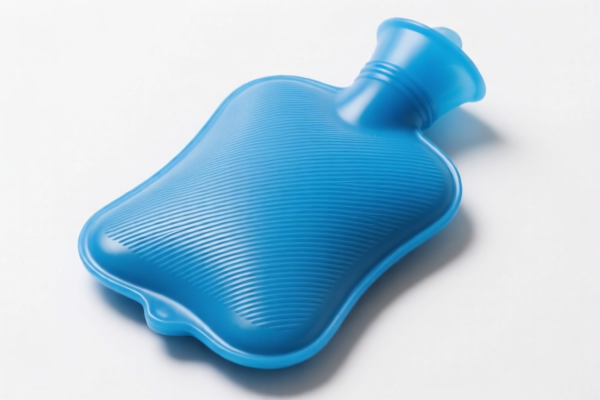
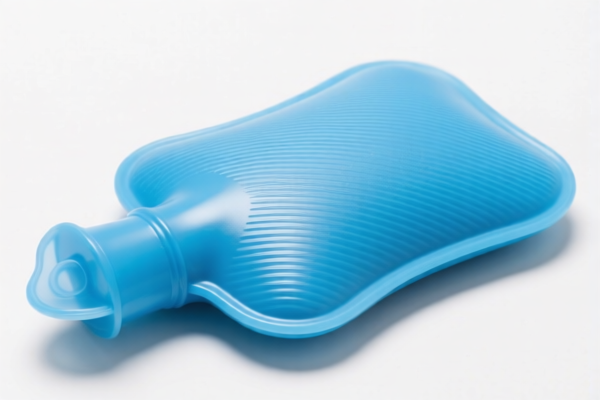
AI Analysis
🛁 Thickened Plastic Hot Water Bottle (热水袋)
🌐 HS Code Reference & Customs Clearance Guide | 2026 Latest Tariff Analysis | Professional Compliance Strategy 📌 Part 1: Product Definition & Classification: Do You Know Your "Hot Water Bottle"?
A Thickened Plastic Hot Water Bottle is a common household item used for thermal therapy, warmth, or comfort. In international trade, its classification depends heavily on the specific material composition and design purpose.
Two Main Material Categories: 1. Plastic-Based (PVC/TPR/PE): The most common "thickened" bottles found in modern markets. These are flexible, durable, and often feature decorative outer covers. 2. Rubber-Based (Sulfur-Vulcanized Rubber): Traditional, high-heat-resistant bottles. Often classified under rubber制品.
⚠️ Key Distinction Point: - If the primary material is Plastic (e.g., PVC, TPR) → Likely falls under Chapter 39 (Plastics). - If the primary material is Rubber → Likely falls under Chapter 40 (Rubber). - Crucial Note: The term "Thickened" implies a specific manufacturing process for durability but does not change the base material classification.
📦 Part 2: HS Code Classification Details (2026 Latest Tariff Authority对照)
Based on the provided data, here are the precise HS Codes and their corresponding tax implications for US imports from China.
| HS Code | Product Description | Applicability Summary | Total Tax Rate |
|---|---|---|---|
3926.90.99.89 |
Plastic Articles, Not Elsewhere Specified | Matches "Plastic" material and "Article" form. Specifically applicable to thickened plastic products. | 22.8% |
3923.90.00.12 |
Plastic Containers, Casks, Drums | Matches "Plastic" material and "B桶 (Drum/Container)" form. For transport or packaging goods. | 38.0% |
3923.90.00.14 |
Plastic Packaging Articles | Matches "Plastic" material and "B桶 (Drum/Container)" form. Classified as packaging articles. | 38.0% |
3926.90.21.00 |
Plastic Hot Water Bottles | Exact Match: The name "Hot Water Bottle" perfectly fits the category description. | 21.7% |
4016.99.05.00 |
Other Vulcanized Rubber Articles | Rubber Alternative: If the bottle is made of sulfur-vulcanized rubber, it belongs here. | 20.9% |
🔍 Critical Insight: - Plastic vs. Rubber: Most modern "thickened" bottles are PVC/TPR (Plastic). Therefore, Chapter 39 codes (
3926.90.99.89,3923.90.00.12/14,3926.90.21.00) are the most common. - Best Fit for Plastic:3926.90.21.00is explicitly for "Hot Water Bottles" made of plastic, with a lower total tax (21.7%) compared to generic plastic articles (22.8%) or packaging codes (38.0%). - Best Fit for Rubber: If your product is genuinely rubber,4016.99.05.00offers the lowest total tax (20.9%).
💰 Part 3: 2026 Latest Tariff Rate Breakdown (Including Surcharges)
✅ Applicable Country: United States (US)
✅ Country of Origin: China (CN)
✅ Effective Date: 2025年11月10日起 (Including subsequent imports)
🎯 1. 3926.90.21.00 —— Plastic Hot Water Bottle (Recommended for Plastic)
| Item | Content |
|---|---|
| Base Tariff | 4.2% (ad valorem) |
| Section 301 Surcharge | +7.5% (Added to base) |
| Section 122 Tariff | +10% (Specific levy on certain Chinese goods) |
| Total Tax Rate | 21.7% |
| Tax Calculation | CIF Value × 21.7% |
| De Minimis Eligibility | ❌ No (Deny de minimis for these codes) |
| Legal Basis Path | Base: 3926.90.21 → Section 301: 7.5% → Section 122: 10% |
📌 Explanation: - This code is highly specific to "Hot Water Bottles." - The 7.5% surcharge comes from the Section 301 trade action. - The 10% is the Section 122 tariff. - Total 21.7% is significantly lower than packaging codes (38%), making it the optimal choice for plastic bottles.
🎯 2. 3926.90.99.89 —— Other Plastic Articles (Generic)
| Item | Content |
|---|---|
| Base Tariff | 5.3% |
| Section 301 Surcharge | +7.5% |
| Section 122 Tariff | +10% |
| Total Tax Rate | 22.8% |
| Tax Calculation | CIF Value × 22.8% |
| De Minimis Eligibility | ❌ No |
| Legal Basis Path | Base: 3926.90.99.89 → Section 301: 7.5% → Section 122: 10% |
📌 Note: - This is a catch-all for plastic articles not elsewhere specified. - Higher than
3926.90.21.00by 1.1%. Only use if3926.90.21.00is rejected due to specific product features.
🎯 3. 3923.90.00.12 / 3923.90.00.14 —— Plastic Containers/Packaging (High Risk)
| Item | Content |
|---|---|
| Base Tariff | 3.0% |
| Section 301 Surcharge | +25.0% |
| Section 122 Tariff | +10% |
| Total Tax Rate | 38.0% |
| Tax Calculation | CIF Value × 38.0% |
| De Minimis Eligibility | ❌ No |
| Legal Basis Path | Base: 3923.90 → Section 301: 25% → Section 122: 10% |
📌 Warning: - DO NOT USE unless your product is clearly a packaging container (e.g., a bulk plastic drum for shipping, not a retail hot water bottle). - The 25% Section 301 surcharge makes this extremely expensive. Misclassifying a retail hot water bottle as a "plastic container" is a common red flag for customs audits.
🎯 4. 4016.99.05.00 —— Rubber Hot Water Bottle (If Rubber)
| Item | Content |
|---|---|
| Base Tariff | 3.4% |
| Section 301 Surcharge | +7.5% |
| Section 122 Tariff | +10% |
| Total Tax Rate | 20.9% |
| Tax Calculation | CIF Value × 20.9% |
| De Minimis Eligibility | ❌ No |
| Legal Basis Path | Base: 4016.99.05 → Section 301: 7.5% → Section 122: 10% |
📌 Note: - If your product is sulfur-vulcanized rubber, this is the lowest tax rate (20.9%). - However, "thickened plastic" bottles are rarely rubber. Verify material composition before using this code.
🛠️ Part 4: Customs Clearance Practical Advice (Avoid Pitfalls)
✅ 1. Preparation Checklist (Mandatory)
| Document | Required | Description |
|---|---|---|
| ✅ Product Specification Sheet | ✔️ | Must clearly state Material Composition (e.g., "100% PVC," "TPR," "Vulcanized Rubber"). |
| ✅ Product Photos | ✔️ | Clear images of the entire bottle, label, and any outer cover. |
| ✅ Commercial Invoice | ✔️ | Description must match the HS Code: e.g., "Plastic Hot Water Bottle, PVC, Thickened." |
| ✅ Packing List | ✔️ | Detail items per carton. |
| ✅ Declaration Form | ✔️ | Confirm country of origin (China). |
✅ 2. Declaration Strategy (Key Mnemonics)
🔥 "Material First, Specificity Wins, Packaging is a Trap!"
| Scenario | Correct Declaration | Wrong Practice |
|---|---|---|
| Plastic Hot Water Bottle | 3926.90.21.00 (21.7%) |
❌ 3923.90.00.12 (38%) → Huge Cost Increase! |
| Rubber Hot Water Bottle | 4016.99.05.00 (20.9%) |
❌ 3926.90.99.89 (22.8%) → Slightly Higher |
| Plastic Bottle with Fleece Cover | Still 3926.90.21.00 |
❌ Split into two items → Complex & Risky |
| Bulk Plastic Drum (Not for Home Use) | 3923.90.00.12 (38%) |
❌ Mislabeling retail bottles as "drums" → Audit Risk |
✅ 3. Special Cases
| Situation | Handling Advice |
|---|---|
| Outer Fleece Cover Included | Declare as one unit. The cover is an accessory. Still use 3926.90.21.00 if the core is plastic. |
| Different Colors/Designs | Same HS Code. No impact on tax rate. |
| Sample vs. Bulk | Same HS Code. De Minimis does not apply (deny_de_minimis), so even samples are taxed. |
| Misclassification Risk | If you declare as 3923.90 (Packaging), be prepared to prove it is not for consumer use. Customs may reject this for retail hot water bottles. |
🌍 Part 5: Global Market Comparison (2026)
| Country/Region | Recommended HS Code | Estimated Tax (China Origin) | Certification Requirements |
|---|---|---|---|
| 🇺🇸 USA | 3926.90.21.00 |
21.7% | FTC Labeling, CPSIA (if for kids) |
| 🇪🇺 EU | 3926.90.99 |
~6.5% + VAT (No 301/122) | CE, REACH, LFGB (Food Contact if applicable) |
| 🇨🇦 Canada | 3926.90.99 |
~5.5% + GST/HST | Health Canada Approval |
| 🇬🇧 UK | 3926.90.99 |
~4.0% + VAT | UKCA, Consumer Safety |
📌 Conclusion: - The US has the most complex and high-tax environment for Chinese plastic goods due to Section 301 and Section 122. - Precision in HS Code selection is critical. Using the generic
3926.90.99.89(22.8%) vs. the specific3926.90.21.00(21.7%) may seem small, but on large volumes, it adds up. - Avoid3923.90codes unless you are genuinely exporting industrial plastic containers.
📌 Part 6: Common Mistakes & Pitfalls (Lessons Learned)
❌ Mistake 1: Declaring a Plastic Hot Water Bottle as a "Plastic Container" (3923.90)
👉 Consequence: 38% Tax instead of 21.7%. Loss of Profit! Also high audit risk for misclassification.
❌ Mistake 2: Not Specifying "Hot Water Bottle" in Description
👉 Consequence: Customs may classify it as generic "Plastic Article" (3926.90.99.89 at 22.8%) or worse, if material is unclear, higher rates apply.
❌ Mistake 3: Ignoring Material Composition 👉 Consequence: If it's rubber, using plastic codes leads to rejection and penalties. If it's plastic, using rubber codes also causes issues. Material must match HS Code Chapter.
✅ Correct Declaration Example:
"Hot Water Bottle, PVC Plastic, Thickened, 2L, with Fleece Cover, Model XYZ, Made in China" HS Code:
3926.90.21.00
🎯 Part 7: Conclusion: Professional Classification, Cost Efficiency!
🎯 Remember:
🔹 "Plastic? Use 3926.90.21.00 (21.7%)!"
🔹 "Rubber? Use 4016.99.05.00 (20.9%)!"
🔹 "Packaging Codes (38%) are for Drums, Not Bottles!"
📌 Pro Tip:
- Always confirm the exact material (PVC vs. TPR vs. Rubber) with your manufacturer.
- Request a Pre-Ruling from US Customs if the material is ambiguous.
- Never use 3923.90 codes for retail consumer hot water bottles to save time; the tax penalty is too high.
📣 Immediate Action:
📞 Verify Material → Choose Correct HS Code → Prepare Accurate Description → Avoid 38% Tax Trap! 🚀 Clear Customs Smoothly, Maximize Your Profit Margin!
✨ Professional Clearance Starts with Precise Classification!
💼 Every Percent in Tax is Pure Profit Lost or Gained!
Customer Reviews
About HS Code Classification
The Harmonized System (HS) is an internationally standardized nomenclature developed by the World Customs Organization (WCO) to classify traded products. Over 200 countries use the HS system as the basis for customs tariffs, trade statistics, and import/export regulations.
Each HS code follows a hierarchical structure:
- Chapter (2 digits) — Broad category of goods (e.g., Chapter 84: Machinery and Mechanical Appliances)
- Heading (4 digits) — More specific grouping within the chapter
- Subheading (6 digits) — Internationally standardized breakdown, used by all WCO member countries
- National subdivisions (8-10 digits) — Country-specific extensions for further classification, such as US HTSUS 10-digit codes
Correct HS code classification is essential for smooth customs clearance, accurate duty payment, and compliance with trade regulations. Misclassification can lead to customs delays, overpayment of duties, or penalties.
When importing from CN to US, the applicable tariff rates may include:
- Most-Favored-Nation (MFN) rate — The standard duty rate applied to WTO members
- General rate — Applied to countries without trade agreements
- Trade remedy duties — Additional tariffs such as Section 301 (anti-dumping), Section 232 (national security), or countervailing duties
The information provided on this page is for reference purposes only. For official classification, please consult with your local customs authority or a licensed customs broker.