Thin Film (Short Wavelength)
CN → US| HS Code | Tariff Rate | Origin | Destination | Doc |
|---|---|---|---|---|
| 9013908000 | 89.5% | CN | US | Official Doc |
| 3701996060 | 35.0% | CN | US | Official Doc |
| 3701996030 | 35.0% | CN | US | Official Doc |
| 9001200000 | 35.0% | CN | US | Official Doc |
| 9001909000 | 35.0% | CN | US | Official Doc |
Product Images
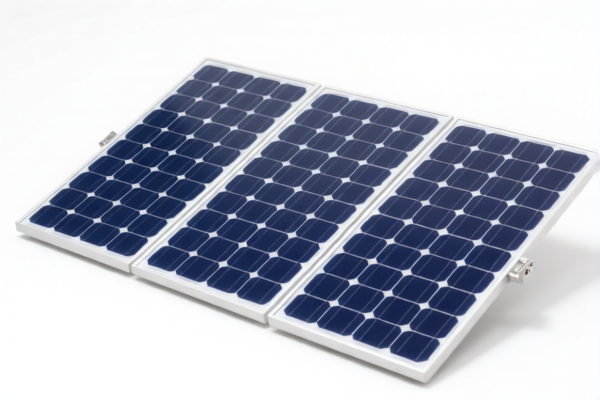
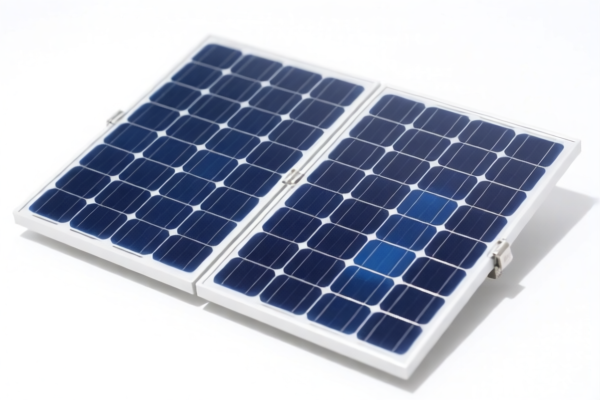
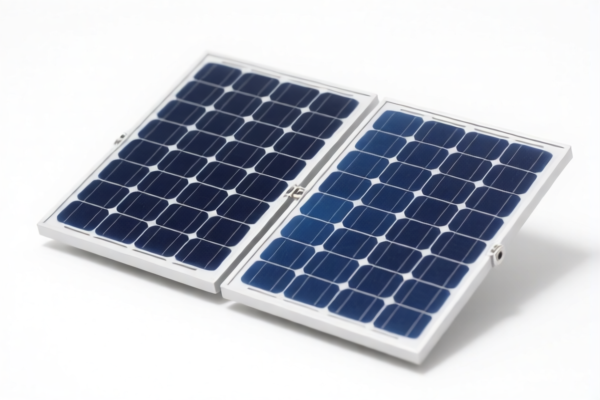
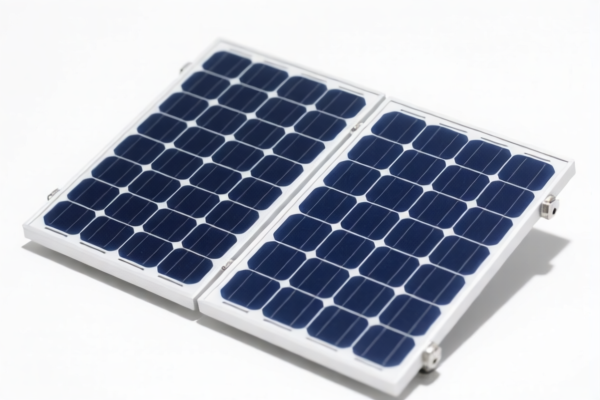
AI Analysis
🌟 Thin Film (Short Wavelength): HS Code Classification & Customs Clearance Guide
🌐 HS Code Reference & Customs Clearance Strategy | 2026 Latest Tariff Analysis | Professional-Level Entry Protocol
📌 I. Product Definition & Classification: What is "Thin Film (Short Wavelength)"?
"Thin Film (Short Wavelength)" refers to optical or functional films designed to interact with short-wavelength radiation (e.g., UV, X-ray, or deep blue light). In international trade, its classification depends heavily on its material composition, optical function, and whether it is photosensitive.
⚠️ Key Distinction Points:
- If it is a raw optical component (e.g., polarizing sheet, protective film) without photosensitive properties → Classified under Chapter 90 (Optical/Medical Instruments).
- If it is photosensitive film (e.g., for printing plates, X-ray imaging) that is unexposed → Classified under Chapter 37 (Photographic or Cinematographic Goods).
- If it is a part/accessory for a specific optical device → Classified under 9013.90.80.00.
📦 II. HS Code Classification Details (2026 Latest Tariff Authority Comparison)
| HS Code | Product Description | Applicable Scenario | Key Matching Feature |
|---|---|---|---|
| 9013.90.80.00 | Other parts and accessories of optical instruments/devices | Film used as a component/accessory for optical devices; "Film" form matches "optical component" characteristics. | Matches "Film" (film form) and "Short Wavelength" (optical function). |
| 3701.99.60.60 | Other photosensitive, unexposed photographic/film goods (non-paper/textile) | Short-wavelength film inferred as photosensitive; material assumed non-paper/non-textile (e.g., polyester/synthetic). | Matches "Film" (photosensitive form) and material assumptions. |
| 3701.99.60.30 | Other unexposed flat photographic plates/films (graphic art films) | Short-wavelength film fits the form of "unexposed flat photographic plates"; inferred as graphic art film. | Matches "Film" (flat form) and usage inference. |
| 9001.20.00.00 | Sheets and plates of polarized material | "Film" matches "Sheets and plates"; "Short Wavelength" implies optical property; no material conflict. | Matches "Film" (sheet form) and optical nature. |
| 9001.90.90.00 | Other optical elements, lenses, mirrors, polarizing materials, etc. | "Film" matches "polarizing material sheets/plates"; "Short Wavelength" is an optical characteristic. | Matches "Film" (optical material form) and optical function. |
🔍 Important Reminder:
- Chapter 37 (3701) applies if the film is photosensitive (e.g., for imaging, printing, or detection).
- Chapter 90 (9001/9013) applies if the film is a structural/optical component (e.g., polarizing, protective, or functional optical film).
- Misclassification Risk: Declaring a photosensitive film as a generic optical film (9001) may lead to customs delays or penalties. Always provide Material Safety Data Sheets (MSDS) and Technical Specifications.
💰 III. 2026 Latest Tariff Rate Details (Including Surtaxes & Policy Add-ons)
✅ Applicable Country: United States (US)
✅ Origin: China (CN)
✅ Effective Date: November 10, 2025 onwards
🎯 1. 9013.90.80.00 — Other Parts & Accessories of Optical Instruments
| Item | Details |
|---|---|
| Base Duty Rate | 4.5% (ad valorem) |
| Section 301 Surcharge (25%) | +25% (USITC Footnote 9903.90.80.00) |
| Section 122 Surcharge (Steel/Aluminum/Copper) | +50% (if applicable to underlying material, e.g., aluminum-coated film) |
| IEEPA Surcharge (China-Specific) | +10% (International Emergency Economic Powers Act) |
| Total Effective Rate | 89.5% |
| Calculation Basis | CIF Value × 89.5% |
| De Minimis Exemption Eligibility | ❌ Not Eligible (deny_de_minimis) |
| Legal Basis Path | IEEPA:9903.01.25 → IEEPA:9903.01.24 → USITC:9013.90.80.00 → FOOTNOTE:9903.88.01 & FOOTNOTE:9903.122.01 |
📌 Explanation:
- The 25% Section 301 tariff applies to most optical accessories from China.
- The 50% Section 122 tariff may apply if the film contains steel, aluminum, or copper components (e.g., reflective coatings).
- The 10% IEEPA tariff is a China-specific surcharge.
- Total of 89.5% is extremely high. This classification is rarely used for pure polymer films unless they are integral parts of high-end optical devices.
🎯 2. 3701.99.60.60 — Other Photosensitive, Unexposed Photographic Films (Non-Paper/Textile)
| Item | Details |
|---|---|
| Base Duty Rate | 0.0% |
| Section 301 Surcharge (25%) | +25% |
| Section 122 Surcharge | +10% (Note: Data shows "122条款关税10%", likely a specific China-related surcharge or mislabeling of IEEPA) |
| IEEPA Surcharge (China-Specific) | Included in the 10% or 25% above (Data shows total 35%) |
| Total Effective Rate | 35.0% |
| Calculation Basis | CIF Value × 35.0% |
| De Minimis Exemption Eligibility | ❌ Not Eligible |
| Legal Basis Path | IEEPA:9903.01.25 → USITC:3701.99.60.60 |
📌 Note:
- This code is suitable for photosensitive films (e.g., for X-ray, UV curing, or specialized imaging).
- The 0% base rate is offset by 25% Section 301 and additional surcharges.
- Total 35% is significantly lower than the optical accessory code (89.5%).
🎯 3. 3701.99.60.30 — Other Unexposed Flat Photographic Plates/Films
| Item | Details |
|---|---|
| Base Duty Rate | 0.0% |
| Section 301 Surcharge (25%) | +25% |
| Section 122 Surcharge | +10% |
| Total Effective Rate | 35.0% |
| Calculation Basis | CIF Value × 35.0% |
| De Minimis Exemption Eligibility | ❌ Not Eligible |
| Legal Basis Path | IEEPA:9903.01.25 → USITC:3701.99.60.30 |
📌 Note:
- Similar to the above, this code applies to flat, unexposed photosensitive films.
- Ideal for graphic arts, printing plates, or specialized imaging films.
🎯 4. 9001.20.00.00 — Sheets and Plates of Polarized Material
| Item | Details |
|---|---|
| Base Duty Rate | 0.0% |
| Section 301 Surcharge (25%) | +25% |
| Section 122 Surcharge | +10% |
| Total Effective Rate | 35.0% |
| Calculation Basis | CIF Value × 35.0% |
| De Minimis Exemption Eligibility | ❌ Not Eligible |
| Legal Basis Path | IEEPA:9903.01.25 → USITC:9001.20.00.00 |
📌 Note:
- Suitable for polarizing films used in displays, sensors, or optical filters.
- "Short Wavelength" may imply UV-blocking or polarizing properties.
🎯 5. 9001.90.90.00 — Other Optical Elements (including Polarizing Materials)
| Item | Details |
|---|---|
| Base Duty Rate | 0.0% |
| Section 301 Surcharge (25%) | +25% |
| Section 122 Surcharge | +10% |
| Total Effective Rate | 35.0% |
| Calculation Basis | CIF Value × 35.0% |
| De Minimis Exemption Eligibility | ❌ Not Eligible |
| Legal Basis Path | IEEPA:9903.01.25 → USITC:9001.90.90.00 |
📌 Note:
- A broader category for optical films that do not fit strictly under polarizing or photosensitive definitions.
- Still subject to 35% total tariff.
🛠️ IV. Customs Clearance Practical Advice (Avoid Pitfalls)
✅ 1. Documentation Checklist (Essential)
| Document | Required | Explanation |
|---|---|---|
| ✅ Technical Specification Sheet | ✔️ | Must specify wavelength range (e.g., UV, X-ray), material (PET, glass, etc.), and function (photosensitive/polarizing/protective). |
| ✅ Material Composition Report | ✔️ | Confirm if the film contains steel, aluminum, or copper (for Section 122 assessment). |
| ✅ Product Photos | ✔️ | Show the film in rolls/sheets, labels, and any coatings. |
| ✅ Certificate of Origin (CO) | ✔️ | To confirm origin (China) and apply correct surcharges. |
| ✅ Commercial Invoice | ✔️ | Clearly describe the product as "Short Wavelength Thin Film" with intended use. |
| ✅ Usage Declaration | ✔️ | State whether it is for imaging (photosensitive) or optical component (structural). |
✅ 2. Classification Strategy (Key Tips)
🔥 "Photosensitive = Ch37, Optical Component = Ch90, Material Matters!"
| Scenario | Correct HS Code | Wrong Code | Consequence |
|---|---|---|---|
| Film is photosensitive (e.g., for X-ray, UV curing) | 3701.99.60.60 or 3701.99.60.30 |
9001.20.00.00 |
Misclassification → 35% vs. 89.5% (if forced into accessory) |
| Film is a polarizing sheet for displays | 9001.20.00.00 or 9001.90.90.00 |
3701.99.60.60 |
Customs may reject as "not photosensitive" |
| Film is an accessory to an optical device | 9013.90.80.00 |
9001.90.90.00 |
High tariff (89.5%) due to Section 122 if metal-coated |
| Film contains aluminum/steel coating | Add Section 122 (50%) | Ignore | Penalty + Back duties |
✅ 3. Special Case Handling
| Scenario | Recommendation |
|---|---|
| OEM Custom Film | Provide client specifications and material certifications to prove non-photosensitive nature if claiming Ch90. |
| Multi-layer Film | Declare the primary function (e.g., if top layer is photosensitive, use Ch37). |
| Small Quantity (De Minimis) | ❌ Not eligible for $800 de minimis exemption due to Section 301/IEEPA surcharges. |
| Origin from Vietnam/Mexico | Apply for IEEPA Exemption if eligible; rates may drop to 0–5%. |
🌍 V. Global Market Comparison (2026 Latest)
| Country/Region | Recommended HS Code | Total Tariff | Certification | Note |
|---|---|---|---|---|
| 🇺🇸 USA | 3701.99.60.60 / 9001.20.00.00 |
35% | None Specific | 9013.90.80.00 is 89.5% (Avoid if possible) |
| 🇨🇳 China | 3701.99.60 / 9001.20 |
0–5% | CCC (if applicable) | No Section 301 surcharges |
| 🇪🇺 EU | 3701.99 / 9001.20 |
0–4% | CE, RoHS | No high surcharges |
| 🇯🇵 Japan | 3701.99 / 9001.20 |
0–3% | PSE (if electronic) | Low tariffs |
| 🇬🇧 UK | 3701.99 / 9001.20 |
0–5% | UKCA | Post-Brexit alignment with EU |
📌 Conclusion:
- USA has the highest barriers due to Section 301 and IEEPA.
- China, EU, Japan have significantly lower tariffs.
- Section 122 (50%) only applies if steel/aluminum/copper is present. Avoid metal-coated films if possible for the US market.
📌 VI. Common Errors & Pitfalls (Lessons Learned)
❌ Error 1: Declaring a photosensitive film as a generic optical film (9001.90.90.00)
👉 Consequence: Customs may inspect and reclassify under 3701, causing delays.
❌ Error 2: Ignoring metal coatings and claiming 9013.90.80.00
👉 Consequence: If aluminum/steel is present, 50% Section 122 applies → Total 89.5%.
❌ Error 3: Assuming de minimis exemption applies
👉 Consequence: No de minimis for Section 301/IEEPA goods → Full duty collection.
❌ Error 4: Vague description "Thin Film"
👉 Consequence: Customs requests additional info → Delays + potential penalties.
✅ Correct Declaration Example:
"Unexposed Photosensitive Thin Film for UV Curing, Polyester Substrate, No Metal Coating, HS Code: 3701.99.60.60, Origin: China"
🎯 VII. Conclusion: Professional Classification Saves Money!
🎯 Key Takeaway:
🔹 "Photosensitive = Ch37 (35%), Optical = Ch90 (35–89.5%)!
🔹 "Check for Metal Coatings to Avoid 50% Surcharge!
🔹 "USA Tariff is High; Plan Ahead!
📌 Pro Tip:
- Apply for Advance Ruling from US Customs (CBP) to confirm HS Code.
- If exporting to the US, consider transshipment or origin substitution (e.g., from Vietnam) if IEEPA exemptions apply.
📣 Immediate Action:
📞 Consult a licensed customs broker + Provide Technical Data Sheet + Request HS Code Pre-Ruling
🚀 Ensure smooth clearance, avoid penalties, and optimize costs!
✨ Professional Customs Clearance Starts with Accurate Classification!
💼 Every dollar saved on duty is pure profit!
Customer Reviews
About HS Code Classification
The Harmonized System (HS) is an internationally standardized nomenclature developed by the World Customs Organization (WCO) to classify traded products. Over 200 countries use the HS system as the basis for customs tariffs, trade statistics, and import/export regulations.
Each HS code follows a hierarchical structure:
- Chapter (2 digits) — Broad category of goods (e.g., Chapter 84: Machinery and Mechanical Appliances)
- Heading (4 digits) — More specific grouping within the chapter
- Subheading (6 digits) — Internationally standardized breakdown, used by all WCO member countries
- National subdivisions (8-10 digits) — Country-specific extensions for further classification, such as US HTSUS 10-digit codes
Correct HS code classification is essential for smooth customs clearance, accurate duty payment, and compliance with trade regulations. Misclassification can lead to customs delays, overpayment of duties, or penalties.
When importing from CN to US, the applicable tariff rates may include:
- Most-Favored-Nation (MFN) rate — The standard duty rate applied to WTO members
- General rate — Applied to countries without trade agreements
- Trade remedy duties — Additional tariffs such as Section 301 (anti-dumping), Section 232 (national security), or countervailing duties
The information provided on this page is for reference purposes only. For official classification, please consult with your local customs authority or a licensed customs broker.