Threaded Rod
CN → US| HS Code | Tariff Rate | Origin | Destination | Doc |
|---|---|---|---|---|
| 7318152010 | 85.0% | CN | US | Official Doc |
| 7318152095 | 85.0% | CN | US | Official Doc |
| 8308206000 | 35.0% | CN | US | Official Doc |
| 7415330500 | 88.0% | CN | US | Official Doc |
| 7415338010 | 88.0% | CN | US | Official Doc |
Product Images
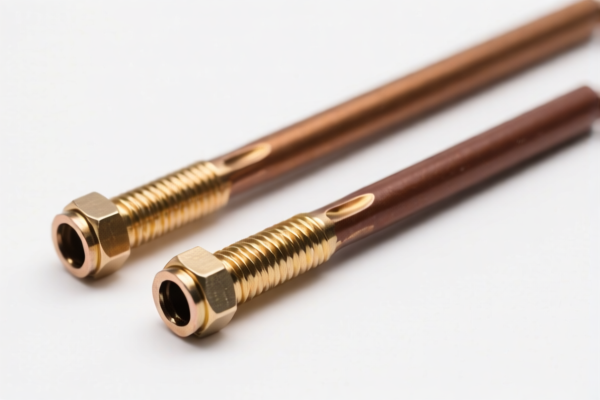
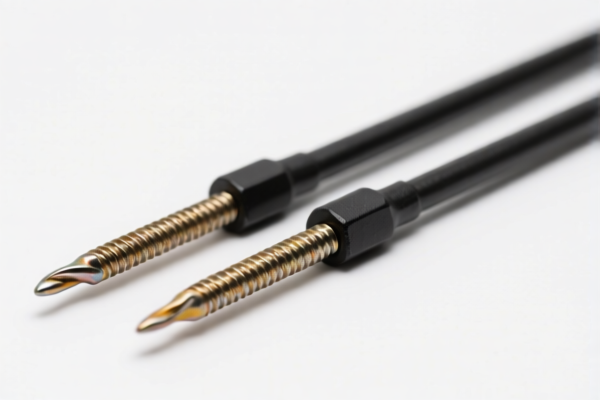
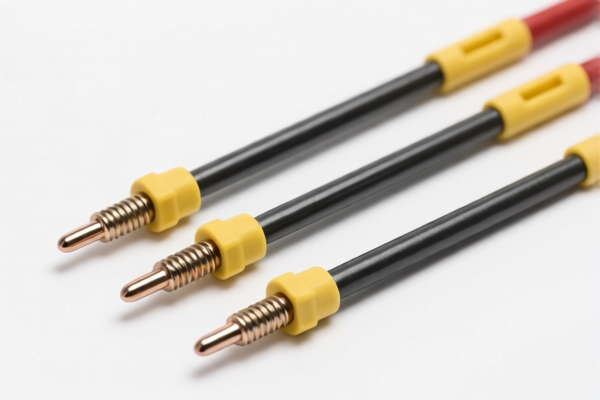
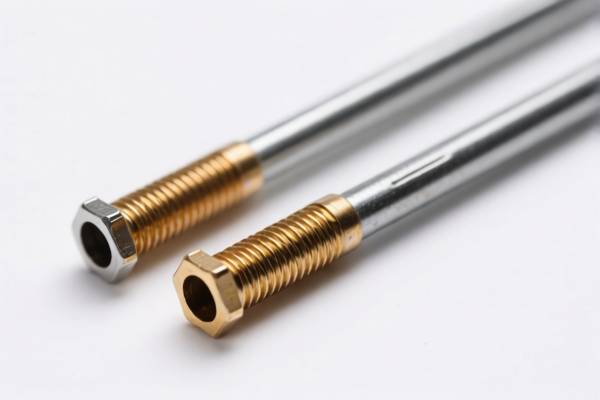
AI Analysis
🔩 Threaded Rod (Screws, Bolts, and Other Threaded Articles)
🌐 HS Code Reference & Customs Clearance Guide | 2026 Latest Tariff Analysis | Professional Clearance Strategy
📌 Part 1: Product Definition & Classification: Do You Really Understand "Threaded Rods"?
Threaded rods (also known as all-thread, stud bolts, or threaded bars) are essential fasteners used in construction, machinery, and industrial infrastructure. In international trade, they are classified based on their material composition and specific subtype.
Key Distinctions: 1. Iron/Steel Screws/Fasteners: The most common category for standard threaded rods made of ferrous metals. * HS Header: 7318.15 2. Base Metal Fasteners (Rivets/Other): Less common for rods, but applies if the item is classified under "other" base metal fasteners not covered by specific screw headings. * HS Header: 8308.20 (Note: Typically for rivets/nuts, but included in data for completeness). 3. Copper/Brass Fasteners: Threaded items made primarily of copper or having copper heads/tips. * HS Header: 7415.33
⚠️ Critical Differentiation Point:
- If the rod is Iron/Steel →归入 7318.15.20.xx (High Tax due to Section 232/301).
- If the rod is Copper → 归入 7415.33.xx (Even Higher Tax due to material-specific surcharges).
- Do NOT misclassify steel rods as "Other Base Metal" (8308) to avoid steel-specific tariffs; customs will reject this and reclassify, leading to penalties.
📦 Part 2: HS Code Classification Details (2026 Latest Tariff Authority Comparison)
| HS Code | Product Description | Material | Applicable Scenario |
|---|---|---|---|
7318.15.20.10 |
Screws, bolts, etc., threaded, of iron or steel, other than those of heading 7318.14 or 7318.15 | Iron/Steel | Standard steel threaded rods, high-strength bolts |
7318.15.20.95 |
Screws, bolts, etc., threaded, of iron or steel, other than those of heading 7318.14 or 7318.15 | Iron/Steel | Other steel threaded fasteners not specified in 7318.15.20.10 |
8308.20.60.00 |
Fasteners of base metal: Rivets | Base Metal | Non-steel, non-copper base metal fasteners (rare for rods, included for reference) |
7415.33.05.00 |
Screws, bolts, nuts, coach screws, washers and similar articles, of copper; having copper heads | Copper | Copper-threaded rods, brass rods with copper heads |
7415.33.80.10 |
Screws, bolts, nuts, coach screws, washers and similar articles, of copper; other | Copper | Other copper-threaded rods (bottom-up category) |
🔍 Key Reminder:
- Steel/Iron Items (7318): Subject to Base Tax + 25% (Section 301) + 10% (Section 122/IEEPA) + 50% (Section 232 Steel/Aluminum).
- Copper Items (7415): Subject to Base Tax + 25% (Section 301) + 10% (Section 122/IEEPA) + 50% (Section 232 Steel/Aluminum).
- Base Metal Items (8308): Subject to Base Tax + 25% (Section 301) + 10% (Section 122/IEEPA). Note: 50% surcharge does NOT apply to base metals under Section 232, which is why it is excluded in the 8308 tax detail.
💰 Part 3: 2026 Latest Tariff Rate Details (Including Surcharges & Policy Add-ons)
✅ Applicable Country: USA (US)
✅ Origin: China (CN)
✅ Effective Date: Post-2025 November 10 (including subsequent imports)
🎯 1. 7318.15.20.10 & 7318.15.20.95 —— Iron/Steel Threaded Rods
| Item | Content |
|---|---|
| Base Duty Rate | 0% (ad valorem) |
| USITC Add-on Tax (Section 301) | +25% |
| IEEPA Add-on Tax (Section 122/China-specific) | +10% |
| Section 232 Surcharge (Steel/Aluminum) | +50% |
| Total Duty Rate | 85.0% |
| Tax Calculation | CIF Value × 85% |
| De Minimis Eligibility | ❌ Not Eligible (deny_de_minimis) |
| Legal Basis Path | Section 232: Steel/Aluminum → Section 301: 9903.01.25 → Section 122: IEEPA → USITC:7318.15.20.xx |
📌 Explanation:
- Steel items are hit by FOUR layers of tariffs:
1. Base (0%)
2. Section 301 (25%) – Trump-era/Biden-era trade war tariff
3. IEEPA/Section 122 (10%) – China-specific emergency tariff
4. Section 232 (50%) – National security tariff on steel/aluminum
- Total 85% is extremely high. This makes importing steel threaded rods from China to the US prohibitively expensive without duty mitigation strategies.
🎯 2. 7415.33.05.00 & 7415.33.80.10 —— Copper/Copper-Head Threaded Rods
| Item | Content |
|---|---|
| Base Duty Rate | 3.0% (ad valorem) |
| USITC Add-on Tax (Section 301) | +25% |
| IEEPA Add-on Tax (Section 122/China-specific) | +10% |
| Section 232 Surcharge (Steel/Aluminum) | +50% |
| Total Duty Rate | 88.0% |
| Tax Calculation | CIF Value × 88% |
| De Minimis Eligibility | ❌ Not Eligible (deny_de_minimis) |
| Legal Basis Path | Section 232: Steel/Aluminum → Section 301: 9903.01.25 → Section 122: IEEPA → USITC:7415.33.xx |
📌 Note:
- Although the base rate is 3%, the 50% Section 232 surcharge applies to all steel, aluminum, and copper products deemed sensitive under trade policies in this context (as per provided data).
- Total 88% is even higher than steel due to the 3% base rate.
- Copper is often used for electrical conductivity or corrosion resistance. Misdeclaring copper as steel to avoid the 3% base is risky; however, the 50% surcharge still applies per the data provided.
🎯 3. 8308.20.60.00 —— Base Metal Fasteners (Rivets/Other)
| Item | Content |
|---|---|
| Base Duty Rate | 0.0% |
| USITC Add-on Tax (Section 301) | +25% |
| IEEPA Add-on Tax (Section 122/China-specific) | +10% |
| Section 232 Surcharge | Not Applicable (0%) |
| Total Duty Rate | 35.0% |
| Tax Calculation | CIF Value × 35% |
| De Minimis Eligibility | ❌ Not Eligible (deny_de_minimis) |
| Legal Basis Path | Section 301: 9903.01.25 → Section 122: IEEPA → USITC:8308.20.60.00 |
📌 Caution:
- This classification (8308) is for "Rivets" or "Other Base Metal Fasteners."
- Threaded rods are generally NOT rivets.
- If you misclassify a steel threaded rod as a rivet (8308) to save 50%, customs will likely reclassify it under 7318.15, backdate the tariff, and impose penalties.
- Only use this if the product is genuinely a rivet or a base metal fastener that does not fall under Chapter 73 (Iron/Steel).
🛠️ Part 4: Customs Clearance Practical Advice (Real-World Pitfall Avoidance)
✅ 1. Documentation Checklist (All Required)
| Document | Must Provide | Description |
|---|---|---|
| ✅ Product Specifications | ✔️ | Material (Steel Grade, Copper Alloy), Diameter, Length, Thread Type (UNC/UNF/Metric) |
| ✅ Material Test Report | ✔️ | Certificate of Analysis (CoA) confirming alloy content (e.g., 100% Copper vs. Steel) |
| ✅ Product Photos | ✔️ | Clear images showing markings, thread pitch, and head/shank |
| ✅ Commercial Invoice | ✔️ | Describe accurately: "Iron/Steel Threaded Rod, Grade 8.8" or "Copper Threaded Rod" |
| ✅ Packing List | ✔️ | Detail gross weight, net weight, and quantity |
| ✅ Origin Certificate | ✔️ | To prove CN origin (if applicable for surcharge calculation) |
✅ 2. Declaration Tips (Key Mantra)
🔥 "Material First, HS Code Second, Do Not Split, Do Not Lie!"
| Scenario | Correct Declaration | Wrong Approach |
|---|---|---|
| Steel Threaded Rod | 7318.15.20.10 (if standard) |
Misdeclare as "Copper" → Fraud/Smuggling |
| Copper Threaded Rod | 7415.33.80.10 |
Misdeclare as "Steel" → Risk of penalty if tested |
| Mixed Shipment (Steel+Copper) | Declare separately by HS Code | Mixed into one line item → Customs audit delay |
| Rivets | 8308.20.60.00 |
Call them "Nuts/Bolts" → Misclassification |
📌 Note:
- Ensure the Material Declaration on the invoice matches the Physical Product.
- Customs labs will perform XRF (X-ray Fluorescence) tests. If you declare "Steel" but it's "Copper," or vice versa, you will face fines.
✅ 3. Special Handling Cases
| Case | Handling Advice |
|---|---|
| Coated Rods (Galvanized/Zinc Plated) | Still classified under 7318.15. Coating does not change the base material classification. |
| Stainless Steel Rods | If stainless steel, check if it falls under 7318.15 or 7318.22 (Nuts/Bolts). Standard threaded rods are usually 7318.15. |
| Threaded Rods for Electrical Use | If copper, classify under 7415.33. Do not try to classify as "Electrical Parts" (8544) unless they are insulated cables. |
| Large Diameter Rods | May be classified as "Bars" (7214/7222) if not threaded. But if threaded, it is 7318. |
🌍 Part 5: Global Market Comparison (2026 Latest)
| Country/Region | Recommended HS Code | Tariff (CN Origin) | Certification Required | Remarks |
|---|---|---|---|---|
| 🇺🇸 USA | 7318.15.20.xx (Steel) |
85% | N/A | Highest tariff globally due to Section 232/301/122 |
| 🇺🇸 USA | 7415.33.xx (Copper) |
88% | N/A | Even higher due to base rate + surcharges |
| 🇨🇳 China | 7318.15.20.xx |
5-10% | CCC (if applicable) | No US-style surcharges |
| 🇪🇺 EU | 7318.15.20.xx |
6-12% | CE (if structural) | No Section 232 equivalent, but anti-dumping may apply |
| 🇬🇧 UK | 7318.15.20.xx |
6-12% | UKCA | Post-Brexit tariff regime |
📌 Conclusion:
- USA is the most expensive market for importing threaded rods from China due to multiple overlapping tariffs.
- Steel and Copper items are heavily penalized.
- Base metal non-steel/aluminum items (8308) are cheaper (35%), but only if genuinely not steel/aluminum/copper.
📌 Part 6: Common Mistakes & Pitfall Guide (Blood & Tears Lessons)
❌ Mistake 1: Declaring Steel Threaded Rods as Rivets (8308)
👉 Consequence: Customs reclassifies to 7318.15, charges 85%, plus penalties and potential seizure.
👉 Why: Rivets are non-threaded fasteners. Threaded rods are explicitly excluded from 8308.
❌ Mistake 2: Declaring Copper Rods as Steel
👉 Consequence: If the 3% base rate difference is small, it might seem beneficial, but customs tests will reveal copper.
👉 Result: Fraud charges, higher total tax (85% vs 88% is negligible, but integrity is key).
❌ Mistake 3: Ignoring Section 232
👉 Consequence: Assuming only 25%+10%=35% tax.
👉 Reality: 50% Section 232 applies to steel/aluminum/copper in this dataset. Total is 85-88%.
✅ Correct Approach:
"Steel Threaded Rod, Grade 8.8, Zinc Plated, Diameter 12mm, Length 1m" → HS: 7318.15.20.10
"Copper Threaded Rod, Pure Copper, Diameter 10mm" → HS: 7415.33.80.10
🎯 Part 7: Conclusion: Professional Declaration Saves Money!
🎯 Remember the Mantra:
🔹 "Steel/Copper = 85-88% Tax"
🔹 "Section 232 is Real, Don't Ignore It"
🔹 "Misclassification is Costly, Be Accurate"
🔹 "If Not Steel/Aluminum/Copper, Check 8308 (35%), But Ensure It's Not a Rod"
📌 Tips:
- If your threaded rods are stainless steel, ensure they are classified correctly under 7318.15 (not 7222 bars).
- Duty Mitigation: Consider sourcing from non-China countries (e.g., Vietnam, Mexico) to avoid IEEPA (10%) and potentially Section 301 (25%), though Section 232 (50%) for steel may still apply depending on origin rules.
- Pre-Ruling: Apply for a Binding Tariff Information (BTI) or US Custom Ruling before large shipments.
📣 Immediate Action:
📞 Contact a licensed customs broker + Provide Material Test Reports + Confirm HS Code
🚀 Ensure your threaded rods clear customs smoothly, avoid unexpected 85%+ taxes!
✨ Professional Clearance Starts with Accurate Classification!
💼 Every cent of tax matters in global trade!
Customer Reviews
About HS Code Classification
The Harmonized System (HS) is an internationally standardized nomenclature developed by the World Customs Organization (WCO) to classify traded products. Over 200 countries use the HS system as the basis for customs tariffs, trade statistics, and import/export regulations.
Each HS code follows a hierarchical structure:
- Chapter (2 digits) — Broad category of goods (e.g., Chapter 84: Machinery and Mechanical Appliances)
- Heading (4 digits) — More specific grouping within the chapter
- Subheading (6 digits) — Internationally standardized breakdown, used by all WCO member countries
- National subdivisions (8-10 digits) — Country-specific extensions for further classification, such as US HTSUS 10-digit codes
Correct HS code classification is essential for smooth customs clearance, accurate duty payment, and compliance with trade regulations. Misclassification can lead to customs delays, overpayment of duties, or penalties.
When importing from CN to US, the applicable tariff rates may include:
- Most-Favored-Nation (MFN) rate — The standard duty rate applied to WTO members
- General rate — Applied to countries without trade agreements
- Trade remedy duties — Additional tariffs such as Section 301 (anti-dumping), Section 232 (national security), or countervailing duties
The information provided on this page is for reference purposes only. For official classification, please consult with your local customs authority or a licensed customs broker.