Threading Toy
CN → US| HS Code | Tariff Rate | Origin | Destination | Doc |
|---|---|---|---|---|
| 9503000073 | 10.0% | CN | US | Official Doc |
| 9503000071 | 10.0% | CN | US | Official Doc |
| 3926909989 | 22.8% | CN | US | Official Doc |
| 3926909905 | 22.8% | CN | US | Official Doc |
| 9503000073 | 10.0% | CN | US | Official Doc |
Product Images
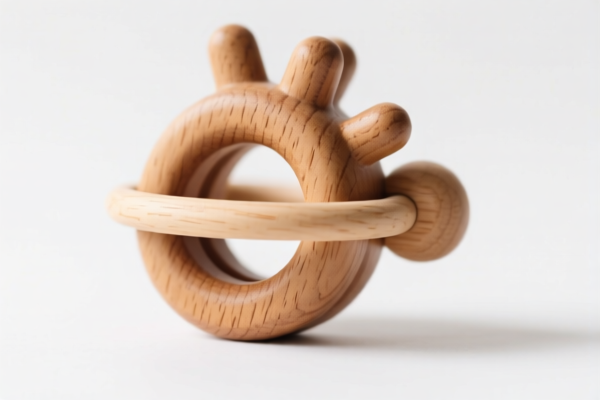
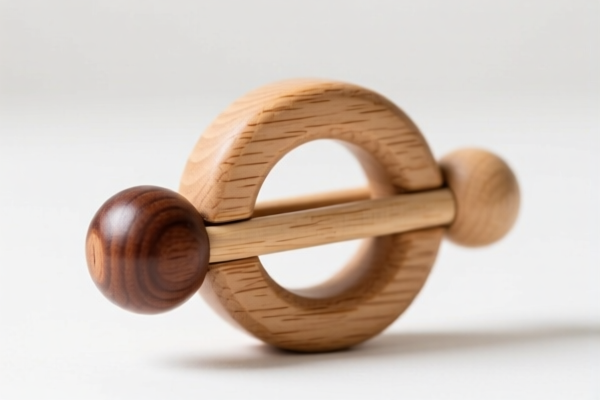
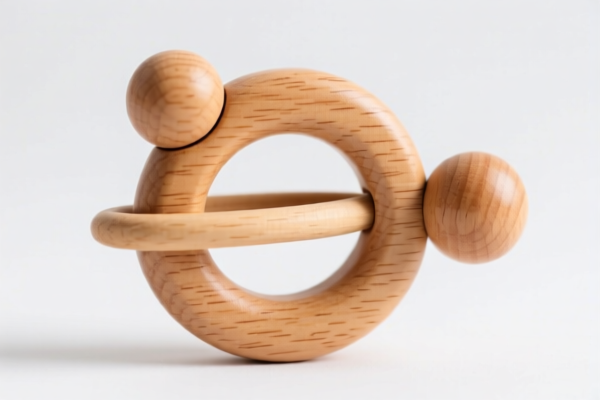
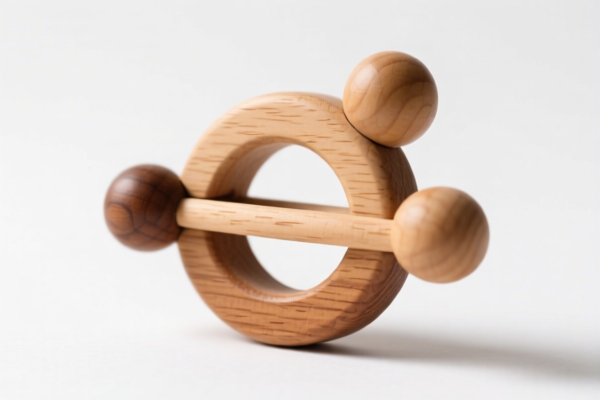
AI Analysis
🧸 Threading Toy (拉绳玩具) Classification & Customs Clearance Guide
🌐 HS Code Reference & Clearance Strategy | 2026 Latest Tariff Analysis
📌 Key Insight: The classification of "Threading Toys" hinges on two critical factors: Material Composition and Functional Definition. Misclassification can lead to significant tariff disparities (from 10% to 22.8%) and potential customs delays.
📦 II. HS Code Classification Details (Based on Provided Data)
According to the provided data, "Threading Toys" are classified into four specific HS Codes depending on their material and structural characteristics.
| HS Code | Summary of Reasoning | Total Tax Rate | Tax Detail Breakdown |
|---|---|---|---|
| 9503.00.00.73 | Classified as a toy due to its name containing "Toy" which fits the 9503 usage definition. It belongs to the "Other" category with no clear material conflict. | 10.0% | Base Duty: 0.0%, Section 301/Additional: 0.0%, Section 122 Tariff: 10% |
| 9503.00.00.71 | Classified as a toy because "Toy" matches the Toys usage, and "Threading" is a common interactive design with no material or shape conflict. | 10.0% | Base Duty: 0.0%, Section 301/Additional: 0.0%, Section 122 Tariff: 10% |
| 3926.90.99.89 | Classified under plastics because the material is inferred to be mostly plastic, fitting the characteristics of plastic products and belonging to "Other articles not elsewhere specified." | 22.8% | Base Duty: 5.3%, Section 301/Additional: 7.5%, Section 122 Tariff: 10% |
| 3926.90.99.05 | Classified as fully plastic, fitting the logic of elastic/belt-like extension uses, with no material or shape conflict. | 22.8% | Base Duty: 5.3%, Section 301/Additional: 7.5%, Section 122 Tariff: 10% |
🔍 Critical Distinction: - Chapters 95 (Toys): If the item is primarily defined as a toy (intended for play, recreational use), it falls under 9503.00.00.71/73. This is the most common classification for consumer threading toys. - Chapter 39 (Plastics): If the item is deemed primarily a plastic article (not clearly a toy, or lacking specific toy features), it falls under 3926.90.99.05/89. This results in a much higher tax burden.
💰 III. 2026 Latest Tariff Rate详解 (Including Surcharges)
✅ Applicable Country: United States (US)
✅ Origin: China (CN) (Implied by Section 122 & 301 tariffs)
✅ Effective Date: Current regulations apply
🎯 Scenario A: Classification as Toy (HS Code 9503.00.00.71 / 73)
| Item | Content |
|---|---|
| Base Duty | 0.0% (ad valorem) |
| Section 301 Additional Duty | 0.0% |
| Section 122 Tariff | +10.0% |
| Total Effective Rate | 10.0% |
| Tax Calculation | CIF Value × 10% |
| De Minimis Exemption | ❌ Not Applicable (Section 122 tariffs typically exclude de minimis benefits for this category) |
📌 Explanation:
- The 10% Section 122 Tariff is the primary cost driver for toys.
- Unlike many electronics, standard toys under 9503 do not currently carry the 25% Section 301 tariff (hence the 0% additional duty).
- Total Cost Impact: Only 10% duty, making this the cost-effective classification if the product can be proven as a toy.
🎯 Scenario B: Classification as Plastic Article (HS Code 3926.90.99.05 / 89)
| Item | Content |
|---|---|
| Base Duty | 5.3% |
| Section 301 Additional Duty | +7.5% |
| Section 122 Tariff | +10.0% |
| Total Effective Rate | 22.8% |
| Tax Calculation | CIF Value × 22.8% |
| De Minimis Exemption | ❌ Not Applicable |
📌 Explanation:
- If customs determines the item is a plastic product rather than a toy, you face three layers of taxation:
1. Base Duty (5.3%)
2. Section 301 (7.5%)
3. Section 122 (10%)
- Total Cost Impact: 22.8%, which is more than double the toy classification.
- Risk: High potential for underpayment penalties if misclassified.
🛠️ IV. Customs Clearance Practical Advice (Avoiding Pitfalls)
✅ 1. Essential Documentation Checklist
| Document | Required | Description |
|---|---|---|
| ✅ Product Specification Sheet | ✔️ | Clearly state intended use (e.g., "Educational toy for children aged 3+"). |
| ✅ Product Photos | ✔️ | Show interactive elements (beads, string, handles) to prove "toy" nature. |
| ✅ Material Composition | ✔️ | Specify materials (e.g., "Plastic beads on nylon string"). |
| ✅ Safety Certifications | ✔️ | ASTM F963 (US), CPSIA compliance documents. |
| ✅ Commercial Invoice | ✔️ | Use precise language: "Plastic Threading Toy for Children" (Avoid just "Plastic Accessories"). |
✅ 2. Classification Strategy: How to Avoid the 22.8% Trap
| Situation | Correct Declaration | Consequence of Error |
|---|---|---|
| Standard Children's Toy | 9503.00.00.71/73 | Avoid 22.8% rate. |
| Decorative Plastic String | 3926.90.99.89/05 | If declared as toy, risk of penalty. |
| Educational Kit with Multiple Parts | 9503.00.00.71 | Emphasize "Toy" function in description. |
🔥 Key Tip:
- Always declare as "Toy" if the product is designed for play.
- Use keywords like "Play," "Educational," "Interactive," "Children’s Toy" in the description.
- Avoid generic terms like "Plastic Parts" or "Fasteners" which trigger Chapter 39.
✅ 3. Special Considerations
| Case | Recommendation |
|---|---|
| Mixed Materials (e.g., Wood Beads + String) | Still falls under 9503 if primarily a toy. Provide material breakdown. |
| Large Industrial Plastic Cables | Likely 3926.90.99.89 (not a toy). Ensure accurate material declaration. |
| Samples for Testing | Even samples are subject to Section 122 tariffs. No de minimis exemption. |
🌍 V. Global Market Comparison (2026)
| Country/Region | Recommended HS Code | Tariff (China Origin) | Key Certification | Notes |
|---|---|---|---|---|
| 🇺🇸 USA | 9503.00.00.71/73 |
10% (Section 122) | CPSIA, ASTM F963 | Avoid 3926 (22.8%) |
| 🇪🇺 EU | 9503.00.00 |
4.7% | CE, EN71 | No Section 122/301 |
| 🇨🇳 China | 9503.00.00 |
9% | CCC (if applicable) | Standard toy duty |
| 🇬🇧 UK | 9503.00.00 |
0% (Post-Brexit Trade Deal) | UKCA | Preferential rates may apply |
📌 Conclusion:
- The USA has the most complex tariff structure for toys due to Section 122.
- Correct classification is critical to save 12.8% in duties.
- Always prioritize "Toy" classification for children’s items.
📌 VI. Common Mistakes & Pitfalls (Lessons Learned)
❌ Mistake 1: Declaring as "Plastic Beads" or "Cord Set"
👉 Result: HS Code 3926.90.99.89 → 22.8% Tax instead of 10%.
👉 Fix: Describe as "Threading Toy for Educational Play."
❌ Mistake 2: Omitting Safety Certifications
👉 Result: Customs hold, potential return, or seizure.
👉 Fix: Always attach CPSIA/ASTM F963 compliance docs.
❌ Mistake 3: Using Generic Terms like "Accessories"
👉 Result: Ambiguity leads to higher duty classification.
👉 Fix: Use specific terms: "Children’s Toy," "Play Item."
✅ Best Practice Declaration Example:
"Plastic Threading Toy for Children, Educational Purpose, Ages 3+, ASTM F963 Compliant, Model No. XYZ"
🎯 VII. Conclusion: Precision Saves Money!
🎯 Remember:
🔹 "Toy = 10%, Plastic = 22.8%"
🔹 "Describe as Toy, Declare as Toy, Save 12.8%"
🔹 "Section 122 applies to all toys, but Chapter 39 adds extra penalties!"
📌 Pro Tip:
If you are unsure about the classification, request a Binding Ruling from US Customs and Border Protection (CBP) before shipment. This ensures legal certainty and avoids surprise tariffs.
📣 Immediate Action:
📞 Consult a Customs Broker + Provide Product Photos + Clarify Intended Use
🚀 Classify Correctly, Clear Customs Smoothly, Maximize Profits!
✨ Professional Clearance Starts with Accurate Classification!
💼 Every Percent Saved is Pure Profit!
Customer Reviews
About HS Code Classification
The Harmonized System (HS) is an internationally standardized nomenclature developed by the World Customs Organization (WCO) to classify traded products. Over 200 countries use the HS system as the basis for customs tariffs, trade statistics, and import/export regulations.
Each HS code follows a hierarchical structure:
- Chapter (2 digits) — Broad category of goods (e.g., Chapter 84: Machinery and Mechanical Appliances)
- Heading (4 digits) — More specific grouping within the chapter
- Subheading (6 digits) — Internationally standardized breakdown, used by all WCO member countries
- National subdivisions (8-10 digits) — Country-specific extensions for further classification, such as US HTSUS 10-digit codes
Correct HS code classification is essential for smooth customs clearance, accurate duty payment, and compliance with trade regulations. Misclassification can lead to customs delays, overpayment of duties, or penalties.
When importing from CN to US, the applicable tariff rates may include:
- Most-Favored-Nation (MFN) rate — The standard duty rate applied to WTO members
- General rate — Applied to countries without trade agreements
- Trade remedy duties — Additional tariffs such as Section 301 (anti-dumping), Section 232 (national security), or countervailing duties
The information provided on this page is for reference purposes only. For official classification, please consult with your local customs authority or a licensed customs broker.