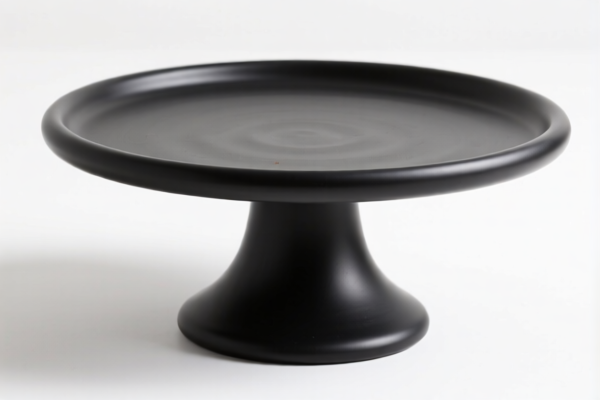
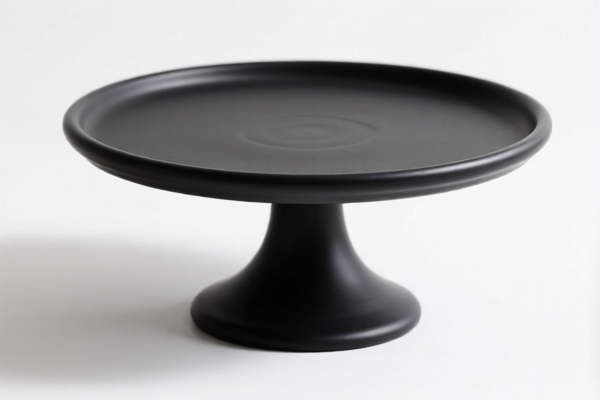
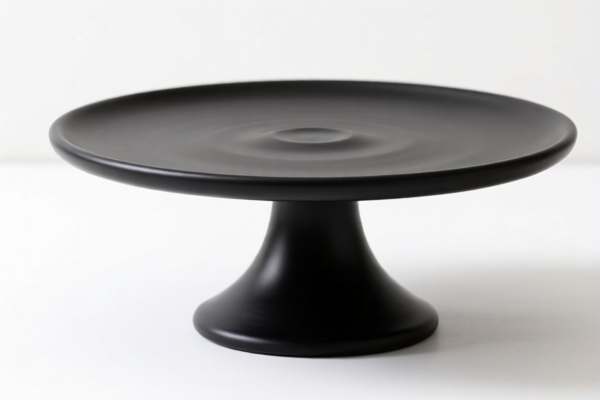
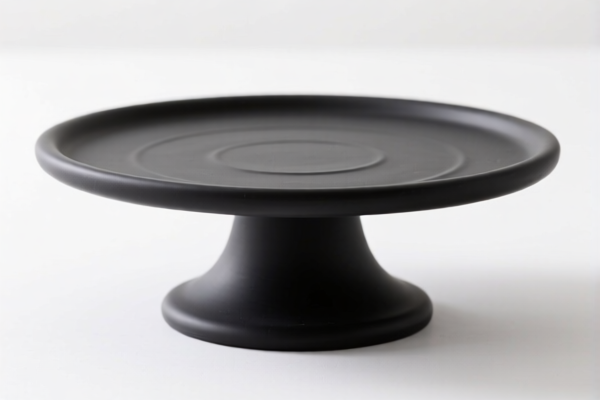
Three tier Cake Display Stand
CN → US| HS Code | Tariff Rate | Origin | Destination | Doc |
|---|---|---|---|---|
| 7615109100 | 70.6% | CN | US | Official Doc |
| 3924104000 | 13.4% | CN | US | Official Doc |
| 6911108010 | 38.3% | CN | US | Official Doc |
| 6911104100 | 16.3% | CN | US | Official Doc |
| 3924103000 | 22.8% | CN | US | Official Doc |
Product Images
AI Analysis
🎂 Three-Tier Cake Display Stand (Cake Tower)
🌐 HS Code Reference & Clearance Guide | 2026 Latest Tariff Analysis | Professional Entry Strategy
📌 I. Product Definition & Classification: Do You Really Know What You’re Shipping?
A Three-Tier Cake Display Stand is a household item used for displaying or serving desserts, cakes, and pastries. In international trade, the classification depends heavily on the material of the stand (Aluminum, Plastic, Porcelain, etc.) and its specific features (e.g., non-stick coating, enameled finish).
Since the input "Three tier Cake Display Stand" is generic, it can fall into four different HS Codes based on material and finish. Below is the authoritative breakdown for each possible scenario.
📦 II. HS Code Classification Details (2026 Latest Tariff Authority Comparison)
| HS Code | Product Description | Material | Key Features / Finishes |
|---|---|---|---|
7615.10.91.00 |
Table, kitchen or other household articles... of aluminum; Other | Aluminum | No specific enamel/glaze mentioned; General aluminum kitchenware. |
7615.10.71.80 |
Cooking and kitchen ware: Not enameled or glazed and not containing nonstick interior finishes | Aluminum | Specific aluminum cookware/display ware without non-stick coating or enamel. |
3924.10.40.00 |
Tableware and kitchenware: Other | Plastic | Generic plastic cake stands, trays, or holders. |
3924.10.30.00 |
Tableware and kitchenware: Trays | Plastic | Specifically classified as "Trays" (if the tiered structure is considered a tray assembly). |
6911.10.41.00 |
Tableware and kitchenware: Other... Steins with... tiered servers... | Porcelain/China | High-end porcelain tiered servers, candy boxes, punch bowls, etc. |
6911.10.80.10 |
Tableware and kitchenware: Other... Suitable for food or drink contact | Porcelain/China | Other porcelain/ceramic food-contact items not specifically listed above. |
🔍 Critical Distinction Point:
- Aluminum: If it’s aluminum, check for non-stick coating or enamel.
- No coating/enamel →7615.10.71.80
- General other aluminum household items →7615.10.91.00
- Plastic: Is it a "Tray" structure or general "Other" tableware?
- General plastic cake stand →3924.10.40.00
- If classified strictly as a tray assembly →3924.10.30.00
- Porcelain/Ceramic: Is it a fancy "Tiered Server" for formal use?
- Fancy tiered server →6911.10.41.00
- General ceramic food contact item →6911.10.80.10
💰 III. 2026 Latest Tariff Rate Breakdown (Including Additional Taxes & Policy Surcharges)
✅ Applicable Country: United States (US)
✅ Origin: China (CN)
✅ Effective Date: From November 10, 2025 (and subsequent imports)
🎯 1. 7615.10.91.00 —— Aluminum Household Articles (Other)
| Item | Content |
|---|---|
| Base Tariff | 3.1% |
| Additional Tariff (Section 301) | 7.5% |
| Steel/Aluminum/Copper Surcharge | 50% |
| Total Tariff Rate | 60.6% |
| Tax Calculation | CIF Value × 60.6% |
| De Minimis Exemption Available? | ❌ No |
| Legal Basis Path | Base Rate + 301 + Steel/Aluminum Surcharge |
📌 Explanation:
- Aluminum kitchenware and household articles from China face a massive 50% surcharge under specific trade measures. - Combined with the base 3.1% and Section 301 additional 7.5%, the total landed duty is 60.6%. This is extremely high and significantly impacts profit margins.
🎯 2. 7615.10.71.80 —— Aluminum Cooking/Kitchen Ware (No Non-Stick/Enamel)
| Item | Content |
|---|---|
| Base Tariff | 3.1% |
| Additional Tariff (Section 301) | 0.0% |
| Steel/Aluminum/Copper Surcharge | 50% |
| Total Tariff Rate | 53.1% |
| Tax Calculation | CIF Value × 53.1% |
| De Minimis Exemption Available? | ❌ No |
| Legal Basis Path | Base Rate + Steel/Aluminum Surcharge |
📌 Note:
- Unlike general aluminum household items, this specific sub-category does not carry the Section 301 7.5% surcharge, but it still carries the 50% Aluminum Surcharge. - Total rate is 53.1%, slightly lower than the 60.6% for other aluminum items, but still very high.
🎯 3. 3924.10.40.00 —— Plastic Tableware/Kitchenware (Other)
| Item | Content |
|---|---|
| Base Tariff | 3.4% |
| Additional Tariff (Section 301) | 0.0% |
| Total Tariff Rate | 3.4% |
| Tax Calculation | CIF Value × 3.4% |
| De Minimis Exemption Available? | ❓ Check Specific Policy (Generally low risk for low-value items, but not exempt under steel/aluminum rules) |
| Legal Basis Path | Base Rate Only |
📌 Advantage:
- Plastic cake stands enjoy a very low tariff of 3.4% with no additional Section 301 or metal surcharges. - This is the most cost-effective material for export to the US if the product allows.
🎯 4. 3924.10.30.00 —— Plastic Trays
| Item | Content |
|---|---|
| Base Tariff | 5.3% |
| Additional Tariff (Section 301) | 7.5% |
| Total Tariff Rate | 12.8% |
| Tax Calculation | CIF Value × 12.8% |
| De Minimis Exemption Available? | ❓ Check Specific Policy |
| Legal Basis Path | Base Rate + Section 301 |
📌 Note:
- If customs classifies your plastic cake stand as a "Tray" rather than "Other Tableware," the cost increases to 12.8%. - Still significantly cheaper than aluminum options.
🎯 5. 6911.10.41.00 —— Porcelain Tiered Servers (Specialty)
| Item | Content |
|---|---|
| Base Tariff | 6.3% |
| Additional Tariff (Section 301) | 0.0% |
| Total Tariff Rate | 6.3% |
| Tax Calculation | CIF Value × 6.3% |
| De Minimis Exemption Available? | ❓ Check Specific Policy |
| Legal Basis Path | Base Rate Only |
📌 Advantage:
- Porcelain "Tiered Servers" (like fancy punch bowls or candy boxes) have a low 6.3% tariff with no additional surcharges. - Suitable for high-end, decorative cake displays.
🎯 6. 6911.10.80.10 —— Other Porcelain/Ceramic Food Contact Items
| Item | Content |
|---|---|
| Base Tariff | 20.8% |
| Additional Tariff (Section 301) | 7.5% |
| Total Tariff Rate | 28.3% |
| Tax Calculation | CIF Value × 28.3% |
| De Minimis Exemption Available? | ❌ No (High value risk) |
| Legal Basis Path | Base Rate + Section 301 |
📌 Warning:
- If the porcelain item is not classified as a specific "Tiered Server" but as a general food-contact ceramic, the tariff jumps to 28.3%. - Ensure precise product description to aim for6911.10.41.00if possible.
🛠️ IV. Customs Clearance Practical Advice (Avoid Pitfalls)
✅ 1. Documentation Checklist (Mandatory)
| Document | Required? | Description |
|---|---|---|
| ✅ Product Specifications | ✔️ | Material (Aluminum/Plastic/Porcelain), Dimensions, Number of Tiers. |
| ✅ Material Composition Statement | ✔️ | Explicitly state "100% Aluminum," "Food-Grade Plastic," etc. |
| ✅ Product Photos | ✔️ | Clear images of the stand, showing no non-stick coating (if applicable for aluminum). |
| ✅ Commercial Invoice | ✔️ | Accurate description: "Plastic Cake Display Stand" or "Aluminum Tiered Server." |
| ✅ Packing List | ✔️ | Details on packaging to ensure stability during transit. |
| ✅ FDA Compliance (if applicable) | ✔️ | For food-contact items, ensure compliance with US FDA regulations. |
✅ 2. Declaration Tips (Key Mnemonics)
🔥 "Material First, Finish Second, Name Precise, Tax Minimized!"
| Scenario | Correct Declaration | Wrong Practice |
|---|---|---|
| Aluminum Stand | "Aluminum Cake Stand, Uncoated" → 7615.10.71.80 (53.1%) |
Claiming "No Surcharge" → Risk of penalty. |
| Plastic Stand | "Plastic Tableware, Cake Stand" → 3924.10.40.00 (3.4%) |
Declaring as "Tray" → 12.8% (Higher cost). |
| Porcelain Stand | "Porcelain Tiered Server" → 6911.10.41.00 (6.3%) |
Declaring as "Ceramic Dish" → 28.3% (Much higher). |
| Mixed Materials | Separate components if possible | Mixed declaration → Complex classification risk. |
📌 Key Reminder:
- Aluminum is expensive: Any aluminum household item faces a 50% surcharge. If possible, consider plastic or porcelain alternatives for cost-saving. - Plastic is cheapest: Plastic cake stands have the lowest tariff (3.4%-12.8%). - Porcelain is moderate: Fancy porcelain servers are taxed at 6.3%, while general ceramics are 28.3%.
✅ 3. Special Cases
| Case | Handling Suggestion |
|---|---|
| Non-Stick Aluminum | If the aluminum stand has a non-stick coating, it may not fit 7615.10.71.80. Consult a customs broker for accurate classification. |
| OEM/Custom Design | Provide design blueprints to prove it's a "Tiered Server" (for porcelain) or "Kitchen Ware" (for aluminum). |
| Sample vs. Bulk | Samples under $800 may qualify for de minimis exemption in some cases, but aluminum goods often face stricter scrutiny. |
🌍 V. Global Market Clearance Comparison (2026 Latest)
| Country/Region | Recommended HS Code | Tariff (China Origin) | Certification Requirements | Notes |
|---|---|---|---|---|
| 🇺🇸 USA | 3924.10.40.00 (Plastic) |
3.4% | FDA | Avoid Aluminum due to 50% surcharge. |
| 🇪🇺 EU | 3924.10.40.00 (Plastic) |
6.5% | CE, LFGB | No Section 301 surcharges. |
| 🇨🇳 China | 3924.10.40.00 (Plastic) |
6.5% | None | Export duty may apply. |
| 🇬🇧 UK | 3924.10.40.00 (Plastic) |
6.5% | UKCA | Post-Brexit rules apply. |
📌 Conclusion:
- USA is the most challenging market due to steel/aluminum surcharges. - Plastic is the safest and most cost-effective material for the US market. - Aluminum should be avoided or priced accordingly due to the 50%+ total tariff.
📌 VI. Common Mistakes & Pitfalls (Lessons Learned)
❌ Mistake 1: Declaring Aluminum Cake Stands as "Household Articles" without mentioning material
👉 Consequence: Customs may reclassify and apply 50% surcharge + penalties.
❌ Mistake 2: Declaring Plastic Cake Stands as "Aluminum" (Misdeclaration)
👉 Consequence: Heavy fines and potential legal action for fraud.
❌ Mistake 3: Ignoring FDA Requirements for Food-Contact Items
👉 Consequence: Shipment detained or destroyed at US port.
✅ Correct Approach:
"Plastic Cake Display Stand, 3-Tier, Food-Grade, Model XYZ, FDA Compliant"
🎯 VII. Conclusion: Professional Declaration, Cost Optimization!
🎯 Key Takeaways:
🔹 "Aluminum Tax is High: 50% Surcharge on Top!"
🔹 "Plastic is Cheap: 3.4% Tariff, Safe Choice!"
🔹 "Porcelain is Elegant: 6.3% for Tiered Servers, 28.3% for Others."📌 Pro Tip:
If you are exporting from China to the US, switch to Plastic or Porcelain to save on tariffs. If you must use Aluminum, ensure the price includes the 60.6% total duty.
📣 Immediate Action:
📞 Contact a Customs Broker
📄 Provide Product Specifications
🚀 Optimize Your Supply Chain for 2026 Tariffs!
✨ Professional Clearance, Starting with Accurate Classification!
💼 Every Dollar Saved is a Dollar Earned!
Customer Reviews
About HS Code Classification
The Harmonized System (HS) is an internationally standardized nomenclature developed by the World Customs Organization (WCO) to classify traded products. Over 200 countries use the HS system as the basis for customs tariffs, trade statistics, and import/export regulations.
Each HS code follows a hierarchical structure:
- Chapter (2 digits) — Broad category of goods (e.g., Chapter 84: Machinery and Mechanical Appliances)
- Heading (4 digits) — More specific grouping within the chapter
- Subheading (6 digits) — Internationally standardized breakdown, used by all WCO member countries
- National subdivisions (8-10 digits) — Country-specific extensions for further classification, such as US HTSUS 10-digit codes
Correct HS code classification is essential for smooth customs clearance, accurate duty payment, and compliance with trade regulations. Misclassification can lead to customs delays, overpayment of duties, or penalties.
When importing from CN to US, the applicable tariff rates may include:
- Most-Favored-Nation (MFN) rate — The standard duty rate applied to WTO members
- General rate — Applied to countries without trade agreements
- Trade remedy duties — Additional tariffs such as Section 301 (anti-dumping), Section 232 (national security), or countervailing duties
The information provided on this page is for reference purposes only. For official classification, please consult with your local customs authority or a licensed customs broker.