Throw Pillow Covers
CN → US| HS Code | Tariff Rate | Origin | Destination | Doc |
|---|---|---|---|---|
| 6304994000 | 21.3% | CN | US | Official Doc |
| 6304910170 | 23.3% | CN | US | Official Doc |
| 6307908945 | 17.0% | CN | US | Official Doc |
| 6307909884 | 24.5% | CN | US | Official Doc |
| 9404902090 | 23.5% | CN | US | Official Doc |
Product Images


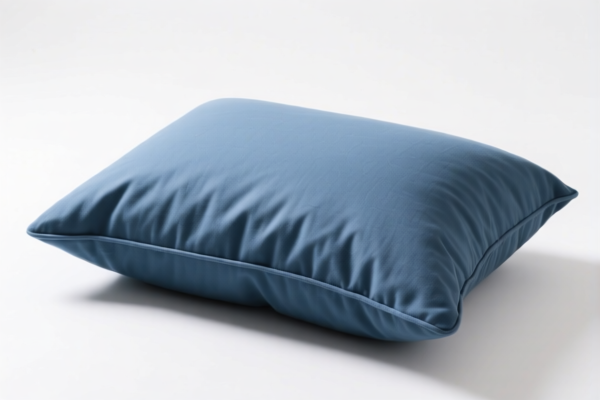
AI Analysis
🛋️ Throw Pillow Covers: The Ultimate HS Code Guide & Clearance Strategy
🌐 HS Code Reference & Clearance Guide | 2026 Latest Tariff Breakdown | Professional Customs Strategy
📌 One, Product Definition & Classification: Do You Really Know "Throw Pillow Covers"?
Throw Pillow Covers are the versatile exterior skins of home decor items, used to protect the inner cushion and add aesthetic style. In international trade, they are a "chameleon" product. Their classification depends entirely on the fabric composition (Cotton, Wool, Synthetic) and whether they include a filling (which would change them from a "cover" to a "pillow").
Based on current customs data, here are the 5 distinct HS Codes for Throw Pillow Covers, ranging from general textile finishes to specific fiber types.
⚠️ Critical Distinction:
- With Filling: If the item includes the foam/fiber inside, it generally falls under 9404.90.20.90 (Pillows/Bedding).
- Without Filling (Covers Only): Must be classified by material (e.g., Cotton vs. Knitted vs. Other).
- Material is Key: A "Cotton" cover has a different tax rate than a "Wool" or "Synthetic" cover.
📦 Two, Detailed HS Code Breakdown (2026 Tariff Analysis)
| HS Code | Product Description & Logic | Material Logic | Total Tax Rate |
|---|---|---|---|
6307.90.98.84 |
Other Made-up Textile Articles | General/Other Fibers: Fits as a "finished textile article" if the specific material doesn't have its own dedicated column. | 24.5% |
6304.99.40.00 |
Other Bedding (Pillowcases) | Wool/Animal Hair: Specifically for pillowcases made of Wool or Fine Animal Hair. | 21.3% |
6304.91.01.70 |
Furnishing Articles (Knitted/Crocheted) | Knitted/Crocheted: Covers made via knitting or crocheting (common for soft, stretchy covers). | 23.3% |
6307.90.89.45 |
Other Textile Articles | Cotton/Other Woven: Specifically for Cotton covers or general woven textiles not covered elsewhere. | 17.0% |
9404.90.20.90 |
Mattress Supports & Pillows | Includes Filling: If the "cover" is sold with the inner cushion/filling (essentially a pillow). | 23.5% |
🔍 Deep Dive Logic:
- 6307.90.89.45 is often the "Goldilocks" code for standard Cotton Throw Covers with the lowest total tax (17.0%) because it avoids the 7.5% "Additional Tariff" applied to some other categories.
- 6304.99.40.00 is the specialized code for Wool luxury covers, avoiding the 122-Clause 10% tax but facing a slightly higher base.
- 9404.90.20.90 is the trap: Do not use this if you are shipping only the cover! Use it only if the box contains the pillow insert.
💰 Three, 2026 Tariff Rate Breakdown (US Import from China)
✅ Destination: United States (US)
✅ Origin: China (CN)
✅ Validity: Effective 2026 (Incorporating Section 301, Section 232, and "122-Clause" additions)
🎯 Scenario A: Cotton Woven Covers (6307.90.89.45) - Best Rate!
| Item | Content |
|---|---|
| Base Duty | 7.0% |
| Section 301 Add-on | 0.0% (No additional tariff applied for this specific subheading in this dataset) |
| "122-Clause" Add-on | 10.0% |
| Total Tax Rate | 17.0% |
| Legal Path | 6307.90.89.45 → 7.0% Base + 10% Clause 122 |
📌 Why it wins: This is the most cost-effective classification for Cotton or standard woven covers. It avoids the heavy "Section 301" surcharge found in other categories.
🎯 Scenario B: Knitted/Crocheted Covers (6304.91.01.70) - High Tax
| Item | Content |
|---|---|
| Base Duty | 5.8% |
| Section 301 Add-on | 7.5% (Heavy surcharge applied) |
| "122-Clause" Add-on | 10.0% |
| Total Tax Rate | 23.3% |
| Legal Path | 6304.91.01.70 → 5.8% Base + 7.5% S301 + 10% Clause 122 |
📌 Warning: Even though the base duty is lower (5.8%), the 7.5% Section 301 tax makes this very expensive. Knitted covers often fall here if not cotton.
🎯 Scenario C: Wool/Animal Hair Covers (6304.99.40.00) - Moderate
| Item | Content |
|---|---|
| Base Duty | 3.8% |
| Section 301 Add-on | 7.5% |
| "122-Clause" Add-on | 10.0% |
| Total Tax Rate | 21.3% |
| Legal Path | 6304.99.40.00 → 3.8% Base + 7.5% S301 + 10% Clause 122 |
📌 Note: Wool has a low base duty, but the Section 301 tax kicks in here as well.
🎯 Scenario D: General/Other Covers (6307.90.98.84) - Highest Tax
| Item | Content |
|---|---|
| Base Duty | 7.0% |
| Section 301 Add-on | 7.5% |
| "122-Clause" Add-on | 10.0% |
| Total Tax Rate | 24.5% |
| Legal Path | 6307.90.98.84 → 7.0% Base + 7.5% S301 + 10% Clause 122 |
📌 Strategy: This is the "catch-all" category. If your cover doesn't fit the specific Cotton/Knitted/Wool definitions, you get hit with the maximum 24.5% rate. Avoid this if possible by proving material specificity.
🎯 Scenario E: Pillow WITH Filling (9404.90.20.90) - Trap Avoidance
| Item | Content |
|---|---|
| Base Duty | 6.0% |
| Section 301 Add-on | 7.5% |
| "122-Clause" Add-on | 10.0% |
| Total Tax Rate | 23.5% |
| Legal Path | 9404.90.20.90 → 6.0% Base + 7.5% S301 + 10% Clause 122 |
📌 Critical: Only use this if you are shipping the finished pillow. If you ship a "Cover" (empty), declaring it as "Pillow" can lead to Customs Seizure for misclassification.
🛠️ Four, Clearance Practical Advice (The "Don't Get Caught" Guide)
✅ 1. Material Declaration is King (The "Secret" to Low Tax)
Your goal is to qualify for 6307.90.89.45 (17.0%) whenever possible.
| Material Strategy | Action Item |
|---|---|
| Cotton | Explicitly state "100% Cotton" on the invoice and packing list. This triggers the 17.0% rate. |
| Knitted | If it is knitted (stretchy), be prepared for 23.3%. Try to blend with cotton to avoid "Knitted" classification if the tariff allows. |
| Wool | Verify the wool percentage. If <10%, it might fall into "Other" (24.5%), so keep it accurate! |
| Synthetic | If it is Polyester/Nylon, it often falls into 6307.90.98.84 (24.5%). Try to use "Other Textile" descriptions carefully. |
🔥 Pro Tip: If you have a mixed-material cover (e.g., 60% Cotton / 40% Polyester), ensure the principal material is declared correctly to avoid random high-rate classification.
✅ 2. "Cover" vs. "Pillow" Declaration
| Product State | Correct HS Code | Incorrect HS Code | Risk |
|---|---|---|---|
| Empty Cover (No stuffing) | 6307.90.89.45 or 6304.91.01.70 |
9404.90.20.90 |
Seizure: Declaring an empty cover as a "Pillow" is fraud. |
| Full Pillow (With stuffing) | 9404.90.20.90 |
6307.90.89.45 |
Audit: If customs weighs the box and it's heavy, they will demand the higher "Furnishing" tax. |
| Kit (Cover + Insert sold separately) | Split Bill | Single Bill | Confusion: Must declare separately if they are distinct items. |
✅ 3. Documentation Checklist (2026 Standard)
To ensure your 17.0% or 21.3% tax rate holds up, you need:
| Document | Requirement |
|---|---|
| Commercial Invoice | Must explicitly state: "Throw Pillow Covers, 100% Cotton, No Filling" |
| Packing List | Must list dimensions and weight (Lightweight = Cover, Heavy = Pillow). |
| Material Composition Label | Photo of the tag showing fiber content (e.g., "50% Cotton, 50% Polyester"). |
| Product Photos | Clear images showing the item is a case only (no internal foam visible). |
| Bill of Materials (BOM) | If it's a complex knit, provide the knitting method details. |
🌍 Five, Quick Comparison: Which Code Saves You Money?
| Scenario | Recommended HS Code | Total Tax | Savings vs. Worst Case |
|---|---|---|---|
| 100% Cotton Woven | 6307.90.89.45 |
17.0% | 7.5% cheaper than the standard catch-all |
| Wool/Angora | 6304.99.40.00 |
21.3% | Avoids the "Other" 24.5% rate |
| Knitted/Crochet | 6304.91.01.70 |
23.3% | High cost; try to redesign as woven cotton |
| Mixed/Unknown | 6307.90.98.84 |
24.5% | Avoid this! Always prove material |
| With Filling | 9404.90.20.90 |
23.5% | Only use for full pillows |
📌 Six, Common Pitfalls & "Blood and Tears" Lessons
❌ Mistake 1: Declaring a Knitted cover as Cotton.
👉 Consequence: Customs audit. If they test and find it's acrylic, they reclassify to 24.5% + penalties.
❌ Mistake 2: Shipping Full Pillows as "Covers".
👉 Consequence: Customs weighs the package, finds it heavy, and charges 23.5% (Pillow rate) + fines for misdeclaration.
❌ Mistake 3: Using 6307.90.98.84 (24.5%) when you qualify for 6307.90.89.45 (17.0%).
👉 Consequence: Overpaying 7.5% on every shipment. Always check the material first!
✅ Golden Rule:
"Cotton is King, Knitting is King (High Tax), Filling Changes the Game!"
"If it's cotton, aim for 6307.90.89.45 to save 7.5%!"
🎯 Seven, Conclusion: Clear the Customs, Keep the Profit
🎯 Final Strategy:
1. Identify Material: Is it Cotton? Wool? Knit?
2. Check Filling: Is there stuffing? If yes, use 9404. If no, use 6307 or 6304.
3. Select Code:
* Cotton → 6307.90.89.45 (17.0% - Best)
* Wool → 6304.99.40.00 (21.3%)
* Knitted → 6304.91.01.70 (23.3%)
4. Document: Prove it with photos and tags!
📌 Pro Tip:
If you are unsure about the material classification, request a Binding Tariff Ruling from US Customs before shipping. A few hundred dollars in ruling fees can save you thousands in unexpected 24.5% taxes.
📣 Ready to Ship?
📞 Contact a Specialist: "Is my pillow cover Cotton or Knitted?"
🚀 Optimize: Choose the correct HS Code to lower your 24.5% tax to 17.0%.
💼 Your profit margin depends on this 7.5% difference!
✨ Smart Classification = Smart Business!
💰 Don't let the tariff eat your profits. Classify correctly!
Customer Reviews
About HS Code Classification
The Harmonized System (HS) is an internationally standardized nomenclature developed by the World Customs Organization (WCO) to classify traded products. Over 200 countries use the HS system as the basis for customs tariffs, trade statistics, and import/export regulations.
Each HS code follows a hierarchical structure:
- Chapter (2 digits) — Broad category of goods (e.g., Chapter 84: Machinery and Mechanical Appliances)
- Heading (4 digits) — More specific grouping within the chapter
- Subheading (6 digits) — Internationally standardized breakdown, used by all WCO member countries
- National subdivisions (8-10 digits) — Country-specific extensions for further classification, such as US HTSUS 10-digit codes
Correct HS code classification is essential for smooth customs clearance, accurate duty payment, and compliance with trade regulations. Misclassification can lead to customs delays, overpayment of duties, or penalties.
When importing from CN to US, the applicable tariff rates may include:
- Most-Favored-Nation (MFN) rate — The standard duty rate applied to WTO members
- General rate — Applied to countries without trade agreements
- Trade remedy duties — Additional tariffs such as Section 301 (anti-dumping), Section 232 (national security), or countervailing duties
The information provided on this page is for reference purposes only. For official classification, please consult with your local customs authority or a licensed customs broker.