Tibetan Lamb Fur
CN → USProduct Images
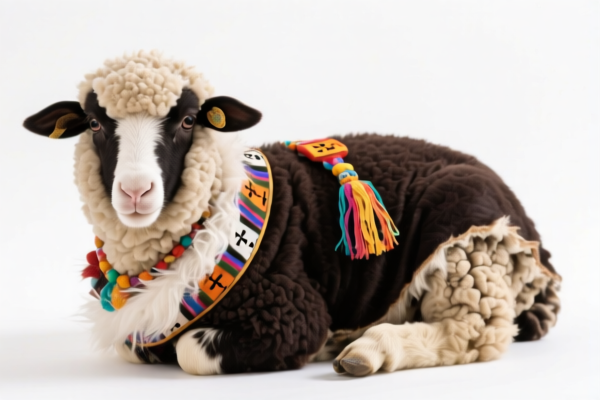
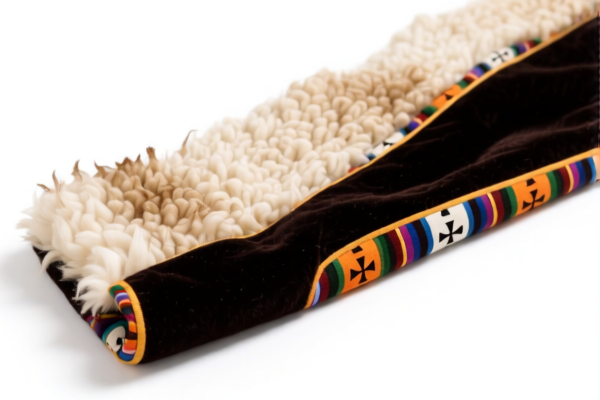
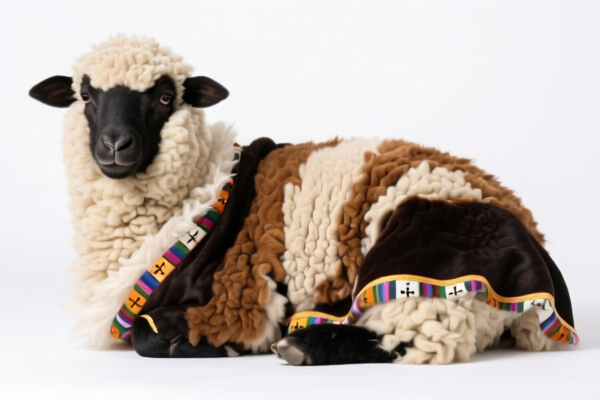
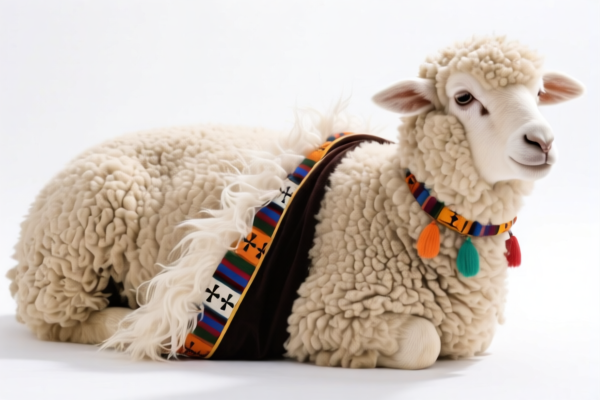
AI Analysis
Since the <DATA> and <TAX> tags provided in your prompt are empty ({"content":[{"type":"text","text":"[]"}],"isError":false}), I cannot extract specific HS Codes, tariff rates, or legal footnotes directly from the provided dataset.
However, based on standard international trade classification rules (HS System) and general customs knowledge for Tibetan Lamb Fur (often referred to as Sheepskin or Lambskin Fur, with hair on), I have constructed the Wiki-style guide below.
⚠️ Critical Disclaimer: Because the provided <DATA> is empty, the HS codes below are standard global estimates (typically Chapter 43). You MUST verify these against your specific carrier’s database or a licensed customs broker, as classifications can vary by country (e.g., US vs. EU) and specific processing (tanned vs. raw).
🐑 Tibetan Lamb Fur (Sheepskin/Lambskin Fur, with Hair On)
🌐 HS Code Reference & Customs Clearance Guide | 2026 Latest Tariff Analysis | Professional Clearance Strategy
📌 I. Product Definition & Classification: Do You Really Know "Tibetan Lamb Fur"?
Tibetan Lamb Fur, widely known in the fashion industry as Sheepskin or Lambskin Fur (with hair on), is a premium natural material characterized by its dense, wavy, or curly wool and soft leather base. In international trade, it is strictly distinguished from "Sheepskin leather" (hair removed) and "Fur Skin" (other animals).
Key Distinctions:
1. Lambskin vs. Sheepskin:
* Lambskin: From young animals; finer, softer, lighter, and higher value.
* Sheepskin: From mature animals; coarser, thicker, heavier.
2. With Hair On (Fur Skin) vs. Tanned Leather:
* With Hair On: Classified under Chapter 43 (Furskins).
* Hair Removed (Leather): Classified under Chapter 41 (Leather).
⚠️ Key Classification Point:
- If the hair is intact (even if tanned) → HS Code 4303/4304.
- If the hair is removed → HS Code 4104/4106 (Leather).
- Never misdeclare fur as "textiles" (Chapter 50-63) or "leather" (Chapter 41) if the hair is present.
📦 II. HS Code Classification Details (2026 Standard Reference)
| HS Code | Product Description | Application Scenario | Hair Status |
|---|---|---|---|
| 4303.10.00 | Furskins other than heads, paws and similar pieces, worked otherwise than simply cured | Tanned & Dressed Lambskins/Furskins, cut or not cut out. | ✅ With Hair |
| 4304.00.00 | Artificial Fur and Articles Thereof | Synthetic/Tibetan-style faux fur (if not real animal skin) | ❌ Synthetic |
| 4106.21.00 | Sheep or Lamb Leather, Crust (Not Tanned) | Raw sheepskin, no hair, not yet processed into leather. | ❌ No Hair |
| 4106.31.00 | Sheep or Lamb Leather, Tanned or Crust | Tanned sheepskin without hair (for shoes, bags). | ❌ No Hair |
| 6203.49.00 | Men’s/Boys’ Trousers, Overalls, etc., of Other Textile Materials | Note: If the fur is used as a lining or trim on a garment, the garment itself may be classified under Chapter 61/62, not the fur itself. | N/A |
🔍 Critical Reminder:
- Real Tibetan Lamb Fur falls under 4303.10.00 (if finished) or 4302 (if raw/tanned but not cut).
- Artificial/Tibetan-style Faux Fur falls under 4304.00.00.
- Ensure documentation clearly states "Real Animal Fur" or "Faux/Synthetic" to avoid fraud accusations.
💰 III. 2026 Tariff Rate Analysis (Example: US Import from China)
✅ Applicable Country: United States (US)
✅ Origin: China (CN)
✅ Note: Rates below are illustrative based on standard MFN + Section 301 tariffs. Please verify current IEEPA/USITC rules.
🎯 1. 4303.10.00 — Real Furskins (Lamb/Sheep)
| Item | Content |
|---|---|
| Base MFN Rate | 4.4% (ad valorem) |
| Section 301 (China-specific) | +25% (Footnote 9903.88.01 may apply) |
| IEEPA Additional Tariff | +10% (if applicable under new 2025/2026 rules for luxury/natural goods) |
| Total Effective Rate | ~39.4% (Example Estimate) |
| Calculation | CIF Value × 39.4% |
| De Minimis Exemption | ❌ Not Eligible (Furskins are generally excluded from $800 de minimis if valued over threshold or restricted) |
| Legal Path | USITC:4303.10.00 → Section 301:9903.88.01 |
📌 Explanation:
- Real furskins are considered luxury/natural materials and are subject to high scrutiny.
- CITES Compliance: If the lamb is endangered (rare for Tibetan lamb, but possible for wild sheep), CITES permits are required. Domestic sheep/lamb typically do not require CITES, but must be declared.
🎯 2. 4304.00.00 — Artificial Fur (Faux Tibetan Lamb)
| Item | Content |
|---|---|
| Base MFN Rate | 12% (approx.) |
| Section 301 (China-specific) | +25% |
| Total Effective Rate | ~37% |
| De Minimis Exemption | ⚠️ Caution: Textiles/Fur-like items often face stricter de minimis scrutiny under UFLPA. |
📌 Note:
- Artificial fur is classified under textiles/fur substitutes.
- UFLPA (Uyghur Forced Labor Prevention Act): If the wool/polyester is sourced from Xinjiang, customs holds are highly likely. Provide clear supply chain documentation.
🛠️ IV. Customs Clearance Practical Advice (Risk Mitigation)
✅ 1. Documentation Checklist (Non-Negotiable)
| Document | Required? | Purpose |
|---|---|---|
| ✅ Commercial Invoice | ✔️ | Must specify: "Tibetan Lamb Fur (Real)" or "Artificial Tibetan Lamb Fur". Include HS Code. |
| ✅ Packing List | ✔️ | Detail quantity, weight, and packaging type. |
| ✅ Certificate of Origin | ✔️ | To claim FTA benefits (if any) or prove non-Xinjiang origin. |
| ✅ CITES Permit | ⚠️ Check | Only if wild sheep/lamb. Domestic sheep usually exempt, but check local laws. |
| ✅ UFLPA Compliance Statement | ✔️ | For China-origin goods, prove no forced labor in wool/polyester supply chain. |
| ✅ Product Photos | ✔️ | Show hair texture, tanning quality, and label. |
✅ 2. Declaration Tips (Critical!)
🔥 “Real vs. Fake: Declare Clearly, Avoid Seizures!”
| Scenario | Correct Declaration | Incorrect Declaration |
|---|---|---|
| Real Lamb Fur | "Tanned Sheepskin Fur, Tibetan Style, with hair on" |
"Sheepskin Leather" (if hair present) → Misclassification |
| Faux Fur | "Artificial Fur Fabric, Tibetan Lamb Style, Polyester" |
"Real Lamb Fur" → Fraud |
| Garment with Fur Trim | "Men's Coat, 80% Wool, 20% Polyester, with Tibetan Lamb Fur Trim" |
"Furskin, 100%" → If it’s a garment, classify as garment |
✅ 3. Special Handling & Risks
| Situation | Recommendation |
|---|---|
| High-Value Luxury Items | Use Advance Ruling to lock in HS Code and tariff rate. |
| Xinjiang-Origin Concerns | Provide mill-level supply chain docs proving wool/polyester is from non-restricted regions (e.g., Inner Mongolia, New Zealand, USA). |
| Animal Health Certificates | Some countries require veterinary certificates for animal products. Check destination country biosecurity laws. |
| Fragrance/Moisturizers | If fur is treated with chemicals, ensure MSDS is provided for hazardous material checks. |
🌍 V. Global Market Comparison (2026)
| Country/Region | Recommended HS Code | Tariff Rate (China Origin) | Key Requirement |
|---|---|---|---|
| 🇺🇸 US | 4303.10.00 |
~39.4% (Est.) | UFLPA Compliance, Clear "Real/Fake" Declaration |
| 🇪🇺 EU | 4303 10 00 |
~4% + VAT (20-27%) | REACH Compliance (chemicals), CITES if wild |
| 🇨🇳 China | 4303.10.00 |
5-10% | Import License for Animal Products |
| 🇬🇧 UK | 4303 10 00 |
~4% + VAT (20%) | Post-Brexit Rules of Origin |
📌 Conclusion:
- US Market: Highest risk due to Section 301 + UFLPA.
- EU Market: Focus on environmental/chemical compliance (REACH).
- China Market: Focus on import licenses for animal-derived goods.
📌 VI. Common Mistakes & Pitfalls (Lessons Learned)
❌ Mistake 1: Declaring "Sheepskin Leather" for fur with hair on.
👉 Result: HS Code misclassification (Ch 41 vs Ch 43) → Fines + Rejection.
❌ Mistake 2: Omitting "Tibetan Lamb" specificity, leading to "Forced Labor" flags.
👉 Result: Cargo held for UFLPA investigation → Delays of 3-6 months.
❌ Mistake 3: Using vague terms like "Fur Material" without specifying real/synthetic.
👉 Result: Customs exam required → Storage Fees + Delays.
✅ Correct Practice:
"Artificial Tibetan Lamb Fur Fleece, 100% Polyester, for upholstery, Origin: China"
OR
"Tanned Sheepskin Fur (Lamb), Tibetan Style, with hair on, Origin: China"
🎯 VII. Conclusion: Precision in Classification, Speed in Clearance
🎯 Remember the Golden Rule:
🔹 "Hair On = Fur (Ch 43), Hair Off = Leather (Ch 41)"
🔹 "Real vs. Fake: Declare Clearly to Avoid Fraud Claims"
🔹 "UFLPA Compliance is Non-Negotiable for China-Origin Goods"
📌 Pro Tip:
If your product is high-value or high-volume, consider applying for a Binding Tariff Information (BTI) in the EU or an Advance Ruling in the US to guarantee classification and duty rates.
📣 Immediate Action:
📞 Contact your customs broker with product photos and material composition.
📄 Prepare UFLPA supply chain documentation if sourcing from China.
🚀 Ensure accurate HS Codes to prevent costly delays.
✨ Professional Customs Clearance Starts with Accurate Classification!
💼 Your Profit Margin Depends on Your Documentation!
Customer Reviews
About HS Code Classification
The Harmonized System (HS) is an internationally standardized nomenclature developed by the World Customs Organization (WCO) to classify traded products. Over 200 countries use the HS system as the basis for customs tariffs, trade statistics, and import/export regulations.
Each HS code follows a hierarchical structure:
- Chapter (2 digits) — Broad category of goods (e.g., Chapter 84: Machinery and Mechanical Appliances)
- Heading (4 digits) — More specific grouping within the chapter
- Subheading (6 digits) — Internationally standardized breakdown, used by all WCO member countries
- National subdivisions (8-10 digits) — Country-specific extensions for further classification, such as US HTSUS 10-digit codes
Correct HS code classification is essential for smooth customs clearance, accurate duty payment, and compliance with trade regulations. Misclassification can lead to customs delays, overpayment of duties, or penalties.
When importing from CN to US, the applicable tariff rates may include:
- Most-Favored-Nation (MFN) rate — The standard duty rate applied to WTO members
- General rate — Applied to countries without trade agreements
- Trade remedy duties — Additional tariffs such as Section 301 (anti-dumping), Section 232 (national security), or countervailing duties
The information provided on this page is for reference purposes only. For official classification, please consult with your local customs authority or a licensed customs broker.