Tibetan Sheepskin
CN → US| HS Code | Tariff Rate | Origin | Destination | Doc |
|---|---|---|---|---|
| 4102103000 | 12.0% | CN | US | Official Doc |
| 4102293000 | 19.5% | CN | US | Official Doc |
| 4301300000 | 10.0% | CN | US | Official Doc |
| 4301900000 | 10.0% | CN | US | Official Doc |
Product Images
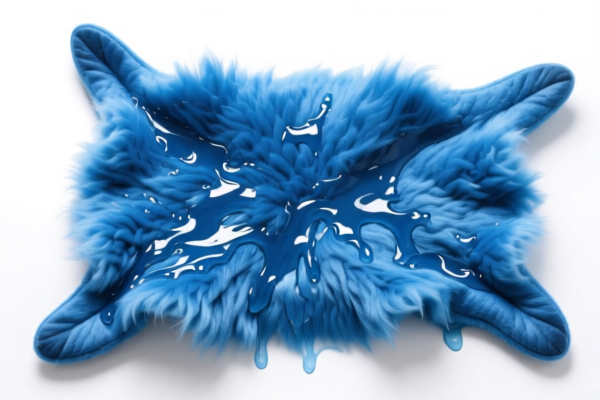
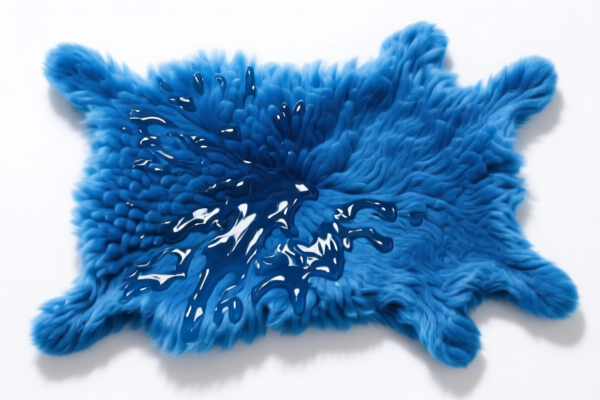
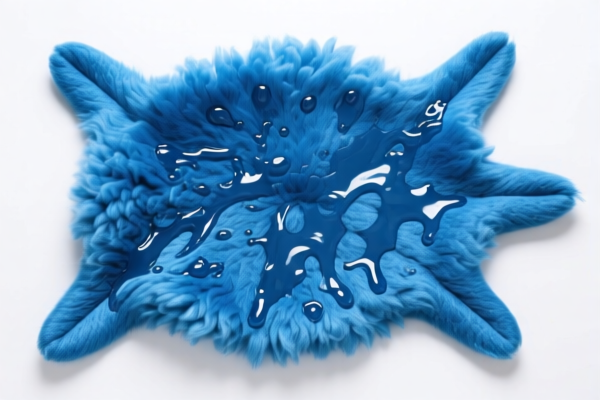
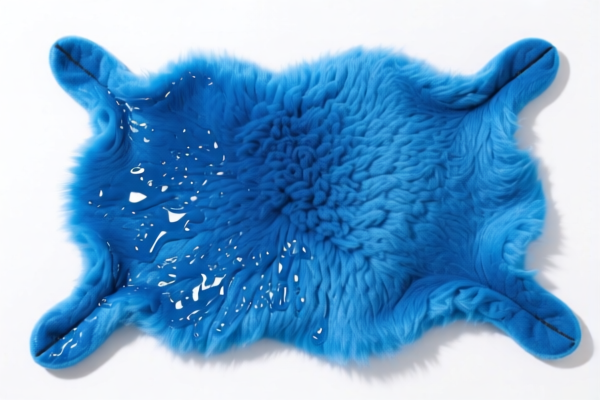
AI Analysis
🐑 Tibetan Sheepskin (Raw & Fur Skins)
🌐 HS Code Reference & Customs Clearance Guide | 2026 Latest Tariff Analysis | Professional Clearance Strategy
📌 1. Product Definition & Classification: Understanding "Tibetan Sheepskin"
Tibetan Sheepskin refers to the raw hides or pelts of sheep, particularly those of Tibetan sheep or related breeds. In international trade, it is primarily classified under Chapter 41 (Leather) for raw/tanned skins or Chapter 43 (Furskins and Artificial Fur) for prepared furskins used in the fur trade.
The classification depends heavily on the state of processing: * Raw/Unprocessed Skins: Classified under Chapter 41 (Leather). * Prepared Furskins (Dried, Tanned for Fur Use): Classified under Chapter 43 (Furskins).
⚠️ Key Distinction: - If the skin is raw, salted, or merely dried without tanning for fur fashion use → Chapter 41 - If the skin is tanned specifically for fur garments/accessories (with hair on) → Chapter 43
📦 2. HS Code Classification Details (2026 Latest Tariff Authority对照)
Based on the provided data, here are the four potential HS Codes for Tibetan Sheepskin:
| HS Code | Product Description | Matching Logic | Total Tax Rate |
|---|---|---|---|
| 4102.10.30.00 | Sheepskin (Raw/Tanned Leather) | Direct match: Product name corresponds directly to material,符合生皮特征 (Matches raw hide characteristics). | 12.0% |
| 4102.29.30.00 | Sheepskin (Sheep/Lamb Raw Hides) | Material is raw hide of sheep/lamb, un-tanned. | 19.5% |
| 4301.30.00.00 | Sheepskin/Lamb Fur Skin | Matches basis: Lamb skin/sheep skin, fits original fur classification. | 10.0% |
| 4301.90.00.00 | Other Furskin (Sheepskin) | Matches basis: Furskin raw hide, belongs to hides used by furriers. | 10.0% |
🔍 Key Reminder: - Chapter 41 Codes (4102.xxxx) are for leather or raw hides intended for leather production. - Chapter 43 Codes (4301.xxxx) are for furskins intended for the fur industry (garments, trimmings). - Misclassification can lead to significant tariff differences (e.g., 12% vs. 19.5% for raw hides).
💰 3. 2026 Latest Tariff Rate Breakdown (Including Surtaxes & Policy Add-ons)
✅ Applicable Country: USA (US)
✅ Origin: China (CN)
✅ Effective Date: 2025/2026 (Current Import Cycle)
🎯 1. 4102.10.30.00 —— Sheepskin (Leather Category)
| Item | Content |
|---|---|
| Basic Duty | 2.0% |
| Section 301 Surtax | 0.0% |
| Section 122 Tariff | 10.0% |
| Total Tax Rate | 12.0% |
| Tax Calculation | CIF Value × 12.0% |
| De Minimis Exemption | ❌ Not Eligible (Deny De Minimis for certain agricultural/fur/leather products depending on specific rules) |
| Legal Basis Path | USITC:4102.10.30.00 → SECTION_122:10% |
📌 Explanation: - This code applies to sheepskin classified as leather or semi-processed hide. - The 10% Section 122 Tariff is applied on top of the 2% base duty. - Total: 12%. Lower than other raw sheepskin codes due to no Section 301 surtax.
🎯 2. 4102.29.30.00 —— Raw Sheep/Lamb Skins (Other Raw Hides)
| Item | Content |
|---|---|
| Basic Duty | 2.0% |
| Section 301 Surtax | 7.5% |
| Section 122 Tariff | 10.0% |
| Total Tax Rate | 19.5% |
| Tax Calculation | CIF Value × 19.5% |
| De Minimis Exemption | ❌ Not Eligible |
| Legal Basis Path | USITC:4102.29.30.00 → SECTION_301:7.5% → SECTION_122:10% |
📌 Warning: - This code attracts a 7.5% Section 301 Surtax in addition to the 2% base and 10% Section 122 tariff. - Total: 19.5%. This is the highest cost option for raw sheepskin among the listed codes. - Applies to specific raw hides not covered by 4102.10.
🎯 3. 4301.30.00.00 —— Lamb/Sheep Furskins
| Item | Content |
|---|---|
| Basic Duty | 0.0% |
| Section 301 Surtax | 0.0% |
| Section 122 Tariff | 10.0% |
| Total Tax Rate | 10.0% |
| Tax Calculation | CIF Value × 10.0% |
| De Minimis Exemption | ❌ Not Eligible |
| Legal Basis Path | USITC:4301.30.00.00 → SECTION_122:10% |
📌 Explanation: - Classified as a furskin. - 0% Base Duty and 0% Section 301 Surtax. - Only the 10% Section 122 Tariff applies. - Total: 10%. Cost-effective if classified as fur.
🎯 4. 4301.90.00.00 —— Other Furskins (Including Sheepskin)
| Item | Content |
|---|---|
| Basic Duty | 0.0% |
| Section 301 Surtax | 0.0% |
| Section 122 Tariff | 10.0% |
| Total Tax Rate | 10.0% |
| Tax Calculation | CIF Value × 10.0% |
| De Minimis Exemption | ❌ Not Eligible |
| Legal Basis Path | USITC:4301.90.00.00 → SECTION_122:10% |
📌 Explanation: - Captures sheepskin not specifically listed under 4301.30. - Same tax structure as 4301.30: 0% Base + 0% 301 + 10% Section 122 = 10%. - Best option for fur industry shipments.
🛠️ 4. Customs Clearance Practical Advice (Real-World Pitfall Guide)
✅ 1. Required Documentation Checklist (No Exceptions)
| Document | Mandatory | Notes |
|---|---|---|
| ✅ Product Specification Sheet | ✔️ | Must state: Raw/Tanned? Hair-on/Hair-off? Intended Use (Leather vs. Fur). |
| ✅ Photos of Product | ✔️ | Show texture, hair presence, and any labels. Crucial for distinguishing Chapter 41 vs. 43. |
| ✅ Commercial Invoice | ✔️ | Clearly describe as "Raw Sheepskin" or "Prepared Furskin." Avoid vague terms like "Animal Hide." |
| ✅ Packing List | ✔️ | Weight and quantity details. |
| ✅ Certificate of Origin | ✔️ | Required for Section 301/122 determination. |
| ✅ Customs Broker Declaration | ✔️ | Must accurately select HS Code based on physical state. |
✅ 2. Declaration Tips (Key Mantra)
🔥 "State Defines Code, Fur vs. Leather, Check the 122 Fee!"
| Scenario | Correct HS Code | Wrong Declaration | Consequence |
|---|---|---|---|
| Raw hide for leather making | 4102.10.30.00 or 4102.29.30.00 |
Declare as "Fur Skin" (4301...) |
Misclassification penalty, potential audit |
| Prepared fur for garments | 4301.30.00.00 or 4301.90.00.00 |
Declare as "Raw Leather" (4102...) |
Overpaying Tariffs (12-19.5% vs 10%) |
| Salted/Raw Sheepskin | 4102.29.30.00 |
Declare as "Processed Fur" | Rejection, return, or fine |
✅ 3. Special Circumstances Handling
| Situation | Handling Advice |
|---|---|
| Mixed Shipments (Raw & Tanned) | Must declare separately. Raw hides go to Ch. 41, prepared furs to Ch. 43. |
| Section 122 Tariff Impact | All four codes incur 10% Section 122 Tariff. This is non-negotiable for Chinese-origin sheepskin. |
| De Minimis (Section 321) | Not Applicable. Sheepskin/furskins are generally excluded from $800 de minimis exemption due to agricultural/fur restrictions. |
| USDA/FDA Requirements | If raw, ensure animal health certificates are provided to prevent USDA inspection delays. |
🌍 5. Global Market Clearance Comparison (2026 Latest)
| Country/Region | Recommended HS Code | Tariff Rate | Key Certifications | Notes |
|---|---|---|---|---|
| 🇺🇸 USA | 4301.30.00.00 (Fur) |
10.0% (122 only) | None specific, but USDA docs if raw | Avoid 4102.29 (19.5%) unless necessary. |
| 🇺🇸 USA | 4102.10.30.00 (Leather) |
12.0% (122 only) | USDA Health Cert | Lower than raw hide but higher than fur. |
| 🇨🇳 China | 4102.10.30.00 |
2.0% - 10% | N/A | Domestic trade varies. |
| 🇪🇺 EU | 4102.10 or 4301.30 |
Varies (Usually 0-5%) | REACH, Animal Health Cert | EU has strict animal welfare rules. |
📌 Conclusion: - USA Tariff Strategy: If the sheepskin is prepared for fur use, classify under Chapter 43 (
4301.30.00.00) to pay only 10% (Section 122). - If classified as raw leather, you face 12% (4102.10) or 19.5% (4102.29). - Section 122 Tariff (10%) is the dominant cost driver across all categories for Chinese sheepskin.
📌 6. Common Mistakes & Pitfall Guide (Blood Lessons)
❌ Mistake 1: Declaring "Raw Sheepskin" as "Finished Fur" (4301...)
👉 Result: Customs will inspect, find it raw, and assess 12-19.5% + penalties.
❌ Mistake 2: Ignoring Section 122 Tariff
👉 Result: Underpayment by 10% on all HS Codes for Chinese sheepskin. Total cost underestimated.
❌ Mistake 3: Using "Sheepskin" without specifying "Raw" vs. "Tanned"
👉 Result: Customs ambiguity → Delays, storage fees, potential reclassification to highest duty bracket.
❌ Mistake 4: Assuming De Minimis ($800) Applies
👉 Result: Shipment Blocked. Sheepskin is generally excluded. Full duties apply from the first unit.
✅ Correct Approach:
"Prepared Lamb Fur Skins, Dried, Hair-On, For Garment Manufacturing, Origin: China" →
4301.30.00.00@ 10%
🎯 7. Conclusion: Precise Classification, Maximize Savings!
🎯 Remember the Mantra:
🔹 "Fur is Chapter 43 (10%), Leather is Chapter 41 (12-19.5%). Always pay Section 122 (10%)!"
🔹 "HS Code Choice: 4301 saves vs 4102.29. Declaration clarity saves time!"
📌 Pro Tip:
- If you are exporting fur-ready sheepskin, insist on
4301.30.00.00.- If you are exporting raw hides for tanning, choose
4102.10.30.00(12%) over4102.29.30.00(19.5%) if the product fits the description.- Never assume De Minimis. Prepare for full duty payment.
📣 Immediate Action:
📞 Consult a Customs Broker to verify the physical state of your sheepskin. 📄 Prepare USDA/Health Certificates for raw shipments. 🚀 Declare Accurately to avoid 19.5% penalties and 10% underpayments!
✨ Professional Clearance Starts with Accurate Classification!
💼 Every Percentage Point Counts in Global Trade!
Customer Reviews
About HS Code Classification
The Harmonized System (HS) is an internationally standardized nomenclature developed by the World Customs Organization (WCO) to classify traded products. Over 200 countries use the HS system as the basis for customs tariffs, trade statistics, and import/export regulations.
Each HS code follows a hierarchical structure:
- Chapter (2 digits) — Broad category of goods (e.g., Chapter 84: Machinery and Mechanical Appliances)
- Heading (4 digits) — More specific grouping within the chapter
- Subheading (6 digits) — Internationally standardized breakdown, used by all WCO member countries
- National subdivisions (8-10 digits) — Country-specific extensions for further classification, such as US HTSUS 10-digit codes
Correct HS code classification is essential for smooth customs clearance, accurate duty payment, and compliance with trade regulations. Misclassification can lead to customs delays, overpayment of duties, or penalties.
When importing from CN to US, the applicable tariff rates may include:
- Most-Favored-Nation (MFN) rate — The standard duty rate applied to WTO members
- General rate — Applied to countries without trade agreements
- Trade remedy duties — Additional tariffs such as Section 301 (anti-dumping), Section 232 (national security), or countervailing duties
The information provided on this page is for reference purposes only. For official classification, please consult with your local customs authority or a licensed customs broker.