Tire
CN → US| HS Code | Tariff Rate | Origin | Destination | Doc |
|---|---|---|---|---|
| 4012124035 | 39.0% | CN | US | Official Doc |
| 4012118000 | 38.4% | CN | US | Official Doc |
| 4011101070 | 39.0% | CN | US | Official Doc |
| 4011105000 | 38.4% | CN | US | Official Doc |
| 4013905050 | 38.7% | CN | US | Official Doc |
Product Images
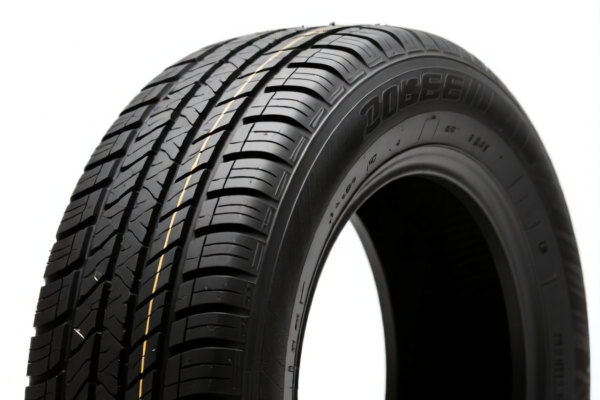
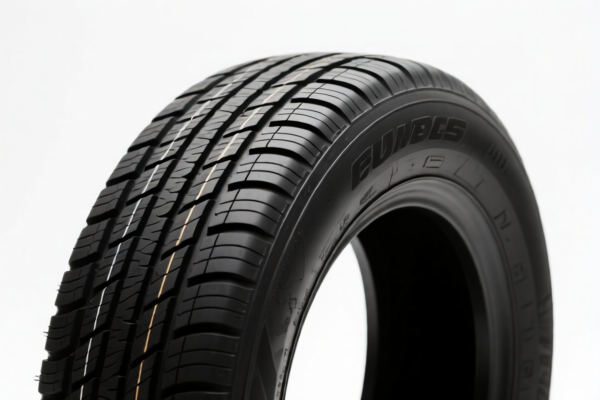
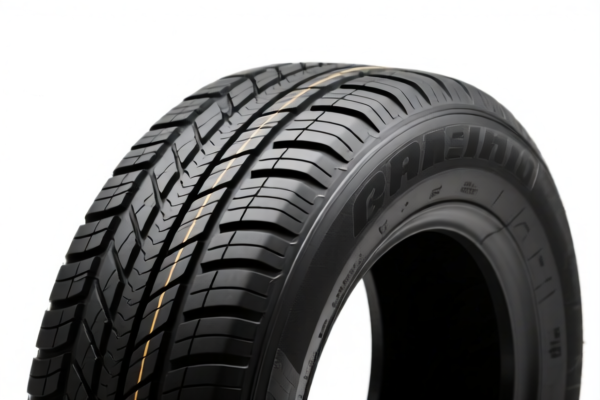
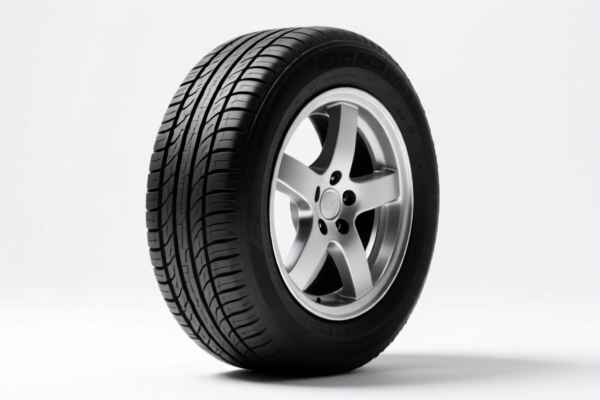
AI Analysis
🚗 Tires (Rubber Tires)
🌐 HS Code Reference & Customs Clearance Guide | 2026 Latest Tariff Analysis | Professional Clearance Strategy
📌 Part 1: Product Definition & Classification: Do You Really Understand "Tires"?
Tires are the critical interface between vehicles and the road, essential for automotive, racing, and industrial applications. In international trade, they are strictly categorized by usage (passenger vs. other) and type (solid, pneumatic, racing).
Key Distinction Points: - Passenger Car Tires (Pneumatic): Specifically designed for cars, station wagons, and racing cars. These fall under heading 4011.10. - Racing Specific Tires: Often have specific sub-classifications depending on whether they are pneumatic or solid, and their exact application (e.g., passenger car racing vs. other). - Other Rubber Tires: Tires not specifically for passenger cars (e.g., trucks, buses, motorcycles, or industrial equipment). These fall under other subheadings like 4012.12.
⚠️ Critical Note:
- "Racing Tires" are not a separate top-level HS heading but are distinguished by their intended use within 4011.10 (passenger car tires) or other pneumatic tire categories. - "Other Tires" (e.g., for trucks, agricultural machinery) are often classified under 4012 or other pneumatic tire codes, leading to different tariff rates.
📦 Part 2: HS Code Classification Details (2026 Latest Tariff Authority Comparison)
| HS Code | Product Description | Application Scenario | Key Feature |
|---|---|---|---|
4012.12.40.35 |
Tires, rubber, other categories | Trucks, buses, industrial vehicles, motorcycles | Non-passenger car tires |
4012.11.80.00 |
Tires, rubber, for passenger cars | Standard passenger vehicles, SUVs, minivans | Pneumatic, passenger use |
4011.10.10.70 |
Racing tires, rubber, pneumatic tires | Professional racing cars (pneumatic) | High-performance, pneumatic |
4011.10.50.00 |
Racing tires, rubber, for passenger cars (including station wagons and racing cars) | Passenger car racing, high-end sports cars | Specific for passenger car racing |
4013.90.50.50 |
Racing tires, rubber, other parts/components | Tire parts, rims, accessories for racing | Non-tire components, parts |
🔍 Important Reminder:
- Passenger Car Tires (including station wagons) are strictly classified under 4012.11.80.00 if they are general purpose, or 4011.10.50.00 if specifically for racing. - Racing Tires that are pneumatic and not specifically for passenger cars (e.g., go-kart, truck racing) may fall under 4011.10.10.70 or other pneumatic tire codes. - Parts/Components (like rims, valve stems, or specialized tire inserts) are NOT classified as tires. They fall under 4013.90.50.50 if associated with racing tires, or other parts codes. - Misclassification Risk: Declaring a truck tire as a "passenger car tire" to lower tariffs is a common error that leads to severe penalties.
💰 Part 3: 2026 Latest Tariff Rate Details (Including Surcharges, Policy Add-ons)
✅ Applicable Country: United States (US)
✅ Country of Origin: China (CN)
✅ Effective Date: 2025 November 10 onwards (including subsequent imports)
🎯 1. 4012.12.40.35 —— Other Rubber Tires (Non-Passenger)
| Item | Details |
|---|---|
| Base Tariff | 4.0% (ad valorem) |
| Section 301 Surcharge | +25.0% |
| Section 122 Tariff | +10.0% |
| Total Tariff | 39.0% |
| Tax Calculation | CIF Value × 39.0% |
| De Minimis Exemption | ❌ Not Applicable |
| Legal Basis Path | Section 301: 301.9903.88.01 → Section 122: 122.01.10 → USITC: 4012.12.40.35 |
📌 Explanation:
- Base 4.0%: Standard MFN rate for other rubber tires. - Section 301 25%: Additional tariff on Chinese goods under US Trade Act Section 301. - Section 122 10%: Additional tariff under Section 122 of the Trade Act of 1974 (national security/import relief). - Total 39.0%: High tariff burden. Must be factored into pricing strategy.
🎯 2. 4012.11.80.00 —— Tires for Passenger Cars
| Item | Details |
|---|---|
| Base Tariff | 3.4% (ad valorem) |
| Section 301 Surcharge | +25.0% |
| Section 122 Tariff | +10.0% |
| Total Tariff | 38.4% |
| Tax Calculation | CIF Value × 38.4% |
| De Minimis Exemption | ❌ Not Applicable |
| Legal Basis Path | Section 301: 301.9903.88.01 → Section 122: 122.01.10 → USITC: 4012.11.80.00 |
📌 Note:
- Slightly lower base rate (3.4% vs 4.0%) compared to "other tires," but still subject to full surcharges. - This code covers standard passenger car tires, including SUVs and minivans, if not specifically for racing.
🎯 3. 4011.10.10.70 —— Racing Tires, Rubber, Pneumatic
| Item | Details |
|---|---|
| Base Tariff | 4.0% (ad valorem) |
| Section 301 Surcharge | +25.0% |
| Section 122 Tariff | +10.0% |
| Total Tariff | 39.0% |
| Tax Calculation | CIF Value × 39.0% |
| De Minimis Exemption | ❌ Not Applicable |
| Legal Basis Path | Section 301: 301.9903.88.01 → Section 122: 122.01.10 → USITC: 4011.10.10.70 |
📌 Explanation:
- This code is for pneumatic racing tires that are not specifically for passenger cars (e.g., open-wheel racing, truck racing). - Base rate is 4.0%, matching other non-passenger tires.
🎯 4. 4011.10.50.00 —— Racing Tires, Rubber, for Passenger Cars
| Item | Details |
|---|---|
| Base Tariff | 3.4% (ad valorem) |
| Section 301 Surcharge | +25.0% |
| Section 122 Tariff | +10.0% |
| Total Tariff | 38.4% |
| Tax Calculation | CIF Value × 38.4% |
| De Minimis Exemption | ❌ Not Applicable |
| Legal Basis Path | Section 301: 301.9903.88.01 → Section 122: 122.01.10 → USITC: 4011.10.50.00 |
📌 Note:
- This code is for racing tires specifically designed for passenger cars (including station wagons and racing versions of passenger cars). - Base rate is 3.4%, same as standard passenger tires. - Crucial Distinction: If it’s for a passenger car, even if used for racing, it may fall here, not in 4011.10.10.70.
🎯 5. 4013.90.50.50 —— Racing Tires, Rubber, Other Parts/Components
| Item | Details |
|---|---|
| Base Tariff | 3.7% (ad valorem) |
| Section 301 Surcharge | +25.0% |
| Section 122 Tariff | +10.0% |
| Total Tariff | 38.7% |
| Tax Calculation | CIF Value × 38.7% |
| De Minimis Exemption | ❌ Not Applicable |
| Legal Basis Path | Section 301: 301.9903.88.01 → Section 122: 122.01.10 → USITC: 4013.90.50.50 |
📌 Important:
- This code is for parts and components related to racing tires, NOT the tires themselves. - Examples: Wheel rims, specialized valve stems, tire inserts, or mounting hardware for racing tires. - If you ship a tire, do not use this code. Use 4012.11.80.00, 4011.10.10.70, or 4011.10.50.00.
🛠️ Part 4: Customs Clearance Practical Advice (Real-World Pitfall Guide)
✅ 1. Required Documentation Checklist (None Missing)
| Document | Required | Description |
|---|---|---|
| ✅ Product Specification Sheet | ✔️ | Includes size, load index, speed rating, tread pattern, intended vehicle type |
| ✅ Technical Data Sheet | ✔️ | Details compound, construction (radial/bias), ply rating |
| ✅ Product Photos (with Labels) | ✔️ | Clear image of sidewall markings (DOT code, size, brand) |
| ✅ Third-Party Test Reports | ✔️ | DOT certification, ECE marks, if applicable |
| ✅ Commercial Invoice | ✔️ | Clearly state "Rubber Tires" and specific HS Code |
| ✅ Certificate of Origin (CO) | ✔️ | If non-Chinese origin, to claim preferential rates |
| ✅ Packing List | ✔️ | Detail units per carton, gross/net weight |
✅ 2. Declaration Tips (Key Mantra)
🔥 "Correct Code, Clear Description, No Misdeclaration!"
| Scenario | Correct Declaration | Wrong Practice |
|---|---|---|
| Standard Passenger Tire | 4012.11.80.00 |
Misdeclare as "Other Tire" → 39.0% |
| Racing Tire for Passenger Car | 4011.10.50.00 |
Misdeclare as "Standard Tire" → 38.4% (may trigger audit) |
| Racing Tire (Non-Passenger) | 4011.10.10.70 |
Misdeclare as "Passenger Tire" → 38.4% (may trigger audit) |
| Truck Tire | 4012.12.40.35 |
Misdeclare as "Passenger Tire" → 38.4% (high risk) |
| Tire Rim/Accessory | 4013.90.50.50 |
Declare as "Tire" → 38.4%-39.0% (wrong code) |
✅ 3. Special Case Handling
| Scenario | Handling Advice |
|---|---|
| OEM Tires for Car Manufacturer | Provide purchase order + car model list, specify "For Passenger Cars" |
| Tires with Mixed Usage (e.g., SUV/Racing) | If primarily for passenger cars, use 4012.11.80.00 or 4011.10.50.00 |
| Tire Components (Rims, Valves) | Declare separately as "Parts/Components" under 4013.90.50.50 |
| Used/Retreaded Tires | Note: Retreaded tires have different HS codes (e.g., 4012.13). Ensure correct classification |
🌍 Part 5: Global Market Customs Comparison (2026 Latest)
| Country/Region | Recommended HS Code | Tariff | Certification | Remarks |
|---|---|---|---|---|
| 🇺🇸 USA | 4012.11.80.00 |
38.4% (CN Origin) | DOT | High tariff burden |
| 🇨🇳 China | 4012.11.80.00 |
3.4% | CCC | No surcharges |
| 🇪🇺 EU | 4011.10.00 |
0% (if CE) | ECE Mark | No surcharges |
| 🇬🇧 UK | 4011.10.00 |
0% | ECE Mark | Post-Brexit rules apply |
| 🇯🇵 Japan | 4011.10.00 |
5.0% | JIS | No surcharges |
📌 Conclusion:
- USA imposes the highest effective tariff (38.4%-39.0%) on Chinese tires due to Section 301 and Section 122. - EU and Japan have lower or zero base tariffs, making them more competitive markets for Chinese tires. - Strategic Advice: Consider diversifying supply chains to Southeast Asia or Europe to mitigate US tariffs.
📌 Part 6: Common Mistakes & Pitfall Guide (Lessons Learned)
❌ Mistake 1: Declaring a truck tire as a "passenger car tire"
👉 Consequence: Underpayment of 0.6% base tariff + penalties + potential audit.
❌ Mistake 2: Declaring racing tire parts (e.g., rims) as "tires"
👉 Consequence: Wrong HS Code classification → Delays + fines.
❌ Mistake 3: Using "Other Tire" for passenger car tires
👉 Consequence: Paying 39.0% instead of 38.4% → Unnecessary cost increase.
❌ Mistake 4: Ignoring Section 122 Tariff
👉 Consequence: Underestimating total landed cost by 10%.
✅ Correct Approach:
"Passenger Car Tire, Radial, 205/55R16, 91H, DOT Certified, For Sedans/SUVs"
🎯 Part 7: Conclusion: Professional Declaration, Save Time, Reduce Costs!
🎯 Remember the Mantra:
🔹 "Passenger Car: 38.4%, Other Tire: 39.0%, Racing (Passenger): 38.4%, Racing (Other): 39.0%, Parts: 38.7%."
🔹 "HS Code Determines Cost, 0.6% Difference Matters, Wrong Code Means Delays!"
📌 Tips:
- If your tires are originating from Vietnam, Mexico, Thailand, or Malaysia, you may qualify for IEEPA Exemptions or FTA Benefits, reducing tariffs to 0%~5%.
- Apply for Advance Rulings with US CBP to confirm HS Code classification before shipment.
📣 Immediate Action:
📞 Contact Professional Customs Broker + Provide Product Specs + Apply for HS Code Advance Ruling
🚀 Let Your Tires Clear Customs Smoothly, Enter the Market Efficiently, Maximize Profits!
✨ Professional Customs Clearance Starts with Accurate Classification!
💼 Every Dollar of Your Cost Deserves Precise Calculation!
Customer Reviews
About HS Code Classification
The Harmonized System (HS) is an internationally standardized nomenclature developed by the World Customs Organization (WCO) to classify traded products. Over 200 countries use the HS system as the basis for customs tariffs, trade statistics, and import/export regulations.
Each HS code follows a hierarchical structure:
- Chapter (2 digits) — Broad category of goods (e.g., Chapter 84: Machinery and Mechanical Appliances)
- Heading (4 digits) — More specific grouping within the chapter
- Subheading (6 digits) — Internationally standardized breakdown, used by all WCO member countries
- National subdivisions (8-10 digits) — Country-specific extensions for further classification, such as US HTSUS 10-digit codes
Correct HS code classification is essential for smooth customs clearance, accurate duty payment, and compliance with trade regulations. Misclassification can lead to customs delays, overpayment of duties, or penalties.
When importing from CN to US, the applicable tariff rates may include:
- Most-Favored-Nation (MFN) rate — The standard duty rate applied to WTO members
- General rate — Applied to countries without trade agreements
- Trade remedy duties — Additional tariffs such as Section 301 (anti-dumping), Section 232 (national security), or countervailing duties
The information provided on this page is for reference purposes only. For official classification, please consult with your local customs authority or a licensed customs broker.