Tire (HS Code 4011101040)
CN → USProduct Images
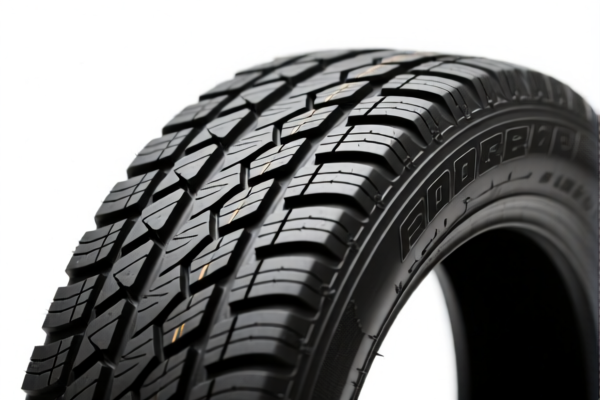
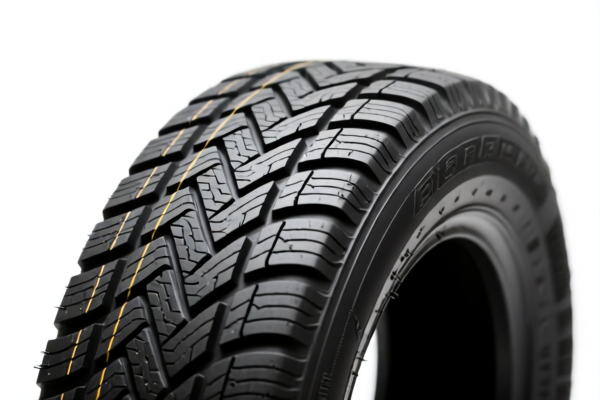
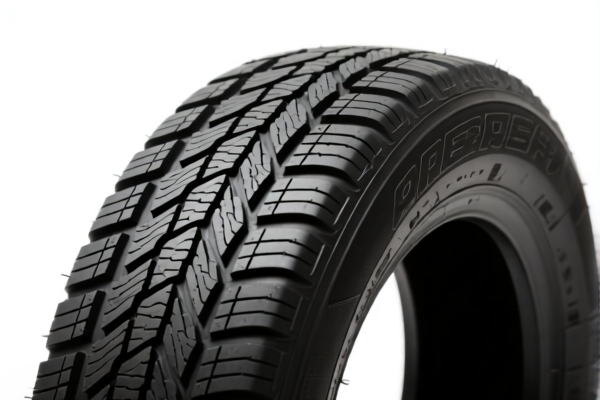
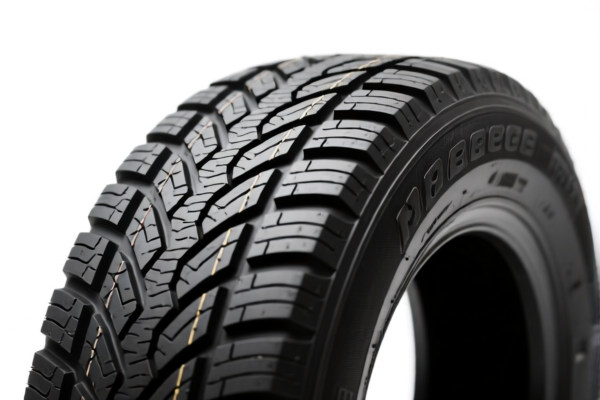
AI Analysis
🚗 Heavy-Duty Pneumatic Tires (Radial, of a Kind Used for Motor Vehicles)
🌐 HS Code 4011.10.10.40 Reference & Customs Clearance Guide | 2026 Latest Tariff Analysis | Professional Strategy for Chinese Imports to the US
📌 1. Product Definition & Classification: What Exactly Is This Tire?
In international trade, "Tires" are not a single monolithic category. They are strictly differentiated by construction type (Radial vs. Bias), vehicle type (Passenger vs. Truck/Bus), and usage.
HS Code 4011.10.10.40 specifically refers to:
Radial pneumatic tires of a kind used only for motor vehicles (e.g., cars, vans, light trucks), specifically classified under subheading 4011.10.10 (Passenger Car Radial Tires), further细分 to 40 (often indicating specific size ranges or domestic vs. imported distinctions depending on the country's 8-10 digit breakdown).
Note: In the US HTSUS (Harmonized Tariff Schedule of the United States), 4011.10.10.40 typically corresponds to Radial pneumatic tires, of a kind used for passenger vehicles, new, with a specific aspect ratio or size bracket.
⚠️ Critical Distinction:
- Radial (R): Cord plies radiate outward from the bead. Most modern cars/trucks use these.
- Bias (B): Cord plies are arranged at alternating angles. Older vehicles, motorcycles, or heavy-duty industrial tires.
- Purpose: If used for trucks/buses (>10 passenger capacity or heavy load), it falls under4011.20. If for motorcycles,4011.10might still apply but with different sub-codes. This guide focuses on Passenger/Light Truck Radial Tires.
📦 2. HS Code Classification Details (2026 Latest Tariff Framework)
| HS Code | Product Description | Application Scenario | Key Features |
|---|---|---|---|
| 4011.10.10.40 | New Radial Pneumatic Tires, for Passenger Cars | Standard sedan, SUV, crossover tires. | Must be Radial, New, for Passenger Vehicles (<10 passengers). |
| 4011.20.00.00 | New Radial Pneumatic Tires, for Buses/Light Trucks | Delivery vans, pickup trucks, buses. | Higher load index, different sidewall construction. |
| 4011.10.20.00 | New Bias-Ply Tires, for Passenger Cars | Vintage cars, specific industrial vehicles. | Not Radial. Lower market share. |
| 4011.99.00.00 | Other New Pneumatic Tires | Motorcycle tires, aircraft tires (if any). | Non-radial or non-passenger specific. |
| 4012.19.00.00 | Retreaded Pneumatic Tires | Re-manufactured tires with new tread. | Significant tariff differences (often higher or restricted). |
🔍 Key Clarification for 4011.10.10.40:
- "New" Status: Must be brand new. Used or retreaded tires fall under different headings (e.g., 4012.19) and often face higher duties or restrictions.
- "Passenger Vehicle" Definition: Vehicles primarily designed to carry passengers (including drivers) and their luggage, with a maximum of 9 seats (including the driver).
- Aspect Ratio: Some 10-digit codes differentiate by aspect ratio (e.g., ≥60 vs. <60). Code40at the end often implies a specific size category. Check your local tariff table for exact dimensional thresholds.
💰 3. 2026 Latest Tariff Rate Breakdown (US Market, China Origin)
✅ Applicable Country: United States (US)
✅ Origin: China (CN)
✅ Effective Date: 2025-2026 (Current Trade War Era)
🎯 1. 4011.10.10.40 —— New Radial Tires for Passenger Cars
| Item | Detail |
|---|---|
| General Duty Rate | 0% (Most Favored Nation - MFN) |
| Section 301 Duty (USITC) | +25% |
| IEEPA Additional Duty | +10% (China-specific, effective Nov 2025) |
| Total Effective Duty Rate | 35% |
| Calculation Base | CIF Value (Cost + Insurance + Freight) |
| De Minimis Exemption | ❌ Not Applicable (High-value goods, not eligible for $800 exemption) |
| Legal Basis Path | USITC:4011.10.10.40 → Footnote 9903.88.01 (301 Tariff) → IEEPA:9903.01.25 (10% Additional) |
📌 Explanation:
- 301 Tariff (25%): Applies to all tires from China due to Section 301 investigation into unfair trade practices.
- IEEPA 10%: An additional tariff imposed on Chinese goods to address national security/economic concerns.
- Total 35%: This is a high barrier to entry. Profit margins must account for this significant cost increase.
🎯 2. Alternative Codes (If Misclassified)
| HS Code | Scenario | Total Duty | Risk |
|---|---|---|---|
4012.19.00.00 |
Retreaded Tires from China | ~35-45% | High scrutiny on "new vs. retreaded" |
4011.20.00.00 |
Truck Tires (Misclassified as Passenger) | ~35% | Penalty for incorrect classification |
4011.10.20.00 |
Bias-Ply (Misclassified as Radial) | ~35% | Technical rejection if construction differs |
⚠️ Warning: Misclassifying a Truck Tire as a Passenger Tire (
4011.10.10.40) is a common error. Truck tires have different load indices and sidewall strengths. Customs may reclassify and apply penalties.
🛠️ 4. Customs Clearance Practical Advice (Real-World Pitfall Avoidance)
✅ 1. Required Documentation Checklist
| Document | Mandatory? | Description |
|---|---|---|
| ✅ Commercial Invoice | ✔️ | Must clearly state: "New Radial Pneumatic Tires for Passenger Vehicles", HS Code 4011.10.10.40, Country of Origin: China. |
| ✅ Packing List | ✔️ | Detail number of tires per box, gross/net weight, dimensions. Tires are heavy/voluminous; accurate weight is crucial for freight. |
| ✅ Product Specification Sheet | ✔️ | Include size (e.g., 205/55R16), load index, speed rating, tread pattern, aspect ratio. |
| ✅ DOT Label Image | ✔️ | US requires DOT (Department of Transportation) certification. Tires must have a visible DOT code molded on the sidewall. |
| ✅ Certificate of Origin (CO) | ✔️ | Essential for proving origin to apply (or avoid) tariffs. If not China-origin, may qualify for lower rates. |
| ✅ FMMI (Filler Material) Declaration | Optional | If applicable, declare filler materials. |
✅ 2. Declaration Tips (Key Mnemonic)
🔥 "New Radial, Passenger, China Origin, 35% Duty, DOT Label Mandatory!"
| Scenario | Correct Declaration | Incorrect Action |
|---|---|---|
| Importing from China | HS 4011.10.10.40, Duty 35% |
Try to declare as "Rubber Products" to avoid tariff → Audit Risk |
| Retreaded Tires | HS 4012.19.00.00 |
Declare as "New Tires" → Fraud Penalty |
| Truck Tires | HS 4011.20.00.00 |
Declare as Passenger Tires → Misclassification Fine |
| Non-China Origin | Declare correct Country (e.g., Vietnam, Thailand) | Claim China origin falsely → Seizure |
✅ 3. Special Considerations
| Situation | Handling Advice |
|---|---|
| OEM vs. Aftermarket | Both are classified under 4011. OEM tires still face 301 tariffs if made in China. |
| DOT Certification | Mandatory. Tires without DOT markings will be rejected at the US border. Ensure mold date is not expired (DOT code includes week/year). |
| Volume Discounts | 35% duty is high. Consider negotiating FOB prices with suppliers to offset duty costs. |
| Supply Chain Diversification | Importing from Vietnam, Thailand, or Indonesia may result in 0-5% duty (if no Chinese components >50%). Evaluate origin rules carefully. |
🌍 5. Global Market Comparison (2026 Update)
| Country/Region | Recommended HS Code | Duty Rate (China Origin) | Certification Requirements |
|---|---|---|---|
| 🇺🇸 USA | 4011.10.10.40 |
35% (25% 301 + 10% IEEPA) | DOT Mandatory, EPA (TREAD Act) |
| 🇨🇳 China | 4011.10.10.40 |
5% | CCC (if applicable), GB Standards |
| 🇪🇺 EU | 4011.10.10 |
0-4.5% (General) | E-Mark (ECE Regulations) |
| 🇦🇺 Australia | 4011.10.10 |
5% | TIS (Tyre Industry Scheme) |
| 🇯🇵 Japan | 4011.10.10 |
0-5% | JATMA Standards |
📌 Conclusion:
- The US market is the most challenging due to the 35% combined duty.
- DOT certification is a strict regulatory hurdle.
- Origin shifting to non-China countries is the primary strategy to reduce tariffs.
📌 6. Common Errors & Pitfalls (Lessons Learned)
❌ Error 1: Declaring Retreaded Tires as New Tires
👉 Consequence: Heavy fines, seizure of goods, loss of import privileges. Retreaded tires have different HS codes and often face higher duties or bans.
❌ Error 2: Ignoring DOT Labeling
👉 Consequence: Goods held at customs. US law requires tires to have a DOT serial number. No DOT = No entry.
❌ Error 3: Misclassifying Truck Tires as Passenger Tires
👉 Consequence: Incorrect duty calculation. Truck tires often have different tariff implications or regulatory standards (e.g., load range).
❌ Error 4: Assuming Free Trade Agreements (FTA) Apply to Chinese Goods
👉 Consequence: FTA benefits (like zero duty) do not apply to China due to Section 301 tariffs. Never claim FTA benefits for Chinese-origin tires in the US.
✅ Correct Practice:
"New Radial Pneumatic Tires, Size 205/55R16, Load Index 91, Speed Rating H, DOT Certified, Made in China, HS Code 4011.10.10.40"
🎯 7. Conclusion: Strategic Sourcing & Compliance
🎯 Key Takeaways:
🔹 "35% Duty is the Reality for Chinese Tires in the US."
🔹 "DOT Labeling is Non-Negotiable."
🔹 "Check Origin Carefully – Vietnam/Thailand may offer 0% Duty."📌 Pro Tip:
If you are importing tires into the US, prioritize supply chains from ASEAN countries (Vietnam, Thailand, Indonesia) to avoid the 301 and IEEPA tariffs. Ensure that the substantial transformation rule is met to legally claim non-China origin.
📣 Immediate Action Items:
📞 Verify DOT Compliance with your supplier before production.
📦 Request Certificate of Origin to confirm exact manufacturing country.
💰 Calculate Landed Cost including 35% duty, freight, and insurance.
🚀 Consider Pre-Ruling: Apply for a binding ruling from US CBP if unsure about classification.
✨ Precision in Classification, Profit in Clearance!
💼 Every Dollar Saved in Duty is Pure Profit!
Customer Reviews
About HS Code Classification
The Harmonized System (HS) is an internationally standardized nomenclature developed by the World Customs Organization (WCO) to classify traded products. Over 200 countries use the HS system as the basis for customs tariffs, trade statistics, and import/export regulations.
Each HS code follows a hierarchical structure:
- Chapter (2 digits) — Broad category of goods (e.g., Chapter 84: Machinery and Mechanical Appliances)
- Heading (4 digits) — More specific grouping within the chapter
- Subheading (6 digits) — Internationally standardized breakdown, used by all WCO member countries
- National subdivisions (8-10 digits) — Country-specific extensions for further classification, such as US HTSUS 10-digit codes
Correct HS code classification is essential for smooth customs clearance, accurate duty payment, and compliance with trade regulations. Misclassification can lead to customs delays, overpayment of duties, or penalties.
When importing from CN to US, the applicable tariff rates may include:
- Most-Favored-Nation (MFN) rate — The standard duty rate applied to WTO members
- General rate — Applied to countries without trade agreements
- Trade remedy duties — Additional tariffs such as Section 301 (anti-dumping), Section 232 (national security), or countervailing duties
The information provided on this page is for reference purposes only. For official classification, please consult with your local customs authority or a licensed customs broker.