Tire (HS Code 4011101070)
CN → US| HS Code | Tariff Rate | Origin | Destination | Doc |
|---|---|---|---|---|
| 4011801010 | 35.0% | CN | US | Official Doc |
| 4011205030 | 38.4% | CN | US | Official Doc |
| 4011205050 | 38.4% | CN | US | Official Doc |
Product Images
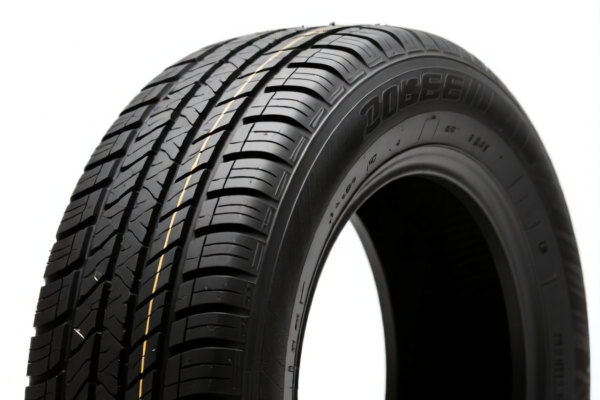
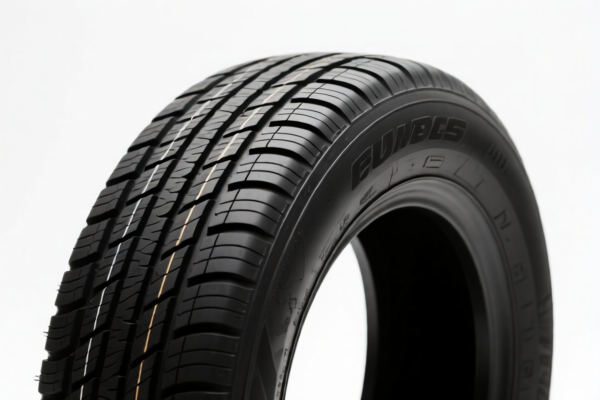
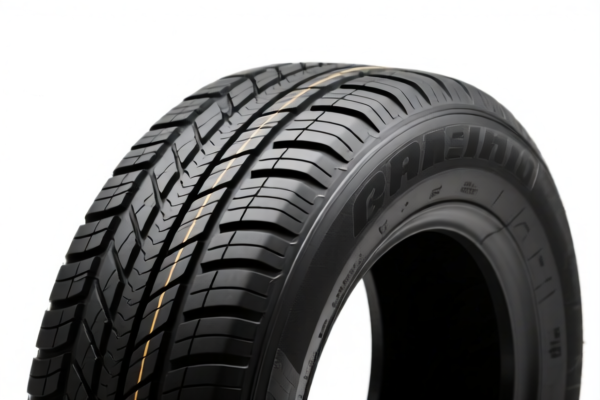
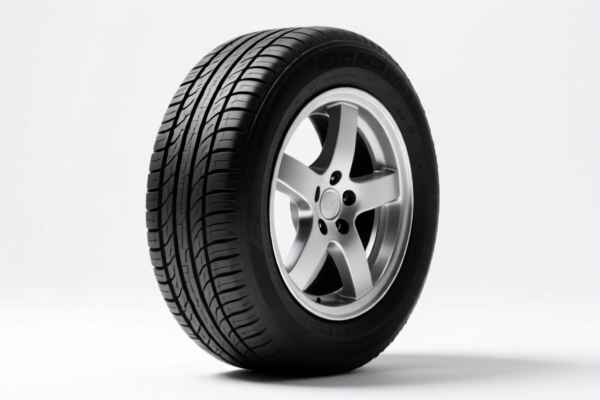
AI Analysis
🛞 Rubber Pneumatic Tires (HS Code: 4011.10.10.70)
🌐 HS Code Reference & Customs Clearance Guide | 2026 Latest Tariff Analysis | Professional Strategy
📌 I. Product Definition & Classification: Do You Really Understand "Tires"?
The term "Tire" (or "Tyre") in international trade primarily refers to rubber pneumatic tires used for vehicles. Under the Harmonized System (HS), classification is strictly determined by the type of vehicle or application the tire is designed for.
For the specific HS Code 4011.10.10.70, the key identifier is "Motor Vehicles" (typically Passenger Cars/Sedans).
⚠️ Critical Distinction:
- If the tire is for Passenger Cars (e.g., sedans, SUVs, minivans) → Classify under4011.10.10.70
- If the tire is for Buses/Trucks → Classify under4011.20.50.30or4011.20.50.50
- If the tire is for Aircraft/Motorcycles/Off-road → Different subheadings apply.
📦 II. HS Code Classification Details (2026 Official Tariff Alignment)
Based on the provided data, here is the precise mapping for "Tire (4011101070)" and related tire categories:
| HS Code | Product Description | Primary Application | Total Tax Rate (US/China) |
|---|---|---|---|
4011.10.10.70 |
Tires (Specifically for Passenger Cars/Motor Vehicles) | Passenger cars, SUVs, light trucks | 39.0% |
4011.20.50.30 |
Rubber Pneumatic Tires for Buses/Trucks | Heavy-duty transport, public transit | 38.4% |
4011.20.50.50 |
Rubber Pneumatic Tires (Non-road/Other) | Off-road vehicles, specialized machinery | 38.4% |
4011.20.50.10 |
Rubber Pneumatic Tires (Other) | Miscellaneous pneumatic tires not elsewhere specified | 38.4% |
4011.80.10.10 |
Rubber Tires (General/Categorization) | Broad category, often used if specific use is unclear | 35.0% |
🔍 Focus on
4011.10.10.70:
This code specifically targets pneumatic tires for new pneumatic tires of a kind used on motor cars. It is the most common code for consumer vehicle tires. Misclassifying a car tire as a bus tire (4011.20.50.30) or a general tire (4011.80.10.10) can lead to customs penalties or delays.
💰 III. 2026 Latest Tariff Rate Breakdown (Including Surcharges & Policy Add-ons)
✅ Applicable Country: United States (US)
✅ Origin: China (CN)
✅ Effective Date: From November 10, 2025 (including subsequent imports)
🎯 Target Code: 4011.10.10.70 —— Tires for Passenger Cars
| Item | Detail |
|---|---|
| Basic Tariff Rate | 4.0% (ad valorem) |
| Section 301 Additional Duty | +25.0% |
| Section 122 Duty (China Specific) | +10.0% |
| Total Tax Rate | 39.0% |
| Tax Calculation Basis | CIF Value (Cost, Insurance, Freight) × 39.0% |
| De Minimis Exemption | ❌ Not Applicable (deny_de_minimis) |
| Legal Authority Path | Section 301: 9903.88.01 → Section 122: IEEPA → USITC: 4011.10.10.70 |
📌 Explanation:
- "Basic 4.0%": Standard Most-Favored-Nation (MFN) duty for rubber tires under Section 40.
- "Section 301 (25%)": Imposed by the US Trade Representative (USTR) on specific Chinese goods, including many rubber products.
- "Section 122 (10%)": Imposed under the International Emergency Economic Powers Act (IEEPA) targeting trade practices that threaten national security.
- Total 39%: This is a very high effective duty. Importers must factor this into their landed cost calculations immediately.
📊 Comparison: Why Classification Matters
| HS Code | Basic | Section 301 | Section 122 | Total |
|---|---|---|---|---|
4011.10.10.70 (Car Tires) |
4.0% | 25.0% | 10.0% | 39.0% |
4011.20.50.30 (Bus/Truck) |
3.4% | 25.0% | 10.0% | 38.4% |
4011.80.10.10 (General) |
0.0% | 25.0% | 10.0% | 35.0% |
⚠️ Note: While
4011.80.10.10has a lower total rate (35.0%), it is a "catch-all" or general category. Using it for a standard passenger car tire may be challenged by Customs as misclassification if the tire clearly fits the definition of4011.10. Always use the most specific code applicable to the product's design.
🛠️ IV. Customs Clearance Practical Advice (Avoiding Pitfalls)
✅ 1. Required Documentation Checklist (Non-Negotiable)
| Document | Must Provide | Reason |
|---|---|---|
| Product Specification Sheet | ✔️ | Details: Size (e.g., 205/55R16), Load Index, Speed Rating, Tread Pattern |
| Material Composition | ✔️ | Proof of rubber content, casing type (pneumatic vs. solid) |
| Product Photos | ✔️ | Clear image of the tire sidewall showing size codes and branding |
| Bill of Lading / Invoice | ✔️ | Must clearly state "Rubber Pneumatic Tires for Passenger Vehicles" |
| Country of Origin Certificate | ✔️ | Essential for calculating Section 301 and Section 122 duties |
| FCC/DOE Compliance | ❌ (Not Applicable) | Tires are not electronic devices; no FCC/DOE needed |
✅ 2. Declaration Best Practices
🔥 "Key Mantra: Specific Use Determines Code, Not Just Name!"
| Scenario | Correct Declaration | Wrong Declaration |
|---|---|---|
| Passenger Car Tire | HS 4011.10.10.70 |
HS 4011.80.10.10 (Too vague) |
| Bus Tire | HS 4011.20.50.30 |
HS 4011.10.10.70 (Wrong vehicle type) |
| Off-Road Tire | HS 4011.20.50.50 |
HS 4011.10.10.70 (Not for highway cars) |
✅ 3. Special Considerations
| Situation | Handling Advice |
|---|---|
| Mixed Containers | If a container holds both Car Tires (4011.10) and Truck Tires (4011.20), separate them in the packing list and declare separately. Mixed declarations can lead to audits. |
| Used Tires | Prohibited for import into the US for resale. Ensure goods are NEW tires only. |
| OEM Custom Tires | Provide the end-use certificate from the automotive manufacturer to justify 4011.10.10.70. |
🌍 V. Global Market Clearance Comparison (2026 Overview)
| Country/Region | Recommended HS Code | Approx. Tariff (China Origin) | Key Certification | Remarks |
|---|---|---|---|---|
| 🇺🇸 USA | 4011.10.10.70 |
39.0% | None (Physical Product) | Highest duty due to Section 301 + 122 |
| 🇨🇳 China | 4011.10.10.70 |
~10-12% | CCC (if applicable) | Lower duty, no US surcharges |
| 🇪🇺 EU | 4011.10.10.70 |
~4.5% | CE (if part of vehicle) | No major political tariffs currently |
| 🇲🇽 Mexico | 4011.10.10.70 |
~5-15% | NOM Standards | Potential under USMCA if originating |
| 🇻🇳 Vietnam | 4011.10.10.70 |
~0-5% | QCVN | Popular alternative origin for US-bound goods |
📌 Conclusion:
- The US market is the most expensive for Chinese-made tires due to the 39% total duty.
- Importers are strongly advised to consider supply chain diversification (e.g., sourcing from Vietnam, Thailand, or Mexico) to mitigate these tariffs, provided the goods meet Rules of Origin requirements.
📌 VI. Common Mistakes & Pitfalls (Blood Lessons)
❌ Mistake 1: Declaring Passenger Car Tires as 4011.80.10.10 (General Tires) to save 4%.
👉 Consequence: Customs rejects the declaration, demands re-classification, imposes penalties, and delays shipment.
👉 Correct: Use 4011.10.10.70 for car tires.
❌ Mistake 2: Ignoring the "Pneumatic" vs. "Solid" distinction.
👉 Consequence: Solid rubber tires (e.g., for forklifts) fall under 4011.99 or other codes, not 4011.10. Misclassification leads to duty miscalculation.
❌ Mistake 3: Assuming "Tire" is a universal code.
👉 Consequence: HS Codes are highly vehicle-specific. A truck tire declared as a car tire will be flagged.
✅ Correct Declaration Example:
"Rubber Pneumatic Tires, New, for Passenger Cars, Size 205/55R16 91V, Model XYZ, Origin: China"
🎯 VII. Conclusion: Professional Classification Saves Money!
🎯 Remember the Mantra:
🔹 "Car Tires = 4011.10 (39%) | Bus Tires = 4011.20 (38.4%) | General = 4011.80 (35%)"
🔹 "Specific Use is King! Wrong Code = Penalty + Delay!"
📌 Pro Tip:
If your tires are not of Chinese origin (e.g., sourced from Vietnam or Thailand), you may qualify for lower or zero tariffs under various Free Trade Agreements (FTAs) or by avoiding Section 301/122 duties. Always verify the Country of Origin carefully.
📣 Immediate Action Required:
📞 Contact a licensed customs broker
📄 Submit product specs + photos for Advance Ruling (Pre-decision)
🚀 Avoid clearance surprises! Get the HS Code right the first time!
✨ Professional Clearance Starts with Precise Classification!
💼 Your Landed Cost Depends on the First 8 Digits!
Customer Reviews
About HS Code Classification
The Harmonized System (HS) is an internationally standardized nomenclature developed by the World Customs Organization (WCO) to classify traded products. Over 200 countries use the HS system as the basis for customs tariffs, trade statistics, and import/export regulations.
Each HS code follows a hierarchical structure:
- Chapter (2 digits) — Broad category of goods (e.g., Chapter 84: Machinery and Mechanical Appliances)
- Heading (4 digits) — More specific grouping within the chapter
- Subheading (6 digits) — Internationally standardized breakdown, used by all WCO member countries
- National subdivisions (8-10 digits) — Country-specific extensions for further classification, such as US HTSUS 10-digit codes
Correct HS code classification is essential for smooth customs clearance, accurate duty payment, and compliance with trade regulations. Misclassification can lead to customs delays, overpayment of duties, or penalties.
When importing from CN to US, the applicable tariff rates may include:
- Most-Favored-Nation (MFN) rate — The standard duty rate applied to WTO members
- General rate — Applied to countries without trade agreements
- Trade remedy duties — Additional tariffs such as Section 301 (anti-dumping), Section 232 (national security), or countervailing duties
The information provided on this page is for reference purposes only. For official classification, please consult with your local customs authority or a licensed customs broker.