Tire (HS Code 4011700010)
CN → US| HS Code | Tariff Rate | Origin | Destination | Doc |
|---|---|---|---|---|
| 4011801010 | 35.0% | CN | US | Official Doc |
| 4011300050 | 35.0% | CN | US | Official Doc |
| 4011300010 | 35.0% | CN | US | Official Doc |
| 4011300050 | 35.0% | CN | US | Official Doc |
| 4011300050 | 35.0% | CN | US | Official Doc |
Product Images
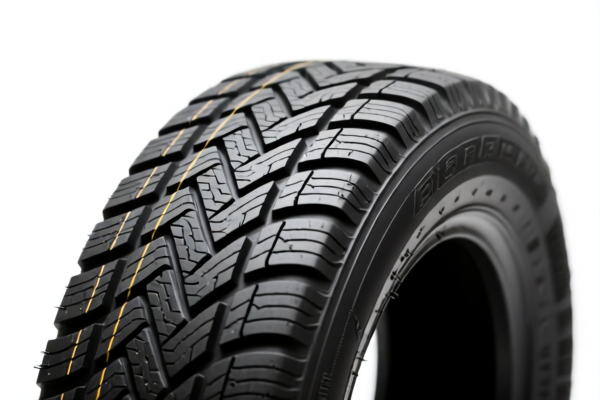
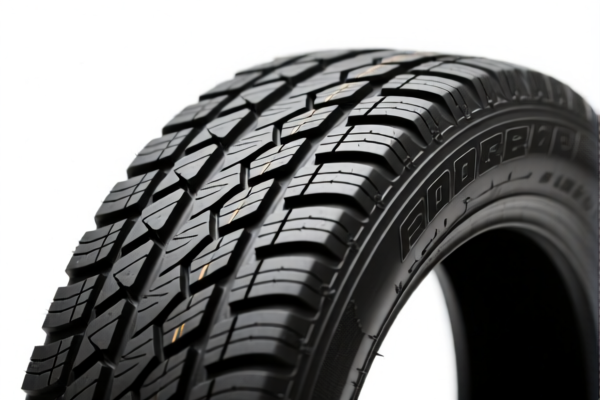
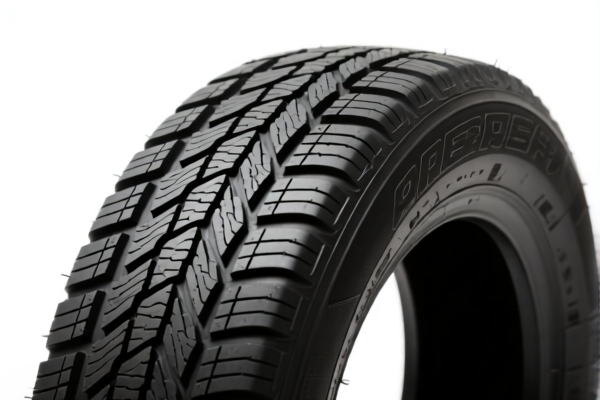
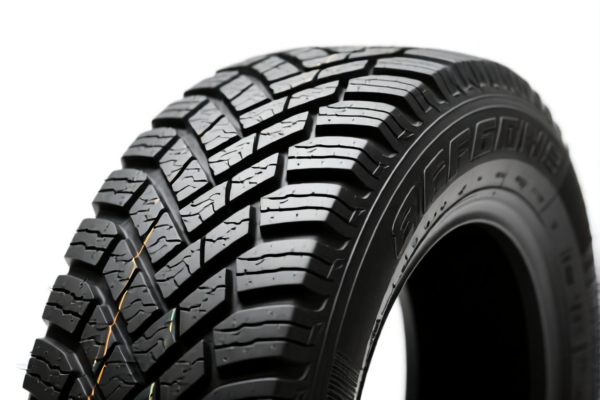
AI Analysis
🛞 Tires (Specific HS Code Reference: 4011.70.00.10 & Related Variants)
🌐 HS Code Classification & Customs Clearance Guide | 2026 Tariff Analysis for U.S. Imports from China | Professional Compliance Strategy
📌 I. Product Definition & Classification: Do You Know Your "Tire" Category?
Tires are critical rubber components essential for automotive, aviation, and industrial vehicles. In international trade, they are strictly classified based on vehicle type, rubber structure, and intended use. Improper classification leads to severe delays, penalties, and excessive tax liabilities.
Core Classification Logic:
* Passenger/Commercial Vehicle Tires (Trucks, Buses, Trailers): Generally fall under 4011.80 or 4011.10.
* Aircraft Tires: Specifically fall under 4011.30.
* Key Distinction: The HS Code 4011.70.00.10 often relates to specific sub-categories of tires (often linked to heavy-duty or specific pneumatic types depending on national extensions), but the provided data highlights specific high-tariff buckets for standard and aviation tires.
⚠️ Critical Warning:
- Aviation vs. Automotive: Tires for aircraft (4011.30) have different structural requirements and customs descriptions than car/truck tires (4011.80/4011.10).
- Pneumatic vs. Solid: Most common tires are pneumatic (air-filled). Solid rubber tires may fall under different codes.
- Chinese Origin Impact: For imports from China to the US, Section 301 and Section 122 tariffs apply significantly to all tire categories listed below.
📦 II. HS Code Classification Details (Based on Provided Data)
| HS Code | Product Description | Specific Use/Category | Key Characteristics |
|---|---|---|---|
| 4011.80.10.10 | Tires, Material: Rubber, Use: Tire | General Pneumatic Tires | Standard rubber tires for vehicles (non-truck/bus specific sub-category). |
| 4011.30.00.50 | Tires, Material: Rubber, Form: Tire | Aviation Pneumatic Tires (General) | Fits logic for aircraft pneumatic tires; not specifically labeled "civil aviation" in this sub-code. |
| 4011.30.00.10 | Tires, Material: Rubber, Form: Tire | Civil Aviation Aircraft Tires | Specifically classified for use in civil aircraft. High-precision engineering required. |
| 4011.30.00.50 | Tires, Material: Rubber, Form: Tire | Aviation Pneumatic Tires (Logic-based) | Recurrent code for aviation tires in the dataset, emphasizing classification logic over specific vehicle type. |
🔍 Important Note:
- The dataset lists two distinct codes for Aviation Tires:4011.30.00.10(Civil Aviation specific) and4011.30.00.50(General Aviation Pneumatic Logic).
- All listed codes incur the same total tax rate of 35% due to combined tariffs.
- No Duty-Free Options: There are no 0% tariff options for these HS codes in the provided data.
💰 III. 2026 Latest Tariff Rate Breakdown (Including Additional Duties)
✅ Applicable Country: United States (US)
✅ Country of Origin: China (CN)
✅ Effective Time: Immediate (Based on current Section 301 & 122 policies)
🎯 1. General Rubber Tires (4011.80.10.10)
| Item | Details |
|---|---|
| Base Tariff Rate | 0.0% (MFN Rate) |
| Section 301 Additional Tariff | +25.0% |
| Section 122 Tariff | +10.0% |
| Total Tax Rate | 35.0% |
| Tax Calculation | CIF Value × 35% |
| De Minimis Exemption | ❌ NOT Applicable (Section 301 duties apply regardless of value) |
| Legal Basis Path | HTSUS:4011.80.10.10 → USITC Footnote: Sec 301 → Trade Act Sec 122 |
📌 Explanation:
- Base Rate (0%): The standard Most Favored Nation (MFN) duty for tires is often low or zero.
- Section 301 (25%): Imposed on Chinese goods, including tires, under the Trump-era trade actions, maintained by the Biden administration.
- Section 122 (10%): A separate statutory authority allowing the President to impose duties up to 15% for up to 1 year if imports cause serious injury to domestic industry. This is frequently applied to automotive parts, including tires.
- Total (35%): This is a very high effective duty rate. Importers must factor this into their landed cost calculations.
🎯 2. Aviation Tires (4011.30.00.10 & 4011.30.00.50)
| Item | Details |
|---|---|
| Base Tariff Rate | 0.0% |
| Section 301 Additional Tariff | +25.0% |
| Section 122 Tariff | +10.0% |
| Total Tax Rate | 35.0% |
| Tax Calculation | CIF Value × 35% |
| De Minimis Exemption | ❌ NOT Applicable |
| Legal Basis Path | HTSUS:4011.30.x0.xx → USITC Footnote: Sec 301 → Trade Act Sec 122 |
📌 Explanation:
- Even though aviation tires are high-tech and critical for safety, they are not exempt from Section 301 or Section 122 tariffs if originating from China.
- Civil Aviation (4011.30.00.10) vs. General Aviation (4011.30.00.50): Both are taxed identically at 35%. Ensure the description matches the actual end-use (e.g., "For Civil Aircraft Model XYZ") to avoid classification disputes.
🛠️ IV. Customs Clearance Practical Advice (Avoiding Pitfalls)
✅ 1. Documentation Checklist (Mandatory)
| Document | Required? | Purpose |
|---|---|---|
| Commercial Invoice | ✔️ | Must state: "Tires, Rubber, Pneumatic, for [Vehicle Type], Origin: China." |
| Packing List | ✔️ | Detail quantity, weight, and dimensions per box/pallet. |
| Product Specification Sheet | ✔️ | Include size (e.g., 225/65R17), load index, speed rating, tread pattern. |
| Certificate of Origin (CO) | ✔️ | Essential to prove Chinese origin (triggers the 35% tax). |
| Bill of Lading / Air Waybill | ✔️ | Transport document. |
| Import Security Filing (ISF) | ✔️ | Required 24 hours before loading for ocean freight. |
| EPA/NTSB Approval (for Aviation) | ✔️ | For 4011.30 codes, aviation-specific certifications may be requested by CBP. |
✅ 2. Declaration Tips (Key Mnemonic)
🔥 "Describe Fully, Origin True, Tax 35, No Escape!"
| Scenario | Correct Declaration | Incorrect Action |
|---|---|---|
| Car/Truck Tire | 4011.80.10.10 - "Pneumatic Rubber Tires for Passenger Vehicles" |
Misclassifying as "Rubber Part" → Audit risk |
| Airplane Tire | 4011.30.00.10 - "Pneumatic Rubber Tires for Civil Aircraft" |
Using 4011.80 → Delayed clearance |
| Mixed Shipment | Declare each HS code separately with clear line items | Bundling all tires under one code → Risk of penalty |
| Origin Marking | Ensure tires are marked "Made in China" | Unmarked tires → Seizure risk |
✅ 3. Special Circumstances
| Situation | Handling Advice |
|---|---|
| OEM Tires for Car Manufacturers | Provide OEM contracts and end-use documentation to justify classification. |
| Aviation Tires for Repair/Recap | If only retreading/recapping, different HS codes might apply (e.g., 4016.93), but new tires are 4011. Check with a specialist. |
| Transshipment via Vietnam/Mexico | WARNING: If Chinese tires are transshipped without substantial transformation, they are still subject to Chinese tariffs. CBP aggressively checks this. |
| Section 122 Exclusion Requests | Historically, some exclusions existed. Check current USTR exclusion lists. As of 2026, most tire exclusions have expired or are limited. |
🌍 V. Global Market Comparison (2026 Update)
| Country/Region | Recommended HS Code | Tariff Rate (China Origin) | Notes |
|---|---|---|---|
| 🇺🇸 USA | 4011.80.10.10 / 4011.30.x0.xx |
35% (25% Sec 301 + 10% Sec 122) | Highest duty burden among major markets. |
| 🇨🇳 China | 4011.80 / 4011.30 |
0% - 5% | Imports into China are low duty; exports from China face US duties. |
| 🇪🇺 EU | 4011.20 / 4011.10 |
4.5% | Standard MFN rate. No Section 301 equivalent. |
| 🇲🇽 Mexico | 4011.10 / 4011.30 |
0% (under USMCA if transformed) | Potential for near-shoring benefits if assembled in Mexico. |
| 🇻🇳 Vietnam | 4011.10 / 4011.30 |
0% - 5% | Watch for "Substantial Transformation" rules; direct shipment from China still taxed. |
📌 Conclusion:
- The US is the most expensive market for Chinese-origin tires due to the叠加 (叠加 means "stacked" or "combined") tariffs.
- Alternative Sourcing: Consider tires manufactured in Vietnam, Thailand, or Mexico to avoid the 35% US tariff, provided they meet Rules of Origin requirements.
📌 VI. Common Errors & Pitfalls (Lessons Learned)
❌ Error 1: Using "Rubber Product" as a generic description.
👉 Consequence: CBP reclassifies, applies higher duties, and issues a penalty.
👉 Fix: Always use specific HS code (e.g., 4011.80.10.10) and clear product name.
❌ Error 2: Misdeclaring Aviation Tires as Car Tires.
👉 Consequence: Customs holds shipment for technical review; potential safety regulation violation.
👉 Fix: Clearly state "For Aircraft" and provide aircraft model compatibility.
❌ Error 3: Assuming "De Minimis" ($800) exemption applies.
👉 Consequence: Small shipments still incur the 35% tariff and must be formally entered.
👉 Fix: Prepare formal entry documentation for all tire shipments, regardless of value.
❌ Error 4: Ignoring Section 122 Tariffs.
👉 Consequence: Underpaying duties by 10% leads to audits and back-taxes.
👉 Fix: Calculate total duty as Base + 25% + 10%.
✅ Correct Declaration Example:
"Tire, Pneumatic, Rubber, Size 225/65R16, for Passenger Cars, HS Code: 4011.80.10.10, Country of Origin: China"
🎯 VII. Conclusion: Professional Compliance Saves Money!
🎯 Remember the Golden Rule:
🔹 "Chinese Tires to US? Expect 35% Duty (25% Sec 301 + 10% Sec 122)."
🔹 "Aviation Tires Need Precise Classification (4011.30)."
🔹 "No De Minimis Exemption – Plan Your Costs!"
📌 Pro Tip:
If you are importing large volumes, consider:
1. Applying for an Exclusion: Check if your specific tire model is on any active USTR exclusion list.
2. Supply Chain Diversification: Source tires from non-Chinese origins (e.g., Vietnam, Thailand) to bypass the 35% tariff.
3. Advance Ruling: Request a CBP Advance Ruling for complex or high-value shipments to ensure correct classification before shipment.
📣 Immediate Action:
📞 Consult a licensed customs broker
📄 Verify HS Code4011.80.10.10or4011.30.x0.xx
🚀 Ensure compliance, avoid delays, and protect your margins!
✨ Precise Classification is the First Step to Smooth Customs Clearance!
💼 Every dollar saved on duties is pure profit!
Customer Reviews
About HS Code Classification
The Harmonized System (HS) is an internationally standardized nomenclature developed by the World Customs Organization (WCO) to classify traded products. Over 200 countries use the HS system as the basis for customs tariffs, trade statistics, and import/export regulations.
Each HS code follows a hierarchical structure:
- Chapter (2 digits) — Broad category of goods (e.g., Chapter 84: Machinery and Mechanical Appliances)
- Heading (4 digits) — More specific grouping within the chapter
- Subheading (6 digits) — Internationally standardized breakdown, used by all WCO member countries
- National subdivisions (8-10 digits) — Country-specific extensions for further classification, such as US HTSUS 10-digit codes
Correct HS code classification is essential for smooth customs clearance, accurate duty payment, and compliance with trade regulations. Misclassification can lead to customs delays, overpayment of duties, or penalties.
When importing from CN to US, the applicable tariff rates may include:
- Most-Favored-Nation (MFN) rate — The standard duty rate applied to WTO members
- General rate — Applied to countries without trade agreements
- Trade remedy duties — Additional tariffs such as Section 301 (anti-dumping), Section 232 (national security), or countervailing duties
The information provided on this page is for reference purposes only. For official classification, please consult with your local customs authority or a licensed customs broker.