Tire (HS Code 4011808020)
CN → US| HS Code | Tariff Rate | Origin | Destination | Doc |
|---|---|---|---|---|
| 4011205030 | 38.4% | CN | US | Official Doc |
| 4011205050 | 38.4% | CN | US | Official Doc |
| 4011801010 | 35.0% | CN | US | Official Doc |
Product Images
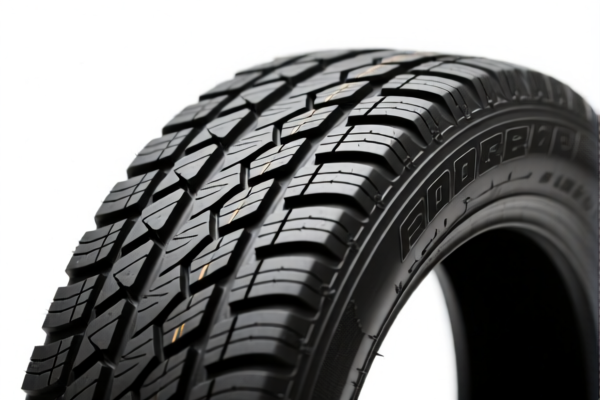
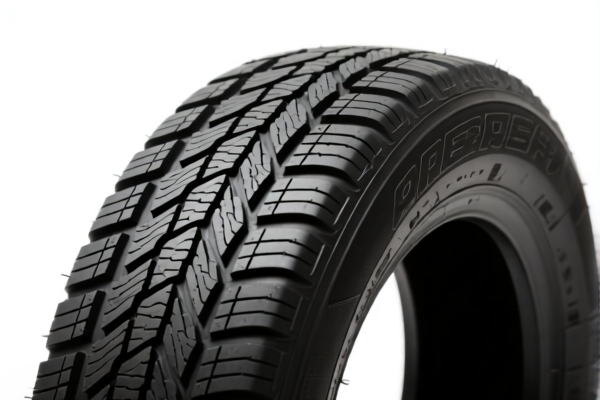
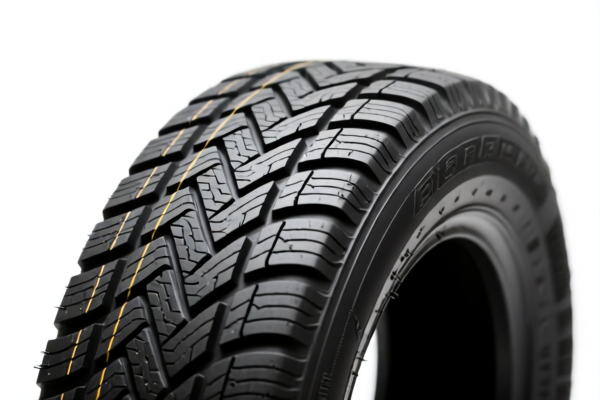
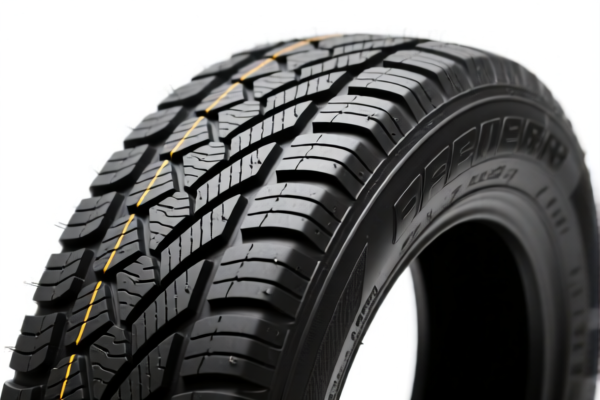
AI Analysis
🚛 Tire (Tires for Trucks and Buses)
🌐 HS Code Reference & Customs Clearance Guide | 2026 Latest Tariff Analysis | Professional Clearance Strategy
📌 I. Product Definition and Classification: Do You Really Understand "Tires"?
Tires are critical safety components for vehicles, specifically categorized by their material (Rubber) and state (Pneumatic/Inflated). In international trade, they are strictly divided based on vehicle application:
1. Pneumatic Tires for Buses or Goods Vehicles:
These are tires designed for heavy-duty transport, including city buses, long-haul trucks, and commercial vehicles. They fall under Heading 4011.20.
2. Other Pneumatic Tires:
This category includes tires for motorcycles, bicycles, or other off-road/specialized vehicles that do not fit the "Bus/Truck" definition. They fall under Heading 4011.80.
⚠️ Key Distinction Point:
- If the tire is specifically marked for Buses, Trucks, or Trailers → It belongs to 4011.20.
- If the tire is for Motorcycles, Bicycles, or General Purpose (not explicitly bus/truck) → It may belong to 4011.80.
- Note: The summary data provided links specific HS codes to these logical groupings.
📦 II. HS Code Classification Details (2026 Latest Tariff Authority Comparison)
Based on the provided data, here are the specific HS Codes, their logical classification, and the corresponding tax implications.
| HS Code | Product Description | Application Scenario | Logical Basis for Classification |
|---|---|---|---|
4011.20.50.30 |
Pneumatic tires for buses or goods vehicles | Bus tires, Heavy-duty truck tires | Exact Match: Material (Rubber) + Form (Pneumatic) + Use (Bus/Truck). |
4011.20.50.50 |
Pneumatic tires for buses or goods vehicles (Inferred) | Truck tires, Commercial vehicle tires | High Consistency: Rubber + Inflated. No conflict in material/form. Inferred for non-specified sub-items under 4011.20. |
4011.80.10.10 |
Other pneumatic tires (Rubber Tires) | General tires, Motorcycle/Off-road tires | Broad Match: Covers "Other" pneumatic tires. Material (Rubber) and Use (Tire) are consistent. |
🔍 Important Reminder:
- 4011.20.50.30/50: These are for heavy-duty applications. Misclassifying a truck tire here as a "general tire" can lead to severe penalties.
- 4011.80.10.10: This is a fallback category for tires that are pneumatic and rubber but not for buses/trucks.
- Do not mix: A tire labeled "For Bus" must go under 4011.20, not 4011.80.
💰 III. 2026 Latest Tariff Rate Detailed Explanation (Including Surcharges & Policy Add-ons)
✅ Applicable Country: United States (US)
✅ Country of Origin: China (CN)
✅ Effective Date: Current rates apply (based on Section 301 & IEEPA provisions)
🎯 1. 4011.20.50.30 & 4011.20.50.50 —— Pneumatic Tires for Buses/Goods Vehicles
| Item | Content |
|---|---|
| Base Tariff | 3.4% (Ad Valorem) |
| Section 301 Surcharge | +25.0% (USITC Footnote 9903.88.01) |
| IEEPA Surcharge | +10.0% (122 Section Tariff, targeting Chinese products) |
| Total Tariff Rate | 38.4% |
| Tax Calculation | CIF Value × 38.4% |
| De Minimis Exemption | ❌ Not Eligible (Deny De Minimis) |
| Legal Basis Path | IEEPA:9903.01.24 → Section 122: 10% → USITC: 4011.20.50.30/50 → FOOTNOTE: 25% |
📌 Explanation:
- "Base Tariff 3.4%": The standard MFN rate for pneumatic tires for trucks/buses.
- "Section 301 Surcharge 25%": This is the major trade war tariff imposed on Chinese rubber tires.
- "122 Section Tariff 10%": An additional statutory surcharge applied to certain Chinese imports under specific executive orders.
- Total 38.4%: This is a very high cost factor. Importers must build this into their landed cost calculations.
🎯 2. 4011.80.10.10 —— Other Pneumatic Tires
| Item | Content |
|---|---|
| Base Tariff | 0.0% (Ad Valorem) |
| Section 301 Surcharge | +25.0% (USITC Footnote 9903.88.01) |
| IEEPA Surcharge | +10.0% (122 Section Tariff, targeting Chinese products) |
| Total Tariff Rate | 35.0% |
| Tax Calculation | CIF Value × 35.0% |
| De Minimis Exemption | ❌ Not Eligible (Deny De Minimis) |
| Legal Basis Path | IEEPA:9903.01.24 → Section 122: 10% → USITC: 4011.80.10.10 → FOOTNOTE: 25% |
📌 Note:
- Although the base tariff is 0%, the total effective rate is 35%, which is still extremely high.
- The 25% Section 301 and 10% IEEPA surcharges apply equally to this category if the origin is China.
- Do not be fooled by the 0% base rate! The total tax burden remains prohibitive for direct imports from China.
🛠️ IV. Customs Clearance Practical Advice (实战避坑指南)
✅ 1. Preparation Checklist (Missing Documents Lead to Delays)
| Document | Required? | Explanation |
|---|---|---|
| ✅ Product Specification Sheet | ✔️ | Must specify: Size (e.g., 11R22.5), Ply Rating, Tread Pattern, Intended Vehicle (Bus/Truck/Motorcycle). |
| ✅ Material Declaration | ✔️ | Confirm 100% Rubber Composition. Avoid "Textile" or "Metal" mix-ups. |
| ✅ Commercial Invoice | ✔️ | Must clearly state "Tire for [Specific Vehicle]" to determine 4011.20 vs 4011.80. |
| ✅ Packing List | ✔️ | Detail net weight/gross weight per tire. Tires are heavy; accurate weight is crucial for duty calculation. |
| ✅ Certificate of Origin (CO) | ✔️ | Essential for proving Chinese origin (triggers the 35-38.4% tariffs). |
| ✅ DOT/ECE Certification | ✔️ | Safety compliance documents. US requires DOT marking. |
✅ 2. Declaration Techniques (Critical Tips)
🔥 "Right Code, Right Use, Right Origin, Right Tax!"
| Scenario | Correct Declaration | Incorrect Practice |
|---|---|---|
| Truck/Bus Tire | HS Code: 4011.20.50.30 or 4011.20.50.50 |
Misdeclaring as "Other Tire" (4011.80) → Audit & Penalties. |
| Motorcycle Tire | HS Code: 4011.80.10.10 |
Misdeclaring as "Truck Tire" → Wrong duty assessment. |
| Chinese Origin | Acknowledge Origin: China | Hiding origin → Seizure & Fraud Charges. |
| Mixed Shipment | Separate HS Codes per item | Lump-sum declaration → Rejection. |
✅ 3. Special Circumstances Handling
| Scenario | Handling Advice |
|---|---|
| OEM Tires | Provide OEM contract + Design drawings. Ensure brand name matches the declared product. |
| Retreaded Tires | Different HS Code! Retreads fall under 4012.13. Do not mix with new tires (4011). |
| Origin Diversification | If tires are made in Vietnam, Thailand, or Indonesia, check for De Minimis Exemptions or lower tariffs under USMCA/FTAs. |
| Part vs. Whole | Tires are always declared as Finished Goods, not parts. Never declare as "Tire Components." |
🌍 V. Global Market Clearance Comparison (2026 Latest)
| Country/Region | Recommended HS Code | Tariff (China Origin) | Certification Requirements | Remarks |
|---|---|---|---|---|
| 🇺🇸 USA | 4011.20.50.30 / 4011.80.10.10 |
35.0% - 38.4% | DOT, FMVSS | Highest Tariffs. Heavy penalties for misclassification. |
| 🇨🇳 China | 4011.20.50.30 / 4011.80.10.10 |
~5% - 10% | CCC (if applicable) | Domestic trade. Lower duties. |
| 🇪🇺 EU | 4011.20 / 4011.80 |
0% - 4.5% | E-Mark, ECE R30/R117 | No Section 301 surcharge. Lower total cost. |
| 🇲🇽 Mexico | 4011.20 / 4011.80 |
0% - 5% | NOM Certification | Under USMCA, potential duty-free for Chinese parts if processed. |
📌 Conclusion:
- USA is the most challenging market for Chinese tires due to the 35-38.4% total tariff.
- Supply Chain Shift: Many importers are sourcing tires from Thailand, Vietnam, or Indonesia to avoid the 25% Section 301 tariff.
- Always verify the "Country of Origin" on the tire sidewall (e.g., "Made in China") against the Certificate of Origin.
📌 VI. Common Errors & Pitfalls (Lessons Learned)
❌ Error 1: Declaring a Bus Tire as 4011.80.10.10 (Other Tires)
👉 Consequence: Customs may classify it as "Other" but apply the 301 tariff anyway, or worse, penalize for misclassification.
👉 Correct: Always use 4011.20 for Bus/Truck tires.
❌ Error 2: Ignoring the IEEPA 10% Surcharge
👉 Consequence: Underestimating landed cost by 10%.
👉 Correct: Add 10% to your cost model for all Chinese-origin goods under Section 122.
❌ Error 3: Confusing New Tires with Retreaded Tires
👉 Consequence: Retreads have different tariffs and regulatory requirements.
👉 Correct: Retreads → 4012.13. New Tires → 4011.xx.
❌ Error 4: Missing DOT Marking on Chinese Tires
👉 Consequence: US Customs (CBP) may reject entry for non-compliance with safety standards.
👉 Correct: Ensure every tire has a DOT code visible.
✅ Correct Approach:
"Pneumatic Rubber Tire, Size 11R22.5, for Heavy-Duty Truck, Made in China, DOT Certified, HS Code: 4011.20.50.30"
🎯 VII. Conclusion: Professional Clearance, Cost Savings!
🎯 Remember the Key Takeaways:
🔹 "Bus/Truck Tires = 4011.20 (38.4% Total)"
🔹 "Other Tires = 4011.80 (35.0% Total)"
🔹 "Origin Matters: China = High Tariffs, SE Asia = Lower Tariffs"
🔹 "Misclassification = Penalties + Delays"
📌 Pro Tip:
If your tires are manufactured in Southeast Asia (Vietnam, Thailand, Indonesia), you may qualify for lower Section 301 rates or De Minimis exemptions.
Recommendation: Request a Pre-Ruling (Advance Ruling) from US Customs and Border Protection (CBP) before shipping large volumes.
📣 Immediate Action:
📞 Contact a licensed Customs Broker
📄 Provide Product Specs + Origin Proof
🚀 Ensure DOT Compliance + Accurate HS Code
💰 Calculate 35-38.4% Tariff in your Pricing Model
✨ Professional Clearance Starts with Accurate Classification!
💼 Every Percentage Point of Tariff is Money Out of Your Pocket!
Customer Reviews
About HS Code Classification
The Harmonized System (HS) is an internationally standardized nomenclature developed by the World Customs Organization (WCO) to classify traded products. Over 200 countries use the HS system as the basis for customs tariffs, trade statistics, and import/export regulations.
Each HS code follows a hierarchical structure:
- Chapter (2 digits) — Broad category of goods (e.g., Chapter 84: Machinery and Mechanical Appliances)
- Heading (4 digits) — More specific grouping within the chapter
- Subheading (6 digits) — Internationally standardized breakdown, used by all WCO member countries
- National subdivisions (8-10 digits) — Country-specific extensions for further classification, such as US HTSUS 10-digit codes
Correct HS code classification is essential for smooth customs clearance, accurate duty payment, and compliance with trade regulations. Misclassification can lead to customs delays, overpayment of duties, or penalties.
When importing from CN to US, the applicable tariff rates may include:
- Most-Favored-Nation (MFN) rate — The standard duty rate applied to WTO members
- General rate — Applied to countries without trade agreements
- Trade remedy duties — Additional tariffs such as Section 301 (anti-dumping), Section 232 (national security), or countervailing duties
The information provided on this page is for reference purposes only. For official classification, please consult with your local customs authority or a licensed customs broker.